Reach Out Today
Please provide your email address so that we can stay in touch and answer any questions you have! We will be reaching back out shortly.


Hear from Our Customers
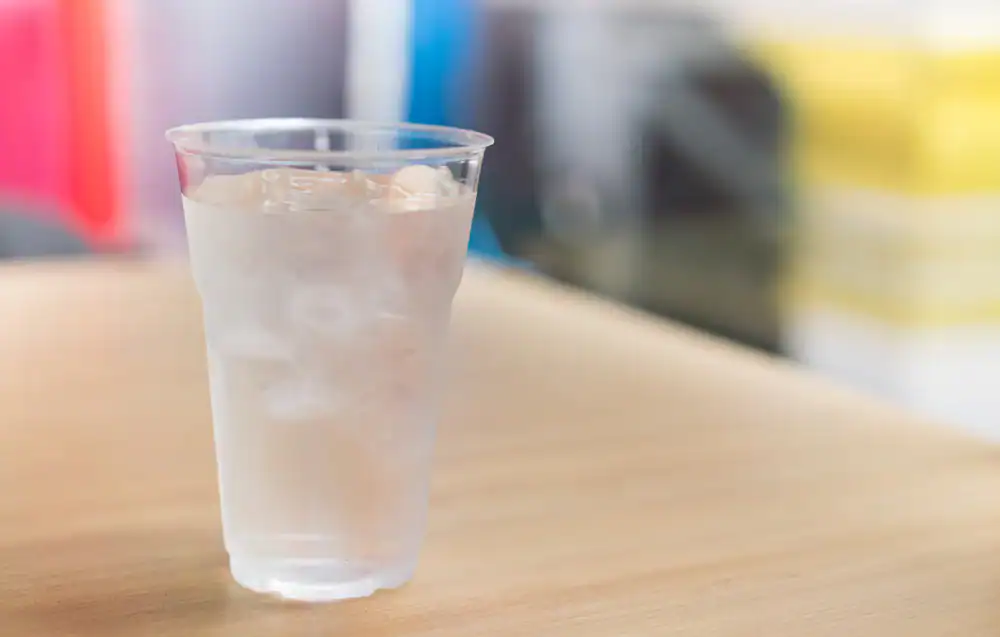
Your water heater stops building up sediment that makes it work harder and die sooner. Your dishwasher and washing machine keep their efficiency instead of clogging with mineral deposits. Shower doors stay clearer, faucets don’t cake up with white buildup, and you’re not scrubbing constantly just to keep things looking normal.
This isn’t about removing minerals from your water. It’s about changing their structure so they can’t stick to your pipes, appliances, or fixtures. You keep the calcium and magnesium your body needs, but they flow through your plumbing as harmless micro-crystals instead of building up as scale.
No salt to haul. No electricity to run. No regeneration cycles wasting hundreds of gallons of water every week. The system works continuously using only your existing water pressure, and the media inside lasts years before it needs replacing.
We have an A-rating with the Better Business Bureau, a 5-star rating, and zero complaints. We’re members of the National Water Quality Association, which means we follow industry standards that most companies don’t even know exist.
We don’t disappear after the install. We test your water first, design the system based on what’s actually in it, and make sure you understand what you’re getting before we start. St. Augustine pulls water from the Floridan Aquifer, and hardness levels here typically run between 100 and 300 parts per million depending on your neighborhood and whether you’re on well or city water.
We’ve seen what works and what doesn’t in Florida conditions. A salt-free water conditioner isn’t right for every situation, and we’ll tell you that upfront. But when it fits, it’s one of the lowest-maintenance, most environmentally responsible ways to handle hard water.

We start with a water test. Not some generic sales pitch disguised as a free test, but actual analysis to see what’s in your water. Hardness level, iron content, pH, chlorine, bacteria if you’re on a well—whatever’s there, we identify it.
Once we know what we’re dealing with, we design a system that fits your household size, water usage, and the specific minerals causing problems. The salt-free conditioner uses Template Assisted Crystallization media. As water flows through, the media transforms dissolved calcium and magnesium into microscopic crystals that stay suspended in the water instead of bonding to surfaces.
Installation takes a few hours. We connect the system to your main water line so all the water entering your home gets treated. There’s no drain line needed because there’s no backwash cycle. No electrical connection because the system doesn’t regenerate. It just works, continuously, every time you turn on a faucet.
After install, you’ll notice results within a few weeks as existing scale gradually breaks down and new scale stops forming. The media inside typically lasts three to seven years depending on your water quality and usage, and replacement is straightforward when the time comes.

Ready to get started?
You get a custom-designed system based on your specific water test results, not a one-size-fits-all unit pulled off a shelf. We size the conditioner to match your household’s flow rate and daily water consumption so it performs correctly under real-world conditions.
Professional installation includes all necessary fittings, connections, and integration with your existing plumbing. We make sure the system is positioned correctly for optimal performance and easy access if you ever need service. You’ll also get a walkthrough of how the system operates and what minimal maintenance it requires over its lifespan.
St. Augustine homeowners deal with hard water from limestone-heavy aquifer sources, and that mineral content varies across the area. Some neighborhoods see hardness levels around 120 PPM, others push past 250 PPM. We account for that variation when we design your system, and we make sure you understand whether a salt-free conditioner is the right fit or if your water conditions require a different approach.
This isn’t a magic fix for every water problem. If you have high iron or manganese—common in well water around here—those minerals can coat the TAC media and reduce effectiveness. We test for that upfront and recommend the right treatment for your actual water, not just what’s easiest to sell.

A traditional water softener removes calcium and magnesium from your water through an ion exchange process, replacing those minerals with sodium. It requires salt, electricity, a drain connection, and regular regeneration cycles that waste water. You end up with truly “soft” water that feels slippery and contains added sodium.
A salt-free conditioner doesn’t remove minerals. It changes their structure using Template Assisted Crystallization so they can’t form scale. You keep the calcium and magnesium in your water, which means no slippery feel and no sodium added. The system uses no electricity, no salt, and no water waste. It’s a single compact tank instead of the typical two-tank softener setup.
The tradeoff is that you won’t get that soft, slick feeling in the shower, and you might still see minor spotting on dishes or glass if you have very hard water. But your appliances stay protected, your plumbing stays clear, and you’re not dealing with the maintenance and environmental impact of a salt-based system. For most St. Augustine homeowners on city water, it’s a cleaner solution that handles the real problem—scale buildup—without the downsides of traditional softening.
The media inside a salt-free conditioner typically lasts between three and seven years depending on your water quality and how much water your household uses. Higher mineral content or heavier usage will shorten that lifespan slightly, but you’re still looking at years of maintenance-free operation.
When the media eventually needs replacing, it’s a straightforward swap. There’s no complicated rebuild or major service event. You’re not dealing with salt deliveries, cleaning resin tanks, or adjusting regeneration cycles in the meantime. The system just runs, continuously, without any regular maintenance tasks.
Compare that to a salt-based softener where you’re adding salt every few weeks, monitoring brine levels, and occasionally cleaning out the tank when buildup occurs. Over a five-year period, you’ll spend significantly less time and money maintaining a salt-free system. That’s one reason why homeowners who want effective scale prevention without the hassle are switching to this technology.
It depends on what else is in your well water besides hardness. If you’ve got moderate to high levels of iron or manganese—which is common in wells around St. Augustine—those minerals will coat the TAC media and block the nucleation sites where crystallization happens. Once that coating builds up, the system stops preventing scale effectively.
That’s why we test your water before recommending any system. If your well water has iron above 0.3 PPM or manganese above 0.05 PPM, a salt-free conditioner isn’t going to work long-term. You’d need a different treatment approach, possibly combining iron removal with a traditional softener or a more comprehensive filtration setup.
City water in St. Augustine is a different story. It’s typically free of iron and manganese, which makes it a good candidate for salt-free treatment. Hardness levels vary by neighborhood but generally fall within the range where TAC technology performs well. We’ll tell you honestly whether your specific water conditions are a good fit for this system or if you need something else. There’s no point installing equipment that won’t solve your problem.
Upfront costs for a salt-free conditioner are often comparable to or slightly higher than a quality salt-based softener when you factor in professional installation. You’re looking at a system designed for your specific flow rate and water conditions, not a basic box unit.
Where you save is in ongoing costs. No salt purchases every month. No electricity consumption. No water waste from regeneration cycles that can add up to thousands of gallons per year. No service calls to fix valves, clean tanks, or troubleshoot regeneration problems. Over the life of the system, those savings add up significantly.
You also avoid the potential costs of salt damage to your septic system if you’re on one, and you’re not contributing to the environmental issues caused by brine discharge into water systems. Some Florida communities are starting to restrict or ban salt-based softeners because of the sodium they add to wastewater. A salt-free system sidesteps that issue entirely. When you factor in the total cost of ownership over ten years, salt-free treatment often comes out ahead, especially for homeowners who value low maintenance and environmental responsibility.
You might see some minor spotting, especially if your water is very hard. A salt-free conditioner prevents scale buildup and protects your appliances, but it doesn’t remove the minerals from your water the way a traditional softener does. Those minerals can still leave spots when water evaporates on glass or dishes.
The difference is that the spots wipe off easily. They don’t bond to surfaces and build up into thick, crusty deposits that require scraping or harsh chemicals to remove. Most people find that a quick wipe with a towel or squeegee after a shower keeps glass clear, and a rinse aid in the dishwasher handles any spotting on dishes.
If spot-free dishes and perfectly clear shower glass are your top priorities, a traditional softener might be a better fit. But if you’re more concerned about protecting your water heater, preventing pipe buildup, and avoiding the hassle and environmental impact of salt-based systems, a salt-free conditioner handles those priorities effectively. It’s about matching the solution to what matters most to you, and we’ll walk through those tradeoffs during your water test so you can make the right call for your home.
Please provide your email address so that we can stay in touch and answer any questions you have! We will be reaching back out shortly.
"*" indicates required fields