Reach Out Today
Please provide your email address so that we can stay in touch and answer any questions you have! We will be reaching back out shortly.


Hear from Our Customers
Your water heater stops working as hard. Scale quits building up inside the tank, which means it heats water faster and uses less energy to do it. That’s not a small thing when Florida water averages 216 parts per million hardness—well into the “extremely hard” range.
Your shower doors stay clearer longer. Your faucets don’t collect that chalky white crust. Your dishwasher actually cleans dishes instead of leaving spots all over them.
And your appliances last. Studies show hard water can cut efficiency by up to 30%, which means higher bills and earlier replacements. A saltless water system prevents that buildup without adding sodium to your water, without needing salt deliveries, and without dumping brine into the environment. You install it once, and it works. No regeneration cycles. No maintenance schedule. No ongoing costs eating into your budget every month.
We have over 50 years of combined experience treating some of the hardest water in the country. We’re not a national franchise that sells you a system and disappears. We’re a Florida-based company with an A+ BBB rating, zero complaints, and a 5-star reputation because we actually service what we sell.
We’re members of the National Water Quality Association, which means we meet industry standards most companies don’t bother with. We also support military families and first responders with a $500 discount, and we’re involved with the Tunnels to Towers Foundation because we believe in giving back to the community that supports us.
Southside Estates homeowners deal with the same geological issues that make Florida water so mineral-heavy—coastal proximity and limestone bedrock. We’ve been handling that exact problem for years, and we know what works.
We start with a water test. Not every home has the same hardness level, and not every system is sized the same way. We measure your water’s mineral content so we know exactly what you’re dealing with.
Then we recommend a water descaler system based on your home’s size, water usage, and hardness level. Most systems use Template Assisted Crystallization—TAC technology—which changes the structure of hardness minerals so they don’t stick to surfaces. They stay suspended in the water and wash down the drain instead of building up inside your pipes and appliances.
Installation happens at your main water line, so every faucet and fixture in your home gets treated. The system doesn’t need electricity. It doesn’t regenerate. It doesn’t require you to do anything after it’s installed. Once it’s in, it’s working around the clock to prevent scale from forming anywhere in your plumbing.
You’ll notice the difference in a few weeks—less scrubbing, better water pressure, appliances that run quieter and more efficiently. And because there’s no salt, you’re not adding sodium to your drinking water or sending brine waste into Florida’s already stressed groundwater system.

Ready to get started?
You get a system that’s professionally sized for your home. That matters more than most people realize. An undersized system won’t keep up with your water usage. An oversized one costs more than you need to spend. We match the system to your household so it works the way it’s supposed to.
You also get certified installation by technicians who’ve done this hundreds of times. We’re not subcontracting the work out to whoever’s available. Our team knows Florida plumbing, Florida water, and how to install a saltless water system so it performs long-term.
And because Southside Estates sits in an area where hard water is the norm, not the exception, we make sure your system is built to handle Central Florida’s specific mineral content. The water here isn’t just hard—it’s consistently hard. Your system needs to be ready for that, and ours are.
You’re also choosing an eco-friendly option. Salt-based softeners discharge hundreds of gallons of brine during every regeneration cycle. That brine ends up in the groundwater. A salt-free water conditioner eliminates that waste entirely while still protecting your home from scale damage.
It depends on what you mean by “work.” If you’re asking whether it removes hardness minerals from the water, no—it doesn’t. That’s not what it’s designed to do.
What it does is prevent those minerals from sticking to surfaces. Traditional softeners remove calcium and magnesium through an ion exchange process and replace them with sodium. A salt-free water conditioner leaves the minerals in the water but changes their structure so they can’t form scale. They stay in suspension and flow through your pipes without building up.
For most homeowners, that’s exactly what they need. You still get protection for your appliances, your plumbing, and your water heater. You still avoid the scrubbing and staining that comes with hard water. But you’re not adding salt to your water, you’re not dealing with regeneration cycles, and you’re not paying for salt deliveries every month. If you want softer-feeling water for bathing, a salt-based system might be a better fit. But if your main goal is protecting your home from scale damage without the maintenance, a saltless system does the job.
Most quality salt-free systems last 10 to 15 years, and some go longer depending on your water quality and usage. The media inside the tank—usually a catalytic or TAC media—does eventually lose effectiveness, but it’s a slow decline, not a sudden failure.
When it’s time to replace the media, that’s a straightforward process. You’re not replacing the entire system, just the internal components. Compare that to a salt-based softener, where you’re constantly maintaining the resin tank, replacing parts, and dealing with salt bridging or mechanical failures.
The longevity comes down to the quality of the system and the installation. Cheaper systems use lower-grade media that breaks down faster. We install systems with proven track records and media that’s been tested in high-hardness environments like Florida. You’re not going to wake up five years in and find out it stopped working. And because there are no moving parts, no electronics, and no regeneration cycles, there’s a lot less that can go wrong in the first place.
You might see some spotting, but it’ll be significantly less than what you’re dealing with now. Here’s why: a salt-free system doesn’t remove the minerals, so if water evaporates on a surface, you can still get some residue. But because the minerals aren’t bonded together in the same way, they’re easier to wipe off and they don’t build up into that thick, crusty layer you’re used to.
Most people notice a big improvement within the first month. Shower doors stay clearer. Faucets don’t develop that chalky buildup as fast. Dishes come out of the dishwasher looking better. It’s not 100% elimination, but it’s close enough that you’re spending a fraction of the time cleaning.
If spotting is your main concern and you want it completely gone, you’d need a reverse osmosis system for drinking and dish water, or a traditional softener for the whole house. But for most families in Southside Estates dealing with Florida’s hard water, a salt-free conditioner gets them 90% of the way there without the hassle or cost of a salt-based system. That’s usually enough.
No regular maintenance. That’s one of the biggest reasons people choose a saltless water system over a traditional softener. There’s no salt to buy, no brine tank to clean, no settings to adjust, and no regeneration cycles to monitor.
The system works passively. Water flows through the media, the minerals get restructured, and that’s it. You don’t have to do anything. You’re not scheduling annual service calls or replacing filters every few months. Once it’s installed, it runs on its own.
The only real cost down the road is replacing the media after 10 to 15 years, and even that depends on your water quality and how much water your household uses. Compare that to a salt-based softener where you’re buying 40-pound bags of salt every month, paying for water and electricity during regeneration, and dealing with repairs when the system breaks down. Over the lifespan of the system, a salt-free setup saves you money and time. You’re not locked into ongoing expenses just to keep your water treated.
Yes, but the system has to be sized correctly and use quality media. Florida’s average water hardness is 216 PPM, which puts it in the “extremely hard” category. Some areas in Central Florida test even higher. A cheap or undersized system won’t keep up with that kind of mineral load.
That’s why we test your water before recommending a system. We need to know your exact hardness level, your household size, and your daily water usage. Then we match you with a system that’s built to handle your specific situation. The TAC media we use is designed for high-hardness water and has been tested in conditions just like what you’re dealing with in Southside Estates.
The other factor is installation. If the system isn’t installed correctly—wrong placement, improper flow rate, bad sizing—it won’t perform the way it should, no matter how good the media is. We’ve been installing these systems in Florida for years, and we know what works in this environment. You’re not getting a one-size-fits-all solution. You’re getting a system that’s matched to your home and your water, installed by people who’ve done this hundreds of times in the same conditions you’re facing.
Please provide your email address so that we can stay in touch and answer any questions you have! We will be reaching back out shortly.
"*" indicates required fields
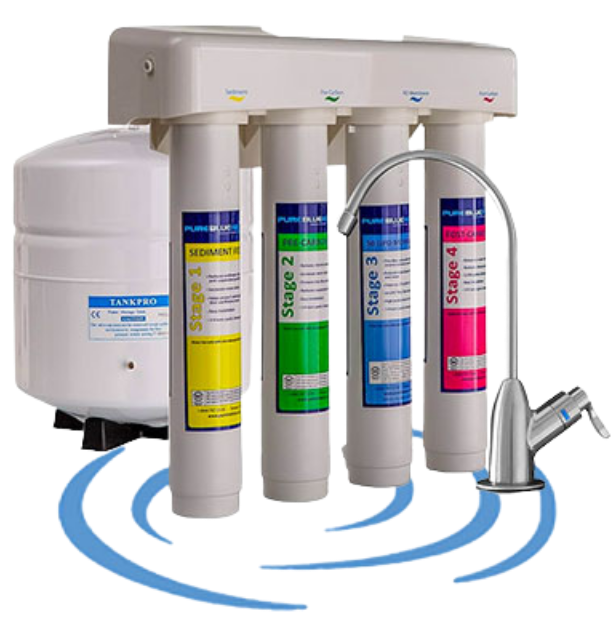
Get a free reverse osmosis drinking water system with the purchase of any whole-home water purification system.
*Cannot be combined with other offers. Mention this special when you call.