Reach Out Today
Please provide your email address so that we can stay in touch and answer any questions you have! We will be reaching back out shortly.


Hear from Our Customers

If you’ve lived in Santiago long enough, you already know the signs. The white crust around your faucet. The cloudy film on glasses fresh out of the dishwasher. The water heater that’s working harder than it used to. None of that is cosmetic — it’s calcium and magnesium from the Floridan Aquifer slowly doing damage to everything water touches in your home.
The Village of Santiago was built between 1999 and 2001. That’s more than two decades of hard water — running through your pipes, sitting in your water heater, cycling through your appliances every single day. At 10 to 15 grains per gallon, the Santiago area sits in the hard-to-very-hard range, and the effects compound over time. A water heater fighting scale buildup can lose up to 48% of its efficiency. When it finally fails, you’re looking at an average replacement cost of around $4,400.
A salt free TAC system doesn’t remove the minerals — it transforms them into microscopic crystals that pass through your plumbing without bonding to surfaces. Your appliances run cleaner. Your fixtures stay clearer. And you stop paying for damage that was entirely preventable. For a homeowner in Santiago on a fixed income, that’s not a luxury upgrade — it’s a practical decision that pays for itself.
We’re based in Leesburg — just up the road from Santiago — and have been serving Central Florida homeowners for more than five decades. We’re not a national brand running subcontractors through your neighborhood. We’re a local company with local technicians who know exactly what Floridan Aquifer water does to homes in Sumter County and throughout The Villages.
Our BBB A+ rating with zero complaints on record isn’t a marketing line — it’s a verifiable fact you can check yourself at bbb.org in about two minutes. In a market where companies like Leaf have built a reputation for selling systems and then vanishing when something goes wrong, that clean record means something real. We’re also a member of the National Water Quality Association, which requires passing comprehensive exams and committing to ongoing education — not just paying a membership fee.
If you’re a veteran, active military, or first responder, we offer a $500 discount available — no fine print. Santiago has one of the largest veteran populations in Florida, and that discount is a straightforward acknowledgment of that service.

It starts with a free water test. Before anything is recommended, one of our technicians comes to your Santiago home and tests your actual water — because hardness levels can vary depending on which utility zone you’re in, and your home’s plumbing history matters too. The Villages’ CDD utility system draws from Floridan Aquifer wells, and while the area broadly runs 10 to 15 GPG, getting a precise reading for your specific home is the only way to make the right call.
Once the test is done, you get a clear recommendation — not a sales pitch, not a menu of upsells. If a salt free TAC system is the right fit, we install it at your main water line. There’s no drain connection needed, no electrical hookup, and no wall penetrations beyond what’s already there. The system goes in cleanly, and because Santiago homes are on managed CDD municipal water rather than private wells, there’s typically no need for iron or sulfur pre-treatment, which keeps the installation straightforward.
After installation, the system runs without you touching it. There are no salt bags to haul, no regeneration cycles to schedule, and no monthly service calls required. The only thing on your calendar is a media replacement every five to seven years. That’s the entire maintenance burden — which, for a Santiago homeowner who moved here to stop dealing with maintenance headaches, is exactly the point.

Ready to get started?
The system we install uses Template Assisted Crystallization — TAC for short. It’s been independently tested under the DVGW Standard W512 protocol and shown to prevent scale formation at rates consistently above 90%. That’s not a manufacturer claim. It’s third-party verified data, and it puts TAC well ahead of magnetic and electronic descalers that get marketed as cheaper alternatives but don’t hold up under the same scrutiny.
For Santiago residents specifically, the sodium question matters. A large portion of homeowners here are managing blood pressure, heart conditions, or physician-recommended low-sodium diets. Traditional salt-based softeners add sodium to your treated water — a real concern that often gets glossed over at the point of sale. A TAC salt free conditioner adds zero sodium. The minerals stay in the water; they just can’t bond to your pipes or appliances anymore. That distinction is meaningful if your doctor has told you to watch your intake.
The system also produces no brine discharge and uses no electricity — which matters in a community like Santiago where the CDD manages its own wastewater infrastructure. You’re not adding salt-laden backwash to a system your neighbors share. And because there’s no moving parts and no consumables beyond the TAC media, the long-term cost of ownership is low. Most systems last 10 to 20 years. The homes in Santiago have another few decades ahead of them — and so does a properly installed salt free system.

Yes — and there’s data behind it, not just marketing language. Template Assisted Crystallization has been tested under the DVGW Standard W512 protocol, which is one of the most rigorous independent evaluations available for water conditioning technology. The results consistently show scale prevention rates above 90%, which is significantly higher than what magnetic or electronic descalers deliver under the same testing conditions.
Santiago draws from the Floridan Aquifer, which produces water in the 10 to 15 grains per gallon range — classified as hard to very hard. TAC technology is specifically effective at these hardness levels because it works by transforming calcium and magnesium into stable crystals that can’t adhere to pipe walls or heating elements. It doesn’t remove the minerals, but it neutralizes their ability to cause damage. For homes in Santiago that have been on this water for 20-plus years, the system starts working from day one — and existing light scale deposits can gradually break down over time as the treated water flows through.
A traditional salt-based water softener uses an ion exchange process — it pulls calcium and magnesium out of the water and replaces them with sodium ions. The result is soft water, but it comes with sodium added to every gallon that flows through your tap. For homeowners in Santiago managing blood pressure or following a low-sodium diet on physician’s orders, that’s not a minor footnote — it’s a genuine health consideration.
A salt free conditioner doesn’t remove anything. It uses TAC media to change the physical structure of the minerals so they can’t form scale. The water still contains calcium and magnesium — which are actually beneficial minerals — but they pass through harmlessly without bonding to your pipes, water heater, or appliances. You also skip the regeneration cycle, the salt bags, the brine discharge, and the ongoing cost of salt delivery. For most homeowners in Santiago on municipal CDD water with moderate-to-hard hardness levels, a salt free system handles the job cleanly without any of the trade-offs.
The homes in Santiago were built between 1999 and 2001, which means they’ve had more than two decades of Floridan Aquifer water running through them. At 10 to 15 grains per gallon, scale doesn’t wait — it builds gradually inside water heaters, dishwashers, washing machines, and the supply lines connecting them. Most homeowners don’t notice the damage until an appliance fails or a plumber points it out during a service call.
Water heaters in hard water homes typically show significant efficiency loss within the first few years of operation. Research from the Water Quality Research Foundation found that scale buildup can reduce water heater efficiency by up to 48%. In practice, that means your unit is running longer and working harder to heat the same amount of water — which shortens its lifespan and raises your utility bill. For a home that’s already 24 years old, the damage isn’t hypothetical. It’s already there. A salt free TAC system stops the accumulation going forward and, over time, can help reduce existing deposits as treated water cycles through the system.
The upfront cost of a professionally installed whole-house salt free system typically runs in the $2,000 to $5,000 range depending on your home’s size and plumbing configuration. That’s a real number, and it’s worth putting in context. The average water heater failure in a hard water home costs around $4,400 to replace. Repiping a home due to scale damage runs $4,000 to $15,000. And Florida homeowners in hard water areas spend an estimated $400 to $900 per year in excess maintenance and premature appliance replacement — costs that add up quietly over time.
Beyond the financial math, there’s a lifestyle fit argument that’s specific to Santiago. You moved to The Villages to stop managing maintenance. A salt free TAC system has no salt bags, no regeneration cycles, no monthly service appointments, and no electricity consumption. Once it’s installed, it runs. The only scheduled maintenance is media replacement every five to seven years. For a homeowner on a fixed income who wants to protect their home without adding another recurring task to their life, that combination of low maintenance and real protection is hard to argue against.
Interior whole-house water treatment systems installed at the main water line typically don’t trigger Architectural Review Committee review in The Villages, since the work is entirely inside your home and doesn’t affect the exterior appearance of the property. That said, The Villages operates through Community Development Districts with their own governing documents, and it’s always worth confirming with your specific district before any home modification.
Our installation team is experienced working in Santiago and throughout The Villages and understands the community’s standards. We can walk you through what the installation looks like, where the system is placed, and whether anything about your specific home’s configuration would require additional steps. The Village of Santiago falls under District 2, which covers approximately 989 acres in Sumter County — and installations in this area follow the same straightforward process used throughout the northern villages. If there’s anything specific to your address that needs attention, we’ll flag it before any work begins, not after.
Please provide your email address so that we can stay in touch and answer any questions you have! We will be reaching back out shortly.
"*" indicates required fields
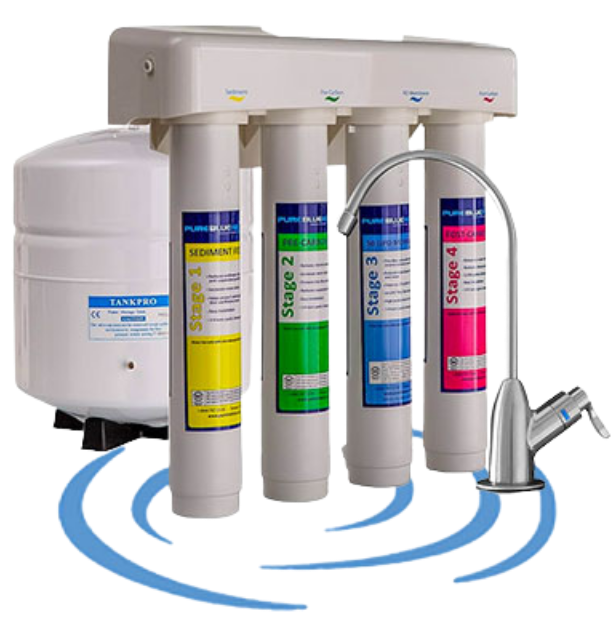
Get a free reverse osmosis drinking water system with the purchase of any whole-home water purification system.
*Cannot be combined with other offers. Mention this special when you call.