Reach Out Today
Please provide your email address so that we can stay in touch and answer any questions you have! We will be reaching back out shortly.


Hear from Our Customers
Your water heater stops working overtime. Scale quits building up on heating elements, which means your appliances aren’t straining to do their job anymore. You’ll see it first on your utility bills—less energy to heat water, fewer repairs on dishwashers and washing machines.
Your shower doors stay clearer longer. That chalky film and soap scum that used to show up days after cleaning? It doesn’t come back as fast because the minerals aren’t sticking to surfaces the same way.
Your skin and hair feel different. Hard water strips natural oils, leaving you dry and itchy. A salt-free water conditioner doesn’t remove minerals, but it changes how they behave in your water—so you’re not dealing with that stripped, uncomfortable feeling after every shower. Your laundry comes out softer, too, without that stiff, faded look hard water leaves behind.
We have an A rating with the Better Business Bureau and a 5-star rating with zero complaints. We’re members of the National Water Quality Association, and we’ve been helping Florida homeowners deal with hard water for over 50 years.
Saint Nicholas pulls water from the Floridan Aquifer, just like most of the state. That means you’re dealing with water hardness between 100 and 300 parts per million—enough to cause real problems in your plumbing and appliances over time. We test your water first, then design a system based on what’s actually in it and how much water your household uses.
We also offer a $500 discount for military members and first responders. If you’ve served, we want to make sure you’re taken care of.
A salt-free water conditioner doesn’t remove hardness minerals like calcium and magnesium. Instead, it uses a process called Template Assisted Crystallization. The system changes the structure of those minerals so they stay suspended in the water instead of sticking to your pipes, appliances, and fixtures.
Here’s what happens: as water flows through the conditioner, the minerals come into contact with a catalytic media. That media converts dissolved minerals into microscopic crystal structures that can’t bond to surfaces. The crystals stay in the water and wash down the drain instead of building up as scale inside your water heater or narrowing your pipes.
You don’t need electricity to run it. There’s no regeneration cycle, no drain line, and no water waste. The system installs in-line with your plumbing, treats all the water coming into your home, and works around the clock without you lifting a finger. Most systems last between 5 and 20 years depending on the quality of the media and your water conditions.

Ready to get started?
You get whole-house protection from scale without adding sodium to your water or creating wastewater. The system is compact—usually a single tank or cartridge, much smaller than the two-tank setup you’d see with a traditional water softener. It doesn’t take up much space, and it doesn’t need a drain line or electrical outlet nearby.
In Saint Nicholas and across Florida, some counties have implemented restrictions on traditional water softeners because of the salt and chloride they discharge into local water systems. A salt-free water conditioner gives you a way to protect your home without running into regulatory issues. You’re also not contributing chloride to rivers and streams, which matters if you care about local water quality and aquatic life.
Your water will feel different than it does with a salt-based softener. Some people prefer it. Traditional softeners add sodium and can make water feel slippery or slick. A water softener alternative keeps the natural texture of your water while still preventing the damage hard water causes. You’re not buying salt every few weeks, and you’re not using extra water or electricity to keep the system running.
No, it doesn’t soften water in the traditional sense. A salt-based water softener removes hardness minerals through an ion exchange process—it swaps calcium and magnesium for sodium. That’s what makes the water “soft.”
A salt-free system doesn’t remove those minerals. It conditions the water by changing the structure of the minerals so they don’t stick to surfaces and cause scale buildup. You still have hard water, technically, but it behaves differently. The minerals stay in the water and flow through your plumbing without attaching to pipes, heating elements, or fixtures.
If you’re testing your water after installing a salt-free conditioner, the hardness level will still show up the same. But you won’t see the same scale deposits forming in your water heater or on your shower doors. That’s the difference—it’s about preventing damage, not removing minerals.
You might, but usually less than before. Because the minerals are still in the water, they can leave some spotting when water evaporates on dishes or glassware. The difference is that the spots are typically easier to wipe off and don’t build up into that thick, chalky layer you get with untreated hard water.
A lot of people use a rinse aid in their dishwasher and find that takes care of most of the spotting. The minerals aren’t bonding as aggressively, so they don’t cling to glass the same way. You’ll notice the bigger improvements inside your appliances—on heating elements, in your water heater tank, and inside your washing machine—where scale buildup actually shortens the lifespan of the equipment.
If spot-free dishes are your main priority, a reverse osmosis system at the kitchen sink or a traditional water softener might be a better fit. But if you’re trying to protect your home’s plumbing and appliances without the maintenance and environmental impact of salt, a hard water conditioner does the job.
Almost none. There’s no salt to refill, no settings to adjust, and no regeneration cycle to monitor. Once it’s installed, it runs on its own. Most systems just need the media replaced every few years, depending on your water quality and usage. Some higher-end systems can go 10 to 20 years before the media needs changing.
You’re not dealing with the ongoing costs and labor that come with a traditional softener. No more hauling 40-pound bags of salt from the store. No more scheduling around regeneration cycles that waste water and spike your utility bill. The system doesn’t use electricity, so there’s nothing to plug in or worry about during a power outage.
If your water conditions change—say, your municipality switches sources or your well water shifts—it’s worth having your water tested again to make sure the system is still sized correctly. But day-to-day? You won’t even know it’s there.
Yes. That’s actually one of the main reasons people in Florida choose salt-free systems. Some counties have banned or restricted traditional water softeners because of the chloride they discharge into wastewater systems. That chloride doesn’t get filtered out at treatment plants, and it ends up in rivers and streams where it harms aquatic life.
A saltless water system doesn’t create any wastewater or discharge. It doesn’t add anything to the water, and it doesn’t remove anything that needs to be flushed out. That means it’s compliant in areas where traditional softeners aren’t allowed. You’re protecting your home without contributing to environmental issues or violating local regulations.
If you’re in Saint Nicholas or anywhere else in Florida and you’re not sure about local rules, we can walk you through what’s allowed in your area. We’ve worked with homeowners across the state who’ve run into softener bans, and a salt-free conditioner is usually the best alternative.
It depends on the quality of the system and your water conditions, but most salt-free conditioners last between 5 and 20 years. Higher-quality systems with better catalytic media tend to last longer. Traditional water softeners, by comparison, usually last 5 to 10 years before they need major repairs or replacement.
The media inside the conditioner is what does the work, and over time it can lose effectiveness depending on how hard your water is and how much water you use. When that happens, you replace the media or the cartridge—not the entire system. It’s a simpler, less expensive fix than replacing a softener’s resin tank or control valve.
Because there are no moving parts, no electrical components, and no salt cycling through the system, there’s less that can break down. You’re not dealing with worn-out seals, clogged injectors, or failed timers. The system is straightforward, and that’s part of why it lasts.
Please provide your email address so that we can stay in touch and answer any questions you have! We will be reaching back out shortly.
"*" indicates required fields
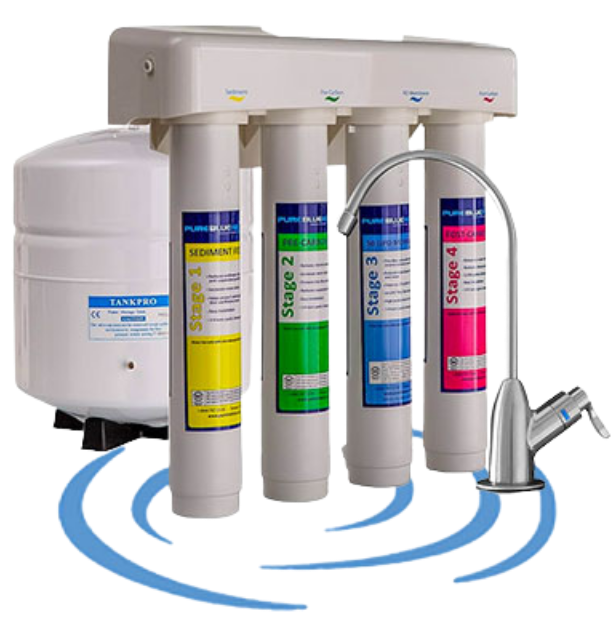
Get a free reverse osmosis drinking water system with the purchase of any whole-home water purification system.
*Cannot be combined with other offers. Mention this special when you call.