Reach Out Today
Please provide your email address so that we can stay in touch and answer any questions you have! We will be reaching back out shortly.


Hear from Our Customers
Your water heater stops working overtime. The heating element isn’t buried under a layer of calcium anymore, so it heats faster and uses less energy. Your dishwasher actually cleans dishes instead of baking on white spots. Shower doors stay clearer longer because the minerals don’t cling the same way.
A salt-free water conditioner doesn’t remove minerals—it changes them. Through template-assisted crystallization, calcium and magnesium transform into microscopic crystals that flow through your pipes instead of sticking to them. You keep the minerals (which aren’t harmful), but you lose the buildup.
This matters in Palm Valley, FL, where groundwater moves through limestone and picks up enough hardness to damage appliances and coat everything it touches. Most homes here measure well above seven grains per gallon. That’s enough to shorten the life of your water heater by years and double your scrubbing time in the bathroom.
The difference shows up fast. Your soap lathers better. Your skin doesn’t feel as dry. And when you look inside your water heater a year later, you don’t see the thick crust that used to form in months.
We have an A rating with the Better Business Bureau and five stars with zero complaints. We’re members of the National Water Quality Association, and we’ve been installing and servicing water treatment systems across Florida for over half a century.
We don’t sell plumbing services or water heaters. We focus entirely on water treatment—softening, filtration, and purification. That focus means we know these systems inside and out, and we service every major brand, not just what we sell.
Palm Valley homeowners deal with hard water that’s aggressive on appliances and frustrating in daily use. We’ve installed hundreds of salt-free water conditioner systems in Northeast Florida, and we know what works in coastal areas where septic systems are common and hurricane preparedness isn’t optional. We also offer a $500 discount for military members and first responders, because we support the people who serve this community.
We start with a water test. Hardness levels vary across Palm Valley, FL, and we need to know what you’re dealing with before recommending a system. Some homes have moderately hard water; others are pushing fifteen grains per gallon. The test tells us what size system you need and where it should go.
Once we know your water profile, we walk you through your options. A saltless water system installs on your main water line, usually near where water enters your home. It doesn’t need electricity, it doesn’t need a drain line, and it doesn’t take up much space. The media inside the tank is where the transformation happens—calcium and magnesium pass through and convert into crystals that won’t stick to surfaces.
Installation takes a few hours. We cut into your main line, install the system, and test everything to make sure flow and pressure stay where they should be. You’ll notice the difference within days—less spotting, less residue, and appliances that run quieter because they’re not fighting mineral buildup.
The system doesn’t need much attention. No salt to add, no settings to adjust, no backwash cycles to program. Every few years, the media may need replacement depending on your water quality and usage, but that’s the extent of it. You’re not maintaining it monthly like you would with a traditional water softener.

Ready to get started?
You get a system that works during power outages. When hurricanes roll through Northeast Florida and the power goes out for days, your salt-free water conditioner keeps running. There’s no brine tank to worry about, no electronic controls that need electricity, and no regeneration cycle that stops mid-process and leaves you with hard water until the power comes back.
You also get a system that’s safe for septic tanks. Many Palm Valley, FL homes rely on septic systems, and salt discharge from traditional softeners can disrupt the bacterial balance that keeps your septic tank functioning. A saltless water system doesn’t discharge anything—no brine, no wastewater, no sodium. It’s a closed system that treats water as it flows through.
Your appliances benefit immediately. Water heaters are the first to show improvement because they’re hit hardest by scale. A descaler system prevents new buildup, and over time, existing scale starts to break down. That means your water heater uses less energy, heats faster, and lasts years longer. Dishwashers, washing machines, and even your coffee maker see the same benefit.
Florida’s coastal environment already exposes your home to salt air. Adding more sodium to your water through a traditional softener isn’t ideal, especially if you’re trying to reduce your environmental impact or comply with local water use regulations. Some areas in Florida have started restricting salt-based systems due to the chloride levels in wastewater. A salt-free water conditioner sidesteps that issue entirely while still protecting your home from hard water damage.
It conditions water, not softens it. The distinction matters because the minerals stay in your water—they just don’t behave the same way.
Traditional water softeners use ion exchange to remove calcium and magnesium and replace them with sodium. That’s true softening, and it changes the way water feels and tastes. A salt-free system uses template-assisted crystallization to convert those minerals into crystals that don’t stick to surfaces. The hardness is still there if you test it, but it doesn’t cause scale buildup in your pipes or on your fixtures.
Some people prefer this approach because the water doesn’t feel slick or taste salty. You keep the natural mineral content, which some believe is better for drinking water, and you avoid adding sodium to your diet. If you have high blood pressure or you’re on a low-sodium diet, that can matter.
The tradeoff is that a salt-free water conditioner won’t eliminate every hard water issue. If you want zero spots on your glassware or you want your soap to lather like you’re using distilled water, a traditional softener does that better. But if your main goal is protecting your appliances, reducing scale, and avoiding the maintenance and environmental impact of a salt-based system, a water descaler system handles that without the drawbacks.
Most saltless water systems last between ten and twenty years, depending on your water quality and how much water you use. That’s longer than traditional softeners, which typically need replacement every five to ten years.
The media inside the tank does most of the work, and it doesn’t wear out as fast as resin beads in a salt-based system. Resin degrades over time, especially in areas with high chlorine or iron content. The catalytic media in a salt-free system is more durable and doesn’t go through the same chemical stress during regeneration cycles—because there are no regeneration cycles.
In Palm Valley, FL, where water hardness is high and usage is steady, you’ll likely get twelve to fifteen years out of a quality system before the media needs replacing. Some systems allow you to replace just the media, which costs less than replacing the entire unit. Others are designed as sealed systems, so when the media is spent, you replace the whole tank.
Regular water testing helps you know when performance starts to drop. If you notice scale returning or your appliances aren’t running as efficiently, that’s a sign the media may be losing effectiveness. We can test your water and inspect the system to see if it’s time for service or replacement. Proper installation and occasional inspection extend the life of the system significantly, so it’s worth having someone who knows these systems check it every few years.
It depends on how hard your water is and what you’re trying to accomplish. Salt-free water conditioners handle moderate to high hardness well—up to about twenty-five grains per gallon in most cases. Beyond that, you may need a larger system or a different approach.
Palm Valley, FL water typically falls in the seven to twelve grains per gallon range, which is well within the effective range for a saltless water system. If your water tests higher—say, fifteen or twenty grains—you’ll want a system sized appropriately for that load. Undersizing a salt-free system in high-hardness conditions means the media gets overwhelmed and scale prevention drops off.
If your water is extremely hard (above twenty-five grains per gallon), a traditional water softener may be the better choice. Salt-based systems can handle any hardness level because they physically remove the minerals. A salt-free system only changes the minerals’ structure, and there’s a limit to how much it can process before efficiency declines.
The other factor is what you’re trying to fix. If your main concern is protecting your water heater, dishwasher, and plumbing from scale, a water descaler system works even in higher hardness ranges. If you also want softer-feeling water, better soap lather, and zero spotting on dishes, you may need to combine a salt-free conditioner with a reverse osmosis system at your drinking water tap or consider a traditional softener despite the maintenance and environmental concerns. We test your water first and recommend what makes sense for your situation, not what’s easiest to sell.
Very little. You’re not buying salt, you’re not scheduling regeneration cycles, and you’re not replacing filters every few months. The system runs passively, and the media inside lasts years before it needs attention.
The main maintenance is occasional inspection. We recommend having someone check the system every two to three years to make sure water pressure is stable, the tank isn’t leaking, and the media is still performing. If your water quality changes—say, your city switches water sources or your well starts pulling harder water—that can affect how long the media lasts.
Some systems include a pre-filter to catch sediment before it reaches the conditioning media. If yours has one, you’ll need to replace that filter once or twice a year depending on your water quality. It’s a simple swap, and the filters are inexpensive. Sediment buildup can reduce flow and put extra strain on the media, so keeping that pre-filter clean extends the life of the whole system.
Compared to a traditional water softener, the cost difference is significant. Salt runs $5 to $10 per bag, and most homes go through one or two bags a month. That’s $60 to $240 a year just in salt, plus the water wasted during regeneration cycles. A salt-free water conditioner has no recurring costs beyond occasional media replacement, which might happen once every ten years. Over the life of the system, you’re saving hundreds of dollars and a lot of hassle.
You can install one yourself if you’re comfortable cutting into your main water line and soldering or using compression fittings. But most people hire a professional because the installation needs to be right the first time, and mistakes can cause leaks, pressure drops, or poor performance.
The system installs on your main water line, usually right after the pressure tank if you have a well, or right after the meter if you’re on city water. You’ll need to shut off your water, cut the line, and install the tank in-line with the flow. Some systems use push-to-connect fittings, which are easier for DIY installation. Others require soldering copper or threading galvanized pipe, which takes more skill and tools.
Sizing matters too. If you install a system that’s too small for your household’s water usage, it won’t condition the water effectively and you’ll still get scale buildup. If you install one that’s too large, you’re spending more than you need to and the water may not flow through the media long enough for the conditioning process to work. We measure your flow rate, test your water hardness, and recommend the right size system for your home.
In Palm Valley, FL, we also consider your plumbing setup. Some homes have older galvanized pipes that are already narrowed by corrosion. Adding a conditioning system without accounting for that can drop your water pressure noticeably. We check your existing pressure, measure your pipe diameter, and make sure the installation won’t create new problems. If something goes wrong with a DIY install—like a leak that damages your floor or a pressure drop that affects your whole house—the cost to fix it usually exceeds what you would’ve paid for professional installation in the first place.
Please provide your email address so that we can stay in touch and answer any questions you have! We will be reaching back out shortly.
"*" indicates required fields
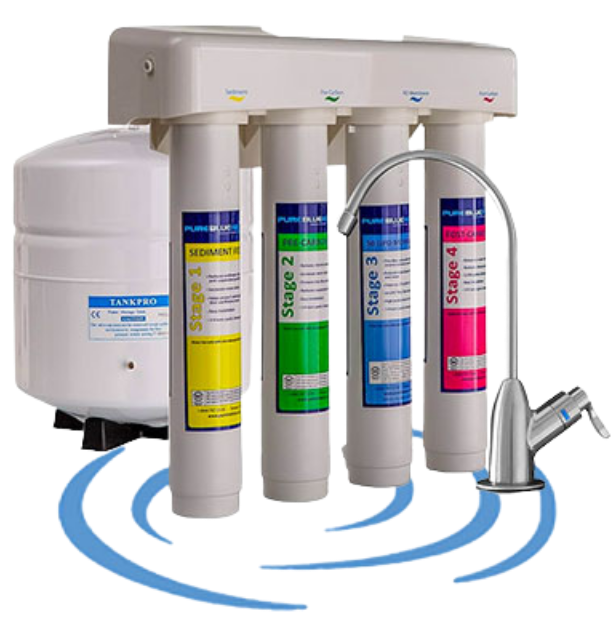
Get a free reverse osmosis drinking water system with the purchase of any whole-home water purification system.
*Cannot be combined with other offers. Mention this special when you call.