Reach Out Today
Please provide your email address so that we can stay in touch and answer any questions you have! We will be reaching back out shortly.


Hear from Our Customers

The white crust on your faucets isn’t cosmetic. It’s calcium and magnesium from the Floridan Aquifer — the same source that supplies water to roughly 10 million Floridians — and at around 180 parts per million, Marion County’s water is hard enough to quietly shorten the life of every water-using appliance in your Pallo Alto home. Water heaters lose up to 48% of their efficiency under scale buildup. In a Pallo Alto home built in 1996, that damage has had close to three decades to accumulate.
A salt free system using Template Assisted Crystallization changes that. The minerals are still there — they just get converted into a microscopic crystalline form that can’t stick to your pipes, your water heater, or your shower glass. You don’t remove the hardness, you neutralize it. No scale forms. No appliances degrade ahead of schedule. No $2,000 water heater replacement call because the unit gave out at year 12 instead of year 20.
For residents in the Up North zone of The Villages, there’s another layer to this. Older homes near the Marion County line are more likely to be on septic systems, and salt-based softeners discharge brine that disrupts the bacterial balance those systems depend on. A salt free system produces zero discharge. It runs without electricity, without a drain connection, and without any ongoing maintenance beyond a media replacement every five to seven years. That’s it. The Villages lifestyle is built around freedom from obligation — your water treatment should match that.
We’re based in Leesburg — about 20 miles from Pallo Alto — and have been solving Central Florida’s water quality problems for more than five decades. We know the Floridan Aquifer. We know what Marion County’s hardness profile does to a Pallo Alto home’s plumbing over time. And we stand behind what we sell.
Our A+ Better Business Bureau rating carries zero complaints on record. That’s not a number we’re managing — it’s a reflection of how we operate. We’re also members of the National Water Quality Association, which means we follow a formal code of ethics and stay current on industry standards. When neighbors at the Pallo Alto Club or the Tierra del Sol Recreation Center start comparing notes on contractors, that kind of record travels fast.
We don’t do plumbing. We don’t do water heaters. Water treatment is the only thing we do — which means every technician who comes to your Pallo Alto home is there for one reason and knows exactly what they’re doing.

It starts with a free water test. Before anything is recommended or priced, one of our technicians comes to your Pallo Alto home and tests your water directly. In Pallo Alto, that typically confirms hardness in the range of 180 ppm — but the test also checks for iron, chlorine, pH, and other factors that affect which system configuration is right for your specific home. A 1,400 square foot villa and a 2,600 square foot home with two full baths have different flow rate demands, and we size the system accordingly.
Once the right configuration is confirmed, installation is straightforward. The whole-house TAC system installs at the main water line — usually near your water heater or utility area — and requires no electrical connection, no drain line, and no modifications to your existing plumbing beyond the inlet and outlet connections. Most installations in Pallo Alto are completed in a few hours. There’s no curing time, no waiting period. Your water is conditioned from the moment the system goes live.
After installation, there’s genuinely not much to do. No salt to buy, no regeneration cycles to schedule, no monthly service visits. Media replacement happens every five to seven years. If you have a question or something seems off, you call the same Leesburg-based team that installed the system — not a national call center, not a subcontractor dispatch line. The same people who did the work are the ones who pick up.
Ready to get started?
Every installation starts with an on-site water test — not a generic Marion County hardness estimate, but a real reading from your Pallo Alto tap. From there, we size the system to match your home’s actual flow rate and usage. Pallo Alto homes range from under 1,500 to over 2,600 square feet, and the system configuration accounts for that difference. Undersizing a TAC system is one of the most common mistakes in the industry, and it’s something we address before a single fitting is tightened.
The whole-house salt free conditioner is installed at the point of entry, meaning every faucet, shower, appliance, and water line in your home is covered from a single system. No under-sink add-ons required for basic scale prevention. If your water test reveals elevated chlorine, iron, or other concerns beyond hardness — which is common in parts of The Villages utility system — we can integrate additional filtration stages into the same installation. The goal is one clean solution, not a patchwork of filters under every sink.
For Pallo Alto residents who are veterans or active first responders, we offer a $500 discount on whole-house systems. The Villages has one of the highest concentrations of veterans of any community in Florida, and that discount is a straightforward acknowledgment of that service — applied directly to the project cost, no hoops to jump through. We’re also involved with the Tunnels to Towers Foundation, which supports the families of fallen first responders and veterans. If that matters to you when choosing who comes into your home, it’s worth knowing.
It’s a fair question, and the skepticism is warranted — the water treatment market has no shortage of magnetic gadgets and electronic descalers that make big claims and deliver almost nothing. Template Assisted Crystallization is different, and the evidence for it is independent and specific. Testing under the DVGW Standard W512 protocol — the most rigorous non-salt conditioner testing methodology in use — confirmed TAC technology prevents mineral scale at over 90% effectiveness. That’s not a manufacturer’s number. It’s third-party verified.
What TAC does is convert dissolved calcium and magnesium into microscopic crystite crystals that stay suspended in the water rather than bonding to surfaces. The hardness is still technically present in the water — it just can’t adhere to your pipes, your water heater liner, or your shower walls. For a Pallo Alto home that’s been on Marion County’s 180 ppm water supply since 1996, that means no new scale accumulates from the day the system goes in. It won’t reverse 28 years of existing buildup overnight, but it stops the ongoing damage that’s been shortening your appliances’ lives every single day.
A traditional salt-based water softener works through ion exchange — it pulls calcium and magnesium out of the water and replaces them with sodium ions. The water leaving the softener is genuinely soft, but it contains added sodium, it requires a brine tank, and it discharges a salt-heavy backwash into your drain system on a regular regeneration cycle. For homes in the Up North zone of The Villages that are on septic systems, that brine discharge is a real problem — it disrupts the bacterial environment your septic system depends on to function.
A salt free TAC conditioner doesn’t remove anything from the water. It changes the form of the calcium and magnesium so they can’t stick to surfaces. No sodium is added. No brine is discharged. No electricity is used. No regeneration cycle runs at 2 a.m. The water coming out of your tap still contains the same minerals — they’re just neutralized as a scaling threat. For residents managing blood pressure or on low-sodium diets, the zero-sodium output is a meaningful health consideration, not a minor footnote.
Marion County’s water hardness runs around 180 parts per million, or roughly 10.5 grains per gallon. The Water Quality Association classifies anything above 120 ppm as “hard” and anything above 180 ppm as “very hard” — so Pallo Alto sits right at the upper edge of the hard water range. That’s enough to cause visible scale on faucets and showerheads, reduce water heater efficiency measurably, cloud glassware coming out of the dishwasher, and leave a film on shower doors that no amount of scrubbing fully removes.
Whether it’s “bad enough” to treat depends on your priorities. If your Pallo Alto home was built in 1996 — which covers most of the neighborhood — your plumbing and appliances have had close to three decades of exposure. Hard water scale reduces water heater efficiency by up to 48% and contributes to early failure, with 75% of water heaters in hard water homes failing by year 12. A water heater replacement in The Villages runs $1,500 to $3,000. Viewed against that, a whole-house salt free system is less a luxury purchase and more a straightforward home protection decision.
In almost every case, yes. TAC salt free systems install at the main water line and integrate with standard residential plumbing without requiring modifications to your existing pipe layout. Pallo Alto homes built in 1996 typically use copper or CPVC plumbing — both of which are fully compatible with TAC system installation. The system itself requires no electrical connection and no drain line, so there’s no need to run new wiring or create a discharge point.
The one variable worth noting is pipe condition. In homes with significant existing scale buildup — which is common in nearly 30-year-old properties on hard water — the interior of older copper pipes may already have some mineral accumulation. A TAC system stops new scale from forming immediately, and over time, slightly acidic water chemistry can begin to loosen existing deposits. In most cases this is gradual and harmless. If your home has very old galvanized pipes or visible corrosion issues, a technician will flag that during the initial water test and walk you through what it means for your specific situation before any work is done.
Yes, and it’s one of the most practical reasons Pallo Alto residents choose salt free over traditional softening. A standard salt-based water softener adds sodium to every gallon of water it processes — the exact amount depends on your incoming hardness level, but at Marion County’s 180 ppm, the sodium contribution is meaningful enough that it shows up on the label of bottled water processed through a softener. For residents managing hypertension, heart conditions, or any doctor-recommended sodium restriction, that’s not a trivial concern.
A salt free TAC system adds nothing to your water. The minerals are restructured, not replaced. Your water chemistry leaving the system is essentially identical to what entered it, minus the scaling behavior. You get the appliance protection and the clean fixtures without any change to what you’re actually drinking or cooking with. For a community where a significant portion of residents are 65 or older and actively managing their health, that distinction matters. It’s worth mentioning to your doctor if you’re currently on a softener and have been advised to watch your sodium intake.
Please provide your email address so that we can stay in touch and answer any questions you have! We will be reaching back out shortly.
"*" indicates required fields
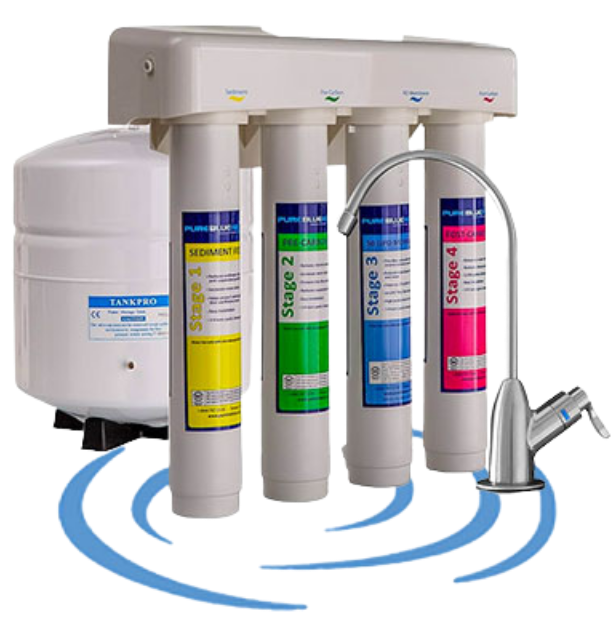
Get a free reverse osmosis drinking water system with the purchase of any whole-home water purification system.
*Cannot be combined with other offers. Mention this special when you call.