Reach Out Today
Please provide your email address so that we can stay in touch and answer any questions you have! We will be reaching back out shortly.


Hear from Our Customers
You stop seeing white spots on your glassware. Your shower doors don’t get that chalky film anymore. Soap actually rinses off instead of mixing with minerals and sticking around as scum.
Your water heater doesn’t work as hard because scale isn’t building up on the heating elements. That means lower energy bills and fewer service calls. Same goes for your dishwasher, washing machine, and any other appliance that touches water.
The difference shows up in how long things last. A tankless water heater that would normally need descaling every year might go three or four without it. Your pipes stay clear. Water pressure stays consistent. You’re not replacing faucet aerators or showerheads because they’ve clogged up with mineral deposits.
And if a hurricane knocks out power, your system keeps working. No electricity needed. No regeneration cycle to worry about. It just keeps doing its job.
We have an A rating with the Better Business Bureau and five stars with zero complaints. We’re members of the National Water Quality Association. We’ve been doing this for over 50 years, and we’re still here because we do the work right.
Oyster Creek sits in an area where groundwater moves through limestone, picking up calcium and magnesium along the way. That’s why your water is hard. It’s not unsafe, but it causes problems—and we know exactly how to handle them without adding salt to your system or your septic tank.
We test your water first. Then we size the system based on what’s actually in your water and how much you use. Every install is custom, and we don’t leave until it’s working the way it should.
We start with a water test at your home. That tells us your hardness level, what minerals are present, and whether there are other issues we need to address. Most homes in Oyster Creek fall somewhere between 7 and 12 grains per gallon, which is in the hard to very hard range.
Once we know what we’re dealing with, we recommend a salt-free water conditioner system sized for your household. The system uses Template Assisted Crystallization—TAC media that transforms calcium and magnesium into microscopic crystals. Those crystals stay in your water, but they don’t stick to surfaces. They just flow through your pipes and down the drain.
Installation happens at your main water line. The system doesn’t need electricity, doesn’t need a drain line for backwash, and doesn’t require programming. Once it’s in, it works. No regeneration cycles. No downtime. No maintenance for years.
You’ll notice the difference within a few weeks. Existing scale starts to break down. New scale stops forming. Your appliances run cleaner, and your fixtures stay clearer.

Ready to get started?
You’re not buying salt every month. That’s $100 to $200 a year you’re not spending, and you’re not hauling 40-pound bags from the car to the garage. The system uses no electricity, so there’s no added cost to your power bill. And because there’s no backwash cycle, you’re not sending hundreds of gallons of water down the drain every week.
Florida has restrictions in some areas on salt discharge because of the impact on septic systems and local water supplies. A saltless water system doesn’t produce brine, so it’s compliant everywhere. If you’re on a septic tank, that’s a big deal—salt can interfere with the bacterial process that breaks down waste.
The system is also hurricane-ready. When power goes out, traditional softeners stop working. A salt-free conditioner keeps running because it doesn’t need electricity. That’s one less thing to worry about when a storm rolls through.
And because the system doesn’t strip minerals out of your water, you’re still getting calcium and magnesium in your drinking water. Those are good for you. A traditional softener replaces them with sodium, which some people need to avoid for health reasons. A hard water conditioner leaves them in and just changes their form so they don’t cause scale.
A traditional water softener removes calcium and magnesium from your water using an ion exchange process. It swaps those minerals for sodium, which is why softened water feels slick and tastes slightly salty. The system needs salt, electricity, and regular regeneration cycles that use water and create brine discharge.
A salt-free water conditioner doesn’t remove minerals. It uses Template Assisted Crystallization to change the structure of calcium and magnesium so they form crystals instead of scale. Those crystals stay in your water, but they don’t stick to pipes, appliances, or fixtures. The water still has minerals in it, which is better for drinking and better for septic systems.
The result is similar in terms of scale prevention—99.6% effective, according to testing—but the process is completely different. No salt. No electricity. No waste water. No sodium added to your drinking water. It’s a water softener alternative that works well in Florida, especially for homes on septic systems or in areas with brine discharge restrictions.
Yes. Florida water ranges from moderately hard to very hard depending on where you are. Oyster Creek typically sees hardness levels between 7 and 12 grains per gallon. A properly sized salt-free conditioner handles that without any issue.
The key is sizing the system correctly based on your actual water test results and your household’s daily water usage. That’s why we test first and then recommend a system. If your water is extremely hard—above 15 grains per gallon—we’ll tell you that upfront and talk through your options. In most cases, a saltless water system works just fine.
The TAC media inside the system is rated to handle hardness levels common in Florida. It’s been tested in coastal environments, in homes with well water, and in municipal systems. As long as the system is installed correctly and sized appropriately, it does the job. You’ll see less scale, cleaner fixtures, and longer appliance life.
Very little. The system doesn’t need salt, so there’s nothing to refill. It doesn’t use electricity, so there’s no power cost. And because it doesn’t have a regeneration cycle, there’s no water waste or brine discharge to manage.
The only maintenance is replacing the TAC media inside the tank, and that typically happens every five to seven years depending on your water quality and usage. It’s not something you do yourself—we handle it when the time comes. Other than that, the system runs on its own.
Compare that to a traditional softener, where you’re buying salt monthly, checking brine levels, cleaning the tank, and occasionally dealing with a stuck valve or a regeneration cycle that didn’t complete. A water descaler system is simpler. It just works, and it keeps working without much attention from you.
Yes. A salt-free water conditioner doesn’t need electricity to operate. It’s a passive system—water flows through the TAC media, the crystallization happens, and the water continues to your fixtures and appliances. No power required at any point.
That makes it ideal for Florida, where hurricanes and summer storms can knock out power for days. Your water treatment keeps working even when the lights are off. You still have scale protection, and you’re not dealing with a softener that’s offline or a regeneration cycle that got interrupted.
Traditional softeners need electricity to run the control valve and manage the regeneration process. When the power goes out, they stop working. If you lose power for an extended period, you’re back to untreated hard water until the system comes back online. A saltless water system doesn’t have that problem. It’s one less thing to worry about when you’re preparing for a storm or dealing with the aftermath.
Yes, and it’s actually better for septic systems than a traditional softener. Septic tanks rely on bacteria to break down waste. Salt from a water softener can interfere with that bacterial process, especially if you’re adding hundreds of gallons of brine to the system every week during regeneration cycles.
A salt-free conditioner doesn’t produce any brine. It doesn’t discharge anything into your septic tank except regular household water with minerals still in it. Those minerals don’t harm the septic system—they’re naturally occurring and flow through without issue.
Florida has a lot of homes on septic, especially in areas like Oyster Creek. If you’re one of them, a hard water conditioner is a smarter choice than a salt-based softener. It protects your plumbing and appliances without putting extra strain on your septic system or requiring special drainage considerations. Some municipalities have restrictions on salt discharge for this exact reason, and a saltless system keeps you compliant without any extra steps.
Please provide your email address so that we can stay in touch and answer any questions you have! We will be reaching back out shortly.
"*" indicates required fields
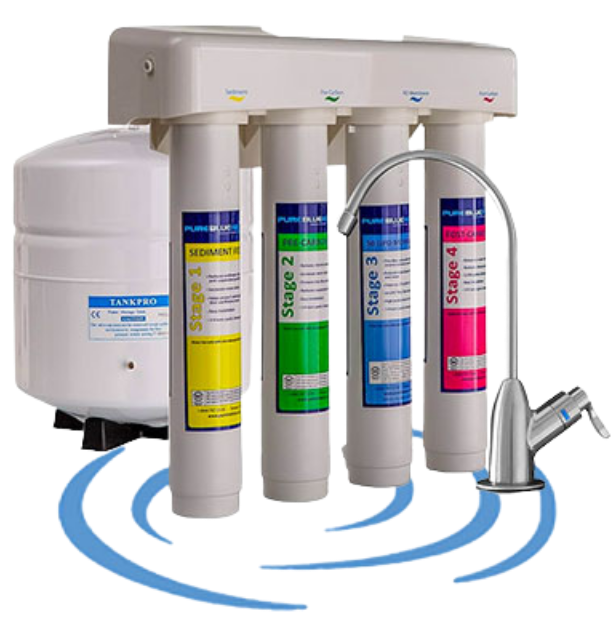
Get a free reverse osmosis drinking water system with the purchase of any whole-home water purification system.
*Cannot be combined with other offers. Mention this special when you call.