Reach Out Today
Please provide your email address so that we can stay in touch and answer any questions you have! We will be reaching back out shortly.


Hear from Our Customers
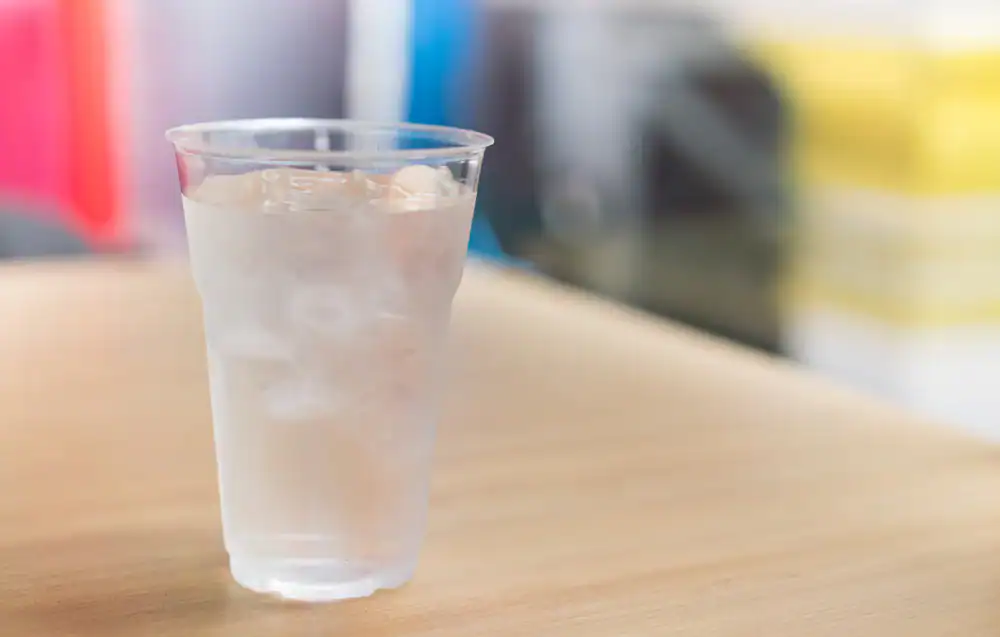
Your water heater stops collecting that white, crusty buildup on the heating element. That alone can add three to five years to its life. Your dishwasher and washing machine run cleaner, and you’re not scrubbing soap scum off shower doors every weekend.
The difference shows up in your energy bill, too. When scale coats your pipes and appliances, everything works harder. Water flows slower, heaters strain to warm up, and pumps run longer than they should.
A salt-free water conditioner uses Template Assisted Crystallization to turn hardness minerals into microscopic crystals that flow through your system instead of sticking to it. You’re not removing calcium and magnesium from the water. You’re changing their structure so they can’t bond to surfaces. That means you keep the minerals that are actually good for you, and your plumbing stays protected.
Old City South sits in Central Florida, where municipal water regularly tests between 150 and 250 ppm for hardness. That’s enough to damage appliances, clog aerators, and leave spots on everything. A saltless water system handles that load without electricity, without backwash cycles, and without adding sodium to your drinking water.
We’ve been installing water treatment systems across North and Central Florida since the 1970s. We’re BBB accredited with an A-rating and a 5.0 customer review score. We’re also members of the National Water Quality Association, which means our team stays current on certifications, technology, and best practices.
We don’t sell plumbing services or water heaters. We focus on water treatment, and we actually service what we install. That’s not always the case with national companies operating in Florida.
Old City South homeowners deal with hard water, chlorine, and the occasional sulfur smell depending on where their water comes from. We’ve seen it all, and we know what works in this area. If you’re on a septic system or you’re just tired of hauling salt bags, a water softener alternative makes sense here.
We start with a water test. You need to know what’s in your water before you treat it. Hardness levels, chlorine, pH, iron, sulfur—it all matters. In Old City South, most homes are dealing with hardness in the 150 to 250 ppm range, but we test to confirm.
Once we know what we’re working with, we recommend a system that fits your household size, water usage, and specific water quality. A salt-free water conditioner installs on your main line, usually in the garage or utility area. It treats all the water coming into your home before it reaches your fixtures and appliances.
The media inside the tank is where the magic happens. As water flows through, calcium and magnesium ions bond to the media surface and form crystals. Those crystals release back into the water, but now they’re in a form that won’t stick to your pipes or heating elements. The process is continuous—no timers, no regeneration cycles, no downtime.
After installation, you’re done. The media lasts five to seven years depending on your water conditions. There’s no salt to add, no settings to adjust, and no wastewater going down the drain. You just use your water.

Ready to get started?
A whole-house salt-free system treats every drop of water that enters your home. That includes your kitchen, bathrooms, laundry, and outdoor hose connections. You’re protecting everything at once.
The system itself doesn’t need electricity, so it keeps running during power outages. It doesn’t waste water during a regeneration cycle because there isn’t one. And because it’s not discharging salt, it’s safe for septic systems and better for Florida’s environment. Some municipalities in the state have started restricting salt discharge, and that trend is likely to continue.
In Old City South and the surrounding Central Florida area, homes near the coast also deal with salt air. Adding more sodium to your water through a traditional softener isn’t ideal. A saltless water system gives you scale protection without compounding that issue.
You’ll also notice your soap and shampoo lather better. Even though the minerals are still in the water, the crystals don’t interfere with cleaning the way bonded hardness does. Your skin and hair feel different—not slippery like softened water, but cleaner. And you’re not drinking water with elevated sodium, which matters if you’re watching your intake for health reasons.
No, and that’s an important distinction. A traditional water softener removes calcium and magnesium through an ion exchange process and replaces them with sodium. That’s true softening, and it changes the way water feels—slicker, almost soapy.
A salt-free water conditioner doesn’t remove those minerals. It changes their structure so they don’t form scale. The water still contains calcium and magnesium, but those minerals are suspended as crystals instead of ions. They flow through your plumbing without bonding to surfaces.
You won’t get that slippery feel in the shower, and you might still see some spotting on glassware if you let it air dry. But your pipes stay clear, your appliances last longer, and you’re not adding sodium to your water. For most people in Old City South dealing with moderately hard water, that tradeoff makes sense.
The Template Assisted Crystallization media typically lasts between five and seven years before it needs replacement. That lifespan depends on your water quality, hardness level, and daily usage. Homes with extremely hard water or high iron content may see shorter media life.
When the media does need replacing, it’s a straightforward service call. We swap out the old media, test the system, and you’re back in business. There’s no ongoing maintenance between those replacements—no salt to add, no settings to monitor, no cleaning cycles to run.
Compare that to a traditional softener, where you’re buying salt every few weeks and dealing with occasional resin cleaning or valve repairs. The upfront cost of a salt-free system is similar, but the long-term maintenance is significantly lower. Over a 10-year period, you’re saving money and time.
Yes, and it’s actually one of the better options if you have a septic system. Traditional water softeners discharge salt brine during regeneration, and that can interfere with the bacterial balance in your septic tank. High sodium levels slow down the breakdown of waste, which means your tank fills up faster and needs pumping more often.
A salt-free water conditioner doesn’t discharge anything. It treats water as it flows through, with no backwash and no brine. Your septic system operates normally, and you’re not introducing chemicals or salt that could throw off the biology.
In Old City South and surrounding areas, a lot of homes still rely on septic. If that’s your situation, a saltless water system protects your plumbing and appliances without creating problems downstream. It’s one less thing to worry about.
Nothing changes. A salt-free water conditioner doesn’t use electricity, so it keeps working when the power goes out. Water flows through the media, gets treated, and comes out the other side just like it normally would.
Traditional softeners, on the other hand, rely on electric valves and timers to control regeneration cycles. If the power’s out for an extended period, you might lose your settings or miss a scheduled regeneration. Some units have battery backups, but those eventually run out.
With a salt-free system, there’s no timer, no valve, and no control head that needs power. It’s a passive treatment process. As long as you have water pressure, the system works. That’s a real advantage in Florida, where storms and outages aren’t exactly rare.
You can technically install one yourself if you’re comfortable with basic plumbing, but most people hire a professional. The system needs to be sized correctly for your home’s water usage and flow rate. If it’s undersized, you won’t get adequate treatment during peak demand. If it’s oversized, you’re spending more than you need to.
There’s also the question of placement. The unit should go on your main water line after the pressure tank (if you have one) but before any branch lines. You need enough clearance for the tank, room to work if the media ever needs replacing, and proper support so the weight doesn’t stress your pipes.
We handle the installation, test the water before and after, and make sure everything’s dialed in. You get a system that’s properly sized, correctly installed, and covered under warranty. If something goes wrong a year from now, we’re the ones who come back and fix it. That’s worth the cost of professional installation for most homeowners in Old City South.
Please provide your email address so that we can stay in touch and answer any questions you have! We will be reaching back out shortly.
"*" indicates required fields
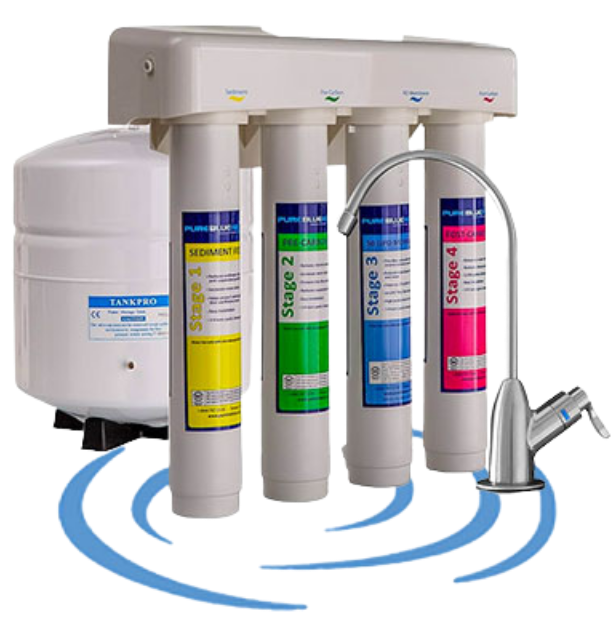
Get a free reverse osmosis drinking water system with the purchase of any whole-home water purification system.
*Cannot be combined with other offers. Mention this special when you call.