Reach Out Today
Please provide your email address so that we can stay in touch and answer any questions you have! We will be reaching back out shortly.


Hear from Our Customers
Your faucets stay cleaner longer. The white crusty buildup around fixtures stops forming every few days. Your shower doors don’t develop that thick soap scum film that requires scrubbing twice a week.
Your water heater runs more efficiently because scale isn’t coating the heating elements. Your dishwasher and washing machine last years longer. The mineral deposits that normally clog showerheads and reduce water pressure throughout your home get neutralized before they can stick.
Here’s what changes: the calcium and magnesium in Ocala Ridge’s naturally hard water stay in the water, but they lose their ability to bond to surfaces. You still get the minerals—just not the damage. No salt means no sodium added to your drinking water, no heavy bags to haul, and no brine discharge into your septic system or yard. The system runs without electricity, uses no water for backwashing, and requires virtually no maintenance after installation.
We’ve served Central Florida homeowners for over 50 years. We’re members of the National Water Quality Association and hold an A+ rating with the Better Business Bureau—with a 5-star rating and zero complaints.
We’re not a national franchise that disappears after installation. We’re Florida-based, and we understand what the Floridan Aquifer does to your water as it filters through limestone and dolomite. That geological reality is why Ocala Ridge homes deal with some of the hardest water in the state—and why we’ve spent decades developing solutions that actually work here.
We offer a $500 discount to military members and first responders. We also support the Tunnels to Towers Foundation because we believe in serving the people who serve our communities.
First, we test your water. Not a basic hardness test—a full analysis that shows us exactly what’s in your supply and at what levels. Ocala Ridge water comes from deep aquifer sources that pull through calcium-rich rock formations, so every home’s water chemistry is slightly different depending on depth and location.
Once we know what we’re working with, we design a system specific to your home’s water usage and the contamination levels we found. The salt-free conditioner installs on your main water line. As water flows through, the system changes the structure of the hardness minerals using a catalytic process—not filtration, not ion exchange. The calcium and magnesium crystals lose their ability to stick to pipes, appliances, and fixtures.
You don’t add anything. You don’t program anything. The system doesn’t use electricity or waste water through backwash cycles like traditional softeners. After installation, it runs on its own. No salt to buy, no settings to adjust, no tanks to clean. You get the benefits of conditioned water without the ongoing costs and maintenance that come with salt-based softening.

Ready to get started?
You get a free water analysis before anything else happens. We test for hardness, chlorine, sulfur, arsenic, and other contaminants common in Central Florida’s water supply. That analysis determines which system fits your home and your water’s specific issues.
The installation includes the salt-free conditioner unit, all necessary plumbing connections, and a full system setup on your main water line. We size the system based on your household’s daily water usage and the flow rate your home requires. Everything is custom-designed, not pulled off a shelf.
Ocala Ridge homes typically see hardness levels between 10 and 18 grains per gallon due to the limestone aquifer base. That’s considered very hard to extremely hard. A saltless water system handles that level of hardness without adding sodium to your water—important if you’re on a low-sodium diet or have a septic system that can’t handle the brine discharge from traditional softeners. The City of Ocala’s water also contains chlorine for disinfection, which we can address with additional filtration if needed. You’re not locked into one solution. We build what your water test says you need.
No, and that’s not a limitation—it’s a different approach. A traditional water softener removes calcium and magnesium through ion exchange and replaces them with sodium. That’s true softening. A salt-free water conditioner leaves the minerals in the water but changes their structure so they can’t form scale.
You won’t get the slippery feel on your skin that softened water creates, because that slipperiness comes from sodium. But you will stop seeing scale buildup on faucets, showerheads, and inside your appliances. Your soap will still lather better than it does with untreated hard water. Your dishes won’t have spots.
If your main concern is preventing damage to your plumbing and appliances, a water descaler system does that without adding salt to your water supply. If you want that specific soft-water feel and you’re okay with the maintenance and sodium, a traditional softener might fit better. Most Ocala Ridge homeowners choose salt-free because they want the protection without the ongoing costs and hassle.
Most quality salt-free conditioners last 10 to 15 years with minimal maintenance. There are no resin beads to replace, no brine tanks to clean, and no moving parts that wear out. The catalytic media inside the tank does eventually lose effectiveness, but that’s a decade or more down the road under normal use.
Compare that to a traditional softener, which requires salt every month, periodic resin cleaning, and occasional repairs to the control valve and brine system. Over 10 years, you’re looking at hundreds of pounds of salt and multiple service calls. A saltless system avoids all of that.
When the media does need replacement, it’s a straightforward swap—not a full system replacement. But you’re looking at years of operation before that’s even a consideration. The systems we install in Ocala Ridge are designed for Florida’s water conditions and the flow demands of a typical household. They’re built to last, not to generate repeat business.
No. A salt-free conditioner prevents scale buildup—it doesn’t remove dissolved gases like hydrogen sulfide, which causes that rotten egg smell. If your water smells like sulfur, you need a different type of treatment, usually an oxidation system or a filter specifically designed to remove hydrogen sulfide.
Sulfur is common in Ocala Ridge because of the organic material in the aquifer and the low oxygen environment deep underground where the water sits. It’s not a hardness issue. It’s a contamination issue. A water descaler won’t touch it.
That said, we test for sulfur during the initial water analysis. If it’s present, we’ll recommend the right filtration system to handle it—often in combination with the salt-free conditioner. You can treat multiple issues with one whole-house setup. You just need to know what you’re dealing with first, which is why testing matters more than guessing.
You can install one yourself if you’re comfortable with plumbing and you know how to size the system correctly for your home’s flow rate and water usage. But most people shouldn’t. Not because it’s overly complicated, but because getting it wrong means the system won’t work as intended—and you won’t know until months later when scale starts building up again.
The system has to be sized for your household’s peak flow demand. If you install a unit that’s too small, water pressure drops throughout the house during high-use times. If it’s oversized, you’re spending more than necessary. The placement on the main line matters too. Install it downstream from a pressure tank or in a spot with inconsistent flow, and the catalytic process won’t work correctly.
We’ve seen DIY installations that looked fine but didn’t prevent scale because the flow rate through the media was too fast. We’ve also seen systems installed backward. Professional installation isn’t just about connecting pipes—it’s about making sure the system actually does what you’re paying for. That’s worth the cost of having someone who’s done it a few hundred times handle it right the first time.
A water descaler uses catalytic media or template-assisted crystallization to physically change the structure of hardness minerals. It’s a proven process with decades of real-world results. Magnetic and electronic water conditioners claim to alter minerals using magnetic fields or electrical pulses. The science behind those is questionable at best, and the results are inconsistent.
Magnetic systems are cheap and easy to install—you clamp them onto a pipe and plug them in. That’s appealing. But most independent studies show little to no measurable reduction in scale formation. Some homeowners swear by them. Most end up disappointed and buy a real system later.
A catalytic salt-free conditioner costs more upfront, but it works through a physical process that’s been tested and verified by third-party labs. The media inside the tank creates nucleation sites where calcium and magnesium form crystals that stay suspended in the water instead of adhering to surfaces. It’s not magic. It’s chemistry. If you’re spending money to solve a hard water problem in Ocala Ridge, spend it on something that’s been proven to work in conditions like yours.
Please provide your email address so that we can stay in touch and answer any questions you have! We will be reaching back out shortly.
"*" indicates required fields
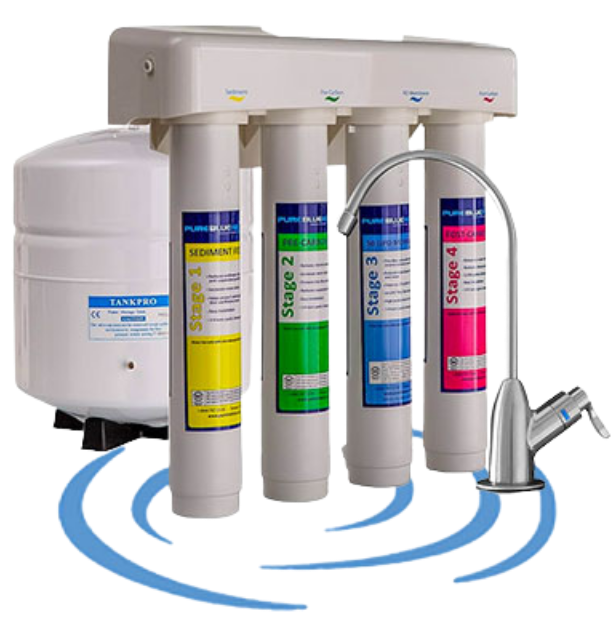
Get a free reverse osmosis drinking water system with the purchase of any whole-home water purification system.
*Cannot be combined with other offers. Mention this special when you call.