Reach Out Today
Please provide your email address so that we can stay in touch and answer any questions you have! We will be reaching back out shortly.


Hear from Our Customers
Hard water in Millwood quietly costs you money. Scale builds up inside your water heater, dishwasher, and washing machine, forcing them to work harder and use more energy just to do their job. Over time, that buildup shortens their lifespan and drives up your utility bills.
A saltless water system prevents that. It changes the structure of calcium and magnesium so they can’t stick to your pipes or heating elements. Your appliances run efficiently. Your plumbing stays clear. You stop dealing with crusty faucets and cloudy glassware.
And because these systems don’t use salt, you’re not dumping wastewater or adding sodium to your drinking water. You keep the healthy minerals your body needs while avoiding the damage hard water causes. No regeneration cycles. No electricity. No maintenance beyond an occasional filter change.
We focus exclusively on water treatment. We don’t do plumbing. We don’t install water heaters. We specialize in whole-house water purification and conditioning systems because that’s what we do best.
We’re A-rated by the Better Business Bureau with a five-star rating and zero complaints. We’re members of the National Water Quality Association, which means we follow industry standards for installation and service. When you work with us, you’re working with people who understand Florida’s water conditions and know how to address them correctly.
We also offer a $500 discount for military members and first responders, and we support the Tunnels to Towers Foundation. If you’re in Millwood, FL and dealing with hard water issues, we’ll give you a straight answer about what will actually work for your home.
Most people think you need salt to deal with hard water. You don’t. A water descaler system uses a process called Template Assisted Crystallization to change how minerals behave in your water.
Here’s what happens: as water flows through the system, calcium and magnesium minerals are converted into tiny crystals. These crystals stay suspended in the water instead of clinging to surfaces. They pass through your pipes, your appliances, and your fixtures without leaving behind the crusty white buildup you’re used to seeing.
The system doesn’t remove the minerals. It just neutralizes their ability to cause problems. That means you still get the health benefits of calcium and magnesium in your drinking water, but you don’t get scale in your water heater or soap scum in your shower.
Installation is straightforward. We connect the system to your main water line so it treats all the water coming into your home. There’s no drain line needed because there’s no wastewater. The system runs without electricity, and the media inside typically lasts 15 to 20 years before it needs replacing.

Ready to get started?
Florida water is hard. Millwood sits in an area where groundwater picks up calcium and magnesium as it moves through limestone. That’s why you see white spots on your dishes, why your shower doors look foggy, and why your water heater doesn’t last as long as it should.
A hard water conditioner addresses that without the drawbacks of a traditional salt-based softener. You don’t have to lug salt bags from the store. You don’t waste water during regeneration cycles. You don’t add sodium to your water supply, which matters if you’re watching your salt intake or if you have a septic system.
The system also works in areas where salt-based softeners aren’t allowed due to brine restrictions. Some Florida municipalities have limits on what you can discharge into the wastewater system, and a salt-free water conditioner sidesteps that issue entirely.
You’ll notice the difference in how your appliances perform, how much soap you need to get things clean, and how your skin and hair feel after a shower. The system doesn’t strip out every mineral like a softener does—it just stops those minerals from causing damage.
Yes, but it works differently than a salt-based softener. A salt-free water conditioner doesn’t remove hardness minerals—it changes their structure so they can’t form scale. That means you won’t get the slippery feel of softened water, but you also won’t get buildup in your pipes or on your fixtures.
Florida water typically ranges from 100 to 300 parts per million of calcium carbonate, which qualifies as moderately hard to very hard. A saltless water system handles that range effectively by crystallizing the minerals as water passes through. Those crystals stay suspended and flow out of your faucets instead of sticking to surfaces.
If your main concern is protecting your appliances and reducing cleaning time, a salt-free system does the job. If you specifically want that soft, slick feeling in the shower, you’d need a traditional softener. But for most homeowners in Millwood, FL, the benefits of a water softener alternative outweigh the trade-offs.
Almost none. That’s one of the biggest advantages. There’s no salt to refill, no brine tank to clean, and no regeneration cycles to monitor. The system runs passively as water flows through it.
The media inside the tank—usually a catalytic carbon or ceramic material—lasts 15 to 20 years under normal use. Some systems have a pre-filter that catches sediment before it reaches the main tank, and that filter typically needs changing once or twice a year depending on your water quality.
We’ll walk you through what to watch for during installation, but most homeowners forget the system is even there. It doesn’t use electricity, so there’s no timer to set or settings to adjust. You just let it do its job. When the media eventually needs replacing, we’ll handle that, but you’re looking at well over a decade before that becomes necessary.
Yes. A salt-free system doesn’t remove calcium and magnesium—it just prevents them from forming scale. That’s a meaningful difference, especially if you’re concerned about mineral intake.
Calcium and magnesium support bone health, cardiovascular function, and other bodily processes. The World Health Organization notes that drinking water can be a significant source of these minerals, particularly in areas where the water is naturally hard. When you use a traditional salt-based softener, those minerals are stripped out and replaced with sodium. With a water descaler system, you keep the minerals.
If you’ve been drinking bottled water because you don’t like the taste of your tap water, a salt-free conditioner often improves that. It removes chlorine and other impurities that affect flavor, but it leaves the beneficial minerals intact. You get cleaner-tasting water without losing the nutritional value.
A quality system operates reliably for 15 to 20 years. The tank itself is built to last even longer—it’s the media inside that eventually needs replacing. Compare that to a salt-based softener, which requires ongoing maintenance and has more components that can wear out or malfunction.
The longevity comes down to simplicity. There are no moving parts, no electronic controls, and no valves that cycle on and off. Water flows through, minerals get crystallized, and that’s it. Fewer components mean fewer things that can break.
When you factor in the cost of salt, electricity, and water used by a traditional softener over 15 years, a saltless water system often costs less in the long run even if the upfront price is higher. You’re paying once for a system that works quietly in the background for decades. Most homeowners in Millwood, FL find that trade-off worth it.
Absolutely. In fact, a salt-free water conditioner is often the better choice if you’re on a septic system. Traditional water softeners discharge brine during regeneration, and that high-sodium wastewater can interfere with the bacterial balance in your septic tank. Over time, it may reduce how effectively your system breaks down waste.
A saltless water system produces no wastewater. There’s no backwash cycle and nothing being flushed into your septic tank. The system treats water as it flows through, and the crystallized minerals pass harmlessly through your plumbing and into your drain field.
Some areas in Florida also have restrictions on salt-based softeners due to environmental concerns about chloride levels in groundwater. A water softener alternative avoids that issue entirely. You get the scale protection you need without worrying about regulations or septic system health.
Please provide your email address so that we can stay in touch and answer any questions you have! We will be reaching back out shortly.
"*" indicates required fields
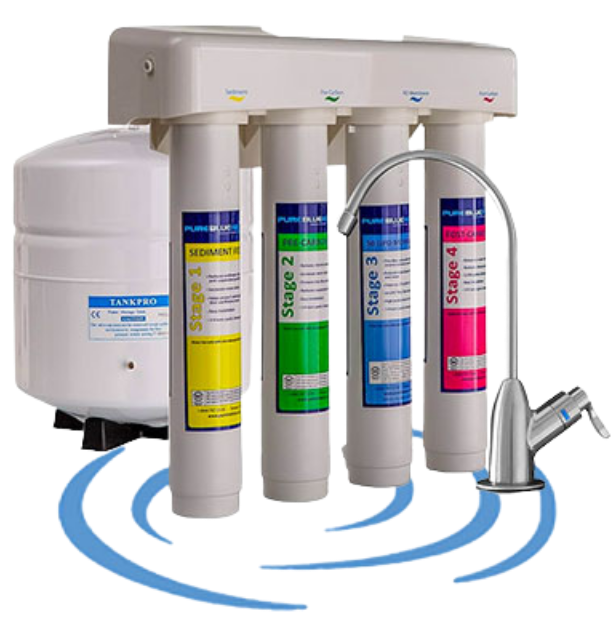
Get a free reverse osmosis drinking water system with the purchase of any whole-home water purification system.
*Cannot be combined with other offers. Mention this special when you call.