Reach Out Today
Please provide your email address so that we can stay in touch and answer any questions you have! We will be reaching back out shortly.


Hear from Our Customers
Hard water is costing you more than you think. That white film on your shower doors and chalky buildup around faucets isn’t just annoying—it’s the same mineral scale forming inside your water heater, dishwasher, and washing machine right now.
Appliances lose up to 30% of their efficiency when scale coats heating elements. Your water heater works harder, uses more energy, and wears out faster. You’re paying higher utility bills for worse performance, and eventually, you’re replacing expensive equipment years earlier than you should.
A saltless water system changes that. It prevents scale from forming in the first place using template-assisted crystallization—a process that keeps calcium and magnesium suspended in the water instead of sticking to your pipes and appliances. Your water heater runs efficiently. Your dishwasher doesn’t clog. Your plumbing stays clear. And you’re not hauling salt bags or dumping brine into your septic system.
You keep the beneficial minerals in your drinking water. You avoid the slippery feel some people don’t like from salt-based softeners. And if the power goes out during a storm, your system keeps working—no electricity required.
We’ve been installing water treatment systems across Florida for over 50 years. We’re members of the National Water Quality Association, hold an A+ rating with the Better Business Bureau, and we’ve built our reputation on actually servicing what we sell—something homeowners in Lincolnville, FL have learned not to take for granted.
Lincolnville sits on the same limestone geology that makes hard water a problem throughout Northeast Florida. The calcium and magnesium levels in your groundwater aren’t going anywhere, and traditional salt-based softeners aren’t always the right fit—especially if you’re on a septic system or live in an area with brine discharge restrictions.
We design every system based on your water test results and your household’s actual usage. You’re not getting a one-size-fits-all setup. You’re getting a water softener alternative that fits your home, your budget, and the way you live.
First, we test your water. Not a guess, not an average—your actual water. We measure hardness, pH, contaminants, and anything else that affects how your system should be designed.
Then we walk you through what a hard water conditioner will and won’t do. It prevents new scale from building up, but it doesn’t remove minerals from the water the way a salt-based softener does. If you want that slick, softened feel in the shower, this isn’t it. If you want to stop damaging your appliances without adding salt, wastewater, or ongoing maintenance, this is exactly it.
We install the system in-line with your plumbing—usually near where water enters your home. There’s no drain line to run, no electricity to hook up, and no regeneration cycle that wastes water in the middle of the night. The media inside the tank treats the water as it flows through, and the minerals stay suspended instead of forming scale.
After installation, you’re done. No salt to buy. No settings to adjust. The system works passively, and the media typically lasts several years before it needs replacing. We’ll let you know when that’s coming, and we’ll handle it when it does.

Ready to get started?
You get a system that prevents scale without the drawbacks of traditional softeners. No salt means no heavy bags to carry, no brine discharge that can harm septic systems, and no wastewater flushed down the drain during regeneration. In Lincolnville, FL and surrounding areas where septic systems are common, that matters.
You also get a system that works during power outages. Florida’s hurricane season isn’t a hypothetical concern—it’s a planning requirement. When the power goes out, your salt-free water conditioner keeps functioning because it doesn’t need electricity. Your water stays protected even when the grid doesn’t.
The system is compact compared to traditional two-tank softener setups. If you’re tight on space in your garage or utility area, that’s one less thing to work around. And because there’s no regeneration cycle, you’re not wasting hundreds of gallons of water each month just to keep the system running.
Lincolnville, FL homeowners also benefit from keeping healthy minerals in their drinking water. Calcium and magnesium aren’t the enemy—they’re just a problem when they stick to your pipes. A water descaler system keeps them in the water where they belong, so you’re not stripping out everything just to avoid buildup.
You’ll still see some reduction in soap scum and residue, though it won’t be as dramatic as with a salt softener. Your skin won’t feel as dry. Your hair won’t feel as heavy. And your fixtures will be easier to keep clean, even if you still need to wipe them down occasionally.
White spots on your glassware after the dishwasher runs. A chalky film on shower doors that won’t come off no matter how much you scrub. Soap that doesn’t lather well, and laundry that feels stiff or faded even when it’s fresh out of the dryer.
Those are the obvious signs. The less obvious ones show up in your water heater and appliances. If your water heater is making popping or rumbling sounds, that’s scale buildup on the heating element. If your dishwasher’s spray arms are clogged or your washing machine isn’t cleaning like it used to, hard water is likely the reason.
Lincolnville’s water comes from the Floridan Aquifer, which runs through limestone. That means calcium and magnesium are dissolving into your groundwater naturally, and depending on where exactly you’re located, your water hardness could range from moderately hard to very hard. The only way to know for sure is to test it, and that’s something we do before recommending any system.
A salt-based water softener removes calcium and magnesium from your water through an ion exchange process. It replaces those minerals with sodium, which is why your water feels slick and your soap lathers more easily. The downside is that it requires salt, produces wastewater during regeneration, needs electricity, and adds sodium to your drinking water.
A salt-free water conditioner doesn’t remove minerals. Instead, it uses a process called template-assisted crystallization to change the structure of those minerals so they don’t stick to surfaces. The calcium and magnesium stay in your water, but they remain suspended instead of forming scale inside your pipes and appliances.
You won’t get the same slippery feel in the shower with a salt-free system, and your soap won’t lather quite as much. But you also won’t waste water, haul salt, worry about septic system damage, or lose your water treatment during a power outage. For a lot of Lincolnville, FL homeowners—especially those on septic systems or in areas with discharge restrictions—that tradeoff makes sense.
Yes. A salt-free water conditioner operates in-line with your plumbing and doesn’t require electricity to function. Water flows through the media tank, gets treated, and continues to your faucets and appliances—whether the power is on or not.
Traditional salt-based softeners need electricity to run their control valves and regeneration cycles. When the power goes out, they stop softening your water. That’s not ideal during hurricane season when you might be without power for days and still need to use water for cooking, cleaning, and hygiene.
In Lincolnville, FL and throughout Northeast Florida, hurricane preparedness isn’t optional. A water softener alternative that keeps working when the grid goes down is one less thing to worry about when you’re already dealing with storm prep, potential flooding, and everything else that comes with living in a hurricane zone.
The media inside the tank typically lasts three to five years, depending on your water quality and household usage. When it’s time to replace it, we handle that—it’s not something you need to figure out on your own.
There’s no ongoing maintenance between media changes. You’re not adding salt every few weeks, adjusting settings, or cleaning out brine tanks. The system works passively, and you don’t think about it until we reach out to schedule a media replacement.
Compare that to a traditional softener, where you’re buying salt regularly, monitoring salt levels, and potentially dealing with salt bridges or resin fouling. Or compare it to doing nothing and replacing your water heater every seven years instead of every twelve, or your dishwasher every five years instead of every ten. The math adds up quickly, and a hard water conditioner pays for itself by extending the life of everything else in your home that uses water.
Yes, because it prevents scale buildup on heating elements. When calcium and magnesium coat the heating element inside your water heater, the element has to work harder to heat the same amount of water. That increases energy consumption and raises your utility bills.
Studies show that appliances can lose up to 30% of their efficiency due to hard water scale. A water heater that should cost you $40 a month to run might be costing you $52 because of mineral buildup. Over a year, that’s an extra $144. Over the lifespan of the heater, it’s hundreds of dollars—and that’s just one appliance.
A saltless water system prevents that buildup from forming in the first place. Your water heater runs at full efficiency. Your dishwasher and washing machine don’t have to work as hard. And you’re not paying extra on your energy bill to compensate for scale that shouldn’t be there. For Lincolnville, FL homeowners already dealing with Florida’s heat and high cooling costs, every bit of efficiency matters.
Please provide your email address so that we can stay in touch and answer any questions you have! We will be reaching back out shortly.
"*" indicates required fields
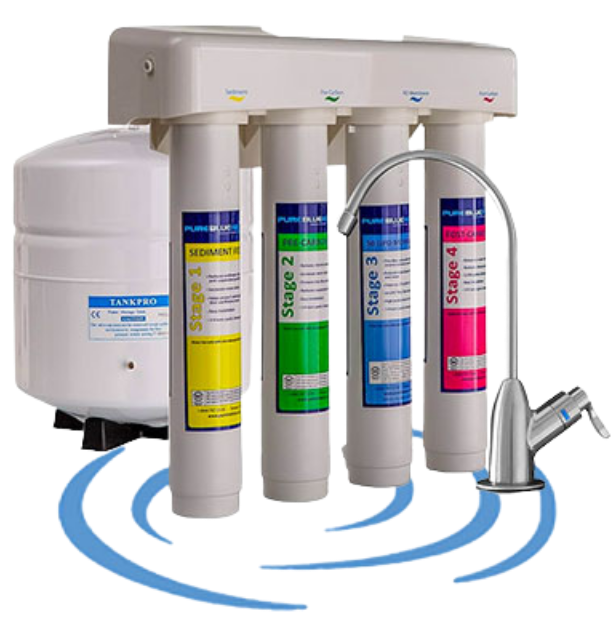
Get a free reverse osmosis drinking water system with the purchase of any whole-home water purification system.
*Cannot be combined with other offers. Mention this special when you call.