Reach Out Today
Please provide your email address so that we can stay in touch and answer any questions you have! We will be reaching back out shortly.


Hear from Our Customers
Your water heater stops dying after six years. Your dishwasher quits leaving white spots on every glass. The crusty buildup inside your pipes—the stuff that’s been choking your water pressure and driving up your energy bills—stops forming.
That’s what a salt-free water conditioner does. It doesn’t remove the minerals in Florida’s hard water. It changes them so they can’t stick to anything.
You’re not adding chemicals. You’re not dumping salt into a brine tank every month. You’re not wasting hundreds of gallons of water on backwash cycles. The system runs on zero electricity, which means it keeps working when hurricanes knock out power. And because there’s no salt discharge, it’s safe for your septic system and compliant with local brine restrictions.
Hard water in Lakeshore contains between 121 and 180 milligrams of calcium and magnesium per liter. That’s enough to cost you $800 to $1,200 a year in damaged appliances, extra detergent, and higher energy bills. A water descaler system stops that damage before it starts.
We’ve been installing saltless water systems across Lake County for years. We’re A-rated by the Better Business Bureau with a 5-star rating and zero complaints. We’re members of the National Water Quality Association, and we’ve spent over 50 years learning how Florida’s limestone-heavy water behaves.
We don’t do plumbing. We don’t install water heaters. We focus on one thing: making your water work better for your home.
Lakeshore homeowners deal with some of the hardest water in the country. Florida ranks second-worst in the U.S. for water quality, and the limestone in our aquifer dumps excess minerals into every drop that comes out of your tap. We know what that does to your appliances, your skin, and your monthly budget. That’s why we install systems that actually handle the problem without creating new ones.
First, we test your water. Not every home in Lakeshore has the same hardness level, and we need to know what we’re dealing with before recommending a system.
Once we understand your water, we install a whole-house water conditioner at your main line. The system uses Template Assisted Crystallization—TAC media that changes the structure of calcium and magnesium ions. Instead of sticking to your pipes and appliances, those minerals stay suspended in the water and wash harmlessly down the drain.
There’s no drain line to run. No power cord to plug in. No programming or settings to adjust. The system starts working the moment water flows through it.
After installation, you’re done. No salt to add. No filters to change for five-plus years. No maintenance calls. The system just runs, protecting your appliances and plumbing 24/7, even during power outages. That’s the advantage of a water softener alternative that doesn’t rely on electricity or regeneration cycles.

Ready to get started?
You get a whole-house hard water conditioner installed on your main water line. That means every faucet, every appliance, every shower in your home gets treated water.
The system prevents scale from forming inside your water heater, dishwasher, washing machine, and pipes. It doesn’t remove the calcium and magnesium—those minerals are actually good for you—it just stops them from sticking to surfaces. Your water still tastes clean. Your body still gets the minerals it needs. But your appliances stop getting destroyed.
In Lakeshore, where hurricanes are a real threat, this matters more than you might think. Traditional salt-based softeners need electricity to regenerate. When the power goes out, they stop working. A salt-free system keeps running no matter what. You don’t lose protection when you need it most.
And because the system doesn’t discharge brine, it’s safe for septic tanks. Some Florida cities restrict salt discharge because of environmental concerns. A saltless water system sidesteps that issue entirely while using less water and zero electricity. That’s why more homeowners here are switching to this technology—it’s built for Florida’s conditions.
No, and that’s not a bad thing. A traditional softener removes hardness minerals through an ion exchange process that replaces calcium and magnesium with sodium. That’s true “softening.”
A salt-free system doesn’t remove those minerals. It uses Template Assisted Crystallization to change their structure so they can’t form scale. You still have hard water—but it behaves like soft water because the minerals can’t stick to anything.
For most homeowners, the result is the same: no scale buildup, longer-lasting appliances, and cleaner dishes. The difference is you’re not adding sodium to your water, you’re not producing salty wastewater, and you’re not dealing with the maintenance that comes with a salt-based system. If you’re on a low-sodium diet, have a septic system, or live in an area with brine restrictions, a hard water conditioner is often the better choice.
Yes. That’s one of the biggest advantages of a salt-free water conditioner in Florida.
Traditional softeners need electricity to run their control valves and regeneration cycles. When the power goes out, they stop working. A saltless system has no moving parts, no electronics, and no power requirements. Water flows through the TAC media, gets treated, and comes out the other side—whether the lights are on or not.
During hurricane season, that means you still have scale-free water for drinking, cooking, and cleaning even when your neighborhood is dark. You’re not losing appliance protection when you need your systems to work most. And because there’s no brine tank to worry about, you don’t have to deal with salt storage or contamination issues if flooding occurs.
Almost none. You’re looking at five-plus years of zero hands-on maintenance after installation.
There’s no salt to add every month. No brine tank to clean. No settings to adjust or timers to program. The system doesn’t backwash, so you’re not wasting water or worrying about drain line clogs. The TAC media inside the tank does its job without breaking down or needing regeneration.
Eventually—usually after five to seven years depending on your water usage—the media will need to be replaced. That’s a straightforward service call, not a monthly chore. Compare that to a traditional softener, where you’re buying 40-pound bags of salt, hauling them to your garage, and refilling the tank every few weeks. The difference in time, effort, and ongoing cost is significant.
Yes. In fact, it’s one of the best options if you’re on a septic system.
Traditional water softeners discharge salt brine during regeneration. That salty wastewater flows into your septic tank, where it can interfere with the bacterial balance that breaks down solid waste. Too much salt can kill the beneficial bacteria your septic system needs to function properly.
A saltless water system doesn’t produce any brine. There’s no regeneration cycle, no backwash, and no salt discharge. Your septic system gets the same water it would get if you had no treatment at all—just without the scale-forming minerals causing problems in your plumbing.
Some Florida cities have started restricting or banning salt-based softeners because of the environmental impact of brine discharge. A water descaler system avoids that issue entirely while still protecting your home from hard water damage.
The upfront cost is often similar, but the long-term savings add up fast.
Salt-based softeners typically cost less to install, but they come with ongoing expenses: salt purchases every month, higher water bills from regeneration cycles, and electricity costs to run the control valve. Over five years, those costs can easily add $500 to $1,000 to your total investment.
A salt-free water conditioner has a higher initial price in some cases, but the operating cost is zero. No salt. No extra water. No electricity. And because you’re preventing $800 to $1,200 a year in appliance damage, energy waste, and detergent overuse, the system pays for itself faster than you’d think.
The real question isn’t which one costs less upfront. It’s which one saves you more over the 10 to 15 years you’ll own it. For most Lakeshore homeowners—especially those with septic systems or concerns about hurricane preparedness—the water softener alternative makes more financial sense.
Please provide your email address so that we can stay in touch and answer any questions you have! We will be reaching back out shortly.
"*" indicates required fields
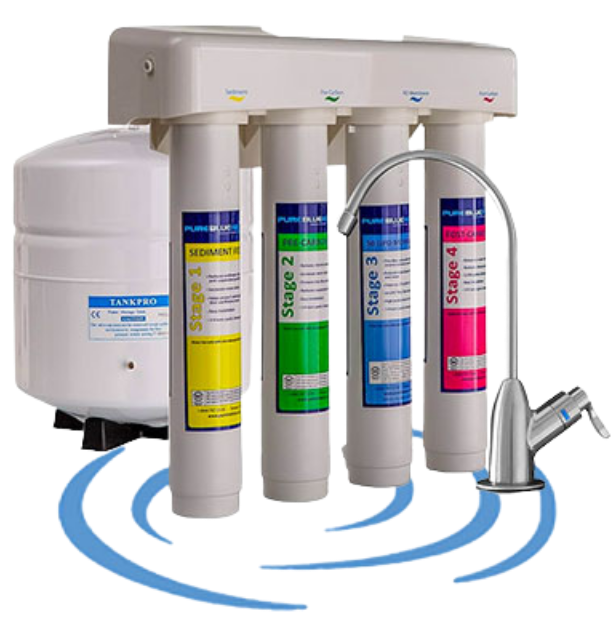
Get a free reverse osmosis drinking water system with the purchase of any whole-home water purification system.
*Cannot be combined with other offers. Mention this special when you call.