Reach Out Today
Please provide your email address so that we can stay in touch and answer any questions you have! We will be reaching back out shortly.


Hear from Our Customers
Your water heater stops collecting scale. That alone cuts your energy bill because scale acts like insulation—forcing your heater to work harder just to warm the same amount of water.
Your dishwasher and washing machine run cleaner. Soap works better. Clothes feel softer without that filmy residue hard water leaves behind.
And here’s what doesn’t happen: no salt deliveries, no brine discharge into your yard, no regeneration cycles wasting water at 2 a.m. A saltless water system sits inline with your plumbing and does its job without electricity, without chemicals, and without you having to think about it. That’s the difference between treating water and actually conditioning it—one requires constant attention, the other just works.
Most people in Lake Richmond, FL don’t realize their hard water is costing them until they see the calcium crust inside a faucet or replace a water heater years too early. Florida’s limestone geology means your water is pulling calcium and magnesium straight from the ground. A water descaler system doesn’t remove those minerals—it changes how they behave so they don’t stick to your pipes and appliances.
We have an A rating with the Better Business Bureau and over 50 years of experience in water treatment. We’re members of the National Water Quality Association, which means we follow industry standards that most companies don’t even know exist.
We’re not a national franchise that shows up in a mobile showroom and disappears after the sale. We’re local. We service what we install. And if something goes wrong with your system, you’re calling someone who actually knows your setup—not a call center three states away.
Lake Richmond homeowners deal with some of the hardest water in Central Florida. The limestone aquifer that supplies most of the area’s water also loads it with calcium and magnesium. That’s why you see white buildup on faucets, why your water heater fails early, and why soap barely lathers. We’ve been solving that problem here for decades, and we’re not going anywhere.
First, we test your water. Not with a basic hardness strip—we actually analyze what’s in your water so we can size the system correctly. One size doesn’t fit all, and if someone tries to sell you a system without testing your water first, walk away.
Once we know what we’re dealing with, we design a system based on your household size, water usage, and the specific minerals causing problems. Then we install the water softener alternative inline with your main water line. No drain line, no electrical hookup, no salt storage tank taking up space in your garage.
The system uses a process that changes the structure of calcium and magnesium so they stay suspended in the water instead of bonding to surfaces. Your pipes stay clear. Your appliances stay efficient. And you don’t lift a finger after installation.
We also walk you through what to expect in the first few weeks. Some people notice their water feels different—not bad, just different—because they’re used to the slick feel of salt-softened water. That goes away. What doesn’t go away is the scale prevention, the lower energy bills, and the fact that you’re not hauling 40-pound salt bags anymore.

Ready to get started?
You get a custom-designed system based on your water analysis and your family’s actual usage. Not a one-size-fits-all box that works for some people and fails for others.
You get a system that doesn’t use electricity, doesn’t waste water, and doesn’t require you to manage salt inventory. It prevents scale buildup in your pipes and appliances while maintaining the natural mineral content of your water. Some people prefer that—they want the minerals without the problems minerals cause.
In Lake Richmond, FL, where water hardness regularly tests between 100 and 300 parts per million, that matters. Your water heater, dishwasher, and washing machine weren’t designed to handle that much calcium. Over time, scale reduces efficiency, increases energy costs, and shortens the lifespan of everything it touches. A hard water conditioner stops that process without adding sodium to your water—which matters if you’re watching your salt intake or just don’t want that slick, over-softened feel.
We also service what we install. If something goes wrong, you’re calling a local company that knows your system and can get to you fast. We’re not a national chain that sells you a system and disappears. We’ve been doing this in Central Florida for over 50 years, and we’ll be here long after your system is installed.
It doesn’t remove calcium and magnesium—it changes their structure so they don’t bond to surfaces. The process is called template-assisted crystallization, and it keeps minerals suspended in the water instead of letting them form scale on your pipes and appliances.
You still have hard water, technically. But it doesn’t act like hard water. Your water heater doesn’t collect scale. Your faucets don’t get crusty. And your soap works better because the minerals aren’t interfering with lathering.
This is different from a traditional salt-based softener, which removes minerals entirely through an ion exchange process. That’s why salt-softened water feels slick—because it’s chemically different. A water descaler system leaves the water chemistry alone and just prevents the problems hard water causes.
Yes, but only if you’re coming from a salt-based softener. Salt-softened water feels slick because sodium replaces calcium and magnesium. Some people love that feel. Others think it feels like they can’t rinse the soap off.
A salt-free water conditioner doesn’t create that slick feel. Your water feels more natural—closer to what you’d get from a well or untreated source, but without the scale buildup. Most people adjust within a week or two and prefer it because it doesn’t leave that filmy residue on skin and hair.
If you’ve never had a water softener before, you won’t notice a difference in feel. You’ll just notice that your appliances last longer, your soap works better, and you’re not scrubbing white deposits off your faucets every month.
Not the way you maintain a salt-based softener. There’s no salt to refill, no regeneration cycle to monitor, and no brine tank to clean. The system sits inline with your plumbing and works continuously without electricity or chemicals.
Most systems last 10 to 15 years with minimal maintenance. Some need a media replacement after several years, depending on your water quality and usage. We’ll let you know what to expect when we install your system.
Compare that to a traditional softener, which requires 40-pound bags of salt every few weeks, regular cleaning of the brine tank, and periodic resin replacement. A saltless water system eliminates all of that. You install it and forget about it.
It depends on your water quality, household size, and the specific system you need. A properly sized system for an average home typically costs less than you’d spend on a high-end salt-based softener—and you save money over time because there’s no salt to buy, no electricity to run it, and no wastewater from regeneration cycles.
We don’t sell systems over the phone or online because one size doesn’t fit all. We test your water first, then design a system based on what we find. That’s how you get a system that actually works instead of one that’s too small, too large, or not suited to your water chemistry.
We also offer a $500 discount for military personnel and first responders. If that applies to you, mention it when you call. We’ve been supporting those communities for years, including our involvement with the Tunnels to Towers Foundation.
A traditional softener removes calcium and magnesium through ion exchange, replacing them with sodium. That’s why the water feels slick and why you have to keep adding salt. It also creates wastewater during regeneration—sometimes 50 gallons or more per cycle.
A water softener alternative conditions the water instead of softening it. It doesn’t remove minerals. It changes how they behave so they don’t form scale. You keep the natural mineral content, you avoid adding sodium, and you don’t waste water or electricity.
For most people in Lake Richmond, FL, a salt-free system makes more sense. You get scale prevention without the maintenance, without the environmental impact, and without the ongoing cost of salt. The only time a traditional softener might be better is if you have extremely hard water—over 300 parts per million—or if you specifically want that slick, soft-water feel.
Please provide your email address so that we can stay in touch and answer any questions you have! We will be reaching back out shortly.
"*" indicates required fields
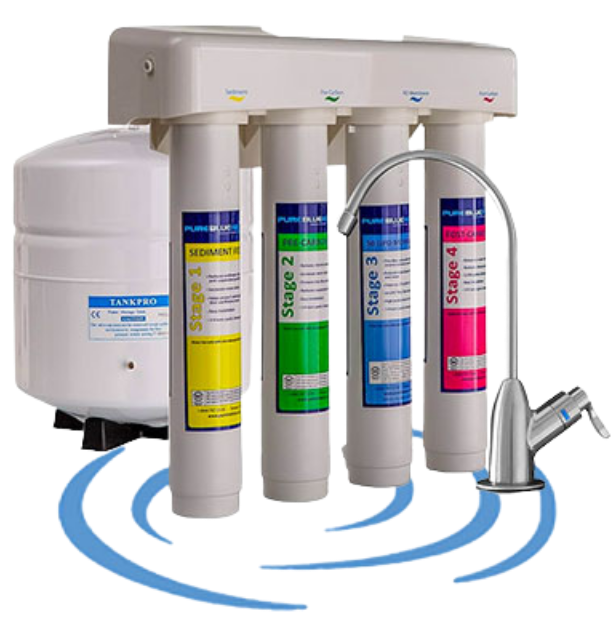
Get a free reverse osmosis drinking water system with the purchase of any whole-home water purification system.
*Cannot be combined with other offers. Mention this special when you call.