Reach Out Today
Please provide your email address so that we can stay in touch and answer any questions you have! We will be reaching back out shortly.


Hear from Our Customers
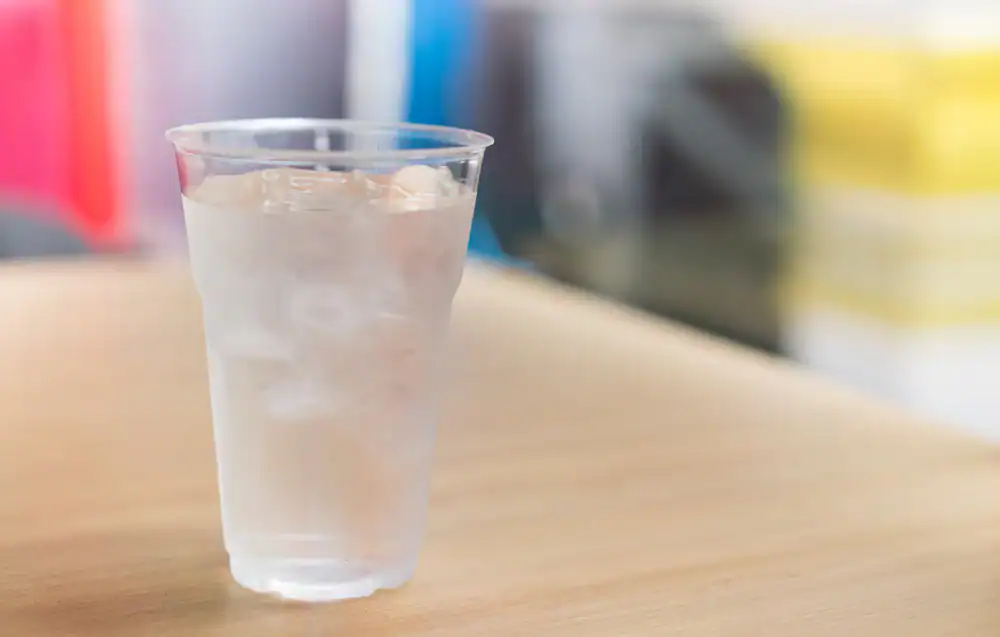
Your water heater stops collecting that white, crusty buildup inside the tank. Your showerhead stays clear. Your faucets don’t get that chalky film you used to scrub off every week.
A salt-free water conditioner doesn’t remove minerals—it changes how they behave. The calcium and magnesium that cause scale get converted into microscopic crystals that flow through your pipes instead of sticking to them. That’s Template Assisted Crystallization, and it’s how you protect your home without salt, electricity, or constant upkeep.
You’re not adding chemicals to your water. You’re not dumping brine into the environment. You’re not replacing bags of salt or resetting timers. The system just works, year after year, with nothing more than a media change every five to seven years.
We have an A+ rating with the Better Business Bureau and a five-star record with zero complaints. That doesn’t happen by accident. It happens because we size systems correctly, install them to code, and actually show up when you call.
We’re members of the National Water Quality Association, and we’ve been working in North and Central Florida long enough to know what Lake Davis water does to homes. The hardness here ranges between 100 and 300 PPM depending on your well or municipal source. That’s enough to wreck a water heater in under ten years if you do nothing about it.
We also offer a $500 discount to military families and first responders, and we support the Tunnels to Towers Foundation because some things matter more than profit margins.

We start with a water test. Not a guess, not a generic recommendation—a real analysis of your water so we know exactly what we’re dealing with. Hardness levels, pH, iron, sulfur, chlorine—it all matters when we’re sizing your system.
Once we know what’s in your water and how much your household uses, we design a system that fits. That means choosing the right media capacity, the right flow rate, and the right placement in your plumbing. Undersizing a system is how you end up with problems six months later.
Installation takes a few hours. We tie into your main line after the pressure tank or meter, mount the tank, connect the inlet and outlet, and test everything before we leave. No electricity to wire. No drain line to run. No salt reservoir to fill. You turn on a faucet and you’re done.
After that, the system runs on its own. Water flows through the media, the crystals form, and scale stops building up in your pipes and appliances. You’ll start noticing less buildup within two to three months, and over time, existing scale actually starts to break down.

Ready to get started?
You get a system that’s sized for your home, not pulled off a shelf and hoped for the best. We calculate your peak flow rate and daily water usage so the system can handle your showers, dishwasher, washing machine, and everything else running at the same time.
You get a water softener alternative that keeps the minerals your body needs while preventing the damage those minerals cause. Calcium and magnesium stay in your water—they just don’t stick to your pipes anymore. That’s better for your health and better for the environment.
You get a system with no moving parts, no electronics, and no ongoing costs besides a media replacement every five to seven years. Compare that to a salt-based softener that needs 40-pound bags of salt every month, uses electricity to regenerate, and dumps hundreds of gallons of brine wastewater into the ground.
Lake Davis sits in an area where water hardness is a real issue. Whether you’re on a well pulling from the Floridan Aquifer or on city water, you’re dealing with mineral content that will damage your home if you ignore it. A salt-free water conditioner is how you handle that without creating new problems in the process.
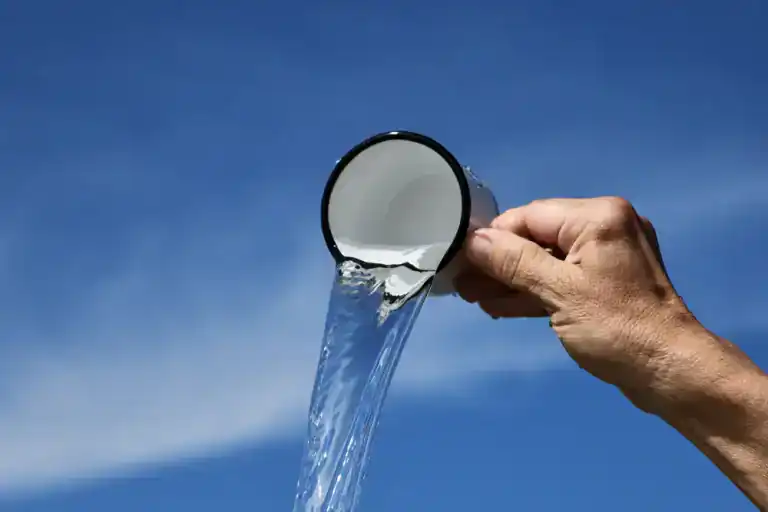
No, and that’s not what it’s designed to do. A salt-free water conditioner doesn’t remove hardness minerals—it prevents them from forming scale. Traditional softeners use ion exchange to swap calcium and magnesium for sodium, which technically “softens” the water by removing the minerals entirely.
A saltless water system uses Template Assisted Crystallization to turn those minerals into crystals that stay suspended in the water instead of bonding to surfaces. You still have hard water by definition, but it doesn’t act like hard water anymore. It won’t leave scale in your pipes, on your fixtures, or inside your appliances.
If you want that slippery feel in the shower or you need zero hardness for a specific industrial process, you need a salt-based softener. But if your goal is to protect your plumbing and appliances without the salt, waste, and maintenance, a salt-free conditioner does the job.
You’ll stop forming new scale immediately, but you won’t see dramatic changes overnight. The system prevents future buildup from day one, so your water heater, pipes, and fixtures stop getting worse the moment we turn it on.
Existing scale takes longer. Most people start noticing less buildup on faucets and showerheads within two to three months. Over time—usually six months to a year—old scale starts breaking down as the treated water gradually loosens the bonds holding it in place.
How fast you see results depends on how bad the buildup was before we installed the system. If your water heater is already caked with scale, it’s not going to dissolve in a week. But it will improve, and more importantly, it won’t get any worse.
They’re the same thing—just different terms for the same technology. “Salt-free conditioner,” “water descaler,” and “scale inhibitor” all describe systems that prevent scale formation without removing hardness minerals. Some people call them “saltless water systems” to distinguish them from traditional salt-based softeners.
The technology we use is Template Assisted Crystallization, which is a physical process, not a chemical one. Water flows through a media bed that causes hardness minerals to crystallize instead of bonding to surfaces. Those crystals stay in the water and flow out through your faucets without causing problems.
Electronic descalers are different—they use electromagnetic fields to alter mineral behavior, and the results are inconsistent at best. TAC systems use a proven catalytic media that physically changes the structure of the minerals, and that’s why they work reliably in real-world conditions.
It helps, but not in the same way a salt-based softener does. Hard water causes dry skin and hair because the minerals bond with soap and prevent it from rinsing clean. You’re left with a residue that dries out your skin and makes your hair feel stiff.
A salt-free water conditioner reduces that effect because the crystallized minerals don’t bond with soap as aggressively. You’ll notice your soap lathers better and rinses cleaner, which means less residue on your skin and hair. Most people report softer skin and more manageable hair within a few weeks.
But if you want that ultra-slick feel you get from fully softened water, you need a salt-based system that removes the minerals entirely. The trade-off is the sodium content, the wastewater, the maintenance, and the ongoing cost of salt. For most families in Lake Davis, the salt-free option gives them enough improvement without the downsides.
Almost none. There’s no salt to add, no settings to adjust, no regeneration cycles to monitor, and no brine tank to clean out. The system runs passively as water flows through it—no electricity, no timers, no moving parts to break.
The only maintenance is replacing the catalytic media every five to seven years, depending on your water quality and usage. That’s a straightforward swap that takes about an hour. Compare that to a salt-based softener that needs salt every month, periodic resin cleaning, and eventual control valve repairs.
You should check the pre-filter (if you have one) every few months and replace it when it gets dirty, but that’s standard for any whole-house water system. Beyond that, the system just works. That’s the whole point—you install it, and then you forget about it while it protects your home.
Please provide your email address so that we can stay in touch and answer any questions you have! We will be reaching back out shortly.
"*" indicates required fields