Reach Out Today
Please provide your email address so that we can stay in touch and answer any questions you have! We will be reaching back out shortly.


Hear from Our Customers
Jacksonville water is some of the hardest in Florida. The calcium and magnesium levels here measure between 14 and 28 grains per gallon—two to three times what’s considered “very hard.” That’s why your shower doors fog up with white film within days of cleaning, why your faucets develop crusty buildup, and why your water heater fails years before it should.
A salt-free water conditioner doesn’t remove those minerals. It changes their structure so they can’t stick to your pipes, appliances, or fixtures. You still get the calcium and magnesium your body needs, but your plumbing doesn’t pay the price.
The difference shows up fast. Water flows better through your pipes. Your water heater runs more efficiently. Your dishwasher stops leaving spots on glassware. And you’re not hauling bags of salt or dealing with a system that needs constant babysitting.
This isn’t about making your water feel slippery or stripping out everything natural. It’s about preventing the damage hard water causes while keeping your water pure and your maintenance close to zero.
We have an A rating with the Better Business Bureau and five stars with zero complaints. We’re members of the National Water Quality Association, and we’ve spent decades working specifically with Jacksonville’s water challenges—the Floridan Aquifer, the JEA treatment process, the mineral content that makes this area unique.
We don’t do plumbing. We don’t install water heaters. We focus entirely on water treatment, and that specialization matters when you’re choosing a system that needs to work with your specific water chemistry. Every installation starts with a free water analysis so we can design a system based on what’s actually coming through your pipes, not a one-size-fits-all guess.
We also offer a $500 discount for military members and first responders, and we’re involved with the Tunnels to Towers Foundation because supporting the people who serve matters to us.
First, we test your water. Not city water in general—your water, from your tap. That tells us exactly what minerals we’re dealing with and how much water your household uses daily.
Then we design a system around those numbers. The salt-free conditioner uses a process called Template Assisted Crystallization. When hard water passes through the media tank, the calcium and magnesium form tiny crystals that stay suspended in the water instead of bonding to surfaces. Those crystals wash away harmlessly instead of building up as scale.
Installation typically takes a few hours. We connect the system to your main water line so it treats all the water entering your home. There’s no electricity required, no drain line needed, and no salt to add—ever. The only maintenance is replacing a pre-filter every six to twelve months depending on your water quality.
After installation, you’ll notice the difference within weeks. Existing scale starts breaking down. New scale stops forming. Your appliances run cleaner. And you’re not adding sodium or chemicals to your water supply or creating brine wastewater that flows back into the environment.

Ready to get started?
The system itself is a whole-house water descaler system designed to handle Jacksonville’s specific hardness levels. It’s sized based on your daily water usage and the number of people in your home, because a system that’s too small won’t keep up and a system that’s too large is a waste of money.
You get professional installation with all the necessary connections, valves, and bypass options. We walk you through how the system works, what to expect, and when to change the pre-filter. There’s no guessing.
Because this is a saltless water system, it doesn’t need a drain line or electrical connection. It doesn’t regenerate like a traditional softener. It doesn’t waste water. And it doesn’t add anything to your water—it just changes the behavior of the minerals already there.
Jacksonville homeowners deal with some of the highest hard water levels in the state, and the cost of doing nothing adds up fast. Between extra detergent, appliance repairs, water heater replacement, and plumbing issues, you’re looking at $1,130 to $1,980 every year. A quality hard water conditioner pays for itself in two to four years, then keeps saving you money for decades.
This isn’t a temporary fix. It’s a long-term solution that protects your home, your appliances, and your water quality without the environmental impact of salt-based systems.
A traditional water softener removes calcium and magnesium from your water through an ion exchange process that replaces those minerals with sodium. That’s why softened water feels slippery and tastes slightly salty. It also requires electricity, regular salt refills, and produces brine wastewater during regeneration cycles.
A salt-free water conditioner doesn’t remove minerals. It uses Template Assisted Crystallization to change the structure of calcium and magnesium so they form crystals that don’t stick to surfaces. The minerals stay in your water, which is better for your health, but they won’t cause scale buildup in your pipes or appliances.
The conditioner uses no salt, no electricity, and no water for regeneration. Maintenance is minimal—just a pre-filter change every six to twelve months. It’s a better choice if you’re in an area with brine restrictions, if you’re concerned about sodium intake, or if you want an eco-friendly option that doesn’t create wastewater. It’s also ideal if you want to keep the natural mineral content in your drinking water while still protecting your plumbing and appliances from hard water damage.
Yes, but it needs to be sized correctly for your specific hardness level and daily water usage. Jacksonville’s water ranges from 14 to 28 grains per gallon depending on your exact location and whether you’re served by JEA or another provider. That’s significantly harder than most areas, which is why a proper water analysis matters before installation.
A salt-free conditioner that’s too small won’t keep up with the mineral load, and you’ll still see some scale formation. That’s why we test your water first and design the system around your actual conditions—not just install a standard unit and hope it works.
The system prevents new scale from forming and gradually breaks down existing buildup over time. You won’t see results overnight, but within a few weeks you’ll notice cleaner fixtures, better water flow, and less spotting on dishes. The key is matching the system capacity to your household’s water consumption and Jacksonville’s high mineral content. When it’s sized right, it works extremely well even with very hard water.
Almost none. The biggest maintenance task is changing the pre-filter every six to twelve months, depending on your water quality and how much sediment is in your supply. The filter catches particles before they reach the conditioning media, so keeping it fresh helps the system work efficiently.
Unlike salt-based softeners, there’s no salt to haul and add every few weeks. There’s no regeneration cycle to program or troubleshoot. There’s no brine tank to clean. The system runs passively—water flows through, minerals get conditioned, and that’s it.
Every few years, you might want to have the media inspected to make sure it’s still performing well, but the media typically lasts 8 to 10 years or longer before it needs replacement. There are no moving parts to break, no electronics to fail, and no drain lines to clog. It’s designed to work quietly in the background without demanding your attention, which is exactly what most Jacksonville homeowners want from a water treatment system.
A salt-free conditioner never creates that slippery feeling in the first place, because it’s not removing minerals or adding sodium. If you currently have a traditional softener and you’re tired of the slick, slimy sensation on your skin after a shower, switching to a saltless system will eliminate that.
The slippery feeling from softened water comes from the sodium ions replacing calcium and magnesium. Your skin’s natural oils react differently with sodium, creating that slick texture that some people love and others can’t stand. With a salt-free conditioner, your water feels normal—clean, but not slippery.
You’ll still get the benefits of reduced scale buildup and better appliance performance, but your water will feel and taste like natural water. Some people prefer this because it feels more like what water should feel like. Others miss the softness. It’s a personal preference, but if the slippery sensation bothers you or if you’re concerned about adding sodium to your water supply, a salt-free system gives you scale prevention without changing the feel of your water.
New scale stops forming immediately once the system is running. The minerals are being conditioned as soon as water flows through the media tank, so from day one, your pipes and appliances are protected from additional buildup.
Existing scale takes longer to address. The conditioned minerals in your water gradually break down old deposits over time, but this happens slowly—usually over several weeks to a few months depending on how much buildup you had before installation. You’ll start noticing cleaner fixtures and less spotting within the first few weeks.
Water flow improves as scale breaks down inside your pipes. Your water heater becomes more efficient as the buildup inside the tank dissolves. Soap lathers better. Dishes come out of the dishwasher clearer. These changes happen progressively, not overnight. If you’re expecting instant transformation, you’ll be disappointed. But if you’re looking for steady, lasting improvement in your water quality and home maintenance costs, that’s exactly what a salt-free conditioner delivers over time.
Please provide your email address so that we can stay in touch and answer any questions you have! We will be reaching back out shortly.
"*" indicates required fields
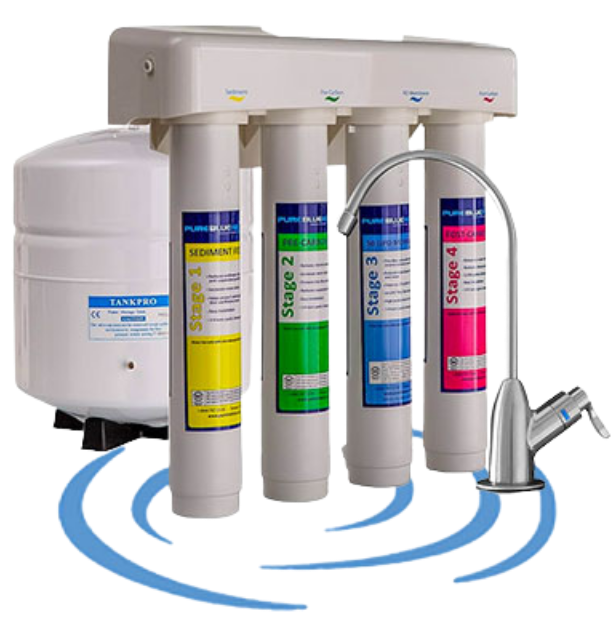
Get a free reverse osmosis drinking water system with the purchase of any whole-home water purification system.
*Cannot be combined with other offers. Mention this special when you call.