Reach Out Today
Please provide your email address so that we can stay in touch and answer any questions you have! We will be reaching back out shortly.


Hear from Our Customers
Your water heater stops working overtime. Scale quits building up inside your dishwasher, washing machine, and pipes. That translates to appliances that last longer and energy bills that don’t keep climbing every month.
You’ll notice the difference in how your home runs. Soap lathers easier. Your skin doesn’t feel as dry after a shower. Glasses come out of the dishwasher without that cloudy film.
A salt-free water conditioner handles Fellowship’s hard water without the downsides of traditional softeners. No salt to haul. No regeneration cycles wasting water in the middle of the night. No sodium added to your drinking water. Just continuous protection that works in the background while you go about your day.
The technology behind it—Template Assisted Crystallization—changes the structure of hardness minerals so they can’t stick to surfaces. They stay suspended in the water and wash away instead of forming scale. It’s a water softener alternative that prevents the problem without removing the minerals your body actually needs.
We have an A+ Better Business Bureau rating and five-star reviews with zero complaints. That doesn’t happen by accident in an industry where follow-through matters as much as the initial install.
We’re members of the National Water Quality Association, which means our team stays current on certifications and best practices. We’ve been working in Florida long enough to know exactly what Fellowship homeowners deal with—the limestone aquifer, the mineral content, the way hard water quietly damages everything it touches.
We don’t do plumbing or water heaters. We focus entirely on water treatment, which means you’re working with specialists who understand saltless water systems inside and out. We also support military members and first responders with a $500 discount, and we’re involved with the Tunnels to Towers Foundation because some things matter more than business.
First, we test your water. Fellowship pulls from the Floridian Aquifer, which means hardness levels typically run between 100 and 300 parts per million. Knowing your exact number helps us size the system correctly.
Next, we install a water descaler system on your main water line. The media inside uses Template Assisted Crystallization technology. As hard water passes through, calcium and magnesium minerals are converted into microscopic crystals that can’t bond to surfaces. They flow through your pipes and appliances without sticking.
There’s no electricity required and no salt to add. The system works continuously without regeneration cycles or backwashing. You’re not wasting water or dealing with brine discharge. Most systems handle up to a million gallons before the media needs replacing—that’s typically ten years or more for an average household.
After installation, you’ll start noticing changes within a few weeks. Existing scale begins to break down gradually. New scale stops forming. Your water heater runs more efficiently because the heating element isn’t coated in mineral buildup. Appliances last longer because they’re not fighting against hard water every cycle.

Ready to get started?
The system itself is designed for Florida’s water conditions. It handles the high mineral content common in Fellowship without requiring constant attention. Installation includes proper sizing based on your household’s water usage and your home’s specific plumbing setup.
You’re also getting a solution that meets Florida’s environmental standards. Some areas restrict salt-based softeners because of the sodium they discharge into wastewater systems. A salt-free water conditioner sidesteps that issue entirely while still protecting your home from scale damage.
The technology prevents up to 30% efficiency loss in your appliances—the kind of loss that happens when heating elements and pumps have to work through layers of mineral buildup. That efficiency loss shows up as higher electric bills and shorter appliance lifespans. Preventing it saves you money you’d otherwise spend on repairs and replacements.
We also provide straightforward guidance on what to expect. Some companies oversell what these systems do. We’re clear about what changes and what doesn’t. Your water will still contain calcium and magnesium—those minerals just won’t cause problems anymore. If you want them completely removed, that’s a different conversation and a different system.
A traditional water softener removes hardness minerals through an ion exchange process that replaces calcium and magnesium with sodium. That’s why your water tastes slightly salty and feels slick. It requires bags of salt, uses water and electricity for regeneration cycles, and adds sodium to your wastewater.
A salt-free system doesn’t remove minerals. It changes their structure so they can’t form scale. The water still contains calcium and magnesium, but those minerals stay suspended instead of bonding to surfaces. You don’t get the slick feel of softened water, but you also don’t deal with salt, maintenance, or added sodium.
Both approaches prevent scale. The difference is how they do it and what trade-offs you’re willing to accept. If you want minerals completely gone and don’t mind the upkeep, a softener works. If you want a hands-off, eco-friendly water treatment that prevents damage without ongoing costs, a saltless water system makes more sense.
It can, but it takes time. The same process that prevents new scale from forming also works on existing deposits. As treated water flows through your system, it gradually breaks down the mineral buildup that’s already there. You’ll see the most noticeable changes in the first few months.
How much existing scale breaks down depends on how severe the buildup is and how long it’s been accumulating. If your water heater has years of thick scale on the heating element, a descaler system will reduce it but might not eliminate it entirely. Newer buildup comes off faster.
The key benefit is stopping the problem from getting worse. Even if some old scale remains, new scale won’t keep layering on top of it. Your appliances stop losing efficiency. Your pipes stop narrowing. The damage doesn’t continue, which is what really matters for protecting your home long-term.
Almost none. There’s no salt to refill, no settings to adjust, and no filters to change on a regular schedule. The media inside the tank is designed to last ten years or up to a million gallons—whichever comes first. For most Fellowship households, that’s a decade of hands-off operation.
The only real maintenance is replacing the media when it’s exhausted. That’s not something you do yourself, but it’s also not complicated or expensive compared to the ongoing costs of a salt-based system. No electricity means there are no moving parts to break or control valves to replace.
You should have your water tested occasionally to make sure the system is still sized correctly for your household’s usage. If your water consumption changes significantly—like if you add family members or start using more water—it’s worth checking. But for normal use, these systems run in the background without needing attention.
Look at your appliances and fixtures. White crusty buildup around faucets and showerheads is a clear sign. So is a chalky film on glassware or soap scum that won’t come off your shower doors no matter how much you scrub. If your laundry feels stiff or your skin feels dry and itchy after showering, hard water is likely the cause.
Check your water heater too. If it’s making popping or rumbling noises, that’s scale buildup on the heating element. Your energy bills might also be creeping up because the heater has to work harder to heat water through layers of mineral deposits. Appliances that should last ten or fifteen years might be failing in half that time.
Fellowship’s water typically runs between 100 and 300 parts per million hardness because of the limestone in the Floridian Aquifer. That’s considered moderately hard to very hard. If you’re seeing any of the signs above, a hard water conditioner will prevent further damage and start reversing what’s already happened.
Yes. A water descaler system installs on your main water line before water branches off to different fixtures and appliances. It doesn’t matter if you have copper pipes, PEX, or galvanized plumbing. It works with tank water heaters, tankless systems, and heat pump water heaters.
The system doesn’t change your water pressure or flow rate. It doesn’t require special drainage or electrical hookups. As long as there’s space on your main line for the tank—usually in a garage, utility room, or outside near your meter—installation is straightforward.
We size the system based on your household’s peak water usage and the hardness level of your water. A family of four with typical water use needs a different capacity than a couple or a larger household. That’s why testing your water and understanding your usage patterns matters before installation. The right size ensures the system handles your demand without any drop in performance.
Please provide your email address so that we can stay in touch and answer any questions you have! We will be reaching back out shortly.
"*" indicates required fields
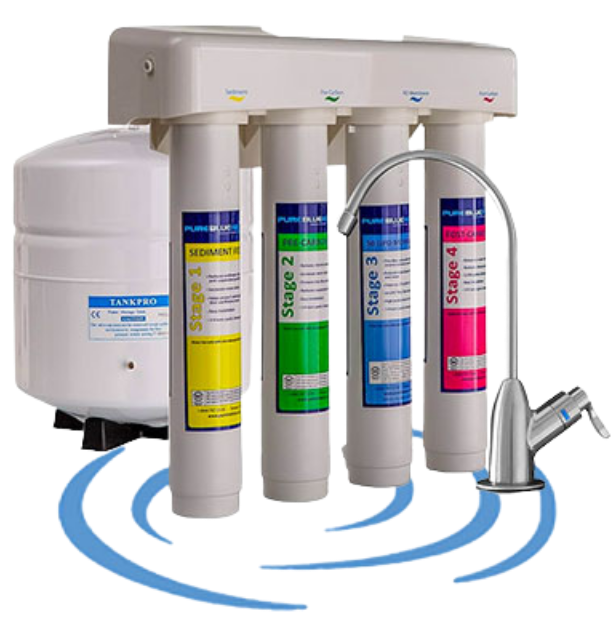
Get a free reverse osmosis drinking water system with the purchase of any whole-home water purification system.
*Cannot be combined with other offers. Mention this special when you call.