Reach Out Today
Please provide your email address so that we can stay in touch and answer any questions you have! We will be reaching back out shortly.


Hear from Our Customers
Your dishes come out of the dishwasher without spots. Your shower doors stay clearer longer. Your water heater runs more efficiently because scale isn’t building up inside it every month.
That’s what happens when you install a saltless water system that actually prevents mineral buildup instead of just trying to remove it after the fact. You’re not stripping out calcium and magnesium—you’re converting them into crystals that flow through your pipes without sticking.
Your appliances last longer. Your skin doesn’t feel tight after a shower. You use less soap because it actually rinses clean. And you’re not hauling 40-pound salt bags or worrying about brine discharge into your septic system.
This is what a water softener alternative looks like when it’s designed around how Florida water actually behaves. No regeneration cycles. No wastewater. No ongoing maintenance. Just consistent protection that keeps working without you thinking about it.
We have an A+ Better Business Bureau rating and a 5-star rating with zero complaints. That doesn’t happen by accident in an industry full of companies that sell systems and disappear.
We’re members of the National Water Quality Association. We test your water before recommending anything. And we’ve been doing this long enough to know that Eatonville’s water—pulled from the same Floridan Aquifer that feeds most of Central Florida—sits somewhere between 100 and 300 parts per million of hardness.
That’s hard enough to damage appliances and leave buildup on everything, but not so extreme that you need industrial equipment. You need a system designed for exactly this kind of water. We size it based on your usage, your family, and what’s actually coming out of your tap—not a one-size-fits-all box from a national chain that won’t return your calls six months later.
We start with a water test. Not a guess, not an average—a test of your actual water so we know what we’re dealing with. Hardness levels, pH, contaminants if they’re present. That tells us what size system you need and whether a salt-free water conditioner is the right fit.
Once we design the system for your home, installation usually takes a few hours. The unit goes inline with your main water supply. No drain line, no electrical hookup, no salt storage. It uses Template Assisted Crystallization—TAC technology—to turn hardness minerals into microscopic crystals that stay suspended in the water instead of sticking to your pipes and fixtures.
After it’s installed, you’re done. There’s no programming, no salt to add, no filters to change on a schedule. The system works passively as water flows through. You’ll notice the difference in a few days—less buildup on faucets, cleaner dishes, softer feel when you wash your hands.
If something ever does come up, we’re local. We answer the phone. And we don’t sell systems we won’t service.

Ready to get started?
You’re getting a system that prevents scale without removing the calcium and magnesium your body actually needs. Unlike salt-based softeners that strip those minerals out and replace them with sodium, a salt-free system leaves them in—just in a form that won’t cling to surfaces or clog your water heater.
That matters in Florida. Some cities here limit salt discharge because of environmental impact. A saltless water system doesn’t produce brine, doesn’t waste water during regeneration, and works fine with septic systems. It’s compliant, low-impact, and doesn’t add to the 25,000 metric tons of salt that traditional softeners dump into local watersheds every year.
You’re also getting a system that doesn’t lose efficiency over time. No resin bed to exhaust. No decline in performance. It works the same in year five as it did on day one. And because there’s no electricity or moving parts, there’s less that can break.
We size it based on your home’s flow rate and daily water use. We install it correctly the first time. And if you’re military or a first responder, you’re getting $500 off—because that’s just how we do business.
A traditional water softener removes hardness minerals through ion exchange and replaces them with sodium. It requires salt, electricity, and regular maintenance. It also produces wastewater during regeneration—sometimes hundreds of gallons a month.
A salt-free system doesn’t remove minerals. It uses TAC technology to convert calcium and magnesium into crystals that don’t stick to surfaces. You keep the beneficial minerals in your water, but they won’t cause scale buildup in your pipes or appliances.
The tradeoff is that salt-free systems don’t make water feel slippery the way softened water does. Some people prefer that. Others don’t. But if you’re dealing with environmental restrictions, septic concerns, or you just don’t want to haul salt bags every month, a saltless system makes more sense. It’s also better for people on low-sodium diets since it doesn’t add salt to your drinking water.
Yes, but it works differently than a softener. It doesn’t remove hardness—it changes how hardness behaves. When water passes through the TAC media, hardness minerals form into stable crystals that stay suspended in the water instead of bonding to surfaces.
You’ll still see some mineral deposits over time, but they’ll be easier to wipe off and won’t build up into thick crusty layers. Your water heater will stay cleaner inside. Your dishwasher won’t coat dishes in white film. Showerheads won’t clog as fast.
The system works best when it’s sized correctly for your home’s water flow and hardness level. That’s why we test first. If your water is extremely hard—over 300 PPM—we’ll tell you if a salt-free system is enough or if you’d be better off with a different approach. We’re not here to sell you something that won’t work.
Almost none. There’s no salt to refill, no brine tank to clean, no timer to program, and no electricity to run. The TAC media inside the tank lasts for years without needing replacement—typically five to seven years depending on your water quality and usage.
When it does need service, it’s straightforward. We swap out the media, check the system, and you’re back in business. That’s it. No monthly upkeep, no monitoring resin levels, no worrying about whether the system regenerated overnight.
Compare that to a salt-based softener, where you’re adding 40-pound bags of salt every few weeks, cleaning out the brine tank periodically, and dealing with salt bridges or resin fouling if something goes wrong. A salt-free system just runs. That’s the whole point.
Most installations take between two and four hours depending on your plumbing setup and where the system is going. We install it on your main water line after the pressure tank or meter, so it treats all the water coming into your house.
There’s no drain line to run and no electrical outlet needed, which keeps the install simpler than a traditional softener. We mount the tank, connect it inline, flush the system, and test it to make sure everything’s working right.
You can use your water the same day. There’s no waiting period, no programming, no startup process. Once it’s in, it’s working. We’ll walk you through what to expect and answer any questions before we leave, but there’s not much to explain—it’s a passive system that does its job without you needing to do anything.
Yes. A salt-free system doesn’t discharge brine or add sodium to your wastewater, so it won’t interfere with the bacterial balance in your septic tank. That’s a real concern with traditional softeners—the salt can kill off the bacteria that break down waste, which leads to septic problems down the road.
Salt-free systems also don’t use water for backwashing or regeneration, so you’re not flushing hundreds of extra gallons into your drainfield every week. That’s better for your septic system’s long-term health and better for the environment.
If you’re in Eatonville or anywhere else in Florida with a septic system, a saltless water system is one of the safest options for treating hard water without creating new problems. It’s also why some municipalities are starting to restrict or ban salt-based softeners—they’re trying to protect groundwater and reduce salt pollution in local ecosystems.
Please provide your email address so that we can stay in touch and answer any questions you have! We will be reaching back out shortly.
"*" indicates required fields
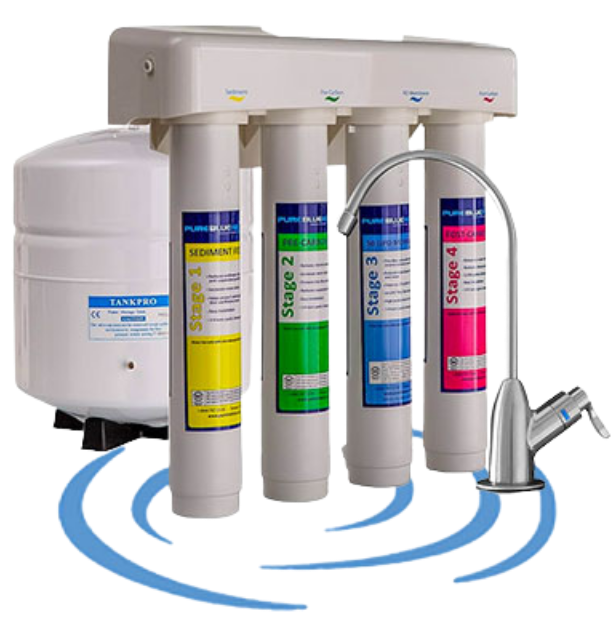
Get a free reverse osmosis drinking water system with the purchase of any whole-home water purification system.
*Cannot be combined with other offers. Mention this special when you call.