Reach Out Today
Please provide your email address so that we can stay in touch and answer any questions you have! We will be reaching back out shortly.


Hear from Our Customers
If you’ve been in your Village of Duval home since it was built in 2007, your water heater, dishwasher, and plumbing have been quietly fighting mineral buildup for nearly two decades. That’s just what Floridan Aquifer water does over time. Calcium and magnesium deposits accumulate inside pipes, reduce water pressure, coat heating elements, and cut appliance lifespan in half. Water heaters in hard water homes fail 75% of the time before year 12, and when they go, you’re looking at a $4,400 replacement on average.
A salt free water conditioner doesn’t remove those minerals — it changes them. Through a process called Template Assisted Crystallization, the calcium and magnesium in your water are converted into microscopic crystals that stay suspended and flow harmlessly through your system instead of sticking to every surface they touch. No scale formation. No buildup. No ongoing damage. Your appliances run the way they’re supposed to, your water heater recovers its efficiency, and your showerheads stop looking like they belong in a before photo.
For a community where the median age is 77 and many residents are managing blood pressure or heart health, there’s another outcome worth naming directly: zero sodium added to your water. Traditional salt softeners work by swapping calcium and magnesium for sodium — which means every glass of water, every pot of pasta, every shower carries added salt. A salt free system doesn’t do that. The minerals stay in the water in a form that can’t cause damage, and nothing is added in exchange. That matters here more than it does in most places.
We’re based in Leesburg — about 20 to 30 minutes from the Village of Duval, in Lake County, right next door to Sumter. We’ve been working with Central Florida’s hard aquifer water for over 50 years, which means we were solving the same mineral problems that affect your Duval home long before most of the houses in this community were built.
We hold an A+ BBB rating with zero complaints on record. In a field where national brands regularly get flagged for post-sale abandonment and subcontracted installs, that record means something. We’re also members of the National Water Quality Association — a voluntary credential that requires passing real industry exams and committing to a professional code of ethics. Not every company in this market has done that work.
When you call Quality Safe Water, you’re calling the company that will also answer the phone five years from now. That’s not a given in this industry, and it’s exactly why our reputation in Central Florida has held for as long as it has.
It starts with a free water consultation. A technician comes to your Village of Duval home, tests your water, and gives you a clear picture of what you’re actually dealing with — hardness level, mineral content, flow rate, and what size system your household needs. The Little Sumter Service Area draws from 20 Floridan Aquifer wells, and the water it delivers is consistently hard. That hardness level shapes everything about how a system gets sized and installed, so skipping this step isn’t an option if you want it done right.
Once the right system is specified, installation is straightforward. Salt free TAC systems require no drain connection, no electricity, and no dedicated brine tank — which matters in the Patio Villas and Courtyard Villas throughout Duval where utility room space is limited. The system is installed at the main water entry point so every faucet, appliance, and fixture in the home is covered from day one. Most installs are completed in a single visit.
After installation, there’s genuinely nothing to manage. No salt to buy or haul. No regeneration cycles to monitor. No service calls to schedule. The TAC media inside the system lasts five to seven years before it needs any attention. If you’ve been spending $20 to $50 a month on salt bags for a traditional softener, that cost disappears entirely. The Southwest Florida Water Management District recently declared an extreme water shortage across Sumter County — and unlike salt-based systems that discharge brine back into the wastewater system, a salt free conditioner produces zero discharge and uses zero water in the process.
Ready to get started?
A whole-house salt free conditioner from Quality Safe Water protects everything downstream from your main water line — your water heater, dishwasher, washing machine, ice maker, coffee maker, showerheads, and all the plumbing in between. In a Village of Duval home built in 2007, that’s nearly two decades of scale accumulation the system begins working against from the moment it’s installed. It won’t reverse existing buildup overnight, but it stops new formation immediately and allows existing deposits to gradually break down over time as conditioned water flows through.
The system uses Template Assisted Crystallization — a technology independently tested under the DVGW Standard W512 protocol, which is the benchmark used to evaluate non-salt water conditioners. In that testing, TAC consistently achieved over 90% scale prevention, outperforming magnetic and electronic alternatives by a significant margin. This is the same technology used in commercial and industrial applications where scale prevention isn’t optional — it’s the standard. When you see it in a residential context, it’s not a downgrade from what the commercial world uses. It’s the same thing, sized for your home.
Because the system requires no electricity and no drain line, it’s fully compatible with the Community Development District’s shared wastewater infrastructure — no brine discharge, no added load on the treatment system, no conflict with the SWFWMD’s current water conservation requirements. If you or your spouse served in the military or worked as a first responder, we offer a $500 discount on installation. In a community like Duval, where many residents have that background, it’s worth asking about when you schedule your consultation.
It’s a fair question. Salt free water conditioners have a mixed reputation partly because the category includes technologies that genuinely don’t work well — magnetic and electronic devices, for example, have weak or inconsistent results in independent testing. Template Assisted Crystallization is different. It’s been evaluated under the DVGW Standard W512 protocol, which is the gold standard for testing non-salt conditioners, and TAC consistently achieves over 90% scale prevention. That’s not a manufacturer claim — it’s the result of third-party testing.
What TAC does is convert the calcium and magnesium in your water into stable crystals that can’t adhere to pipe walls, heating elements, or fixture surfaces. The minerals are still in the water — they’re just in a form that flows through harmlessly instead of depositing. You’ll notice the difference on your showerheads, your glass shower doors, and your coffee maker within weeks. Your water heater’s efficiency will improve over time as existing scale gradually breaks down. The technology works. The key is making sure the system is properly sized for your household’s flow rate and water hardness — which is exactly why a professional consultation matters before any system is specified.
Yes — and the water in Duval is actually a strong use case for TAC specifically. The Little Sumter Service Area pulls water from 20 wells tapping the Floridan Aquifer, which is one of the hardest water sources in Central Florida. Florida’s average water hardness is around 216 parts per million, and Floridan Aquifer water frequently exceeds that. The Duval area has been specifically flagged by water quality resources for elevated hardness levels, which means scale formation here is faster and more aggressive than in many other parts of the state.
TAC systems are designed to handle high-hardness water. In fact, the harder the water, the more visible the results tend to be, because there’s more mineral activity for the system to address. A properly sized whole-house conditioner installed at your main water entry point will treat every drop of water entering your Village of Duval home — regardless of how hard it tests. The consultation process includes a water test so the system is sized correctly for your specific hardness level and household flow rate, not just a generic estimate.
The core difference is what happens to the minerals. A traditional salt-based softener removes calcium and magnesium from the water entirely, replacing them with sodium through an ion exchange process. That’s effective at preventing scale, but it comes with trade-offs: sodium is added to every gallon of water that flows through your home, the system requires a continuous supply of salt, it uses electricity, it produces brine that gets discharged into the wastewater system, and it needs regular maintenance and regeneration cycles.
A salt free conditioner doesn’t remove the minerals — it changes their structure. Through Template Assisted Crystallization, calcium and magnesium are converted into stable micro-crystals that stay in suspension and pass through your plumbing without sticking. Nothing is added to the water. No sodium, no chemicals, no discharge. For Village of Duval residents managing blood pressure, heart health, or kidney function — which is a real consideration in a community with a median age of 77 — the zero-sodium distinction matters significantly. The system also requires no electricity, no drain connection, and no ongoing salt purchases, which makes it a genuinely lower-maintenance option over the long term.
The TAC media inside a salt free conditioner typically lasts five to seven years before it needs to be replaced. That’s the only scheduled maintenance the system requires. There are no filters to change monthly, no salt to replenish, no regeneration cycles to run, and no service calls to schedule in between. Once it’s installed at your main water line, it operates passively — no electricity, no moving parts, nothing to monitor.
For Village of Duval homeowners who moved to The Villages specifically to enjoy retirement without a long list of home maintenance tasks, this is one of the system’s most practical advantages. Compare it to a traditional salt softener, which requires monthly salt purchases averaging $20 to $50, periodic resin cleaning, and occasional service calls — costs that add up to $400 or more per year over the life of the system. Over a five-to-seven-year period, the savings on salt and maintenance alone are meaningful. When the media does eventually need replacement, it’s a straightforward service visit — not a full system overhaul.
It’s actually a particularly good fit for those home styles. Patio Villas and Courtyard Villas in the Village of Duval tend to have compact utility areas, and traditional salt-based softeners require a brine tank — sometimes a large one — along with a drain connection and an electrical outlet. That combination can be a tight fit in smaller utility rooms or garage spaces.
A salt free TAC system has a much smaller footprint. It requires no brine tank, no drain connection, and no electrical hookup. It installs directly on the main water supply line, typically in the garage or utility area, and takes up significantly less space than a conventional softener setup. During the initial consultation, the technician will assess your specific home layout and confirm the best installation point — but in most Duval Patio Villas and Courtyard Villas, installation is clean and straightforward without any modifications to the space.
Please provide your email address so that we can stay in touch and answer any questions you have! We will be reaching back out shortly.
"*" indicates required fields
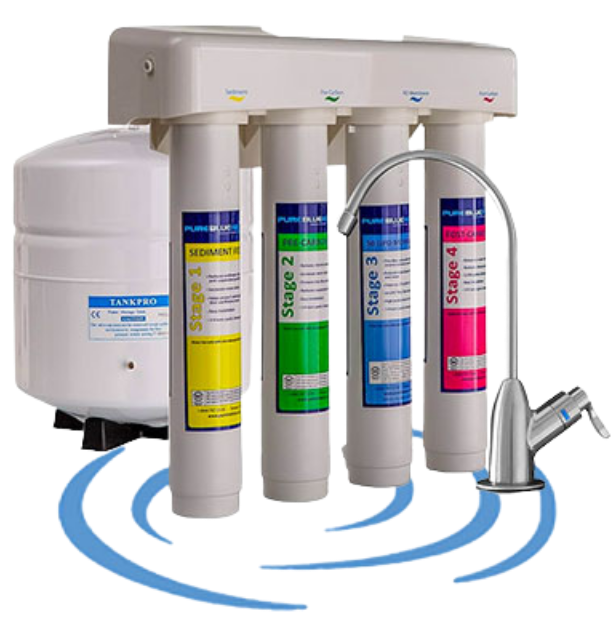
Get a free reverse osmosis drinking water system with the purchase of any whole-home water purification system.
*Cannot be combined with other offers. Mention this special when you call.