Reach Out Today
Please provide your email address so that we can stay in touch and answer any questions you have! We will be reaching back out shortly.


Hear from Our Customers
Your water heater stops dying early. Your shower doors stay clear longer. Your skin doesn’t feel stripped after every wash.
That’s what happens when you install a saltless water system that actually prevents scale instead of just adding sodium to mask the problem. Jacksonville’s water averages 15 grains per gallon of hardness—some areas hit the mid-twenties. That’s not just hard, it’s destructive. It costs you between $1,130 and $1,980 every year in damage, extra detergent, higher energy bills, and appliance replacements you shouldn’t need yet.
A salt-free water conditioner doesn’t remove the minerals. It changes their structure so they can’t stick to your pipes, your fixtures, or your appliances. You keep the calcium and magnesium your body needs. You lose the crusty buildup, the soap scum, and the constant maintenance.
No salt to buy. No electricity to run. No wastewater dumped into the system. Just cleaner pipes, longer-lasting appliances, and water that doesn’t fight you every time you try to clean something.
We focus on one thing: fixing water quality problems for homeowners in Northeast Florida. We’re not plumbers. We don’t install water heaters. We specialize in whole-house water treatment, and we’ve built our reputation on doing it better than the national companies that sell systems and disappear.
We’re A-rated with the Better Business Bureau, hold a 5-star rating with zero complaints, and we’re members of the National Water Quality Association. That matters because water treatment isn’t a side hustle here—it’s what we know, and it’s what we stand behind.
Downtown Jacksonville pulls water from the Floridan Aquifer about 1,000 feet underground. It travels through ancient limestone and shell deposits left over from when Florida was underwater. That’s why your water is so hard, and that’s why a salt-free treatment system designed for this specific problem works better than generic solutions shipped from out of state.
First, we test your water. Not a guess, not an average—we measure your actual hardness level, check for contaminants, and figure out what’s causing the problems you’re dealing with. That analysis is free, and it tells us exactly what kind of system will work for your home.
Once we know what you need, we walk you through your options. A salt-free system uses a process called template-assisted crystallization. The minerals in your water pass through a media that changes their structure into tiny crystals that can’t bond to surfaces. They stay in the water, but they don’t stick. That means no scale on your pipes, no buildup in your water heater, and no film on your dishes.
We install the system at your main water line so every faucet, every shower, and every appliance gets treated water. The install is clean, the system is compact, and it works indoors or outdoors depending on your setup. Once it’s running, there’s no salt to add, no settings to adjust, and no ongoing maintenance beyond an occasional filter check.
You’ll notice the difference in a few days. Your soap lathers easier. Your fixtures stay cleaner. Your appliances stop working so hard. And you stop spending money on problems that shouldn’t exist in the first place.

Ready to get started?
You get a water treatment system designed for Jacksonville’s water conditions, not a one-size-fits-all unit pulled off a warehouse shelf. We size the system based on your home’s water usage, your hardness level, and your plumbing setup. That means it works the way it’s supposed to from day one.
Your system comes with professional installation, which matters more than most people realize. A poorly installed unit leaks, underperforms, or fails early. We connect it correctly, test it before we leave, and make sure you understand how it operates. You also get ongoing service and support—if something goes wrong, we fix it. We don’t sell you a system and vanish.
Downtown Jacksonville homeowners deal with some of the hardest water on the east coast. The city’s been named one of the ten worst for drinking water quality in the country. That’s not scare tactics, that’s public record. A hard water conditioner that prevents scale, extends appliance life by up to 30%, and cuts your annual hard water costs by over a thousand dollars isn’t a luxury. It’s a fix for a problem that’s costing you money whether you see it or not.
You also get water that’s better for your skin and hair, lower detergent usage, and fewer hours spent scrubbing soap scum off glass. Those aren’t small things when you add them up over a year.
It conditions it, and that’s not a downside—it’s a different approach that works better for some homes. A traditional softener removes hardness minerals by swapping them with sodium. That makes the water “soft” by technical standards, but it also adds salt to your drinking water, requires constant maintenance, and dumps chloride-heavy wastewater into the sewer system.
A salt-free water conditioner doesn’t remove calcium and magnesium. It changes their structure so they can’t form scale. You keep the minerals, which are actually good for you, but you lose the buildup and damage. Your pipes stay clear, your appliances last longer, and your water doesn’t feel slippery the way softened water does.
If you’re on a low-sodium diet, have septic system concerns, or just don’t want to deal with hauling salt bags every month, a saltless water system gives you the benefits without the drawbacks. It’s not about which one is “better”—it’s about which one fits your situation. For most Jacksonville homeowners dealing with hard water, conditioning solves the problem without creating new ones.
A quality salt-free system typically lasts 10 to 15 years with minimal maintenance, and the media inside usually needs replacement every 5 to 7 years depending on your water hardness and usage. That’s significantly less upkeep than a traditional softener, which requires salt refills every few weeks and more frequent servicing.
The system itself has fewer moving parts, no brine tank, and no electronic controls that can fail. That means fewer things that can break. When the media does need replacing, it’s a straightforward process—not a full system overhaul. You’re looking at a fraction of the cost compared to repairing or replacing a salt-based unit that’s had mechanical failure.
Jacksonville’s water is aggressive, so the lifespan of any treatment system depends partly on how well it’s maintained and how hard your water actually is. But a properly installed salt-free conditioner handles high hardness levels without the wear and tear that comes from constantly cycling salt and water through a softener. You’re not dealing with resin beads that degrade, motors that burn out, or salt bridges that clog the system. It just runs.
It can, but it takes time. A salt-free treatment system prevents new scale from forming immediately, but breaking down old buildup happens gradually as treated water flows through your plumbing. You might start seeing results in a few weeks, but heavily scaled pipes can take several months to fully clear.
The process works because the conditioned water slightly loosens existing scale deposits over time. As the minerals lose their bond, small amounts break free and flush out through your faucets and drains. You won’t see chunks falling out, but you will notice improved water pressure, better appliance performance, and less visible buildup on fixtures.
If your pipes are severely scaled—like if you’ve lived with hard water for years without treatment—you might need a professional descaling service before installing the system. That gives you a clean start and lets the conditioner do its job without fighting decades of accumulated damage. We can assess that during your free water analysis and let you know if it’s necessary. Most homes don’t need it, but older properties in Downtown Jacksonville sometimes do.
Cheap electronic descalers claim to use magnets or electromagnetic waves to treat hard water, and most of them don’t work. They’re not certified, they’re not tested by independent labs, and they rely on vague science that doesn’t hold up under scrutiny. You’ll find hundreds of reviews from people who installed them and saw zero improvement.
A legitimate salt-free water conditioner uses template-assisted crystallization, which is a proven method backed by testing and certification from organizations like the Water Quality Association. The media inside the tank physically interacts with the water and changes the structure of hardness minerals. It’s not magic, it’s chemistry, and it’s repeatable.
The price difference reflects the difference in quality. A $50 magnetic unit off Amazon might seem like a deal until you realize it does nothing and you’re still dealing with scale buildup six months later. A professionally installed system costs more upfront, but it actually solves the problem, comes with a warranty, and gets serviced if something goes wrong. You’re not buying a gadget—you’re fixing a problem that’s costing you over a thousand dollars a year in damage.
You can technically install one yourself if you’re comfortable working with plumbing, but most homeowners shouldn’t. The system connects to your main water line, which means you’re cutting into the pipe that supplies your entire house. If you make a mistake, you’re dealing with leaks, pressure problems, or a system that doesn’t work correctly.
Professional installation ensures the unit is sized right, positioned correctly, and connected without issues. We also test your water before installation so we know the system we’re putting in will actually handle your hardness level. A DIY install skips that step, and you might end up with a unit that’s too small, installed backward, or plumbed in a way that reduces its effectiveness.
The bigger issue is warranty and service. Most manufacturers void the warranty if the system isn’t installed by a certified technician. That means if something breaks, you’re paying for repairs out of pocket even if it’s a defect. Professional installation costs more upfront, but it protects your investment and guarantees the system works the way it’s supposed to from day one. For most people, that’s worth it.
Please provide your email address so that we can stay in touch and answer any questions you have! We will be reaching back out shortly.
"*" indicates required fields
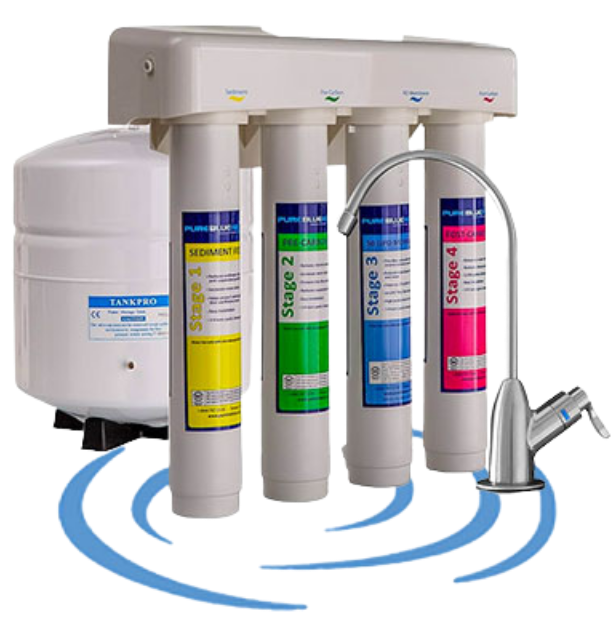
Get a free reverse osmosis drinking water system with the purchase of any whole-home water purification system.
*Cannot be combined with other offers. Mention this special when you call.