Reach Out Today
Please provide your email address so that we can stay in touch and answer any questions you have! We will be reaching back out shortly.


Hear from Our Customers
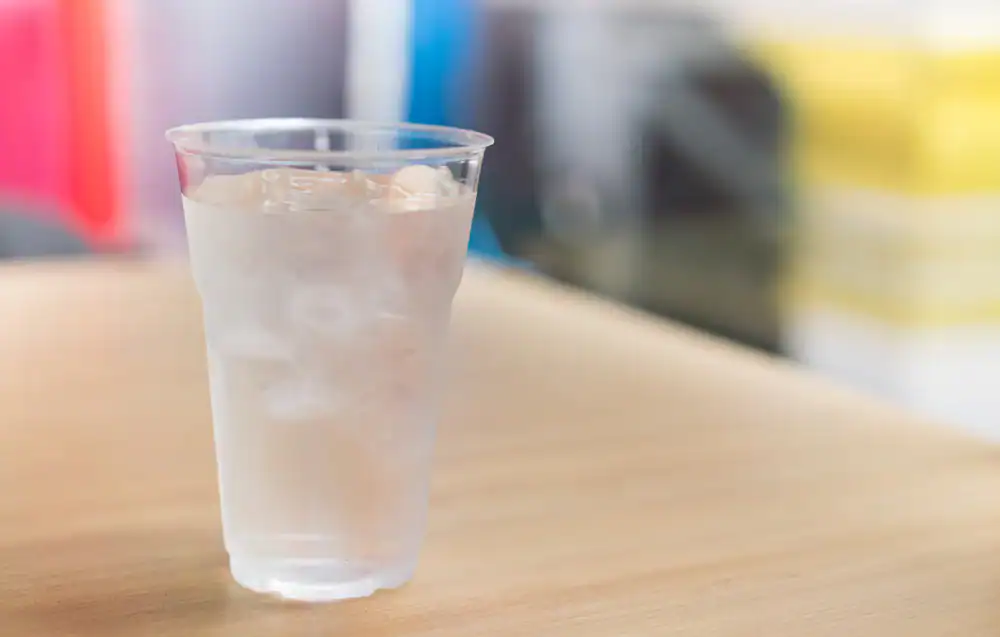
If you’ve noticed white buildup on your faucets, cloudy film on your glassware, or a showerhead that’s slowly losing pressure, that’s not a plumbing problem — that’s the Floridan Aquifer doing what it does. The water serving Chatham runs through groundwater wells that pull from one of the most mineral-heavy aquifers in the country. It’s hard water, it’s year-round, and it doesn’t ease up in summer or slow down in winter.
What a salt free conditioning system actually does is change how those minerals behave. Instead of removing calcium and magnesium — which is what a traditional salt softener does — a Template Assisted Crystallization system converts them into microscopic crystals that flow right through your pipes and appliances without bonding to anything. No scale buildup. No damage. Nothing added to your water.
For Chatham homes built in the early 2000s, this matters more than most people realize. Twenty-plus years of hard Floridan Aquifer water running through the same pipes and the same water heater adds up. Limescale buildup forces your water heater to work harder — studies show it can cut heating efficiency by nearly half — and that kind of strain shortens the life of equipment that costs $1,500 to $3,000 to replace. A salt free system doesn’t just improve your water. It protects what you’ve already invested in.
We’ve been treating Central Florida water since before The Villages existed. Based out of Leesburg — about 15 miles from Chatham — we’ve spent more than 50 years working with the same Floridan Aquifer water that runs through your home right now. That’s not a talking point. That’s just what happens when a company stays focused, stays local, and keeps doing the work.
We hold an A rating with the Better Business Bureau, carry zero complaints on record, and are active members of the Water Quality Association — the national professional standards body for this industry. In a field where post-sale abandonment is genuinely common, that zero-complaint record is the kind of thing neighbors in Chatham notice and talk about.
We also offer a $500 discount for military personnel and first responders — no hoops, no fine print. The Villages has one of the largest concentrations of military retirees in Florida, and that discount reflects a real commitment, not a promotional footnote.

It starts with a conversation, not a sales pitch. When you reach out to us, we’ll talk through what you’re experiencing — the scale on your fixtures, the wear on your appliances, the water quality concerns you’ve noticed — and assess what your home actually needs. For Chatham homes, that conversation almost always includes a look at how long the home has been running untreated Floridan Aquifer water, because the mineral accumulation in a 20-year-old home is a different situation than a newer build.
Once the right system is identified, installation is straightforward. A salt free TAC system connects to your main water line, typically near your water entry point, and treats every gallon before it reaches your pipes, fixtures, and appliances. There’s no drain line needed, no electricity required, and no salt to load or store. The system runs continuously and silently in the background.
After installation, the maintenance picture is simple: the TAC media inside the system lasts five to seven years before it needs replacement. That’s it. No monthly service calls, no ongoing chemical purchases, no 40-pound bags to haul through your garage. For a retired homeowner in Chatham who’d rather spend their time outdoors than managing household systems, that low-maintenance reality is a significant part of the value.
Ready to get started?
A salt free TAC system isn’t a compromise on a traditional water softener — it’s a different approach built around a different set of priorities. If you’re managing blood pressure, following a low-sodium diet, or simply don’t want sodium added to every glass of water you drink, a salt-based softener works against you. TAC technology doesn’t add anything to your water. It changes how the minerals already in your water behave, so your pipes and appliances are protected without your drinking water being affected.
There’s also an environmental dimension that matters in Sumter County. Traditional salt softeners discharge sodium-laden brine into the wastewater system every time they regenerate. The Villages has invested significantly in sustainable water management — reclaimed water systems, Lower Floridan Aquifer sourcing, active environmental oversight from both the Southwest Florida Water Management District and Florida DEP. A salt free system produces zero brine discharge and uses zero electricity, which makes it the responsible choice for a community that’s already made water stewardship a priority.
The performance backing this technology is real. Independent testing under the DVGW Standard W512 protocol — the recognized benchmark for water conditioner effectiveness — found that TAC systems prevent more than 90% of hard water scale formation. That consistently outperforms both magnetic and electronic alternatives. You’re not taking a leap of faith. You’re installing a system with documented results, backed by a local company with a verifiable record of standing behind what we sell.
Yes, and it’s not close to the borderline. Chatham is served by groundwater wells that draw from the Floridan Aquifer — the same aquifer that runs beneath most of Central Florida and is well-documented for producing hard to very hard water throughout Sumter and Marion counties. Multiple water quality sources describe The Villages’ water hardness as notably elevated, consistent with the broader regional profile of 180 parts per million or higher. That puts it firmly in the “hard” classification, and depending on which utility district serves your specific address, it may trend higher.
What that means practically is that every gallon running through your pipes, your water heater, your dishwasher, and your showerhead carries a mineral load that gradually deposits as scale on every surface it touches. For homes in Chatham that were built in 2002 and 2003, that’s more than two decades of accumulation. If you haven’t treated your water yet, the scale is already there — the question is how much more damage you want to allow before addressing it.
Most homeowners notice the difference within the first few weeks — and it shows up in places you might not expect first. Showerheads that were losing pressure start flowing normally again. Glassware comes out of the dishwasher without the cloudy film. Faucet fixtures stop accumulating that white crust around the base. These aren’t dramatic overnight changes, but they’re consistent, and they compound over time as scale stops forming and existing buildup gradually breaks down.
The bigger difference is what you don’t see — inside your pipes and your water heater. Limescale buildup on a water heater’s heating element forces it to work significantly harder to reach temperature, and over time that strain shortens the unit’s life considerably. Water heater replacements in hard water homes average $1,500 to $3,000 for the unit plus installation. When you frame a salt free system against that cost — especially in a Chatham home where the water heater has already been running hard Floridan Aquifer water for 20 years — the math shifts pretty quickly.
The core difference is what each system actually does to the minerals in your water. A traditional salt-based water softener uses an ion exchange process to pull calcium and magnesium out of the water entirely and replace them with sodium. That’s why softened water has that slightly slippery feel — there’s sodium in it. And that’s also why people on low-sodium diets or with cardiovascular concerns are often told to avoid drinking softened water directly from the tap.
A salt free TAC system leaves the minerals in the water but changes their structure. Through Template Assisted Crystallization, calcium and magnesium are converted into stable microscopic crystals that can’t bond to pipe walls, appliance surfaces, or fixtures. The water tests as hard because the minerals are still present — but they flow through harmlessly instead of depositing as scale. You get the scale protection without the sodium addition, without the brine discharge, and without the ongoing cost of salt. For most Chatham homeowners, especially those managing health conditions common in the 55-plus demographic, that distinction is a meaningful one.
The TAC media inside the system — the material that drives the crystallization process — typically lasts five to seven years before it needs to be replaced. Outside of that, there’s genuinely very little to manage. No electricity means no electrical components to fail or service. No drain connection means no wastewater line to maintain. No salt means no bags to purchase, store, or load. The system runs in the background continuously without any input from you.
For homeowners in Chatham, this low-maintenance profile is often one of the most compelling parts of the conversation. Retirement is supposed to reduce the list of things you’re managing — not add to it. A salt-based softener requires regular salt replenishment, periodic regeneration cycles, and occasional service for the control valve and resin bed. A TAC system asks almost nothing of you between installation and media replacement years down the road. When we install a system in your home, we’ll walk you through exactly what to watch for and when to expect that media replacement window based on your specific water usage.
It depends on the severity, and it’s worth having an honest conversation about it before installation. A TAC system is highly effective at preventing new scale from forming — that’s what the independent DVGW W512 testing confirms at 90-plus percent prevention rates. It also has a gradual descaling effect on existing buildup, meaning scale that’s already present in your pipes and on your fixtures will slowly break down over time as the treated water passes through.
For Chatham homes built in 2002 and 2003 that have been running untreated Floridan Aquifer water for more than two decades, there may be meaningful existing scale inside the water heater tank or along pipe walls. In cases where buildup is severe, we’ll discuss whether any pre-treatment or supplementary approach makes sense before the TAC system goes in. The goal is a result that actually works for your home — not a one-size answer applied to every situation. That’s a conversation worth having before you commit to anything.
Please provide your email address so that we can stay in touch and answer any questions you have! We will be reaching back out shortly.
"*" indicates required fields
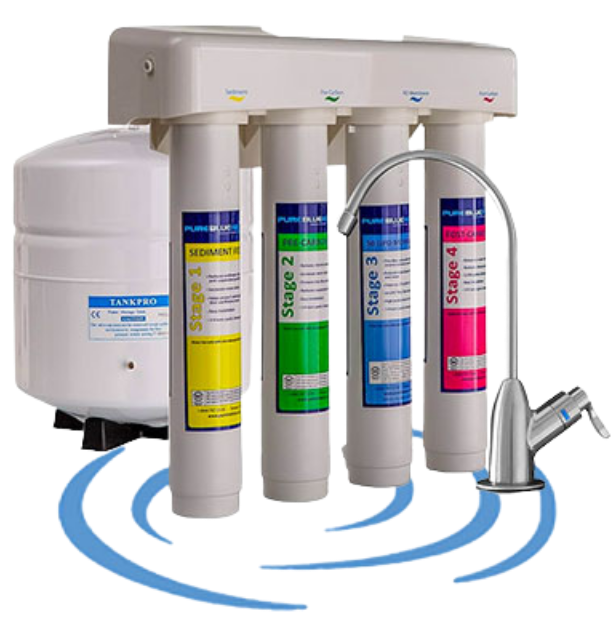
Get a free reverse osmosis drinking water system with the purchase of any whole-home water purification system.
*Cannot be combined with other offers. Mention this special when you call.