Reach Out Today
Please provide your email address so that we can stay in touch and answer any questions you have! We will be reaching back out shortly.


Hear from Our Customers
You’re not dealing with soft water here. Belle Isle pulls from aquifers that push 100 to 300 parts per million of dissolved minerals. That’s hard water by any standard, and it shows up fast on your fixtures, inside your water heater, and across every surface water touches.
Traditional salt-based softeners handle the hardness, but they come with their own problems. You’re buying salt every month. You’re dumping brine into the environment. You’re running water down the drain during regeneration cycles. And if a storm knocks out power, the system stops working when you need water most.
A salt-free water conditioner works differently. It doesn’t remove minerals. It changes how they behave. Using Template Assisted Crystallization technology, the system converts calcium and magnesium into microscopic crystals that flow through your pipes instead of sticking to them. Your water still has minerals, but they don’t build up as scale. Your appliances stay efficient. Your plumbing stays open. And you’re not maintaining anything or adding chemicals to make it happen.
We’ve been installing water treatment systems across Central Florida for over 50 years. We’re members of the National Water Quality Association, hold an A+ rating with the Better Business Bureau, and maintain a 5-star rating with zero complaints. That doesn’t happen by accident.
Belle Isle homeowners face unique water challenges. The area’s limestone-rich aquifers create some of the hardest water in the country. Add in Florida’s ranking as the second-worst state for water quality, and you’re looking at a real problem that needs a real solution. We test your water first, design the system around what we find, and install equipment that’s built to handle Florida conditions long-term.
We also support the people who serve this community. Military members and first responders receive a $500 discount on whole-house systems, and we’re active supporters of the Tunnels to Towers Foundation.
We start with a water test. You need to know what’s in your water before you treat it. We test for hardness, contaminants, and anything else that might affect how your system performs. This isn’t a guess. It’s data.
Once we know what we’re working with, we design a system specifically for your home. Every house is different. Water usage, plumbing layout, and the number of people in your home all factor into what equipment you need and where it goes. We’re not selling you a one-size-fits-all box.
Installation is straightforward. The system connects directly to your main water line using simple in-and-out fittings. No drain line. No electrical connection. No backwash cycle. Water flows through a media tank filled with TAC media, which converts hard minerals into crystals that can’t form scale. The process happens instantly as water passes through, and it keeps working without any input from you.
After installation, you’re done. There’s no salt to add, no settings to adjust, no regeneration cycles to monitor. The media typically lasts five to seven years before it needs replacement. That’s the only maintenance the system requires.

Ready to get started?
You’re protecting every appliance connected to your water supply. Water heaters, dishwashers, washing machines, and ice makers all run more efficiently and last longer when scale isn’t building up inside them. Studies show appliances lose up to 30% of their efficiency when hard water goes untreated. That’s higher energy bills and more frequent repairs you’re avoiding.
Your plumbing system stays clear. Scale buildup reduces water flow, increases pressure on pipes, and accelerates corrosion. A water descaler system prevents that buildup from forming in the first place. You maintain consistent water pressure throughout your home, and your pipes don’t deteriorate as quickly.
In Belle Isle specifically, this matters more than in other areas. The combination of hard water from the aquifer and salt air from coastal proximity creates a tough environment for plumbing systems. A saltless water system handles the mineral content without adding more salt to an already corrosive environment.
You’re also making a choice that works with Florida’s environmental restrictions. Some municipalities limit salt discharge from traditional softeners because of the impact on local water systems. A hard water conditioner that doesn’t use salt or produce brine discharge avoids that issue entirely. It’s also safe for septic systems, which matters for homes that aren’t connected to municipal sewer lines.
No, and that’s not what it’s designed to do. A traditional softener removes calcium and magnesium through an ion exchange process, which technically softens the water. A salt-free water conditioner leaves those minerals in the water but changes their structure so they can’t form scale.
The end result is similar in terms of protecting your plumbing and appliances, but the water chemistry is different. You won’t get the slippery feel that comes with softened water, and you won’t see the same lathering effect with soap. But you also won’t deal with the sodium content that softened water adds, which some people prefer for health or taste reasons.
If your main concern is preventing scale buildup and protecting your home’s plumbing system, a saltless system handles that without the ongoing maintenance and environmental impact of a traditional softener. If you specifically want soft water for the feel and lathering properties, that’s a different conversation about what system makes sense for your priorities.
The system itself typically lasts 15 to 20 years with proper installation. The only component that needs regular replacement is the TAC media inside the tank, which usually needs to be swapped out every five to seven years depending on your water hardness and usage.
That’s significantly less maintenance than a salt-based softener, which requires monthly salt additions, periodic resin cleaning, and more frequent component replacements due to the mechanical and chemical processes involved. With a salt-free system, you’re looking at one service visit every several years instead of ongoing monthly attention.
The longevity also depends on water quality. If you have particularly aggressive water chemistry or very high hardness levels, the media might need replacement closer to the five-year mark. We test your water before installation specifically so we can give you a realistic expectation of how long the media will last in your situation.
Yes. That’s one of the major advantages of a salt-free system in Florida. Because there’s no electrical component and no regeneration cycle that requires power, the system keeps working as long as you have water pressure. If you lose power but still have municipal water service, you’re still getting treated water.
Traditional softeners stop working during power outages because they need electricity to run the control valve and regeneration cycle. If the power’s out for an extended period during hurricane season, you’re back to untreated hard water until power returns.
This also matters for homes with well systems that have backup generators. As long as your well pump is running, a salt-free system continues to condition your water without needing its own power source. It’s one less thing to worry about when you’re already dealing with storm preparation and recovery.
Traditional salt-based softeners typically cost between $1,500 and $4,500 over their lifetime when you factor in the initial equipment, installation, ongoing salt purchases, water waste during regeneration, electricity use, and maintenance. You’re buying salt monthly, which adds up to roughly $200 to $300 per year depending on your usage and local salt prices.
A salt-free system has a higher upfront cost in some cases, but the lifetime operating cost is dramatically lower, usually between $300 and $1,000 total. That includes the initial installation and one or two media replacements over the system’s lifespan. There’s no monthly salt expense, no water waste, and no electricity cost.
The payback period depends on your specific situation, but most homeowners break even within three to five years compared to operating a traditional softener. After that, you’re saving money every year the system continues to operate. When you add in the reduced wear on appliances and plumbing, the total cost of ownership favors salt-free systems significantly.
The installation itself isn’t complicated from a mechanical standpoint. It’s an in-and-out connection on your main water line with no electrical work or drain connections required. If you’re comfortable working with plumbing and have the right tools, the physical installation is straightforward.
That said, there are good reasons to have it installed professionally. First, you need accurate water testing to size the system correctly and understand what you’re treating. Second, Florida plumbing codes have specific requirements about backflow prevention and where treatment systems can be installed. Third, improper installation can void warranties or create problems that cost more to fix than professional installation would have cost upfront.
We include water testing, proper sizing, code-compliant installation, and warranty protection when we install a system. You’re not just paying for someone to connect pipes. You’re paying for the expertise to make sure the system works correctly for your specific water conditions and home setup. Most homeowners find that worth the cost compared to the risk of doing it wrong and having to redo it.
Please provide your email address so that we can stay in touch and answer any questions you have! We will be reaching back out shortly.
"*" indicates required fields
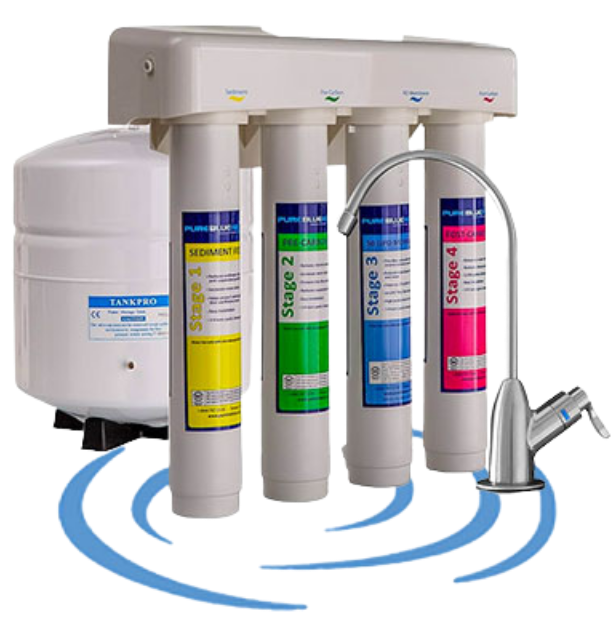
Get a free reverse osmosis drinking water system with the purchase of any whole-home water purification system.
*Cannot be combined with other offers. Mention this special when you call.