Reach Out Today
Please provide your email address so that we can stay in touch and answer any questions you have! We will be reaching back out shortly.

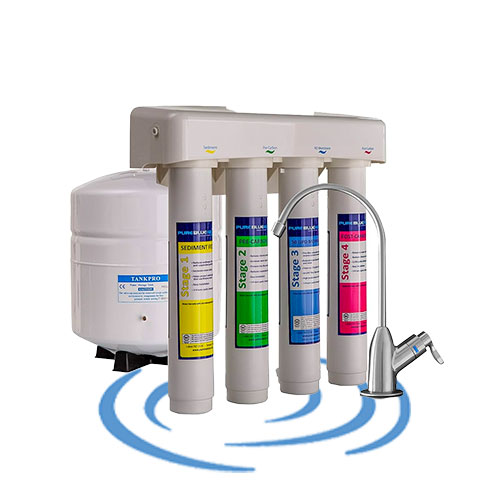
Hear from Our Customers
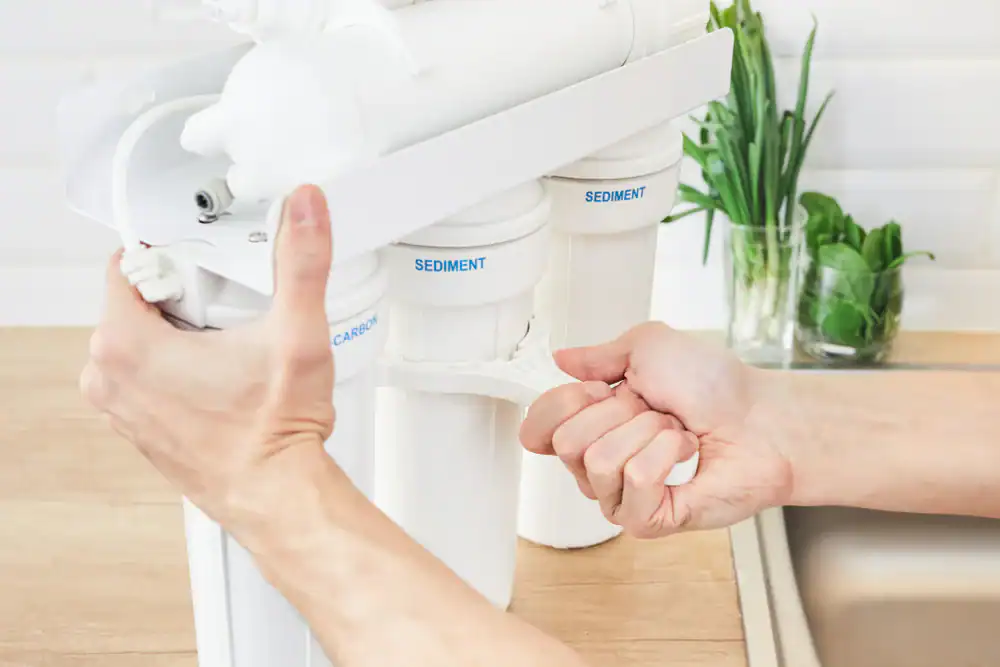
When you stop relying on bottled water and start drinking filtered water straight from your tap, the first thing most people notice is the taste. No chlorine edge. No flat, mineral-heavy aftertaste. Just water that actually tastes like water.
That shift is more significant than it sounds especially if you’ve been quietly buying cases of bottled water for years because you didn’t trust what was coming out of the faucet in your Tallulah/North Shore home.
Here’s what’s worth understanding about this neighborhood specifically. JEA draws from the Floridan Aquifer, which is loaded with calcium and magnesium as it moves through limestone. That mineral content is why you see white buildup on your faucets and why your water heater works harder than it should.
In a home built before modern plumbing codes, where the pipes have already been through decades of hard water, that scale buildup isn’t just cosmetic it’s accelerating wear on infrastructure that doesn’t have much margin left.
A reverse osmosis system removes the dissolved solids, disinfection byproducts, lead risk from aging service lines, and the chlorine chemistry that JEA uses to keep the distribution system safe. You’re not just getting better-tasting water. You’re getting a layer of protection between your family and what decades of pipe aging and municipal chemistry can leave behind.
For a household with kids and more than a quarter of North Shore households include children that’s not a small thing.
Quality Safe Water of Florida LLC does one thing: water. Not plumbing, not HVAC, not a forty-service menu where water treatment is an afterthought.
Our technicians are trained specifically in Florida’s water challenges the Floridan Aquifer’s mineral load, JEA’s chlorine-based disinfection chemistry, and the lead risk that comes with aging pipes in neighborhoods like Tallulah and North Shore, where most of the housing stock predates 1960.
We hold a BBB A-rating with a 5-star score and zero complaints on file. You can verify that yourself at bbb.org before you ever pick up the phone.
In an industry where the most common complaint is “they sold me a system and then disappeared,” that record means something real. We’re also members of the National Water Quality Association, which means our training isn’t generic it’s built around the specific water conditions that Florida homeowners actually face.
If you’re a veteran, active-duty service member, or first responder and Jacksonville has one of the largest military communities in Florida there’s a $500 discount available for you. No fine print.
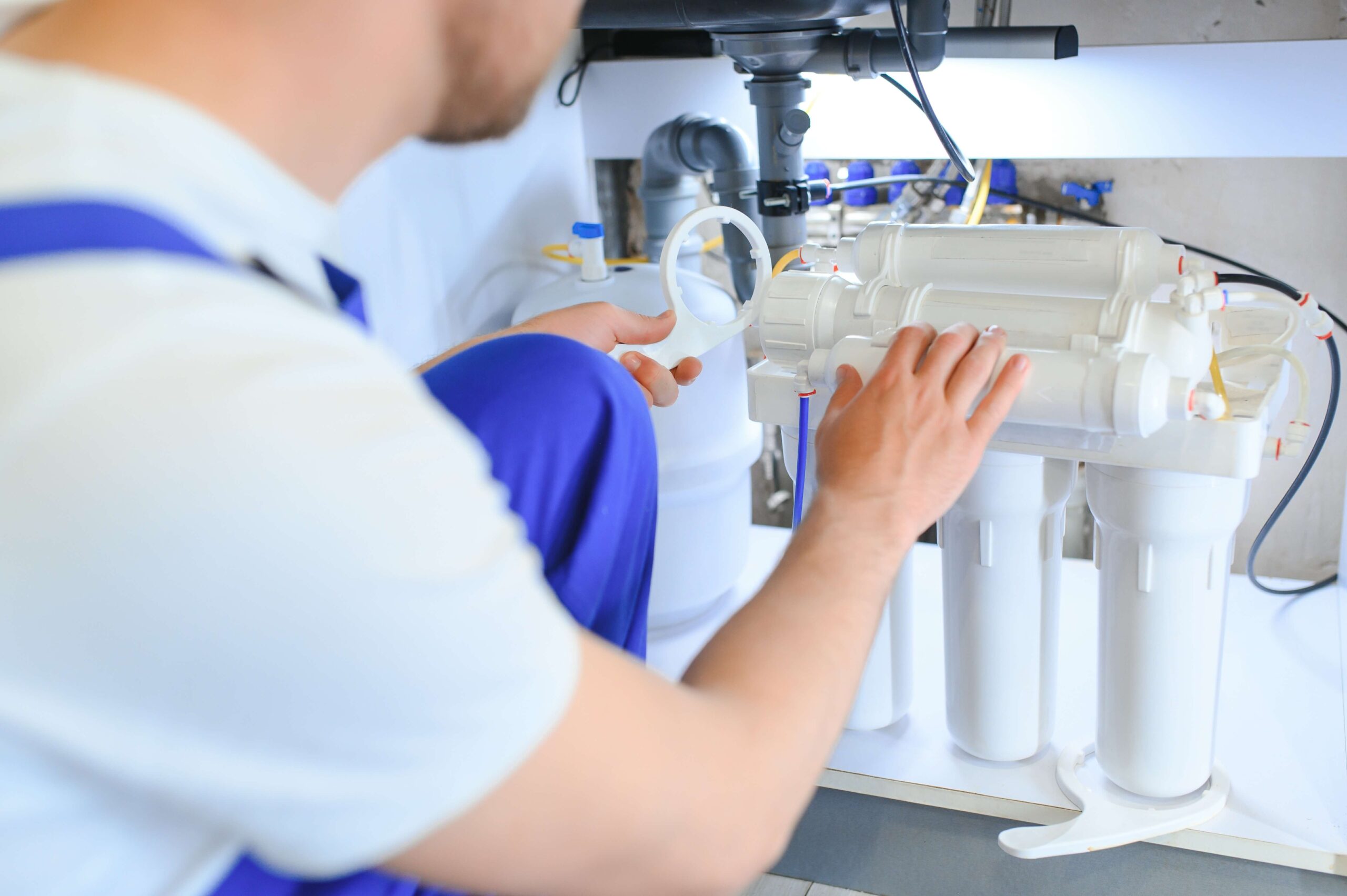
It starts with a real water test. Not a quick hardness check designed to justify the most expensive system on the truck actual lab analysis of what is in your specific water.
This matters more in Tallulah and North Shore than most places. JEA’s municipal testing reflects the distribution system overall, not what’s coming out of your tap through pipes that may have been in the ground since the Eisenhower administration. The test drives the recommendation, and the recommendation only includes what your water actually needs.
Once the results are in, you’ll get a clear explanation of what was found and what a reverse osmosis system will address. Under-sink RO installations are the most common choice for point-of-use drinking water clean water at the kitchen tap, sized correctly for your home’s usage and water chemistry.
Whole-house installations involve a connection to the main supply line and may require a permit under Jacksonville/Duval County code. We handle the permitting process as part of the installation, so you’re not left navigating city requirements on your own.
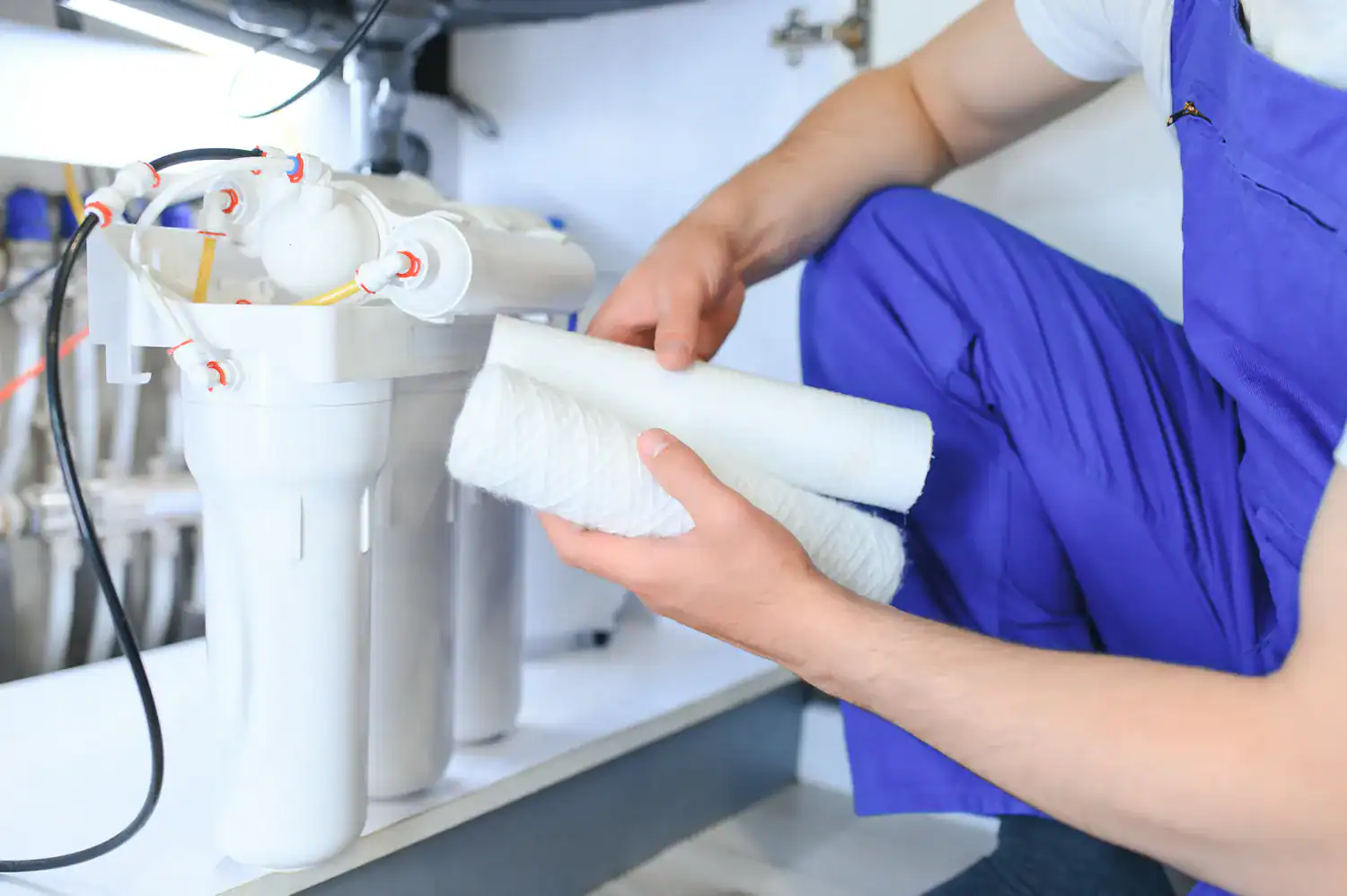
After installation, we walk you through filter replacement schedules pre-filters every six to twelve months, membrane replacement every two to five years and we’re reachable when service is needed. That part matters.
The companies that earn bad reviews in this industry are the ones who are impossible to contact after the sale. Our zero-complaint record is the proof that we haven’t built that habit.
Ready to get started?
A reverse osmosis system works by pushing water through a semi-permeable membrane with pores of 0.0001 microns small enough to reject dissolved solids, lead, arsenic, nitrates, fluoride, PFAS, and the disinfection byproducts that form when JEA’s chlorine chemistry interacts with the organic matter in Floridan Aquifer water.
Individual TTHM samples at some JEA monitoring sites exceeded the EPA’s 80 ppb limit in 2023. An RO system removes those byproducts at the point of use, which is the only place that removal actually counts.
For Tallulah and North Shore homeowners in pre-1960s homes, the lead concern is specific and worth taking seriously. Homes built before 1986 may have lead-soldered copper pipes or galvanized steel service lines. JEA’s 2020 lead sampling found 1.7 parts per billion at the municipal level but that number doesn’t represent what comes out of your individual tap through your individual pipes.
An under-sink RO system is the last line of defense between aging infrastructure and your drinking glass.
We also address the hard water problem that Jacksonville’s Floridan Aquifer source creates throughout Duval County. A whole-house approach pairing an RO drinking water system with a water softener handles both the mineral scale that’s wearing down your appliances and the dissolved contaminants in your drinking water.
Every system we install is sized and configured based on your actual water test results, not a one-size-fits-all package pulled from a catalog.
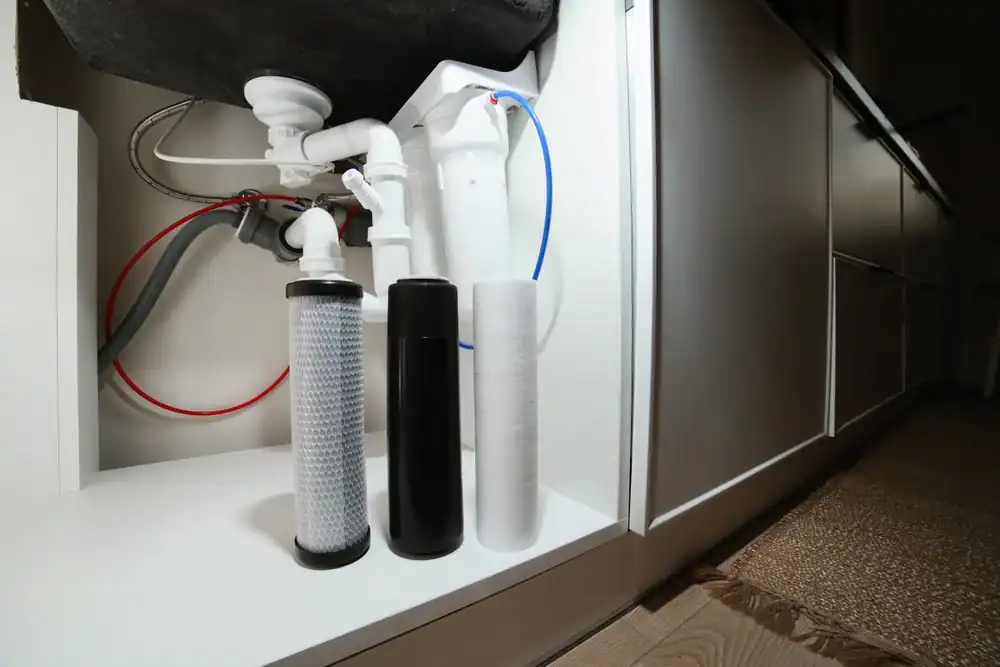
JEA meets all Safe Drinking Water Act standards, and they test extensively over 45,000 tests annually. So by the legal definition, yes, the water is safe.
But “meets legal minimums” and “cleanest possible water at your tap” are two different things. JEA’s water comes from the Floridan Aquifer, and when chlorine used for disinfection reacts with the organic matter naturally present in that aquifer water, it forms disinfection byproducts called trihalomethanes and haloacetic acids.
Some individual monitoring sites in the JEA system recorded TTHM levels above the EPA’s 80 parts per billion limit in 2023.
Beyond that, the water that leaves JEA’s treatment plant travels through 4,200 miles of distribution pipes before it reaches your home and in Tallulah and North Shore, where most homes were built before 1960, those last few feet through your own service lines matter. Homes of that age may have lead-soldered copper pipes or galvanized steel lines that can introduce contaminants between the municipal main and your kitchen faucet.
A reverse osmosis system addresses what’s happening at your specific tap, not just at the treatment plant level.
Under-sink reverse osmosis systems for point-of-use drinking water typically run in the range of a few hundred to over a thousand dollars installed, depending on the number of stages, the brand, and whether additional pre-filtration is needed based on your water test results.
Whole-house RO systems are a larger investment and are priced based on your home’s size and water usage. We’ll give you a clear number after your water test not a ballpark designed to get you in the door.
The more useful way to think about cost is against what you’re already spending. If your household is buying bottled water because you don’t trust the tap, you’re likely spending $50 to $100 per month that’s $600 to $1,200 a year.
Annual maintenance on an RO system runs roughly $100 to $200. The system pays for itself within two to three years, and it keeps producing cleaner water than most bottled brands at a fraction of the per-gallon cost. On a Tallulah/North Shore household budget, that math is worth doing.
A properly functioning reverse osmosis system removes 95 to 99 percent of dissolved contaminants, including lead, arsenic, nitrates, fluoride, PFAS, and the disinfection byproducts trihalomethanes and haloacetic acids that form when chlorine-based treatment interacts with organic matter in the water supply.
It also removes dissolved solids that contribute to the hard water characteristics Jacksonville is known for, which means better-tasting water and less mineral buildup on fixtures and appliances.
What RO does not do on its own is soften water throughout the whole house. It treats the water at the point of use typically your kitchen tap. If you’re also dealing with hard water damage to your water heater, dishwasher, and plumbing throughout the home, a water softener paired with the RO system is the more complete approach.
In a pre-1960s Tallulah or North Shore home where appliances and pipes are already aging, addressing both issues together makes more long-term sense than treating them separately.
Yes and not just as a formality. The water at your tap in a pre-1960s Tallulah or North Shore home may look very different on a lab report than what JEA reports at the distribution system level.
Municipal testing reflects averages across the entire network. Your specific home, with its specific pipe age and material, may have elevated lead, higher mineral content, or different disinfection byproduct levels than the system-wide numbers suggest.
A water test also determines whether a standard under-sink RO system is sufficient or whether additional pre-filtration stages are needed to protect the membrane and extend its life. Installing an RO system without testing first is like buying medication without a diagnosis you might get lucky, or you might end up with the wrong solution for your actual problem.
We start every job with lab-grade water analysis, and the system recommendation comes from what that test finds, not from what’s easiest to sell.
At the drinking water tap, yes. RO removes the dissolved calcium and magnesium that make Jacksonville’s water hard, which means no more mineral taste and significantly less scale buildup in your kettle, coffee maker, and ice machine.
If you’ve noticed white deposits on your faucets or cloudy spots on your glassware, that’s the Floridan Aquifer’s limestone mineral load coming through and an RO system eliminates it at the point of use.
For whole-house hard water protection your water heater, dishwasher, washing machine, and shower fixtures a water softener is the right tool. In an older Tallulah or North Shore home where the plumbing has been absorbing hard water scale for decades, that distinction matters.
A water heater replacement in Jacksonville runs $800 to $1,500. Catching the hard water problem before it accelerates wear on aging appliances is a lot cheaper than replacing them. Many homeowners in this area end up pairing an under-sink RO system with a whole-house softener, and we can assess both needs in the same visit.
Please provide your email address so that we can stay in touch and answer any questions you have! We will be reaching back out shortly.
"*" indicates required fields
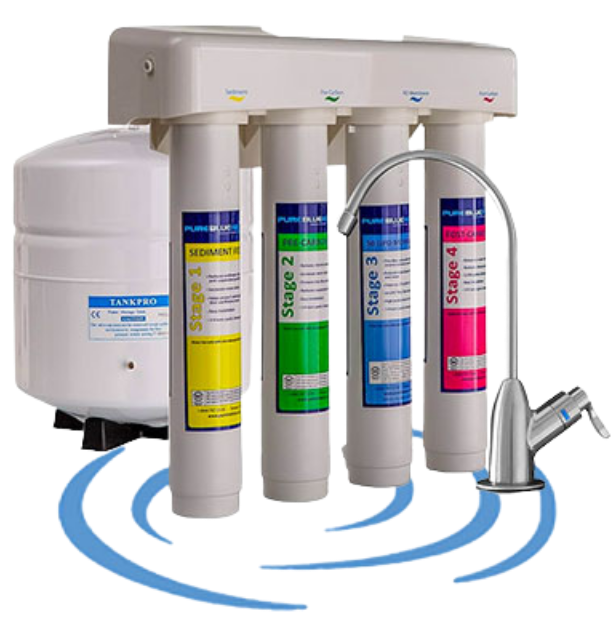
Get a free reverse osmosis drinking water system with the purchase of any whole-home water purification system.
*Cannot be combined with other offers. Mention this special when you call.