Reach Out Today
Please provide your email address so that we can stay in touch and answer any questions you have! We will be reaching back out shortly.

Hear from Our Customers
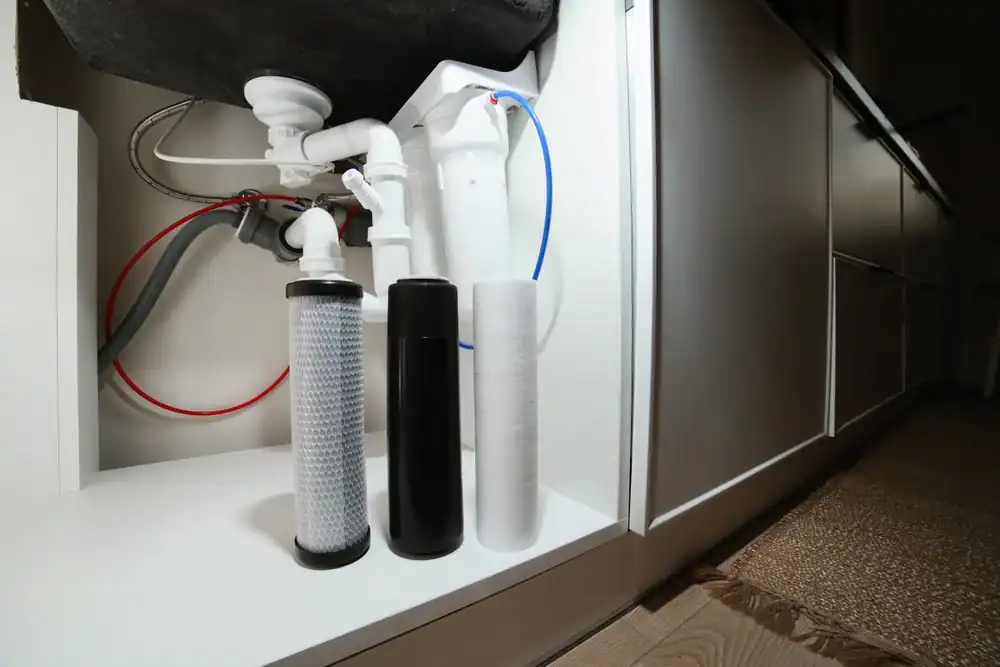
Most Silver Springs residents on private wells have never had their water professionally tested. That’s not a knock it’s just how it goes when you’re in an unincorporated community without a municipal water system watching over things. But the Upper Floridan Aquifer that supplies those wells is the same limestone-and-dolomite system that feeds the Silver Springs artesian springs and the USGS has been documenting rising nitrate concentrations in that basin since the 1960s.
A properly installed reverse osmosis system removes up to 99% of dissolved contaminants nitrates, agricultural chemicals from the horse farms and row crops surrounding Marion County, naturally occurring iron and sulfur, and emerging contaminants like PFAS that no municipal treatment plan fully addresses. What you get on the other side is water that doesn’t smell like rotten eggs, doesn’t leave orange stains on your fixtures, and doesn’t make you wonder whether you should be buying cases of bottled water every week.
And if you’re already doing that buying bottled water regularly the math works out fast. Most households spending $50 to $100 a month on bottled water recover the cost of an under-sink reverse osmosis system within a couple of years. After that, you’re just drinking clean water for pennies on the gallon.
We don’t install water heaters. We don’t touch plumbing. We don’t offer HVAC services as an afterthought. Water treatment is the only thing we do, which means every technician who shows up at your Silver Springs home has dealt with the iron staining, the sulfur odor, and the nitrate concerns that come specifically with drawing from the Floridan Aquifer in Marion County. We’re not learning your water chemistry on your dime.
We hold an A-rating with the Better Business Bureau, a 5-star rating, and zero complaints on record a combination that’s genuinely rare in this industry. We’re also a member of the National Water Quality Association, which requires ongoing training in exactly the kind of well water challenges common to rural, unincorporated communities like Silver Springs. Whether you’re off SR 40 near the state park or further east toward the Ocala National Forest boundary, we know this area’s water.
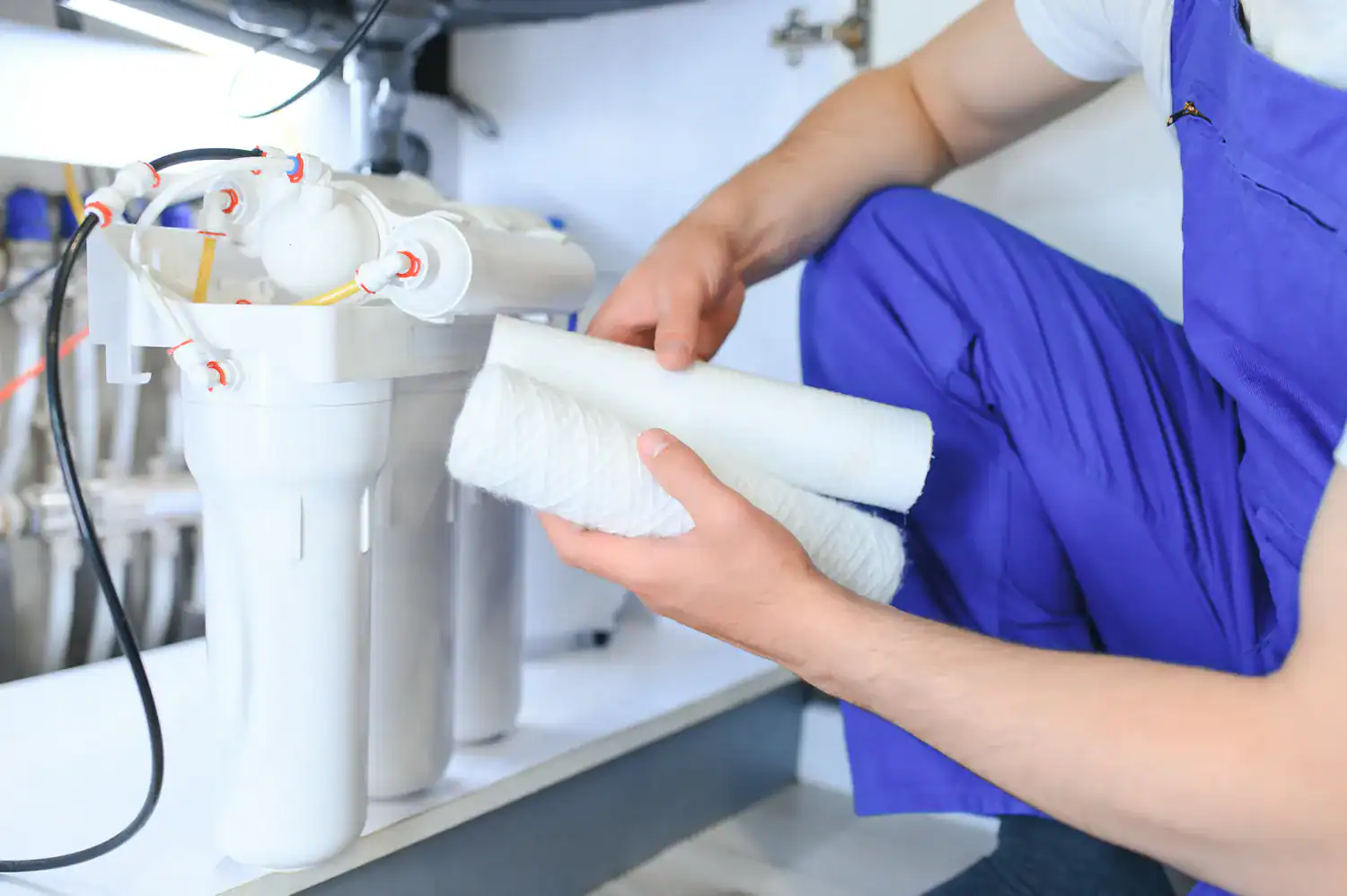
It starts with a real water test not a quick hardness check designed to move you toward the most expensive unit on the truck. We conduct an actual lab-grade analysis of your water before recommending anything. For Silver Springs residents on private wells, this matters more than it does almost anywhere else, because the karstic limestone geology beneath this area means two homes a quarter mile apart can have meaningfully different water chemistry depending on their proximity to agricultural land, septic systems, or natural fractures in the aquifer.
Once the test results are back, you’ll get a clear explanation of what’s in your water and what needs to come out of it. The system recommendation follows the data not a sales script. If an under-sink reverse osmosis drinking water system is the right fit, we’ll size it correctly for your household. If your well water also needs iron treatment or a water softener upstream of the RO membrane, that gets addressed too, because an RO system that isn’t properly pre-filtered won’t perform the way it should.
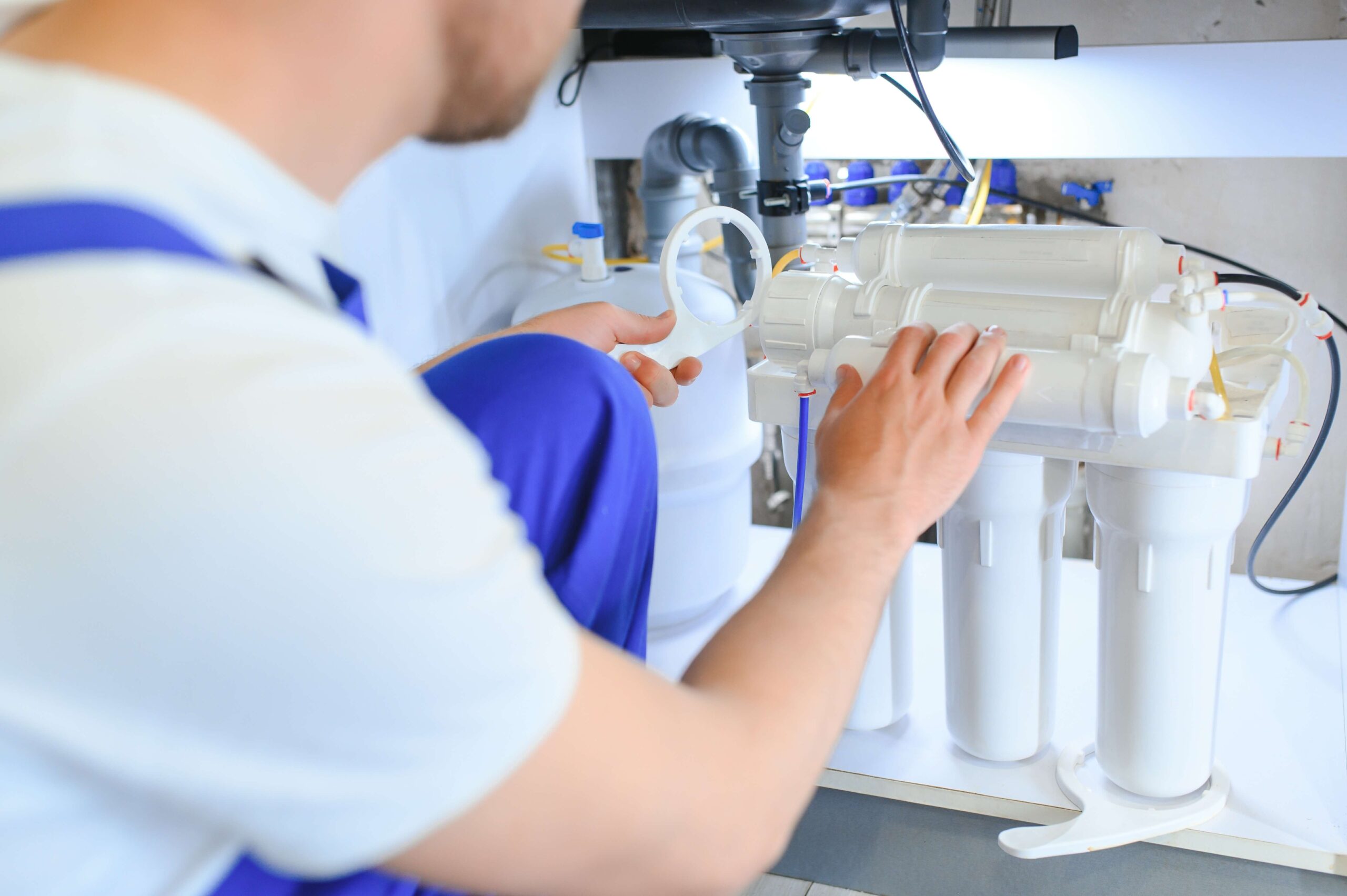
Installation is handled by our trained technicians who understand Marion County’s permit requirements for private well connections. After the system is in, we walk you through how it works, what the filter replacement schedule looks like, and how to reach us when it’s time for maintenance. Because we will still be answering the phone when your pre-filter needs changing six months from now and that’s not something every water treatment company in this market can honestly say.
Ready to get started?
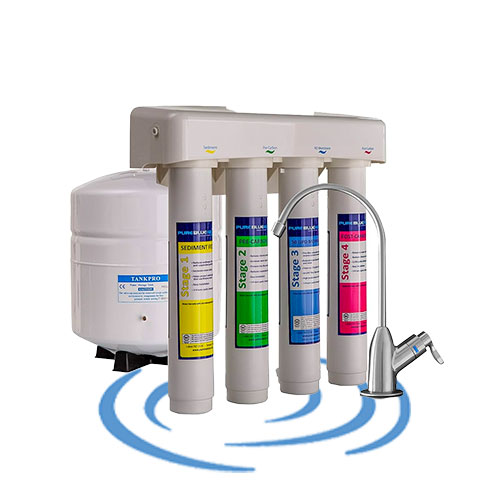
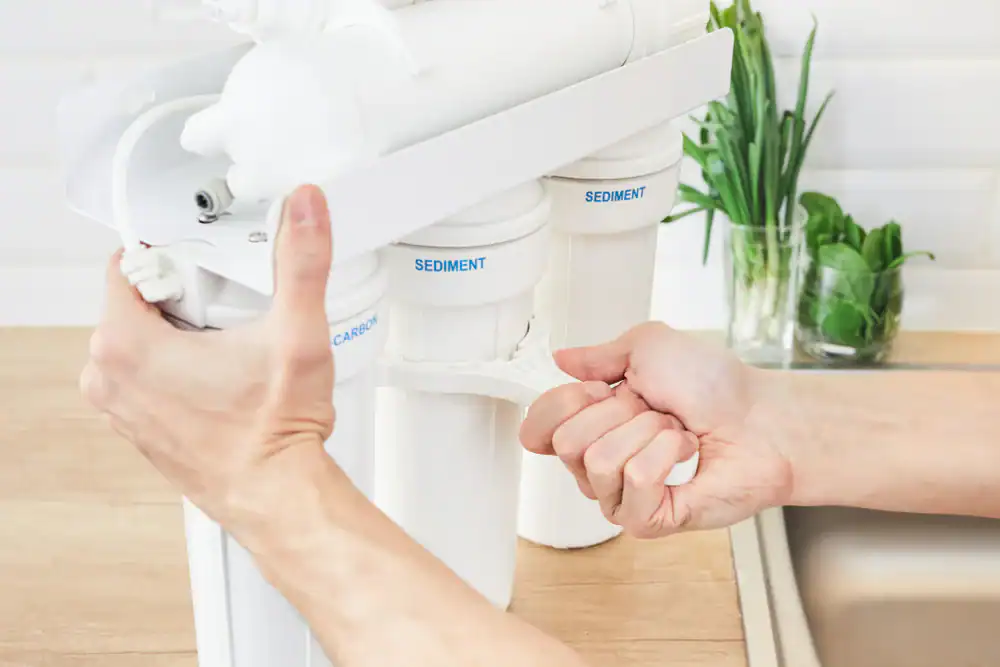
The reverse osmosis systems we install are sized and configured based on your actual test results not a one-size-fits-all package pulled off a shelf. For Silver Springs homes on private wells drawing from the Floridan Aquifer, that typically means addressing multiple water quality issues in sequence: sediment pre-filtration to protect the membrane, iron and sulfur treatment if your water has that characteristic rotten-egg smell or orange staining, and then the RO membrane itself, which filters water down to 0.0001 microns small enough to reject dissolved nitrates, heavy metals, PFAS, fluoride, and virtually everything else that isn’t a water molecule.
For residents connected to the Silver Springs Shores Municipal Water Company or Marion County Utilities, the system configuration is different but the need is real. Treated municipal water meets federal legal minimums it doesn’t remove disinfection byproducts, sub-regulatory nitrate levels, pharmaceutical traces, or the dissolved minerals that cause scale buildup on appliances and fixtures over time.
Every system comes with a clear maintenance schedule, US-manufactured components, and the backing of a company that services what it sells. If you’re active military, a veteran, or a first responder a significant part of the Silver Springs community there’s a $500 discount applied directly to your installation. We also support the Tunnels to Towers Foundation, which builds mortgage-free homes for Gold Star families and the families of fallen first responders. That’s not a footnote it’s part of who we are.
That depends entirely on what’s in your specific well and most Silver Springs residents have never had that tested. Private wells in unincorporated Marion County are not regulated under the Safe Drinking Water Act, which means there’s no treatment, no monitoring, and no agency checking your water on your behalf. The Upper Floridan Aquifer that supplies most of these wells has documented and rising nitrate contamination, with the USGS tracking increases from below 0.5 mg/L in the 1960s to around 1.0 mg/L at the Silver Springs main spring by 2003 and the trend has continued upward since.
Beyond nitrates, the karstic limestone geology beneath Silver Springs makes the aquifer unusually vulnerable to surface contamination. Agricultural chemicals from nearby horse farms and row crop operations, septic effluent from the majority of Marion County homes that aren’t connected to public sewer, and naturally occurring minerals like iron and hydrogen sulfide can all enter the aquifer through sinkholes and limestone fractures. Whether your water is safe isn’t a question anyone can answer without testing it first and that’s exactly where we start.
A properly functioning multi-stage reverse osmosis system removes the vast majority of dissolved contaminants by forcing water through a semi-permeable membrane with pores of 0.0001 microns. At that scale, it rejects dissolved nitrates, heavy metals including lead and arsenic, PFAS compounds, fluoride, agricultural chemicals, pharmaceutical traces, and most dissolved salts and minerals. For Silver Springs well water specifically, that includes the nitrates documented in the Silver Springs basin, the iron and sulfur compounds common to Floridan Aquifer wells in Marion County, and any agricultural chemical runoff that has entered the aquifer through the area’s porous limestone geology.
What a standard RO membrane doesn’t address on its own is sediment, iron, and hydrogen sulfide at higher concentrations those need to be treated upstream with pre-filtration stages before the water reaches the membrane. That’s why the test-first process matters: it identifies exactly what’s in your water so the system is configured correctly from the start, rather than discovering a membrane-clogging iron problem after installation.
The cost varies based on what your water actually needs, which is why testing comes before any quote. An under-sink reverse osmosis drinking water system the kind that connects to a dedicated faucet at your kitchen sink and filters water for drinking and cooking typically costs several hundred dollars for the unit itself, plus professional installation. Whole-house or point-of-entry systems that treat all water entering the home are a larger investment, generally starting around $1,500 and going up depending on the number of treatment stages required.
For Silver Springs residents on private wells, the total cost often includes pre-treatment components an iron filter, a sediment filter, or a water softener that need to be installed upstream of the RO membrane to protect it and make it effective. Skipping those stages to save money upfront usually means a membrane that clogs prematurely and a system that underperforms. We provide a clear, itemized quote after testing your water, so you know exactly what you’re paying for and why. Veterans, active military, and first responders receive $500 off the installation.
A standard reverse osmosis system has multiple filter stages, and each one has a different service interval. Pre-filters typically sediment and carbon cartridges are usually replaced every six to twelve months depending on your water quality and usage. The RO membrane itself generally lasts two to five years under normal conditions, though well water with high sediment, iron, or mineral content can shorten that lifespan if the pre-filters aren’t maintained properly. A post-filter or polishing carbon stage is typically replaced annually.
For Silver Springs residents on private wells, filter replacement intervals can vary more than they do for municipal water users, because well water quality isn’t constant it shifts with seasonal rainfall, changes in nearby agricultural activity, and the natural variability of the Floridan Aquifer. During dry periods, when the aquifer recharge rate slows, mineral concentrations in well water can increase, which puts more demand on your pre-filters. We provide a clear maintenance schedule at installation and handle filter replacements when you call we don’t disappear after the truck leaves your driveway.
Yes and it’s a common misconception that municipal water users don’t need additional filtration. The Silver Springs Shores Municipal Water Company treats water to meet federal legal standards, which means it passes regulatory tests. What it doesn’t fully remove are disinfection byproducts compounds like trihalomethanes and haloacetic acids that form when chlorine reacts with organic matter in the water along with sub-regulatory levels of nitrates, pharmaceutical traces, and PFAS compounds that are increasingly present throughout Florida’s groundwater system.
Municipal water also contains dissolved minerals that cause scale buildup on appliances, fixtures, and water-using equipment over time. An under-sink reverse osmosis system installed on your drinking water line filters out what the municipal treatment plant leaves behind, giving you water that tastes clean, doesn’t smell like chlorine, and doesn’t leave mineral deposits in your coffee maker or ice machine. The installation process for municipal water connections is straightforward and doesn’t require the same pre-treatment stages that private well water typically needs.
Please provide your email address so that we can stay in touch and answer any questions you have! We will be reaching back out shortly.
"*" indicates required fields