Reach Out Today
Please provide your email address so that we can stay in touch and answer any questions you have! We will be reaching back out shortly.

Hear from Our Customers
The white crust on your faucets isn’t cosmetic. It’s calcium and magnesium from the Floridan Aquifer building up on every fixture, inside every appliance, and inside your water heater slowly shortening the lifespan of things you paid good money for. JEA classifies the water serving San Jose as very hard, above 10.5 grains per gallon, and that number doesn’t lie. A properly installed reverse osmosis system stops that damage at the source.
Then there’s the taste. JEA chlorinates the supply they have to but chlorine reacting with organic matter creates disinfection byproducts that show up as that chemical smell and flat, unpleasant flavor from your tap. Their own 2023 Water Quality Report shows some monitoring locations exceeded 80 ppb for trihalomethanes. Our RO system’s activated carbon stage and semi-permeable membrane pull those compounds out before the water ever reaches your glass.
For San Jose homeowners in the midcentury ranches and Spanish Revival homes along San Jose Boulevard, there’s one more layer worth knowing. Homes built before 1986 may have lead solder at pipe joints and JEA’s own sampling has detected lead at the municipal level. Reverse osmosis removes lead to below detectable limits at the point of use. It’s just the reality of older plumbing, and it’s a solvable problem.
Quality Safe Water of Florida is a water treatment company full stop. No plumbing calls, no HVAC repairs, no water heaters. Just water treatment, done right, for homeowners across North and Central Florida, including San Jose and the surrounding Southside Jacksonville corridor.
That focus matters more than it sounds. When you call a plumbing company for RO service, you’re competing with drain calls and pipe emergencies for their attention. When you call us, water treatment is the only thing on the schedule. We hold an A-rating with the Better Business Bureau, a 5-star score, and zero complaints on record a combination you can verify yourself at bbb.org right now. We’re also members of the National Water Quality Association, which means our technicians are trained specifically in Florida’s water chemistry, not just general plumbing.
We service what we sell. In a market where that’s apparently not standard practice anymore, it’s worth saying plainly.
It starts with a real water analysis not a quick hardness test designed to justify the most expensive system on the shelf. We test your water with lab-grade analysis to identify exactly what’s present: hardness, pH, iron, total dissolved solids, disinfection byproducts, and any contaminants relevant to JEA’s distribution system in your San Jose ZIP code. The system recommendation comes after the test, not before. That order matters.
Once the analysis is complete, we match the right system to your actual water chemistry and your home’s needs. Under-sink reverse osmosis systems are installed at an existing sink connection typically the kitchen using your current supply and drain lines. In Duval County, under-sink installations at existing fixtures generally don’t require a building permit. Whole-house RO systems that require modification to main supply lines may need a plumbing permit under the Florida Building Code, and we handle that process with you.
After installation, you get a walkthrough of the system, filter replacement schedule, and our service contact information. There’s no mystery about what happens next. Filter changes, membrane replacements, and system checks are handled by the same company that installed the unit not a third-party dispatch line. San Jose summers push water consumption up significantly, and knowing your system is maintained by someone who actually knows it makes a real difference when you’re running the tap more than usual.
Ready to get started?
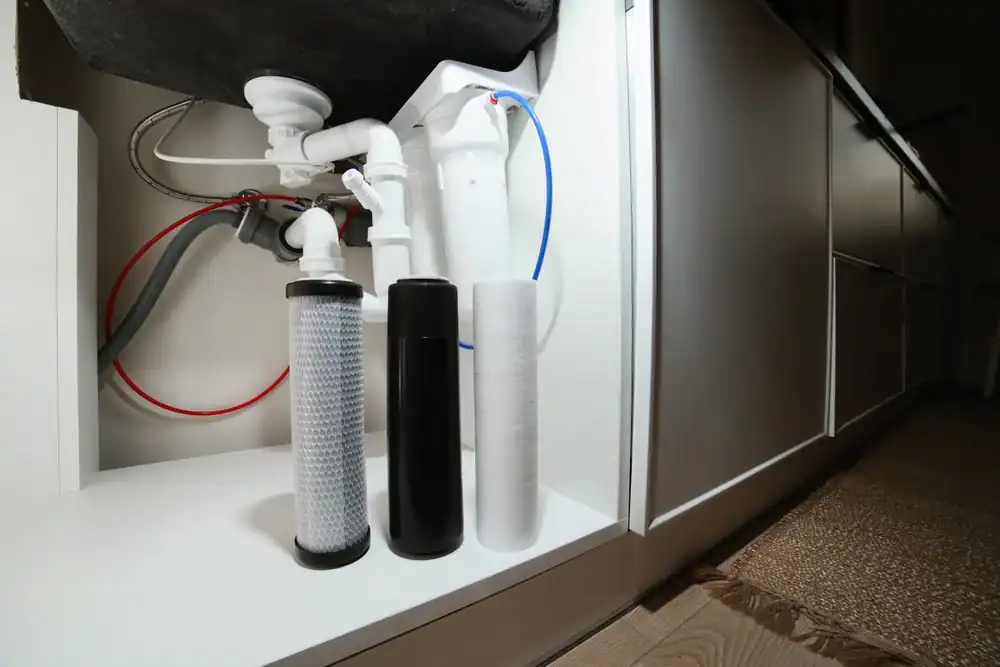
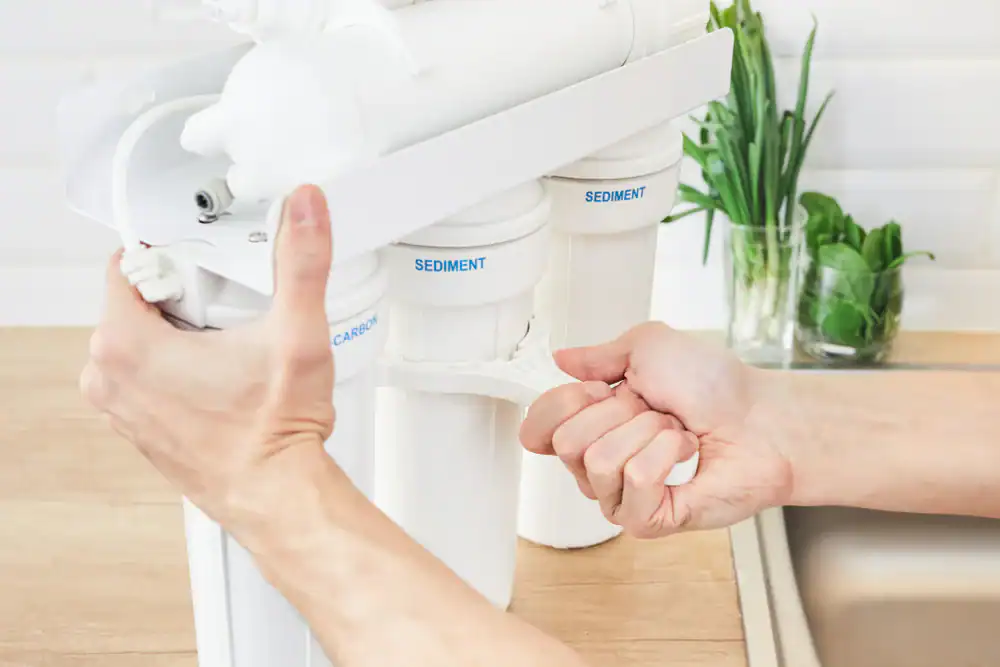
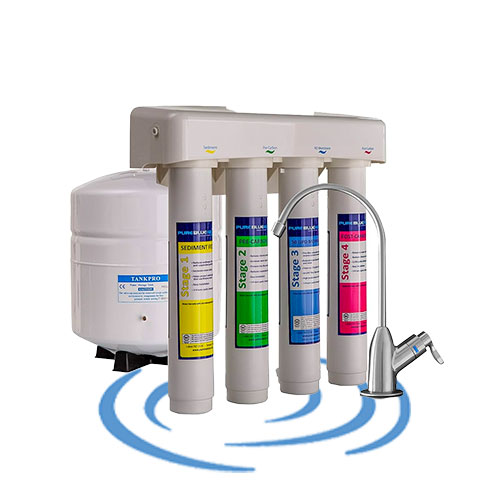
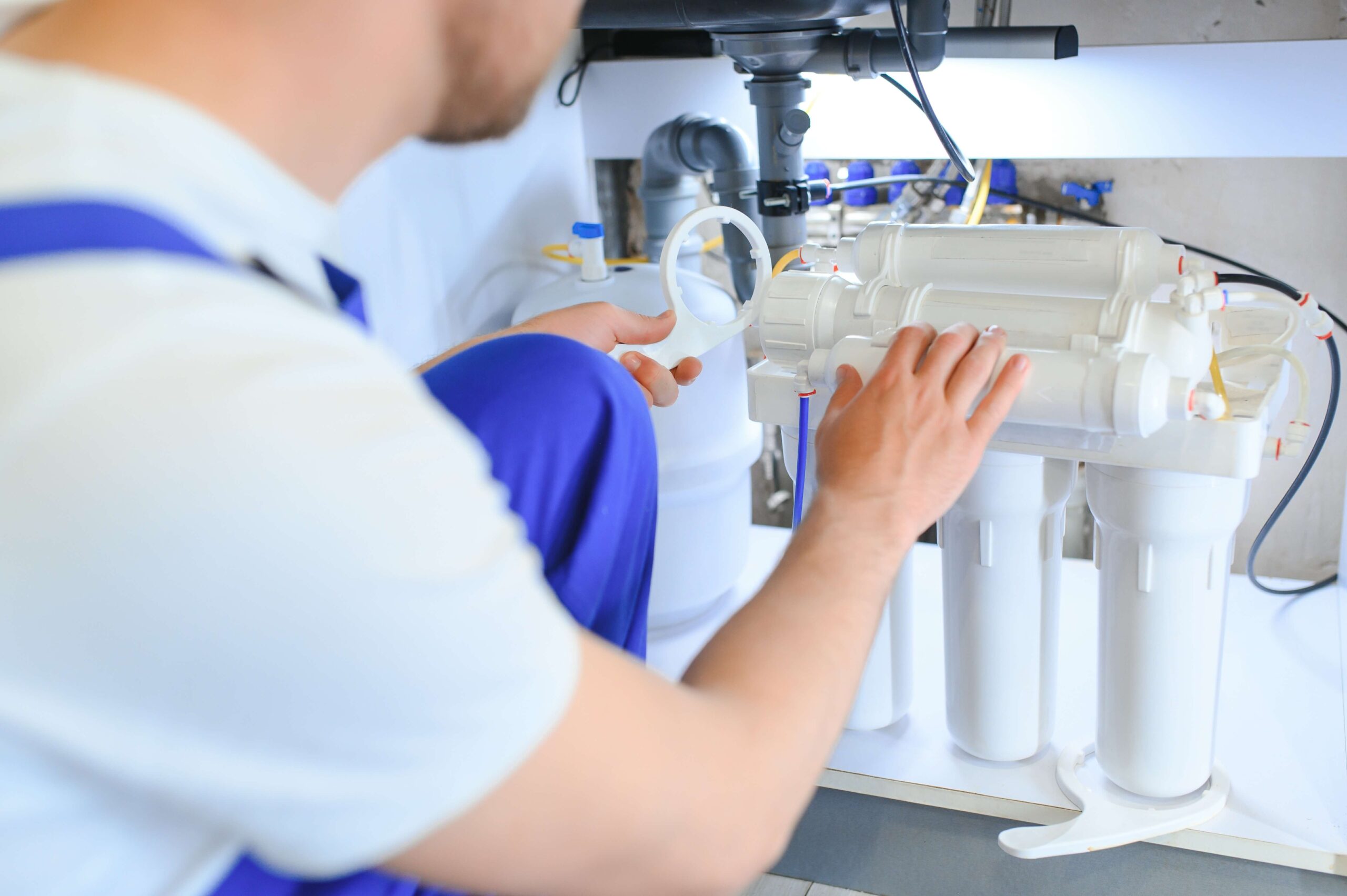
We install reverse osmosis systems across the full range of residential needs in San Jose. For most households, the conversation starts with an under-sink RO system at the kitchen tap a multi-stage unit that handles sediment pre-filtration, activated carbon for chlorine and disinfection byproducts, the RO membrane itself for dissolved solids and lead, and a post-filter polish before the water reaches your glass. It’s compact, it’s quiet, and it produces water that is measurably cleaner than anything coming out of a pitcher filter or a refrigerator dispenser.
For homeowners who want whole-house purification particularly in the larger riverfront properties and gated communities along the St. Johns River side of San Jose whole-house reverse osmosis systems treat every water point in the home. That means the same clean water at every faucet, shower, and appliance. For homes with decades-old plumbing where scale buildup has already done visible damage, this is the level of protection that actually addresses the problem comprehensively.
We also offer water softeners, salt-free conditioning systems, UV purification through our Purelight system, and well water filtration for properties outside the JEA grid. Every recommendation is driven by the water analysis results, not a sales script. And if you’re active military, a veteran, or a first responder Jacksonville has a large community of all three a $500 discount applies to your installation. No fine print.
JEA’s water meets EPA regulatory standards, so technically yes it’s treated and monitored. But meeting the legal threshold and being something you’d actually want to drink every day are two different things. JEA’s 2023 Water Quality Report shows some monitoring locations in the distribution system exceeded 80 ppb for trihalomethanes, which is the federal maximum contaminant level. Bromate and haloacetic acids have also been detected. These are disinfection byproducts created when chlorine reacts with naturally occurring organic matter in the water supply.
Beyond the byproducts, San Jose’s water is classified as very hard above 10.5 grains per gallon because JEA draws from the Floridan Aquifer, a deep limestone formation. Hard water isn’t a health emergency, but it does affect taste, causes scale buildup on fixtures, and shortens appliance lifespans. For families in San Jose’s older homes, where plumbing predates the 1986 federal ban on lead solder, there’s also a real case for point-of-use filtration as an added layer of protection. A water analysis gives you the actual numbers for your specific address.
Under-sink reverse osmosis systems for residential use in the San Jose area typically range from a few hundred dollars on the low end for basic units to $500–$1,500 or more for multi-stage systems installed professionally with quality components. The cost depends on the number of filtration stages, the membrane quality, the storage tank size, and whether any additional pre-treatment is needed based on your water analysis results. In San Jose, where JEA water has measurable hardness and disinfection byproducts, skipping on membrane quality to save upfront money tends to cost more in filter replacements and performance issues later.
Whole-house reverse osmosis systems are a larger investment typically $3,000 or more depending on home size and system configuration but they treat every water point in the home and have a lifespan of 15 to 20 years with proper maintenance. When you factor in what most San Jose families spend on bottled water often $600 to $1,200 a year an under-sink RO system pays for itself within a few years. Our free water analysis gives you a clear starting point before any numbers are discussed.
Yes, and here’s why it happens. JEA chlorinates the water supply as part of their disinfection process that part is necessary and required. The problem is that chlorine reacting with naturally occurring organic matter in the water creates trihalomethanes and haloacetic acids, which are the compounds responsible for that chemical taste and smell. JEA’s own reporting acknowledges these disinfection byproducts are present in the distribution system, and some locations have measured above the federal limit.
A multi-stage reverse osmosis system addresses this directly. The activated carbon pre-filter stage removes free chlorine and reduces disinfection byproducts before the water even reaches the RO membrane. The membrane itself then filters out dissolved solids, heavy metals, and remaining contaminants. By the time water reaches your glass, it’s gone through four to six stages of filtration depending on the system. The difference in taste is immediately noticeable. If you’ve been buying bottled water because your tap tastes off, this is the permanent fix not a recurring expense.
It depends on what problem you’re actually trying to solve which is exactly why we start with a water analysis rather than a recommendation. A water softener addresses hardness specifically. It replaces calcium and magnesium ions with sodium through an ion exchange process, which eliminates scale buildup on fixtures and appliances and makes soap lather properly. If your primary concern is protecting your water heater, dishwasher, and plumbing from mineral damage, a softener handles that effectively.
A reverse osmosis system works differently. It filters water at the molecular level, removing dissolved solids, lead, disinfection byproducts, chlorine, and other contaminants but it treats water at a specific point of use, typically the kitchen tap. It doesn’t soften the water running through your whole-house plumbing the way a softener does. For many San Jose homeowners, particularly in the older midcentury homes where both hard water damage and aging plumbing are real concerns, a combination of a whole-house softener and an under-sink RO system for drinking and cooking water is the most complete answer. The water analysis tells you which problem is most urgent and which solution addresses it.
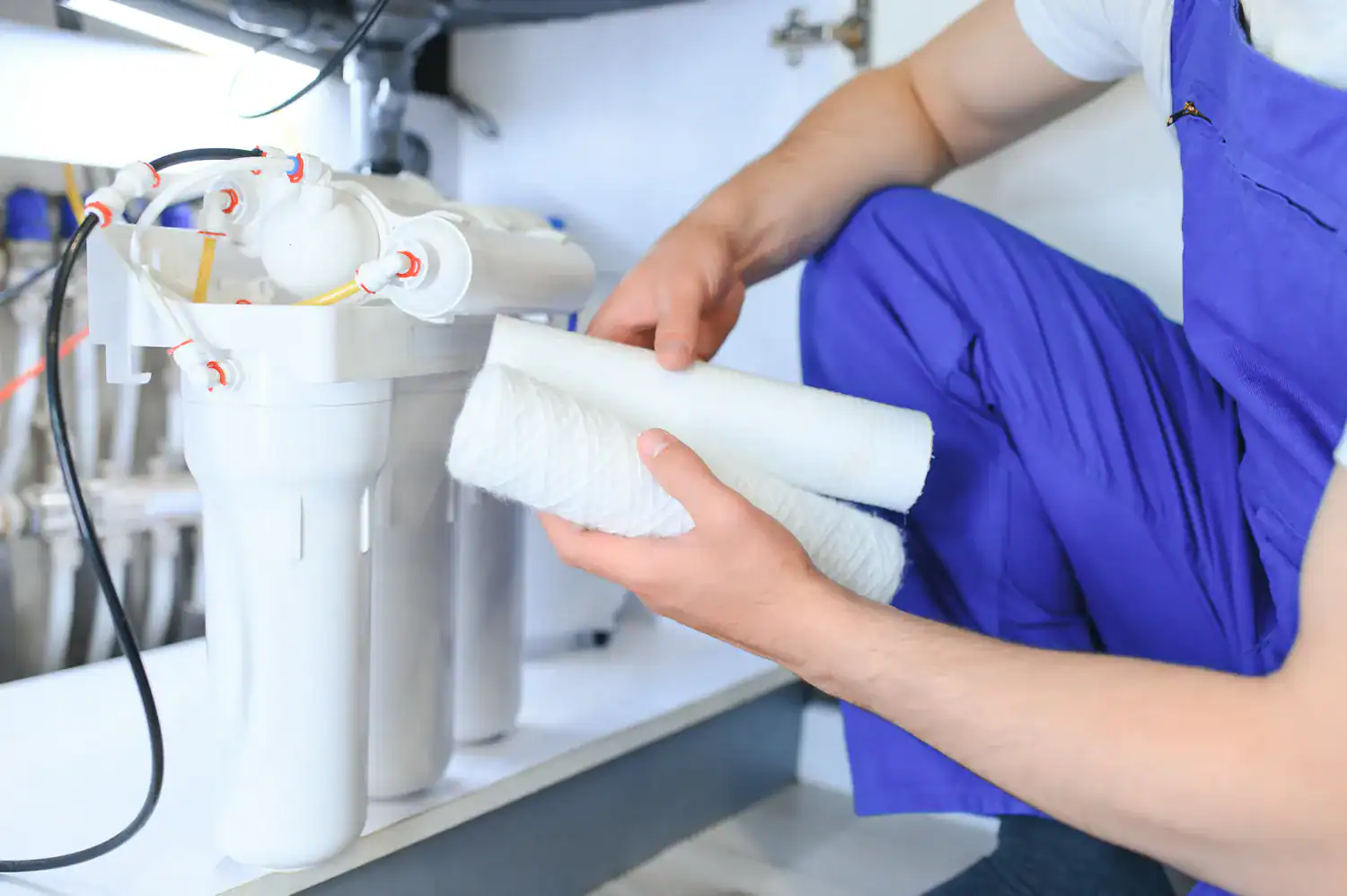
The pre-filters and post-filters in a standard under-sink RO system typically need replacement every six to twelve months depending on your water quality and usage volume. In San Jose, where JEA water has measurable hardness and disinfection byproducts, pre-filters may reach capacity closer to the six-month mark during the summer months when household water consumption increases Jacksonville’s heat from June through September pushes daily water use up significantly, and your filtration system processes all of it.
The RO membrane itself lasts longer typically two to four years before it needs replacement, again depending on your water chemistry and how much water the system processes. We handle all of this. We service what we install, which means filter replacements, membrane swaps, and system checks come from the same company that put the system in not a call center routing you to whoever is available. That continuity matters. A system that isn’t maintained on schedule loses performance gradually, and most homeowners don’t notice until the water quality has already degraded. Staying on a service schedule keeps the system running the way it was designed to.
Please provide your email address so that we can stay in touch and answer any questions you have! We will be reaching back out shortly.
"*" indicates required fields
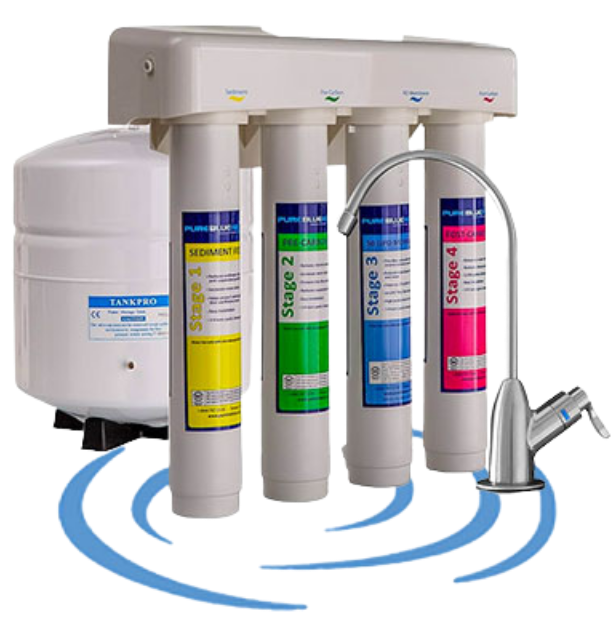
Get a free reverse osmosis drinking water system with the purchase of any whole-home water purification system.
*Cannot be combined with other offers. Mention this special when you call.