Reach Out Today
Please provide your email address so that we can stay in touch and answer any questions you have! We will be reaching back out shortly.

Hear from Our Customers
The most immediate thing most people notice is the taste. That faint chlorine edge the one that makes your tap water smell faintly like a pool disappears. Coffee tastes better. Ice is clearer. You stop reaching for the bottled water sitting on the counter and start using the tap again, because you actually trust it.
But the benefits run deeper than taste. JEA’s water comes from limestone aquifer geology, which means it naturally carries high mineral content. In a Pickwick Park home built in the 1970s or 1980s which describes most of the housing stock in this neighborhood that hard water has been quietly doing damage for decades. Scale builds up inside water heaters, shortens appliance lifespans, and leaves white deposits on every fixture it touches. A properly installed reverse osmosis system addresses the dissolved minerals at the point of use, which means your drinking water stops working against the home you’ve invested in.
For families in Pickwick Park who are close to Naval Air Station Jacksonville, there’s another layer worth knowing about. PFAS has been detected in shallow groundwater near NAS Jax and Cecil Field, and while JEA’s municipal supply didn’t trigger a detection during the EPA’s most recent monitoring period, that proximity is a real and documented regional concern not a hypothetical. Reverse osmosis is one of the most effective technologies available for removing PFAS. Installing a system now is a reasonable response to a documented local risk.
We are not a plumbing company that installs filters on the side. Water treatment is our entire business no HVAC, no drain cleaning, no water heaters. That matters because when your system needs service six months or two years from now, you’re calling a company where your call actually belongs, not competing for a slot on a dispatch board with AC repairs and slab leaks.
We hold a BBB A-rating with a 5-star rating and zero complaints on file. In an industry with a well-documented reputation for high-pressure sales and post-sale disappearing acts, that record is genuinely uncommon and it’s publicly verifiable at bbb.org, not just something printed on a brochure. We’re also a member of the National Water Quality Association, which means the technicians working in Pickwick Park homes are trained specifically in Florida water chemistry not just general water treatment principles.
For homeowners in Pickwick Park and the surrounding areas, that local knowledge matters. We understand JEA’s water, the Floridan Aquifer’s mineral load, and the specific contaminant profile that affects this ZIP code. We’re not learning your water when we arrive. We already know it.
It starts with a real water test not a quick hardness check designed to justify the most expensive system on the truck, but an actual lab-grade analysis of what’s coming out of your tap. In Pickwick Park, that test typically surfaces the things JEA’s own reporting acknowledges: elevated trihalomethanes, measurable arsenic, and hard water mineral content from the aquifer. The recommendation you get is based on what your water actually contains, not on a sales target.
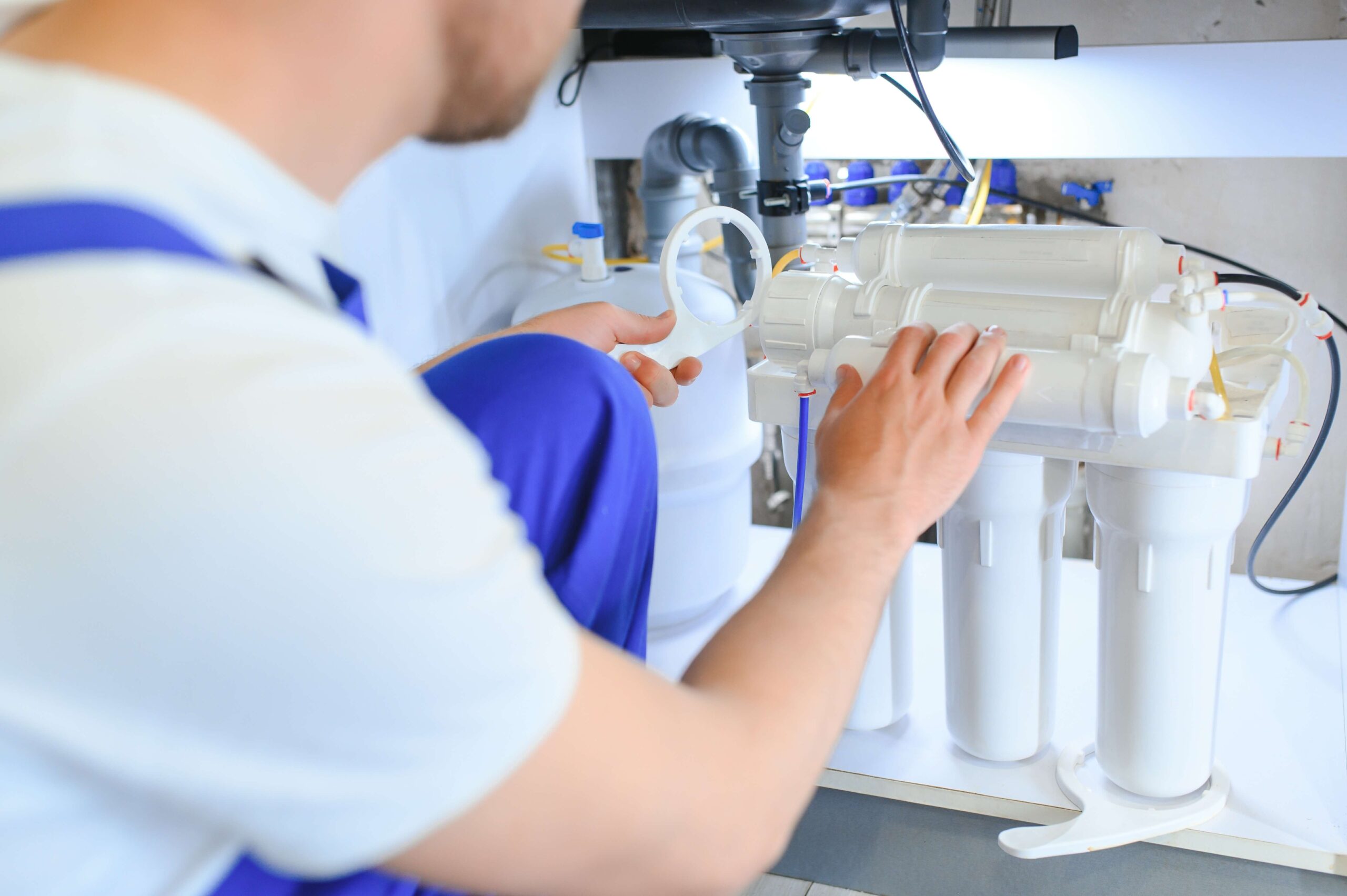
Once the right system is identified, installation for an under-sink reverse osmosis unit is a clean, contained process. The system connects to your existing cold water supply line and drain no major plumbing modifications, no permits required for a standard residential under-sink installation in Pickwick Park. Most installs are completed in a single visit. For whole-house configurations, which involve the main supply line, we handle any applicable Duval County permitting requirements so you don’t have to manage that process yourself.
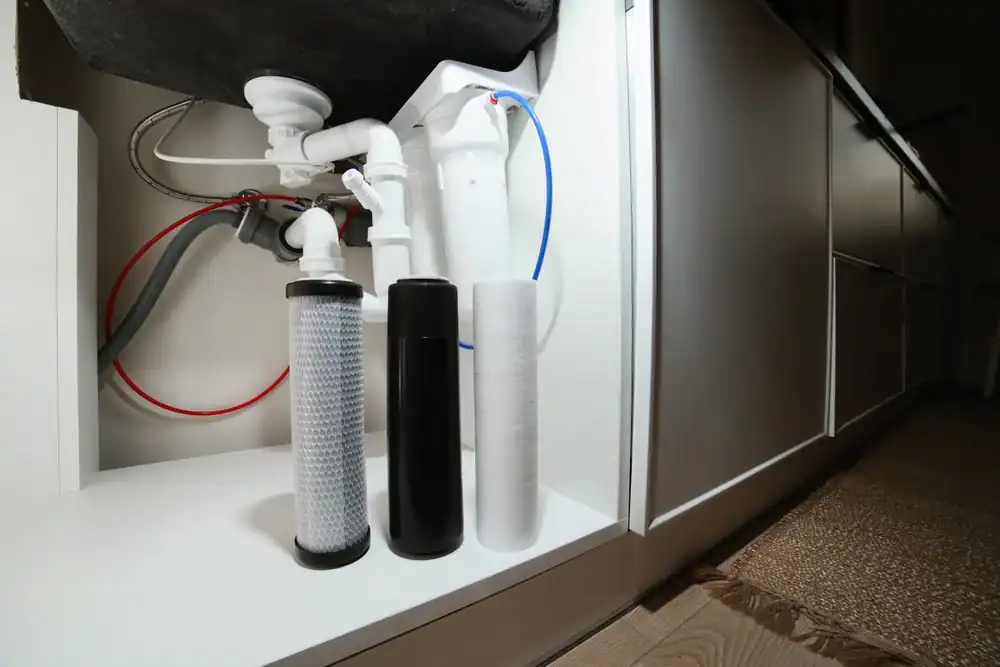
After installation, you’ll know exactly what your system needs to keep running well filter replacement schedules, membrane lifespan, and when to call for a service visit. That ongoing relationship is part of our model, not an afterthought. The goal is a system that works for the life of your home in Pickwick Park, not just the first few months after the sale.
Ready to get started?
Most homes in Pickwick Park were built between the 1940s and 1990s. That means the plumbing is older, the pipes may have never seen a filter, and the water running through them has been untreated for as long as the house has stood. The systems we install are sized and configured for exactly this kind of home not oversized whole-house units pushed on every customer, and not undersized countertop filters that don’t address the actual contaminant load in JEA water.
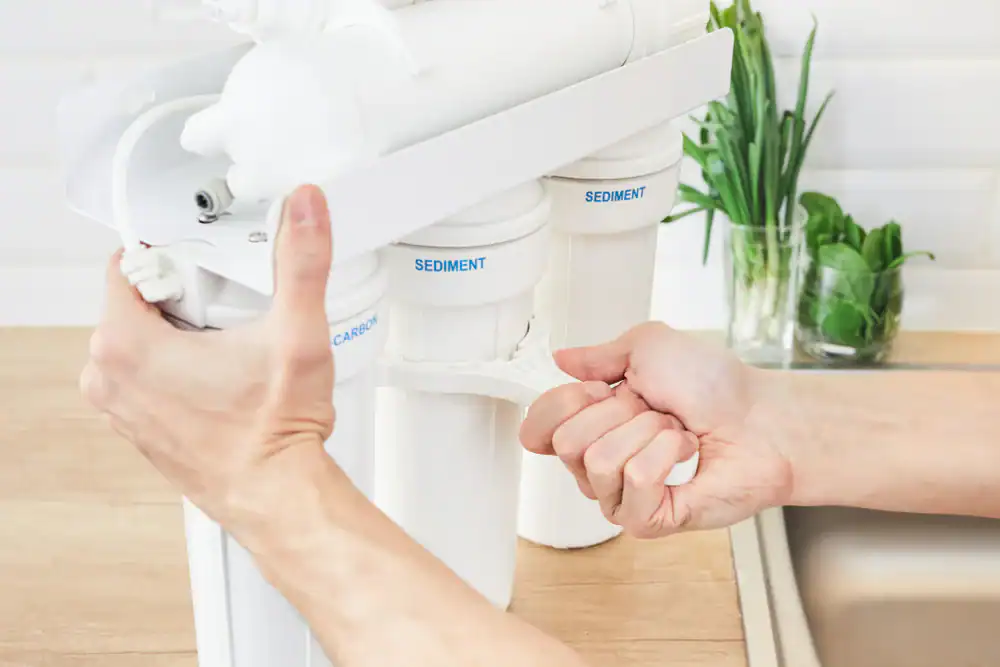
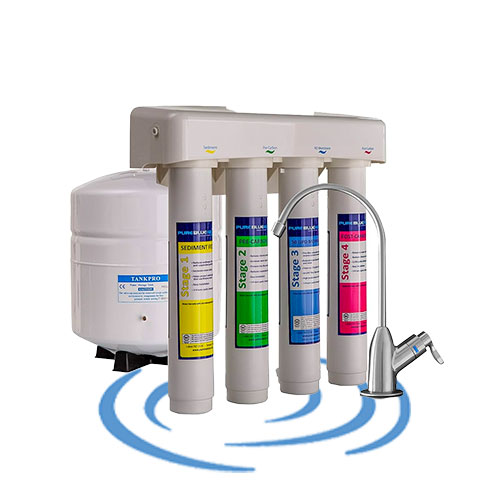
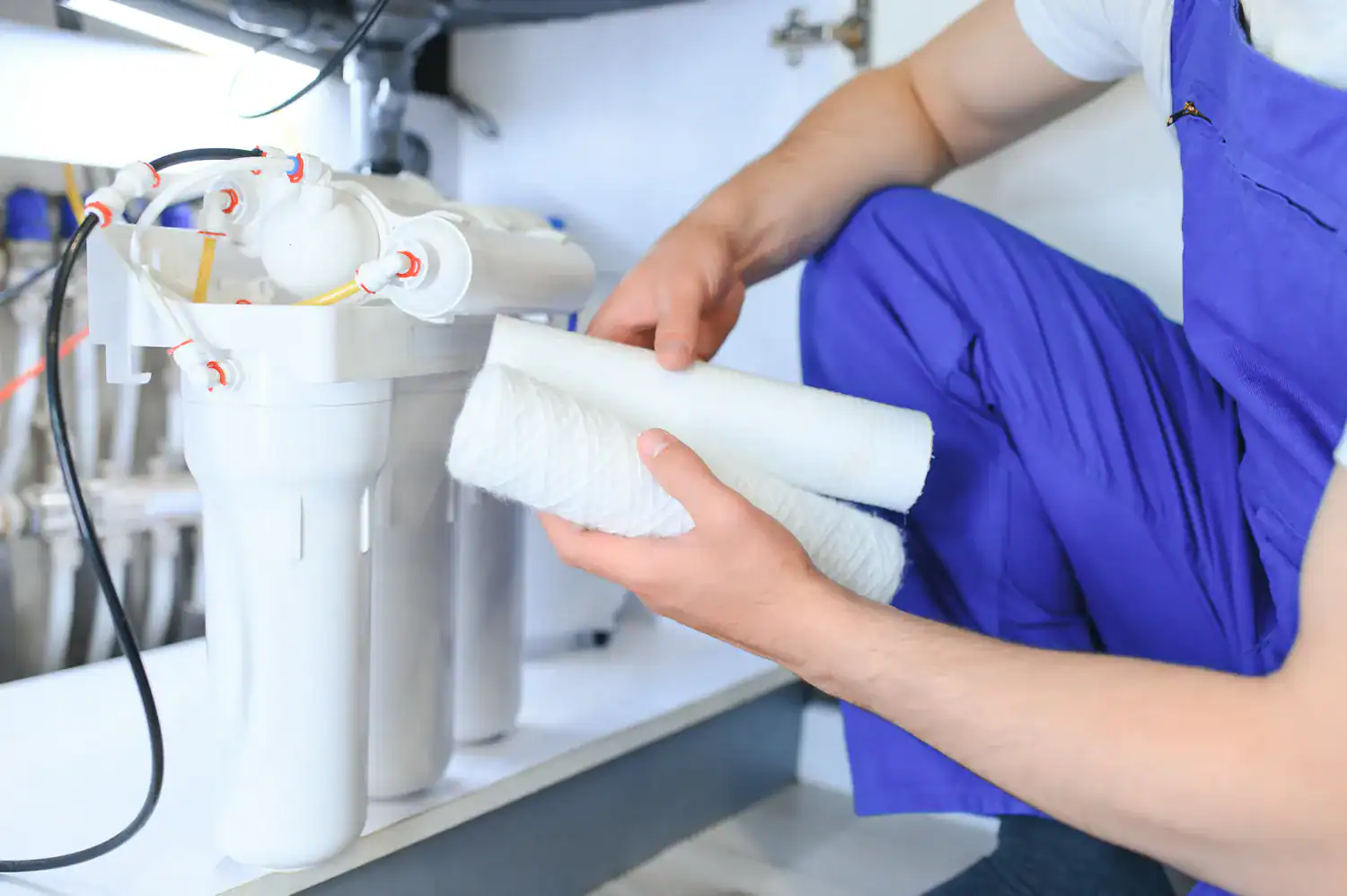
For most Pickwick Park households, an under-sink reverse osmosis system at the kitchen tap is the right starting point. It handles the water you drink, cook with, and make ice from which is where the health impact is most direct. The system uses a multi-stage filtration process: sediment pre-filtration, carbon block filtration to reduce chlorine and disinfection byproducts, the RO membrane itself (which removes 95–99% of dissolved contaminants including arsenic, trihalomethanes, nitrates, fluoride, and PFAS), and a post-filter polishing stage before the water reaches your glass.
For homeowners looking at whole-house coverage particularly those with aging pipes or significant hard water damage to fixtures and appliances we’ll walk through that option honestly after reviewing your water test results. The system recommendation follows the data, not the other way around. And if you’re active military, a veteran, or a first responder, a $500 discount applies to your system a straightforward acknowledgment of what the people in this community, many of whom commute to NAS Jacksonville via I-295, have given.
That depends on what’s in your specific water which is exactly why we start with a lab-grade test before recommending anything. What we know about JEA water in general is that independent testing by the Environmental Working Group has identified 23 detected chemicals in the supply, including trihalomethanes at levels that exceed EWG health guidelines by a significant margin, and arsenic measured at roughly 12 times EWG’s recommended threshold even while staying within EPA legal limits.
For a home in Pickwick Park built in the 1970s or 1980s, you’re also dealing with older internal plumbing that can introduce additional contaminants after the water leaves JEA’s system. The EPA tests water at the treatment plant, not at your tap. What that means practically is that the water quality data JEA publishes reflects their system, not necessarily what’s coming out of your kitchen faucet. A water test specific to your home gives you an honest answer and from there, the recommendation is based on what the data shows, not on a sales script.
A properly installed RO system removes the contaminants that standard carbon filters and pitcher filters leave behind. The semi-permeable membrane at the core of the system has pores of 0.0001 microns small enough to block dissolved solids, heavy metals, and chemical compounds that other filtration methods pass right through.
For Pickwick Park homeowners on JEA water, the most relevant removals are trihalomethanes (the disinfection byproducts formed when chlorine reacts with organic matter in the water), arsenic, lead, nitrates, fluoride, and PFAS. That last one matters specifically in this part of Duval County given the documented PFAS detections in shallow groundwater near NAS Jacksonville and Cecil Field. Reverse osmosis is one of the few residential technologies that addresses all of these simultaneously in a single system not a separate filter for each concern.
A quality RO system installed correctly in a Pickwick Park home will typically last 15 to 20 years. The system itself is durable what needs regular attention are the filters and the membrane, which have different replacement schedules depending on your water usage and the specific contaminant load in your water.
Pre-filters and post-filters generally need replacement once a year, and that typically runs between $100 and $200 annually depending on the system. The RO membrane itself lasts longer usually two to five years before it needs replacing. When you add that up over the life of the system, the per-gallon cost of RO water is a fraction of what most families spend on bottled water. A household of four buying bottled water for drinking and cooking is often spending $600 to $1,200 a year on a product that’s frequently just municipal tap water run through a commercial RO system and packaged in plastic. The home system pays for itself, and after that, you’re ahead.
Yes, and the right choice depends on what you’re trying to solve. An under-sink reverse osmosis system treats water at a single point typically the kitchen tap which means the water you drink, cook with, and use for ice is filtered. This is the most common starting point for Pickwick Park homeowners, and for most households focused on drinking water quality, it’s the most practical and cost-effective option.
A whole-house RO system treats all the water entering the home before it reaches any fixture. This is a larger investment and is typically the right call when hard water damage to appliances, pipes, and fixtures is a significant concern which, in homes built in the 1960s through 1990s on JEA’s high-mineral aquifer water, is a real and common situation. Whole-house installations in Pickwick Park involve the main supply line and may require permitting through Duval County’s building code process. We handle that end of it. The honest answer on which system fits your home comes from the water test, not from a default recommendation.
JEA draws from the Floridan Aquifer at depths of 800 to 1,000 feet. That aquifer runs through limestone geology, which means the water naturally picks up high levels of dissolved calcium and magnesium the minerals that define hard water. JEA’s own water quality reporting acknowledges that secondary contaminants related to dissolved minerals have exceeded aesthetic quality thresholds, affecting the look, smell, and taste of the water.
For a home in Pickwick Park that’s been on JEA water for 30 or 40 years without any treatment, the evidence of hard water is usually visible: scale on faucets, cloudy glassware out of the dishwasher, a shortened lifespan on the water heater. An under-sink RO system removes dissolved minerals from your drinking water specifically. For whole-home mineral control protecting appliances and plumbing throughout the house a water softener or whole-house conditioning system may be the more complete answer, and that’s a conversation we can have after reviewing your water test results.
Please provide your email address so that we can stay in touch and answer any questions you have! We will be reaching back out shortly.
"*" indicates required fields