Reach Out Today
Please provide your email address so that we can stay in touch and answer any questions you have! We will be reaching back out shortly.

Hear from Our Customers

When you stop tolerating your water and actually treat it, the difference is immediate. No more white mineral crust building up on brand-new Oakland Park faucets. No more flat, chemical taste that sends you reaching for bottled water you know is overpriced. No more wondering what’s actually in the glass you’re handing your kid.
Oakland sits on the southern shore of Lake Apopka Florida’s fourth-largest lake and one of its most historically contaminated. The lake’s water doesn’t come out of your tap, but the awareness that comes with living next to it is real. The Floridan Aquifer running beneath this entire region is thick limestone, and the water moving through it picks up calcium, magnesium, and dissolved minerals before it ever reaches your home.
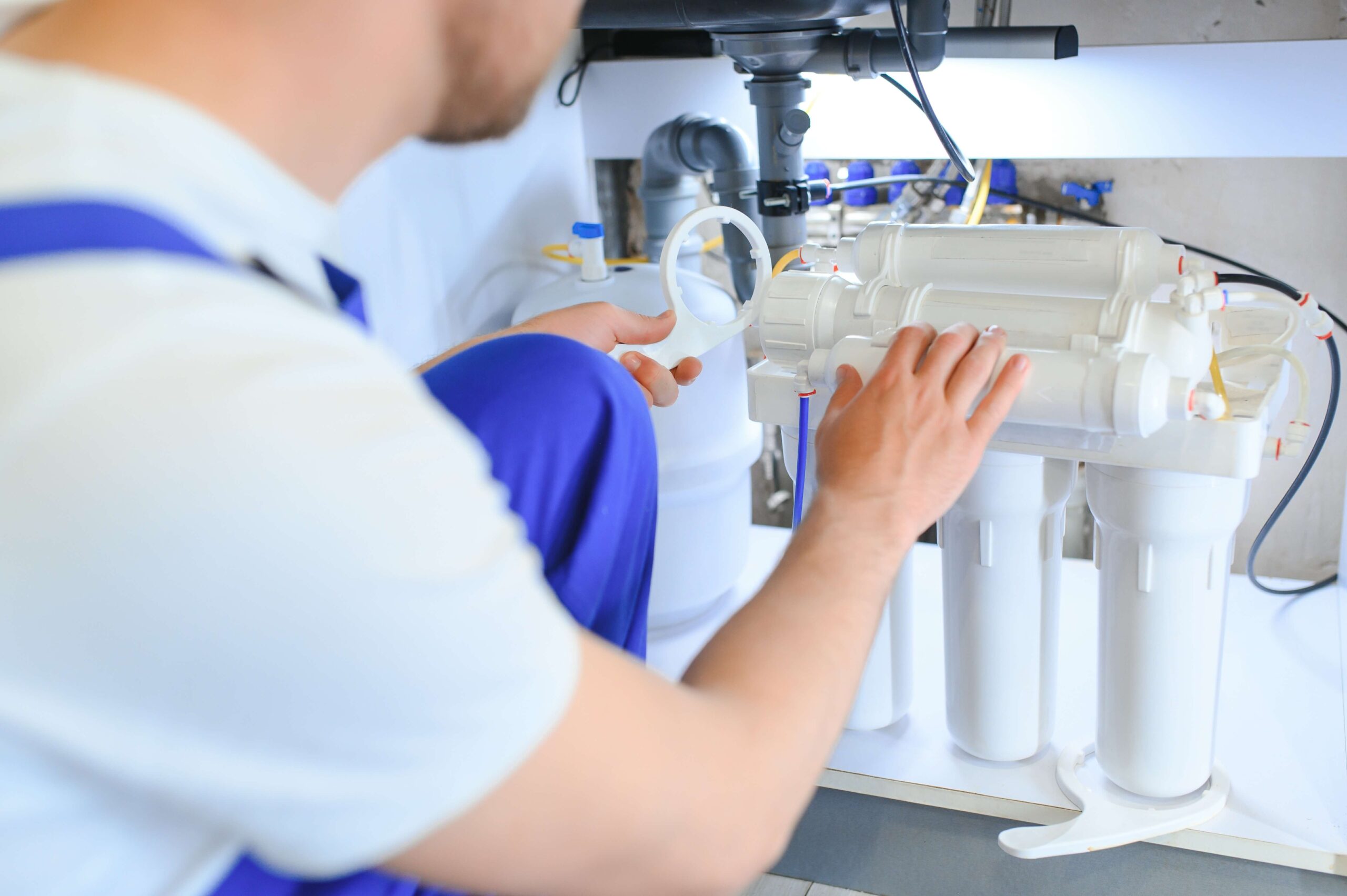
A properly installed reverse osmosis system removes what municipal treatment doesn’t touch: dissolved solids, PFAS, nitrates, chloramines, and the mineral load that’s been quietly damaging your appliances and water heater for years. Newer homes in Storey Grove and Oakland Park are seeing this show up on fixtures that are barely a year old. Established homes near the historic core have been living with it so long it feels normal. It isn’t.
We do one thing water treatment. Not plumbing. Not water heaters. Not HVAC. Every technician, every service call, and every recommendation is built around water treatment specifically. That focus matters more than it sounds, because the companies that treat filtration as a side service are the same ones that don’t answer the phone when your filter needs replacing six months later.
We hold an A-rating with the Better Business Bureau with a 5-star score and zero complaints on record. You can verify this at bbb.org right now. In an industry with a well-documented reputation for selling systems and disappearing, that record is the clearest signal available. We’re also a member of the National Water Quality Association, which means the technician walking into your Oakland home has been trained specifically for Florida’s water chemistry including the Floridan Aquifer’s mineral load and the chloramine disinfection used by municipal systems throughout Orange County.
We service what we sell. When your filter needs replacing or your system needs service, we answer the phone and show up. This isn’t standard in the industry. It should be.
We start with a real water test not a quick hardness strip designed to steer you toward the most expensive system on the shelf. A lab-grade analysis of your specific Oakland water tells us exactly what’s in it: hardness levels, pH, iron content, chloramine presence, and any other contaminants relevant to your address. That test is free, and it drives everything that follows.
Once we know what’s actually in your water, we recommend the right system for your home whether that’s an under-sink RO unit for drinking and cooking, or a whole-house reverse osmosis setup for full protection. For newer construction in communities like Storey Grove or Oakland Park, that often means addressing the hard water load that’s already working on brand-new appliances. For older homes closer to the historic core along Oakland Avenue, there may be additional considerations around pipe age and water chemistry that affect the right configuration. Either way, the recommendation fits your home not a sales quota.
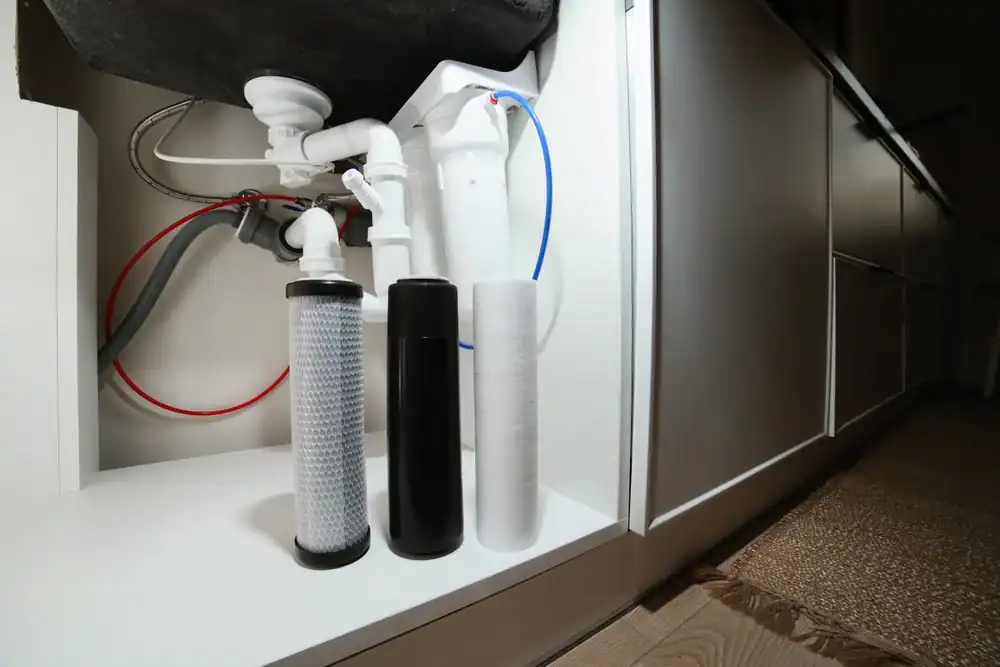
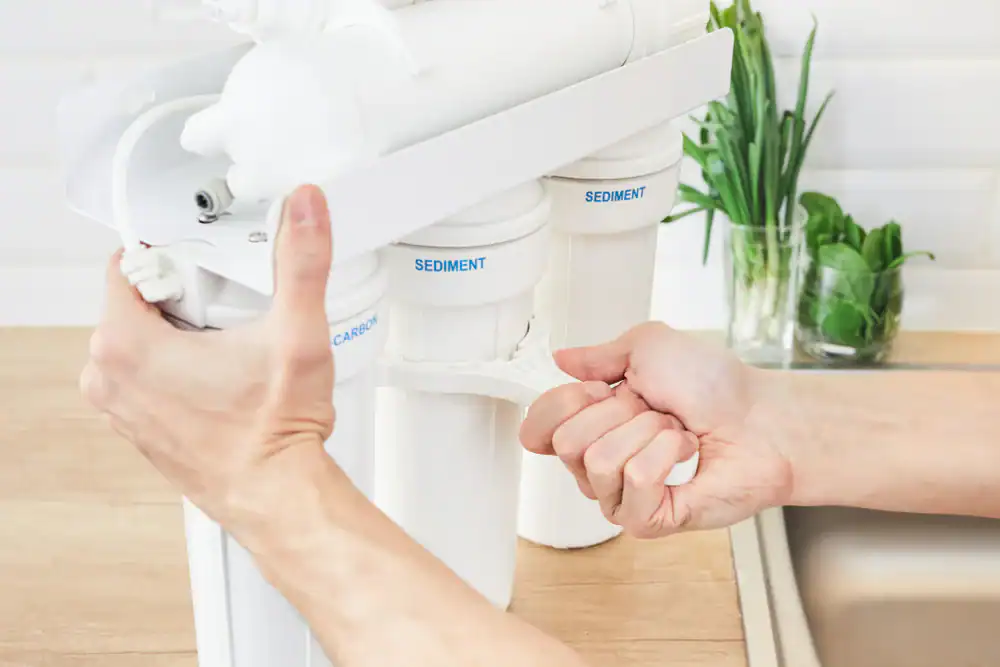
Installation is handled by our certified water treatment technicians. Under-sink RO systems typically require a dedicated faucet connection and a drain line work that falls under plumbing scope and may require a permit from the Town of Oakland depending on the configuration. We handle that process correctly. After installation, we walk you through filter maintenance so you know exactly when pre-filters need replacing (typically every six to twelve months) and when the RO membrane is due (every two to five years). You won’t be guessing.
Ready to get started?
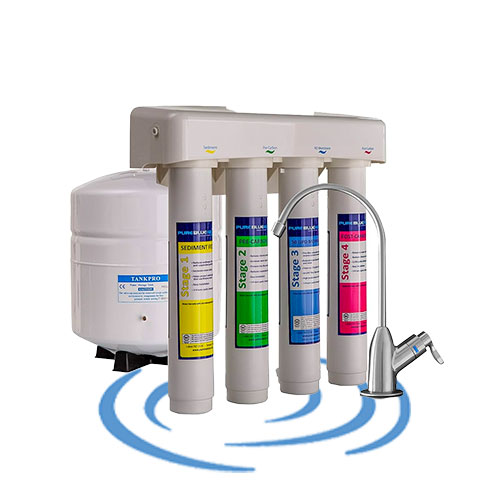
The reverse osmosis systems we install are sized and configured for your actual water chemistry not pulled off a shelf and dropped under your sink. Central Florida’s municipal water runs through limestone geology before it reaches Oakland, which means the dissolved solids load here is consistently higher than in other parts of the state. An RO membrane operating at 0.0001 microns removes what no pitcher filter, refrigerator filter, or standard carbon system can: dissolved salts, heavy metals, nitrates, arsenic, fluoride, PFAS, and the chloramines that Orange County municipal systems use for disinfection.
Standard carbon filters were built for chlorine they do very little against chloramines. That’s a critical distinction for Oakland homeowners on municipal supply.
For properties drawing from private wells which do exist in the broader Oakland and rural Orange County area we adjust the approach. Well water in this part of Florida commonly presents with iron staining, sulfur odors, and elevated hardness that require a different treatment sequence before an RO membrane can operate efficiently. That’s exactly why the water test comes first.
Every installation we perform includes USA-manufactured components, a dedicated RO faucet, a storage tank sized for your household’s usage, and a clear maintenance schedule. We service what we install filter replacements, membrane swaps, annual checkups so you’re not hunting for a service company two years from now. Active military, veterans, and first responders receive $500 off. No fine print.
Technically, yes Oakland’s municipal water meets federal legal standards. But meeting the minimum and providing genuinely clean water are two different things. The Floridan Aquifer, which supplies most of Central Florida’s drinking water, runs through thick limestone that naturally loads the water with calcium, magnesium, and dissolved minerals. On top of that, municipal systems in this region commonly use chloramine disinfection a chlorine-ammonia compound that doesn’t dissipate the way free chlorine does and requires catalytic carbon or a proper RO membrane to remove effectively.
There are also documented concerns about PFAS per- and polyfluoroalkyl substances in municipal water supplies nationwide, including parts of Florida. These compounds don’t break down naturally and aren’t fully addressed by standard treatment. If you want to know exactly what’s in your Oakland water at your specific address, the right move is a lab-grade water test which we provide at no cost before recommending anything.
Your drinking water in Oakland doesn’t come directly from Lake Apopka it comes from the Floridan Aquifer through the municipal supply system. So the lake’s contamination history doesn’t flow straight into your tap. That said, the awareness Oakland residents have about water quality in this area is well-founded. Lake Apopka spent decades absorbing agricultural pesticide runoff, nutrient loading, and organochlorine residues from the roughly 19,000 acres of drained marsh farmland that surrounded it. The state has been working on restoration since the late 1990s, and progress is real but the history is documented public record.
What the lake’s proximity does is reinforce something that’s independently true: the water in this part of Central Florida has real chemistry challenges that go beyond taste. The Floridan Aquifer’s mineral load, the chloramine disinfection used by area utilities, and the potential for agricultural contaminants in the broader watershed are all legitimate reasons to treat your drinking water rather than assume the tap is handling it. A reverse osmosis system addresses all of these at the point of use at your kitchen tap, where it actually matters.
An RO membrane operates at 0.0001 microns small enough to reject dissolved solids that most filters can’t touch. That includes the calcium and magnesium that make Central Florida water so hard, along with nitrates, arsenic, fluoride, lead, chloramines, PFAS, pharmaceutical traces, and most other dissolved chemical contaminants. The stuff that makes your water taste flat, leave white deposits on your Oakland Park faucets, and quietly damage your water heater over time an RO system removes it.
What it doesn’t remove is everything. RO systems are not designed to handle very high levels of iron or hydrogen sulfide on their own those conditions, which are more common in well water situations in the broader Orange County area, typically require pre-treatment before the RO stage. That’s one of the reasons a water test matters before any system is recommended. The right configuration depends on what’s actually in your water, not on a one-size-fits-all product recommendation.
For a standard under-sink reverse osmosis system professionally installed in an Oakland home, you’re typically looking at a range that depends on the system’s capacity, the number of filtration stages, and the specifics of your installation. Whole-house reverse osmosis systems which treat water at every tap and appliance in the home, not just the kitchen cost more and depend on home size and water chemistry demands.
The more useful number for most Oakland homeowners is the long-term math. If your household is spending $60 to $100 per month on bottled water which is common when tap water tastes bad or you don’t trust it that’s $720 to $1,200 per year going out the door indefinitely. Most under-sink RO systems pay for themselves within two to four years, and after that, annual maintenance runs roughly $100 to $200 in filter replacements. Over a 15-to-20-year system lifespan, the savings are significant. Active military, veterans, and first responders also qualify for a $500 discount, which meaningfully changes the upfront number.
New plumbing doesn’t change the water chemistry coming through it. Storey Grove and Oakland Park are newer communities with clean pipes and modern construction, but the water flowing through those pipes still comes from the Floridan Aquifer the same limestone geology that’s been loading Central Florida’s water with calcium and magnesium for thousands of years. The white scale you’re already seeing on your brand-new faucets and showerheads isn’t a defect in your fixtures. It’s the water.
Beyond aesthetics, hard water with high dissolved solids content shortens the life of water heaters, dishwashers, and washing machines appliances you just paid for. A tankless water heater in a hard water environment without treatment can lose efficiency and fail significantly earlier than its rated lifespan. An under-sink RO system handles your drinking and cooking water, while a whole-house treatment approach protects your appliances. The right answer depends on your specific water test results, which is always the starting point before any recommendation is made.
Please provide your email address so that we can stay in touch and answer any questions you have! We will be reaching back out shortly.
"*" indicates required fields
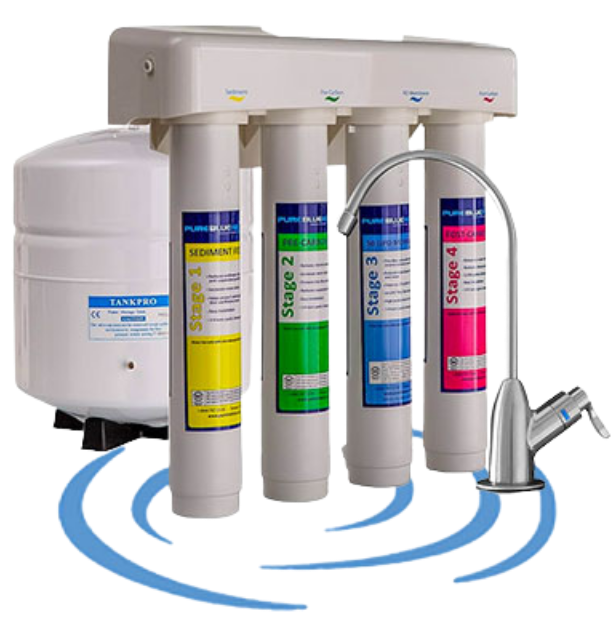
Get a free reverse osmosis drinking water system with the purchase of any whole-home water purification system.
*Cannot be combined with other offers. Mention this special when you call.