Reach Out Today
Please provide your email address so that we can stay in touch and answer any questions you have! We will be reaching back out shortly.

Hear from Our Customers
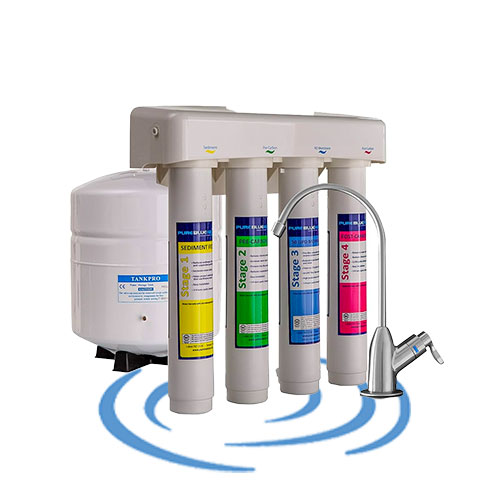
The chlorine smell coming out of your North Quarter kitchen tap isn’t your imagination. OUC treats Orlando’s water supply with chlorine disinfection, and that process creates disinfection byproducts trihalomethanes and haloacetic acids that don’t disappear before they reach your glass. Independent analysis has found trihalomethane levels in OUC-supplied water as high as 97 ppb, with one 2023 sample briefly exceeding the EPA’s legal limit. A properly installed reverse osmosis system removes those compounds at the point where you actually drink the water.
Beyond the chemistry, there’s the daily reality. If you’re spending $50 or $60 a month on bottled water because you don’t trust what comes out of the tap and you’re carrying it through your lobby and up the elevator at Park North or Uptown Place that’s a problem with a straightforward fix. An under-sink RO system produces cleaner water than most bottled brands at a fraction of the cost per gallon, and it’s already waiting for you every time you turn on the faucet.
PFAS are also showing up in Orlando’s water supply. The EPA finalized federal PFAS limits in 2024, and local utilities are now planning treatment upgrades that will take years to complete. Until that infrastructure is in place, reverse osmosis is one of the only residential technologies proven to remove PFAS effectively. If that’s a concern for your household, this is the solution.
We’re Quality Safe Water of Florida LLC a Central Florida water treatment company, not a national franchise routing your calls through a call center two states away. We hold an A-rating with the Better Business Bureau, a 5-star rating, and zero complaints on record. That’s not marketing language. It’s a public record you can verify at bbb.org right now, before you ever pick up the phone.
We’re also members of the National Water Quality Association, which means our technicians have studied water chemistry specifically Florida’s water chemistry, including the Floridan Aquifer that supplies OUC’s North Quarter system. We know what’s in your water before we recommend anything.
Every engagement starts with a free water analysis. No system gets recommended until the data says one is needed. If a simpler solution fits your situation, that’s what you’ll hear. We serve North Quarter and the broader downtown Orlando area, and we’re here after the sale not just before it.
It starts with a free water analysis. Before anything is recommended, we evaluate what’s actually present in your water not a generic estimate based on zip code, but a real assessment of your specific supply. For North Quarter residents on OUC water, that means looking at trihalomethanes, lead, PFAS, arsenic, and hardness levels tied to the Floridan Aquifer’s limestone geology. The results drive the recommendation. If the data doesn’t support a full RO system, you’ll hear that.
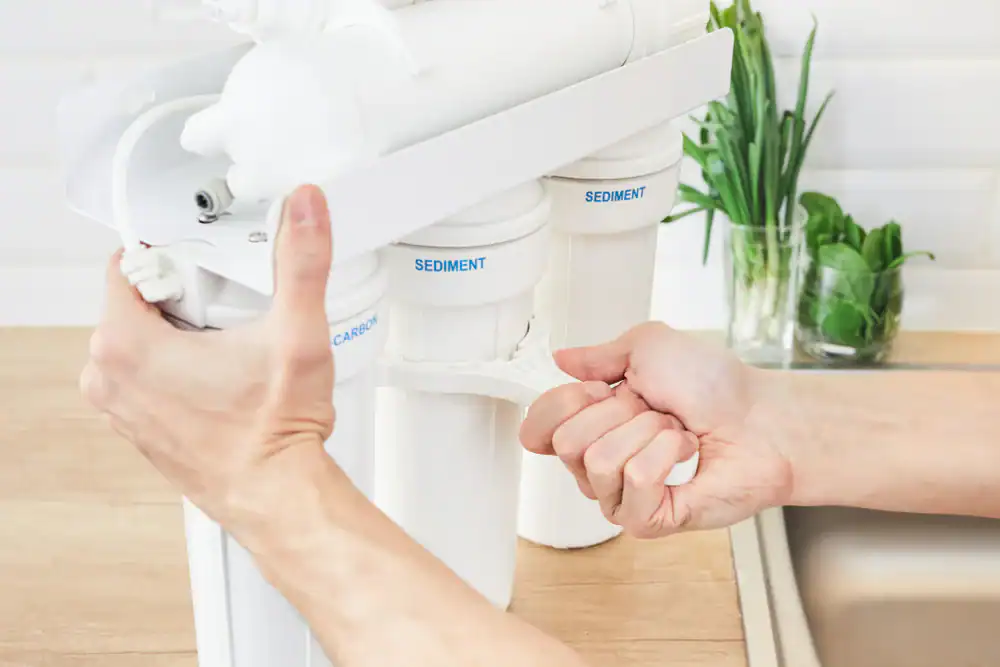
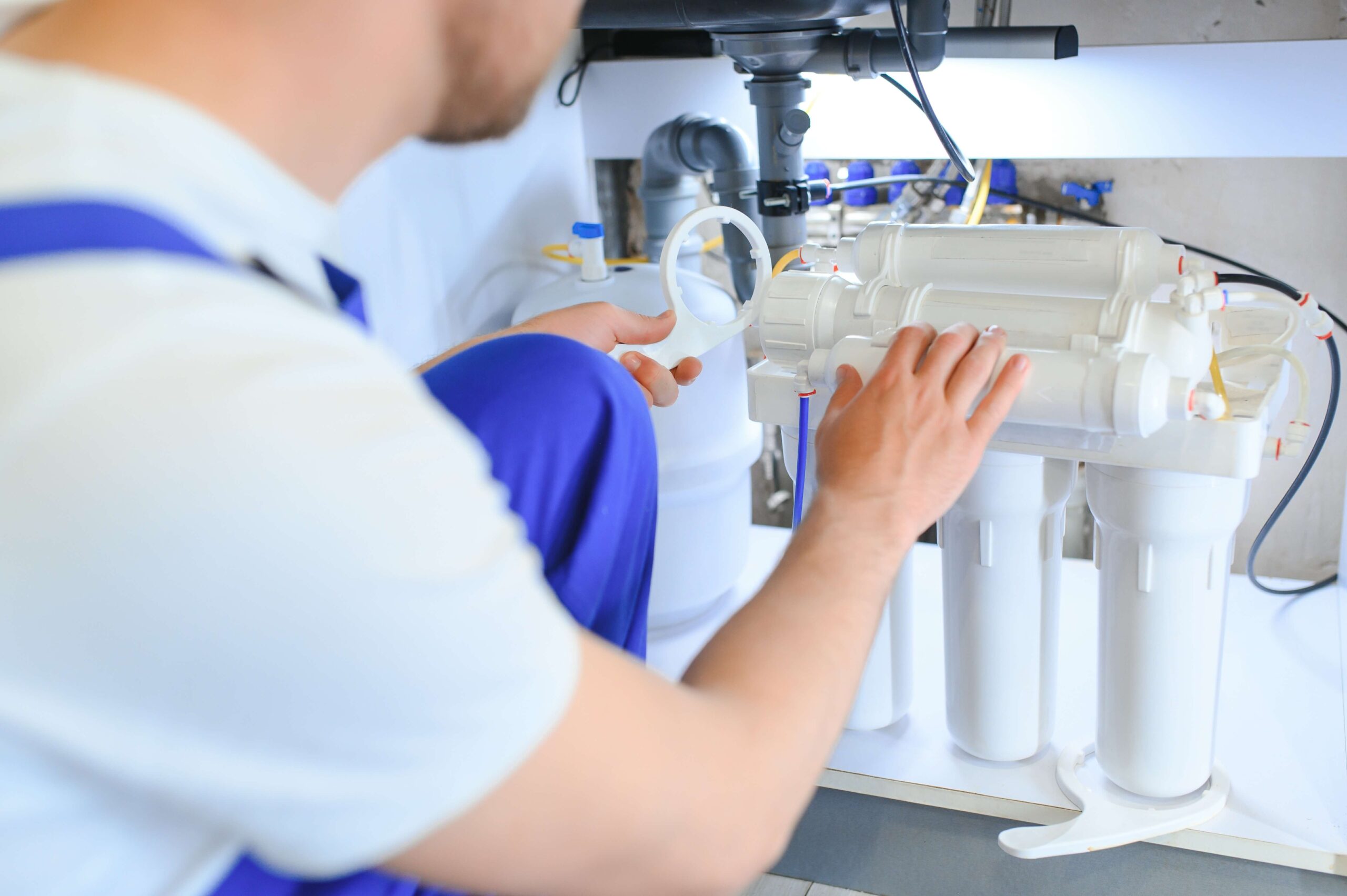
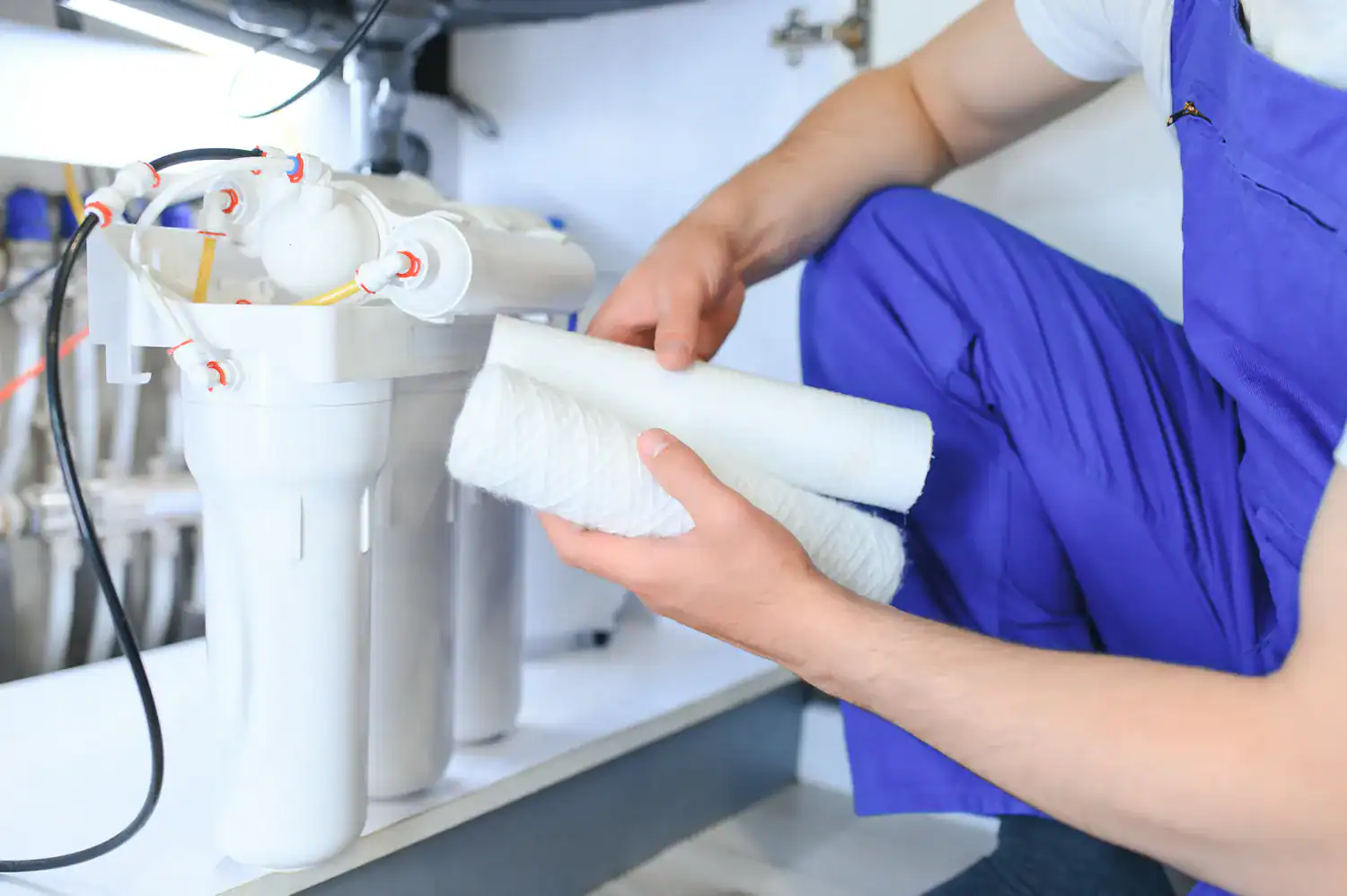
Once a system is selected, installation is typically completed in a few hours. Under-sink reverse osmosis systems are the most common solution for North Quarter’s condo and apartment buildings they fit beneath the kitchen sink, connect to the existing cold water line, and deliver purified water through a dedicated faucet. No structural modifications, no disruption to shared building systems. For condo owners at properties like Camden North Quarter or Uptown Place, we’re familiar with the installation considerations that come with urban high-rise buildings, including HOA notification requirements and City of Orlando plumbing code compliance.
After installation, you’ll get a walkthrough of the system how to monitor filter life, when membrane replacement is due, and how to reach us when service is needed. We service what we install, and the same people who put the system in are the ones who come back when it’s time for maintenance.
Ready to get started?
Most water treatment companies design their pitch around single-family homeowners with utility rooms and whole-house plumbing access. North Quarter is a different market. The neighborhood’s housing stock mid-rise condos at Park North at Cheney Place, Uptown Place, Camden North Quarter, and similar buildings calls for a system that works within the constraints of urban condo living. Under-sink reverse osmosis is that system. It installs beneath the kitchen sink, requires no dedicated utility space, and produces no disruption to the building’s shared plumbing.
The systems we install are NSF/ANSI 58-certified, which means they’ve been independently tested and verified to remove the contaminants they claim to address including PFAS, lead, trihalomethanes, arsenic, and chromium-6. That certification matters in a market where a lot of products make claims they can’t back up.
For homeowners and condo owners who want broader coverage, whole-house reverse osmosis and whole-home filtration options are also available. Those systems address water quality at every point of use showers, appliances, and drinking water and are our specialty. Military members, veterans, and first responders qualify for a $500 discount on any system. No complicated process just mention it when you call.
Technically, yes OUC’s water meets EPA legal standards, and the utility publishes an annual water quality report to confirm it. But “meets legal standards” and “clean” aren’t the same thing. Independent analysis of OUC-supplied water has found trihalomethanes as high as 97 ppb, with one 2023 sample exceeding the EPA’s 80 ppb limit. PFAS, lead, arsenic, and chromium-6 have also been identified as contaminants of concern in Orlando’s water supply all within current legal limits, but all associated with health risks at elevated long-term exposure.
The honest answer is that your water is treated and regulated, but it still carries compounds that a reverse osmosis system removes effectively. Whether that matters enough to act on depends on your household’s specific situation which is exactly why the right first step is a water analysis, not a sales call.
Yes, and it’s one of the most common installations in North Quarter’s residential buildings. Under-sink RO systems connect to the cold water line beneath your kitchen sink and deliver filtered water through a small dedicated faucet. They don’t require any modifications to shared building systems, and the installation footprint is limited entirely to your unit.
That said, many condo associations in North Quarter including buildings along Cheney Place and the North Orange Avenue corridor have rules about unit-level plumbing modifications. Some require advance notice, some require written approval, and some are more relaxed. We’re familiar with how to navigate that process. Professional installation also ensures compliance with the City of Orlando’s plumbing code, which protects your warranty and your resale position down the line.
Yes reverse osmosis is one of the most effective residential technologies available for PFAS removal. The RO membrane operates at the 0.0001-micron level, which is small enough to block PFAS molecules from passing through. Standard pitcher filters and carbon block filters do not reliably remove PFAS at that level. For PFAS removal specifically, you need a system that’s NSF/ANSI 58-certified and rated for PFAS which is what we install.
This matters for North Quarter residents because Orlando’s water utility is currently in the planning stages of PFAS treatment infrastructure upgrades a process that will take years to complete. The EPA finalized federal PFAS limits in 2024, which is what triggered those utility-level projects. Until the infrastructure catches up, point-of-use reverse osmosis is the most reliable way to address PFAS at the household level.
As of July 1, 2025, the City of Orlando no longer adds fluoride to its municipal water supply. That’s a real policy change, and it’s generating a lot of questions from residents who want to understand what’s now in and what’s now out of their tap water.
A reverse osmosis system will remove residual fluoride if any remains in the supply, but the more relevant point is that the fluoride change doesn’t reduce the other contaminants of concern in OUC water. Trihalomethanes, PFAS, lead, and arsenic are still present regardless of the fluoride policy. If you’ve been on the fence about water filtration and the fluoride news pushed you to take a closer look, that’s a reasonable response and a water analysis will give you a current, accurate picture of your specific water chemistry under the new conditions.
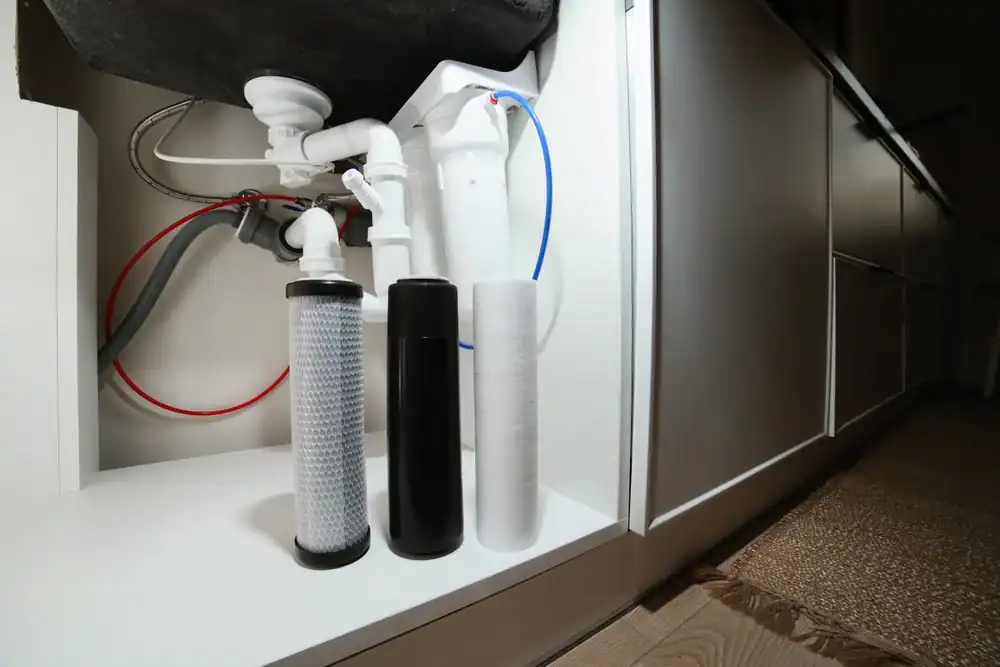
A standard under-sink RO system has two main service intervals. The pre-filters which handle sediment and chlorine typically need replacement every six to twelve months depending on your water usage and the specific contaminant load in your supply. For North Quarter residents on OUC water, the chlorine and disinfection byproduct load means pre-filters can work harder than in areas with lighter treatment.
The RO membrane itself usually lasts two to three years under normal residential use. Post-filters, which polish the water before it reaches your faucet, are replaced annually. We handle all of this we’ll track your system’s service schedule and come back when it’s time. That ongoing relationship is part of what separates a company that services what it sells from one that hands you a warranty card and disappears.
Please provide your email address so that we can stay in touch and answer any questions you have! We will be reaching back out shortly.
"*" indicates required fields
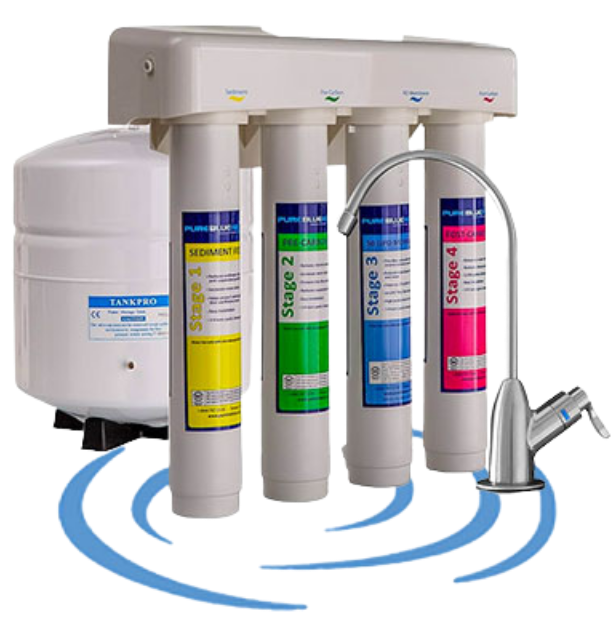
Get a free reverse osmosis drinking water system with the purchase of any whole-home water purification system.
*Cannot be combined with other offers. Mention this special when you call.