Reach Out Today
Please provide your email address so that we can stay in touch and answer any questions you have! We will be reaching back out shortly.

Hear from Our Customers
Jacksonville water pulled from the Floridan Aquifer comes in hard averaging around 15 grains per gallon, and climbing as high as 28 GPG depending on exactly where you are in Duval County. That mineral load leaves white scale on your faucets, shortens the life of your water heater, and makes your water taste like it came out of a pool.
For homeowners in Longbranch where a lot of the housing stock dates back to the 1930s, 40s, and 50s there’s another layer to this. Older plumbing can introduce contaminants into your water after it leaves the JEA treatment plant in perfectly acceptable condition. Lead doesn’t come from the source water. It comes from aging pipes and fixtures. Our under-sink RO system filters what actually comes out of your faucet, not just what JEA sends down the main.
Beyond the health side, think about what you’re spending on bottled water right now. A family going through a case or two a week is easily spending $600 to $1,200 a year on something a reverse osmosis drinking water system handles permanently. The water tastes better, your appliances last longer, and you stop dragging plastic jugs home from the store.
Quality Safe Water of Florida LLC isn’t a plumbing company that installs water filters on the side. Water treatment is our entire business softening, filtration, purification, and RO systems for homeowners across North and Central Florida, including right here in the Jacksonville area and Longbranch.
That focus matters, because the water coming out of the Floridan Aquifer has specific characteristics that a generalist isn’t going to know how to address properly. We hold an A-rating with the Better Business Bureau, a 5-star rating, and zero complaints on record. That last part is worth sitting with for a second zero complaints. In an industry where national brands are known for selling systems and then becoming unreachable for service calls, that track record is rare and it’s public. You can verify it yourself at bbb.org.
We’re also members of the National Water Quality Association, which means ongoing professional training in exactly the kind of water challenges that Duval County homeowners face. If you’re active military, a veteran, or a first responder and given how close Longbranch sits to NAS Jacksonville, there’s a real chance you are we offer a $500 discount. No fine print.
It starts with a free water analysis a real one, not a quick hardness strip dipped in your sink before a sales pitch. We look at what’s actually in your water: hardness, iron, pH, chlorine byproducts, and any other contaminants relevant to your home and your location.
In a neighborhood like Longbranch, where JEA’s system-wide reports don’t tell you what’s happening inside a home built in 1952, that property-specific test matters. The recommendation comes after the analysis, not before it.
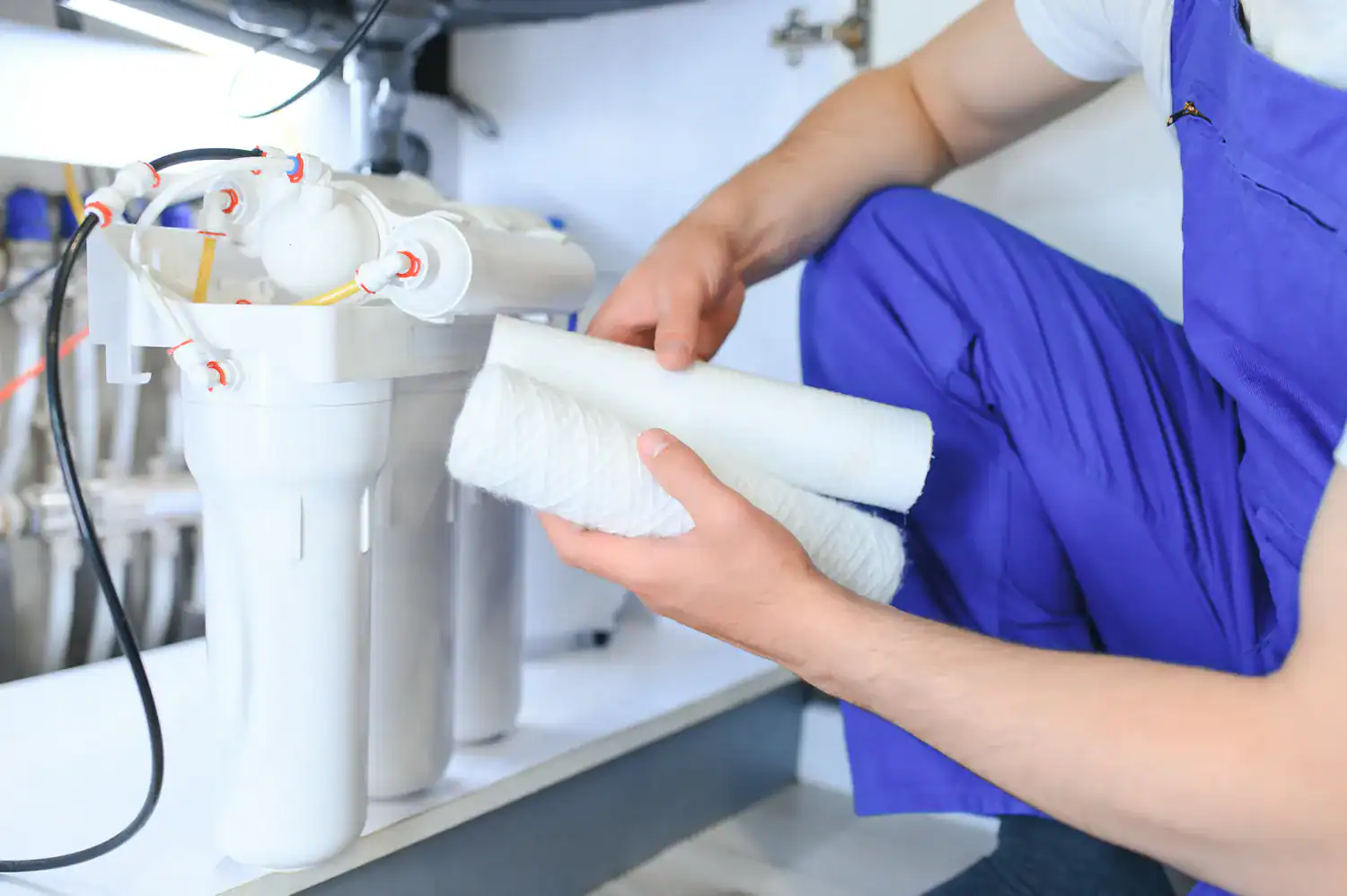
Once the right system is confirmed for your home, installation is handled by our certified water treatment technicians not subcontractors, not a generalist plumber filling a schedule gap. For most under-sink reverse osmosis installations, there’s no permit required in Jacksonville. Whole-house systems or anything involving modifications to your main water supply line may require a plumbing permit through the City of Jacksonville’s Building Inspection Division, and we handle that process as part of the job.
After installation, we walk you through exactly how the system works, what the filter replacement schedule looks like, and how to reach us when you need service. Our systems are built with USA-made components and designed to run reliably for 15 to 20 years.
Ready to get started?
The right reverse osmosis system for a Longbranch home isn’t the same as what works in a new-construction suburb in St. Johns County. The housing stock here is older, the plumbing has history, and the water coming through JEA lines in the 32206 area carries a mineral load that newer homes in different parts of Duval County may not see at the same levels.
We size and configure every system based on your specific water test results and your home’s actual daily usage not a one-size-fits-all package pulled off a shelf.
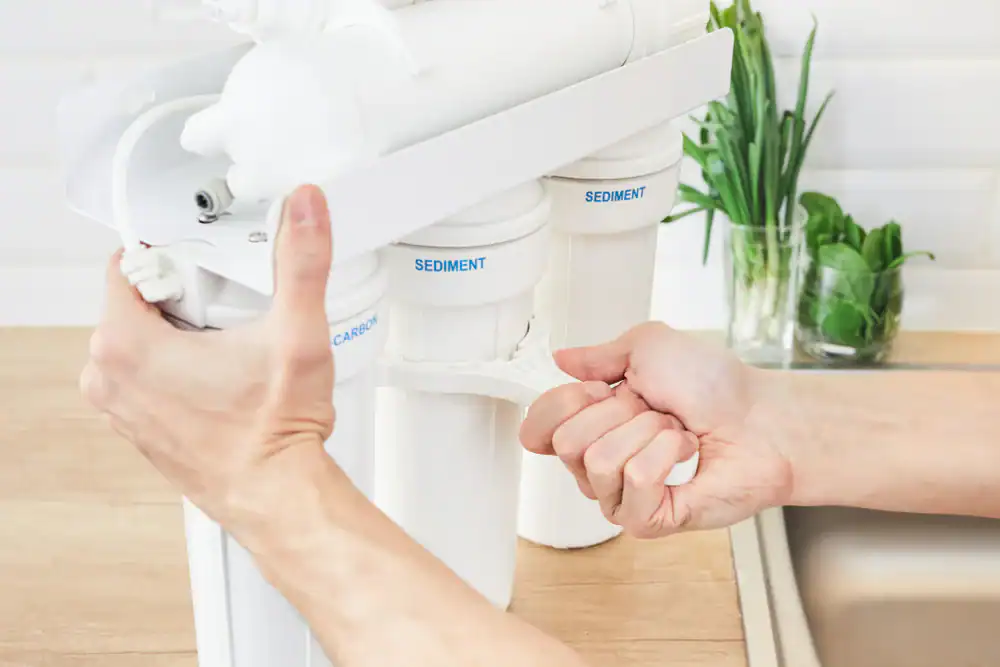
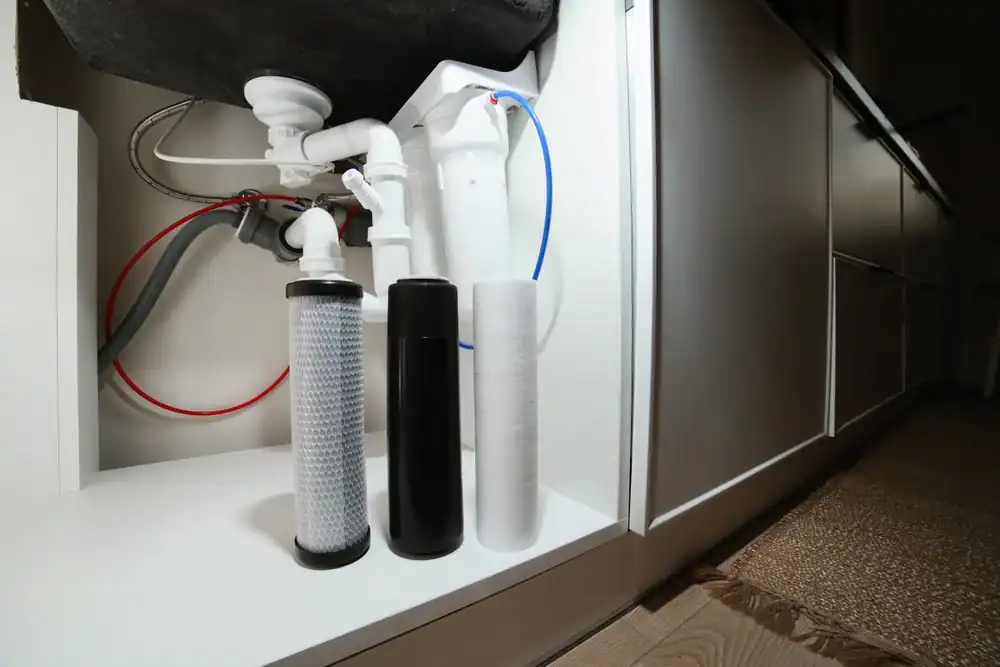
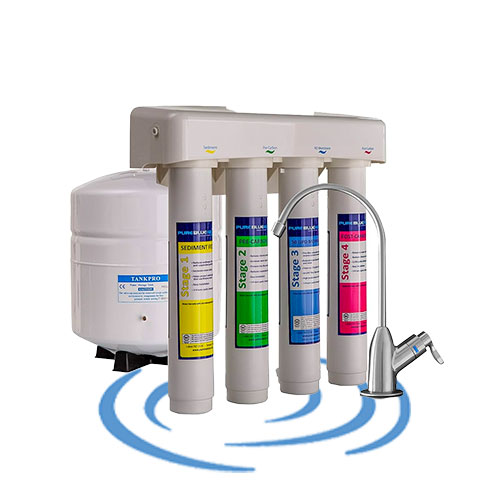
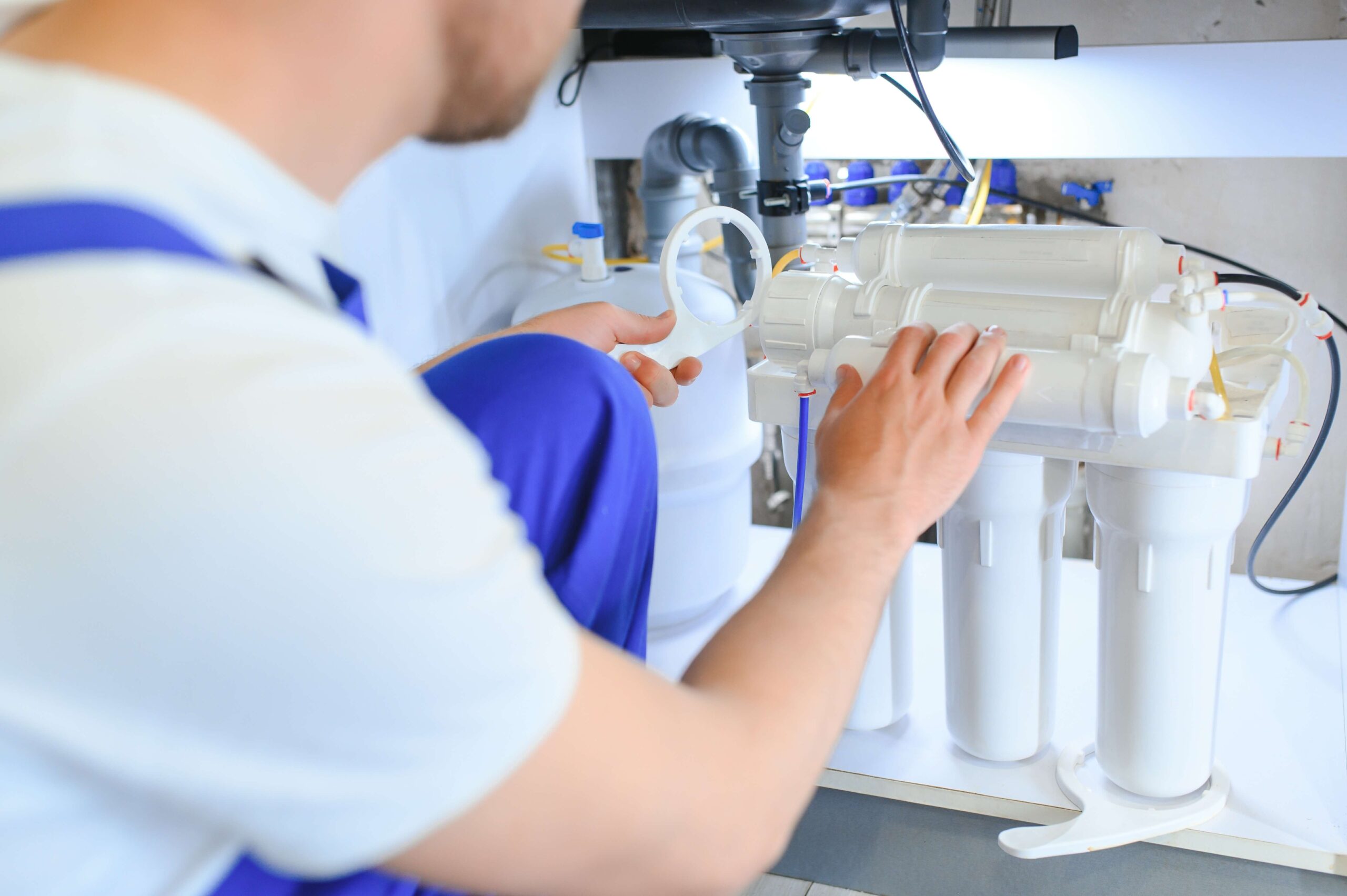
For most households, an under-sink reverse osmosis system handles the drinking and cooking water with a compact unit that fits in the cabinet below your kitchen sink. It connects directly to your existing cold water line, runs through a multi-stage filtration process typically sediment pre-filter, carbon block, RO membrane, and post-carbon polish and stores filtered water in a pressurized tank so you always have clean water on demand.
For homeowners who want whole-home protection, we specialize in whole-house purification systems that treat every faucet, shower, and appliance in the house. That’s where the real long-term value shows up, especially in a home with aging pipes that have been dealing with hard Duval County water for decades.
Every system we install uses USA-manufactured components, comes with a clear maintenance schedule, and is backed by a company that actually answers the phone when you need a filter replaced or a service call.
Jacksonville water sourced from the Floridan Aquifer averages around 15.3 grains per gallon in hardness, and in some parts of Duval County it runs as high as 28 GPG depending on your exact location and JEA service zone. That puts it firmly in the “very hard” category the kind of hardness that leaves white mineral deposits on your faucets, builds scale inside your water heater, and shortens the lifespan of dishwashers and washing machines.
For Longbranch specifically, the age of the housing stock adds another dimension. Homes built in the 1930s through 1950s have had decades of hard water moving through their plumbing. That accumulation affects water pressure, fixture performance, and in some cases the integrity of older pipe materials. A reverse osmosis system addresses the drinking water side of this directly, and a whole-house treatment system handles the broader appliance and plumbing protection. Our free water analysis will tell you exactly what your home is dealing with before any recommendation is made.
Yes reverse osmosis is one of the most effective technologies available for removing both PFAS (often called “forever chemicals”) and disinfection byproducts like trihalomethanes (TTHMs) from drinking water. JEA’s own 2024 Water Quality Report noted that individual TTHM samples at some monitoring sites exceeded the legal limit of 80 ppb during 2023. The system-wide annual averages stayed within compliance, but compliance is a legal standard, not a health guarantee.
On the PFAS side, no PFAS was detected in Jacksonville’s municipal supply during the EPA’s most recent testing period, which is genuinely good news. But independent testing near military installations in the Jacksonville area including sites near NAS Jacksonville has found PFAS in groundwater at elevated levels. For families in Longbranch who want certainty rather than reassurance, a reverse osmosis system provides a point-of-use layer of protection that no municipal report can replicate. It filters what comes out of your tap, regardless of what the system-wide average says.
An under-sink reverse osmosis system treats the water at a single point typically your kitchen faucet, and sometimes a dedicated RO faucet added to the sink. It’s compact, fits in the cabinet below your sink, and handles your drinking and cooking water. For most households, this is the entry point, and it’s highly effective for what it does. The filtered water is stored in a small pressurized tank so it’s ready when you turn the tap.
A whole-house reverse osmosis or whole-house purification system treats all the water entering your home every faucet, every shower, the water going into your water heater, dishwasher, and washing machine. For Longbranch homeowners in older homes where hard water has been running through the plumbing for 60 or 70 years, the whole-house approach offers a level of protection that an under-sink system alone can’t provide. It extends appliance life, reduces scale buildup throughout the home, and improves water quality in every room. We specialize in whole-house systems and can walk you through which option makes sense for your specific home after the water analysis.
JEA’s water meets federal and state drinking water standards, and the utility publishes an annual water quality report that documents what’s in the supply. So by the legal definition, yes it’s considered safe. But “meets the legal standard” and “you’d choose to drink it without filtering it” are two different things, and most Longbranch residents know the difference the moment they taste it.
The chlorine used to treat the water is effective at disinfection, but it also produces byproducts trihalomethanes and haloacetic acids that form during the treatment process. JEA’s 2023 data showed individual sampling sites exceeding the TTHM limit, even while system-wide averages stayed compliant. Beyond that, older homes in Longbranch may have plumbing that introduces additional concerns at the point of use, independent of what JEA sends down the main. Our free water analysis gives you a property-specific picture not a system-wide average so you can make an informed decision based on what’s actually coming out of your tap.
Under-sink reverse osmosis systems from Quality Safe Water of Florida are professionally installed with USA-made components and built to run for 15 to 20 years. Pricing varies based on the system configuration and your home’s specific water conditions which is why the process starts with a water analysis, not a price list. Annual filter maintenance typically runs in the range of $100 to $200 depending on your system and usage.
The payback math is straightforward. A family spending $60 to $80 a month on bottled water which is conservative for a household of four in Jacksonville’s summer heat is spending $720 to $960 a year on something a reverse osmosis drinking water system handles permanently. Over the life of the system, that’s a significant amount of money back in your pocket. For Longbranch homeowners also dealing with hard water appliance damage, the value extends further: a single water heater replacement runs $800 to $1,500, and scale damage to dishwashers and washing machines adds up fast in a home that’s been on hard JEA water for years. If you’re a military veteran or first responder, the $500 discount we offer brings the upfront cost down further right from the start.
Please provide your email address so that we can stay in touch and answer any questions you have! We will be reaching back out shortly.
"*" indicates required fields