Reach Out Today
Please provide your email address so that we can stay in touch and answer any questions you have! We will be reaching back out shortly.

Hear from Our Customers
The Floridan Aquifer is the source of every drop of water coming out of your Groveland tap. It’s a limestone formation, and water moving through limestone picks up calcium, magnesium, and dissolved minerals the whole way down. That’s why your showerhead is crusted, your dishes come out cloudy, and your coffee tastes flat.
Beyond the hard water issues, independent testing of the Groveland Water Department’s supply has found hexavalent chromium, radium-226 and radium-228, and total trihalomethanes all above levels recommended by health advocates, even while technically meeting EPA legal minimums. The Groveland Water Department has 15 EPA violations on record, including health-based violations with the most recent in 2024.
A properly installed reverse osmosis system removes 95–99% of dissolved contaminants at the molecular level. What that means practically: water that tastes clean, appliances that last longer, no more cases of bottled water stacked in the garage, and the confidence that what your kids are drinking has actually been filtered not just treated to a legal standard.
If you’re in one of Groveland’s newer developments like Brighthill, Peachtree Hills, or Waterside Pointe, you may be encountering this water quality for the first time. Most people are surprised by what’s in it.
Quality Safe Water of Florida LLC is headquartered in Leesburg same county as Groveland, same aquifer, same water challenges. We’re not a national franchise routing calls through a regional hub three states away. When you need a filter replaced or something isn’t right with your system two years from now, you’re calling a local company that will pick up and show up.
We hold an A-rating with the Better Business Bureau, a 5-star rating, and zero complaints on record. You can verify this at bbb.org right now. In a water treatment industry where sell-and-disappear is practically the business model for national competitors, zero complaints over the life of the company is genuinely rare.
We also hold membership in the National Water Quality Association, which means our recommendations are grounded in actual water treatment science not whatever system has the best margin this quarter.
We work exclusively in water treatment. No plumbing upsells, no HVAC, no water heaters. Just water which means the person walking into your Groveland home has done this specific job hundreds of times and knows exactly what your water needs.
It starts with a real water test not a sales demo disguised as a test, but actual lab-grade analysis of your specific water at your specific Groveland address. This matters because not every address has the same profile. Homes on city water through the Groveland Water Department have a documented contamination pattern that’s well understood. Homes in the rural sections south of SR 50 near the Green Swamp area may be on private well water, which pulls from the same Floridan Aquifer but without any municipal treatment or monitoring and often carries additional concerns like iron, sulfur, or agricultural runoff.
The test tells you exactly what you’re dealing with before we recommend anything.
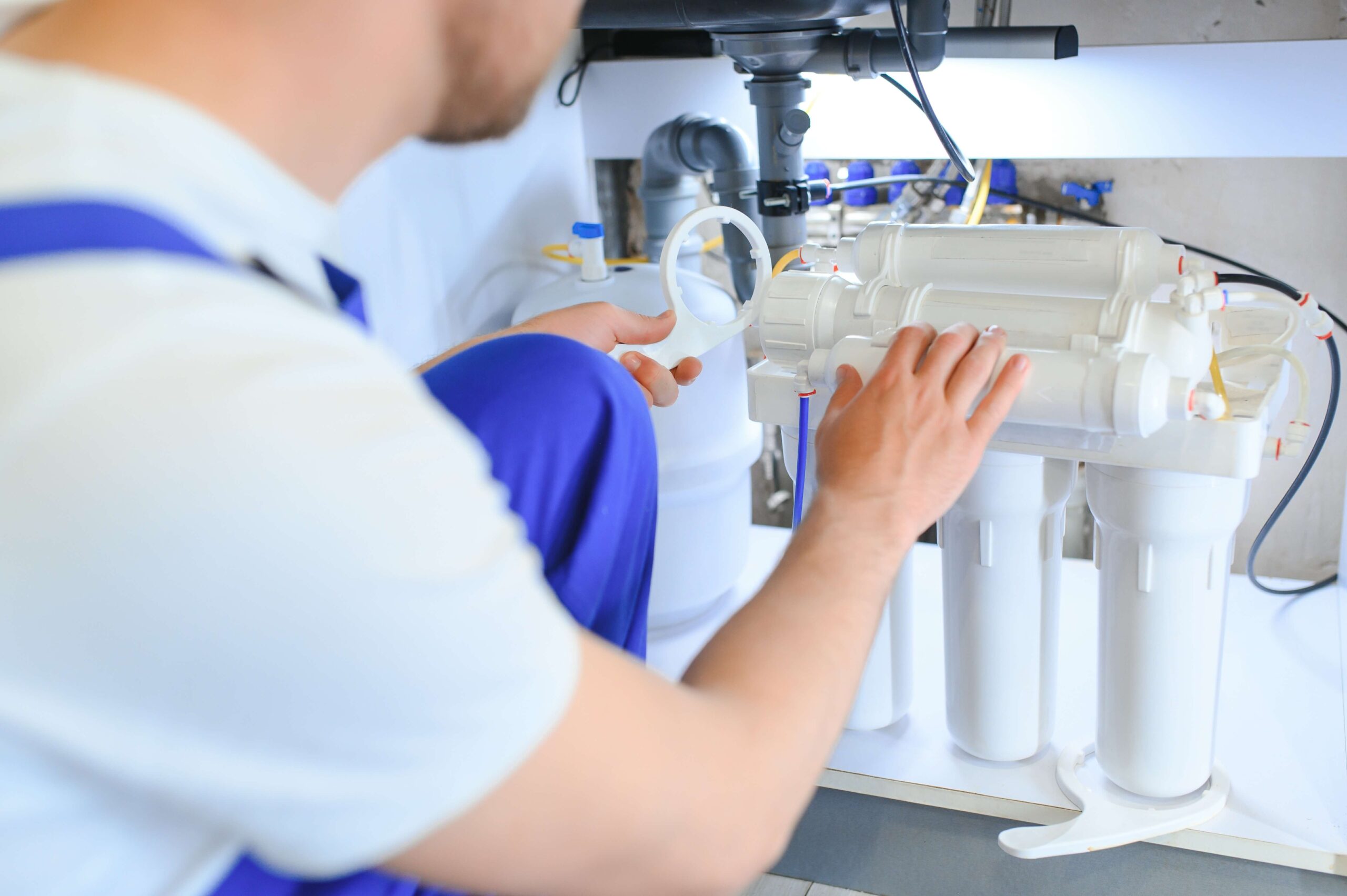
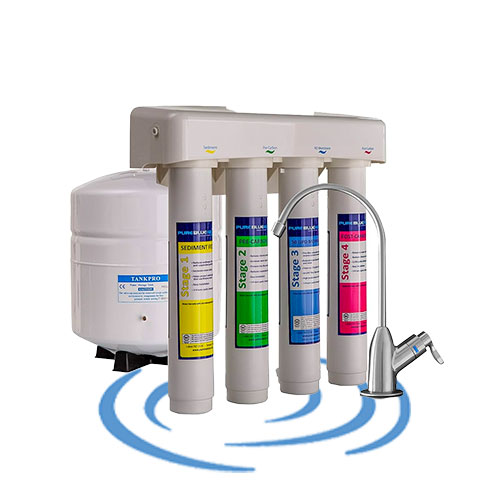
Once the water analysis is complete, we match the right system to your actual results. Under-sink reverse osmosis systems are installed at the kitchen tap and handle your drinking and cooking water directly. Whole-house RO systems treat every water point in the home showers, laundry, ice maker, everything.
For Groveland’s high-TDS groundwater sitting around 360 mg/L, whole-house purification is often the most comprehensive solution, especially for newer homes in active subdivisions where scale buildup can start degrading appliances within the first few years.
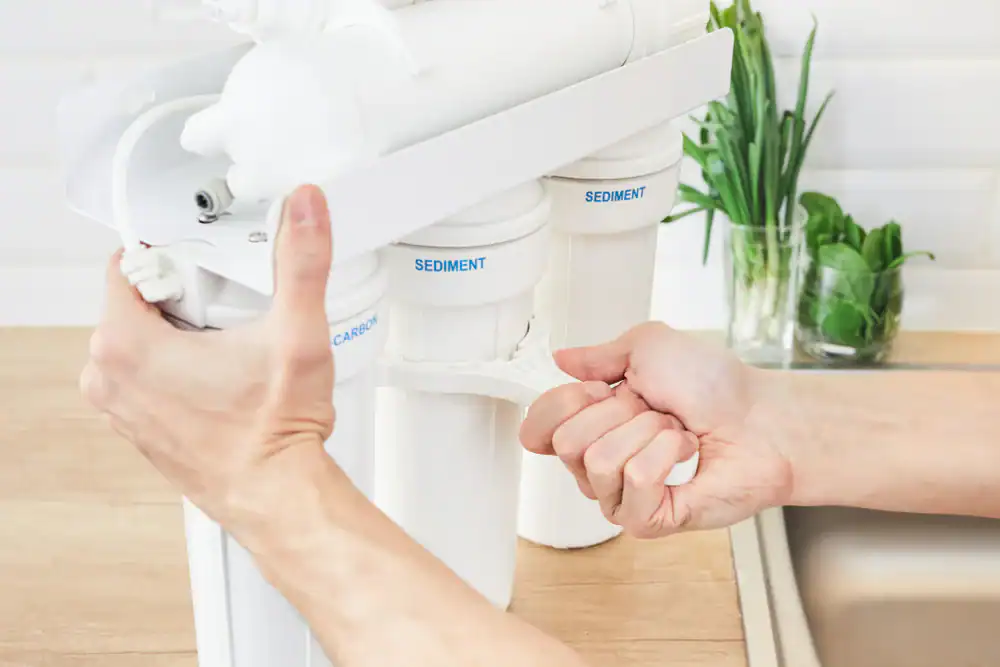
Installation is clean, efficient, and done by the same team that will service the system going forward. Under-sink systems typically don’t require permits. Whole-house installations may require a plumbing permit through the City of Groveland’s Building Department depending on scope we handle that conversation with you before work begins so there are no surprises.
Ready to get started?
Every system we install uses NSF/ANSI 58-certified components that’s the independent, third-party certification that confirms the RO membrane actually reduces the contaminants it claims to. For Groveland homeowners specifically concerned about radium and hexavalent chromium, that certification is the technical proof that the system addresses those contaminants, not just a marketing promise.
Our components are manufactured in the USA and built to last 15–20 years with routine maintenance.
Under-sink reverse osmosis systems are the most common starting point for Groveland residents on city water. They install at the kitchen sink, produce clean drinking and cooking water on demand, and eliminate the cost and waste of bottled water which, for a household spending $50–$100 a month on cases of water, pays for itself in two to four years.
Whole-house reverse osmosis systems go a step further, treating every water point in the home and protecting your pipes, water heater, dishwasher, and washing machine from the mineral scale that Groveland’s groundwater deposits over time. In a newer home in Rainwood or Peachtree Hills, that protection can meaningfully extend the life of appliances that are expensive to replace.
Active military, veterans, and first responders receive a $500 discount on installation. Lake County has a significant veteran and first responder community, and this is a straightforward offer with no conditions attached.
We also support the Tunnels to Towers Foundation an organization that builds mortgage-free homes for Gold Star and fallen first responder families and that affiliation reflects something real about how we operate.
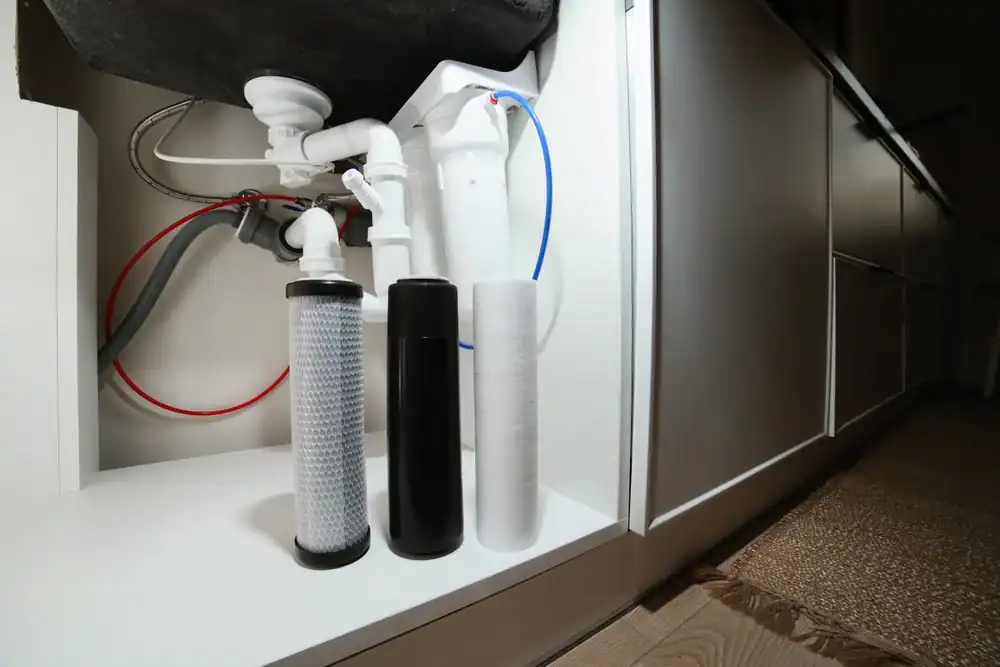
Technically, yes Groveland’s water meets EPA legal standards, which is why the city can legally distribute it. But meeting a legal standard and being genuinely clean are two different things. Independent water quality analysis has found hexavalent chromium, radium-226 and radium-228, and total trihalomethanes (TTHMs) in the Groveland Water Department’s supply at levels above health advocacy guidelines. The Groveland Water Department has 15 EPA violations on record, including health-based violations, with the most recent occurring in 2024.
The EPA sets legal limits based on what’s technically achievable at scale across thousands of water systems not necessarily what’s optimal for your family’s health. Health advocacy organizations like the Environmental Working Group apply stricter thresholds, and Groveland’s water exceeds those thresholds for several contaminants. A reverse osmosis system removes 95–99% of dissolved contaminants, including the ones flagged in Groveland’s supply. If you want to know exactly what’s in your water at your address, a free lab-grade water analysis is the right starting point.
Reverse osmosis works by forcing water through a semi-permeable membrane with pores of 0.0001 microns small enough to block dissolved contaminants that pass right through standard carbon filters. What that means practically: we remove lead, arsenic, nitrates, radium, hexavalent chromium, PFAS, total dissolved solids, chlorine and chloramine disinfection byproducts, and most other dissolved inorganic contaminants.
For Groveland specifically, the documented contaminants of concern hexavalent chromium, radium, and TTHMs are all effectively addressed by a properly installed NSF/ANSI 58-certified RO system.
Standard pitcher filters and refrigerator filters use activated carbon, which improves taste and reduces chlorine but does not remove dissolved minerals, radium, heavy metals, or most inorganic compounds. Groveland’s water has a TDS of approximately 360 mg/L, which is well above the level where mineral buildup becomes visible and problematic. Carbon filtration alone won’t touch that. Reverse osmosis will bring TDS down to near-zero, which is why the water tastes noticeably different cleaner, lighter, without the flat mineral heaviness that most Groveland tap water carries.
An under-sink reverse osmosis system installs at your kitchen sink and treats your drinking and cooking water at that single point. It’s the most common starting point for homeowners on Groveland city water it directly addresses what you’re consuming, eliminates the need for bottled water, and is typically installed in a few hours without a permit.
A whole-house reverse osmosis system treats every water point in the home every faucet, shower, appliance, and hose bib. This is the more comprehensive solution, and for Groveland homeowners dealing with the city’s high-TDS groundwater, it also protects appliances. Water heaters, dishwashers, and washing machines in homes with untreated Groveland water accumulate mineral scale over time, which reduces efficiency and shortens lifespan.
In a newer home in a development like Brighthill or Rainwood, a whole-house system can meaningfully extend the life of appliances that cost thousands of dollars to replace. The right choice depends on your water test results, your home’s size, and your priorities which is exactly what the free water analysis is designed to clarify.
Under-sink reverse osmosis systems typically run between $500 and $1,500 installed, depending on the system’s filtration stages and the complexity of the installation. Whole-house reverse osmosis systems are a larger investment generally in the $3,000 to $6,000+ range depending on home size, water volume requirements, and whether pre-treatment like a water softener or sediment filter is needed first.
For Groveland’s groundwater profile, pre-treatment is sometimes recommended before the RO membrane to extend its service life.
The cost comparison that most Groveland homeowners find useful is against bottled water. A household spending $50–$100 a month on bottled water is spending $600–$1,200 a year on a product that is frequently just municipal tap water run through reverse osmosis at a bottling plant. An under-sink system at $1,000–$1,500 installed pays for itself in one to two years and then operates for 15–20 years with routine filter changes.
The appliance protection argument adds another financial dimension for whole-house systems scale damage to water heaters and dishwashers in a high-TDS environment like Groveland is real and measurable over time.
It’s a documented occurrence in Groveland. When the city flushes fire hydrants as part of routine maintenance, it can disturb sediment and mineral deposits in the distribution lines, causing discolored water at residential taps. The city’s standard guidance is to run your faucets for 10–15 minutes until the water clears.
That works for the visible discoloration, but it doesn’t address what’s stirred up in the lines or the broader water quality picture. A whole-house filtration or whole-house reverse osmosis system treats water at the point of entry into your home, so whatever the municipal system delivers on any given day whether it’s a hydrant flush event, a pressure fluctuation after a storm, or just the day-to-day mineral load from the Floridan Aquifer gets treated before it reaches your taps, your appliances, or your family.
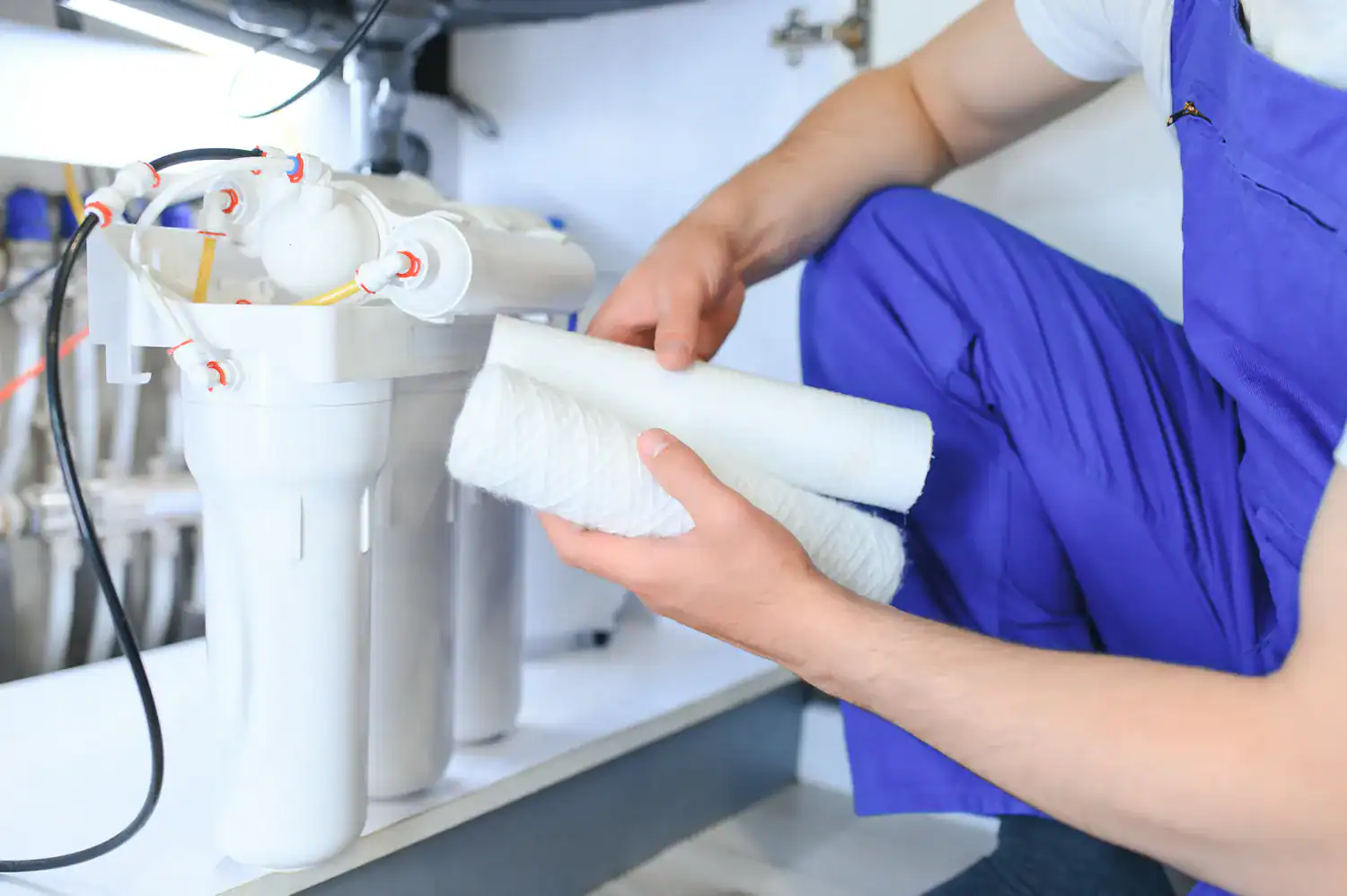
One Groveland resident reported that their filter had turned visibly brown after only a few months, which is actually the filter doing its job capturing what the tap water was carrying. That’s a good argument for having a filter that you can maintain and replace, rather than running that same water directly through your pipes and into your glass.
Please provide your email address so that we can stay in touch and answer any questions you have! We will be reaching back out shortly.
"*" indicates required fields
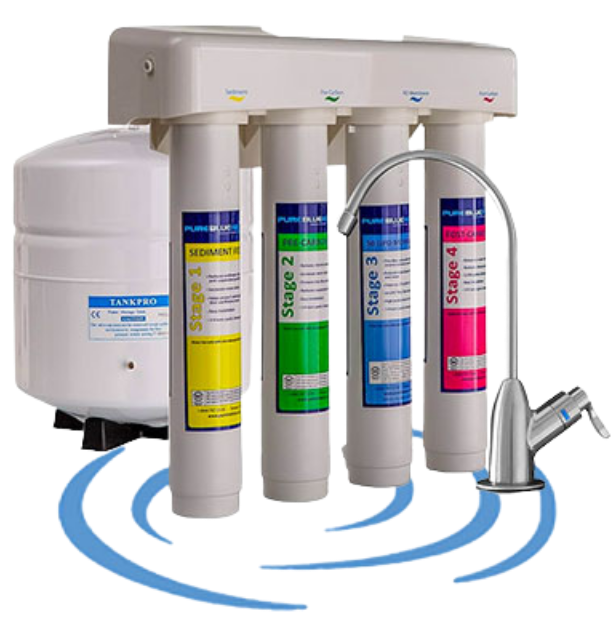
Get a free reverse osmosis drinking water system with the purchase of any whole-home water purification system.
*Cannot be combined with other offers. Mention this special when you call.