Reach Out Today
Please provide your email address so that we can stay in touch and answer any questions you have! We will be reaching back out shortly.

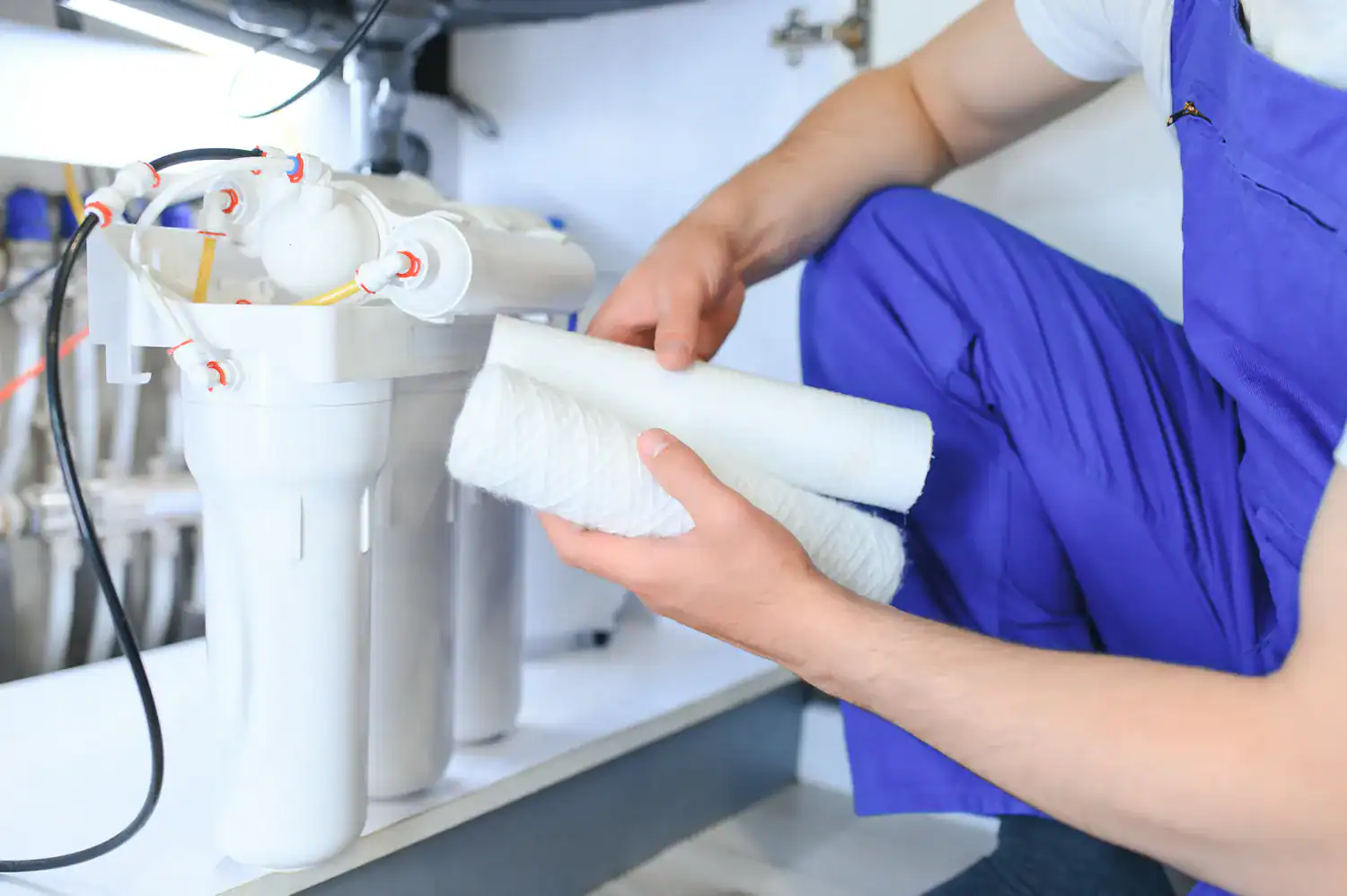
Hear from Our Customers
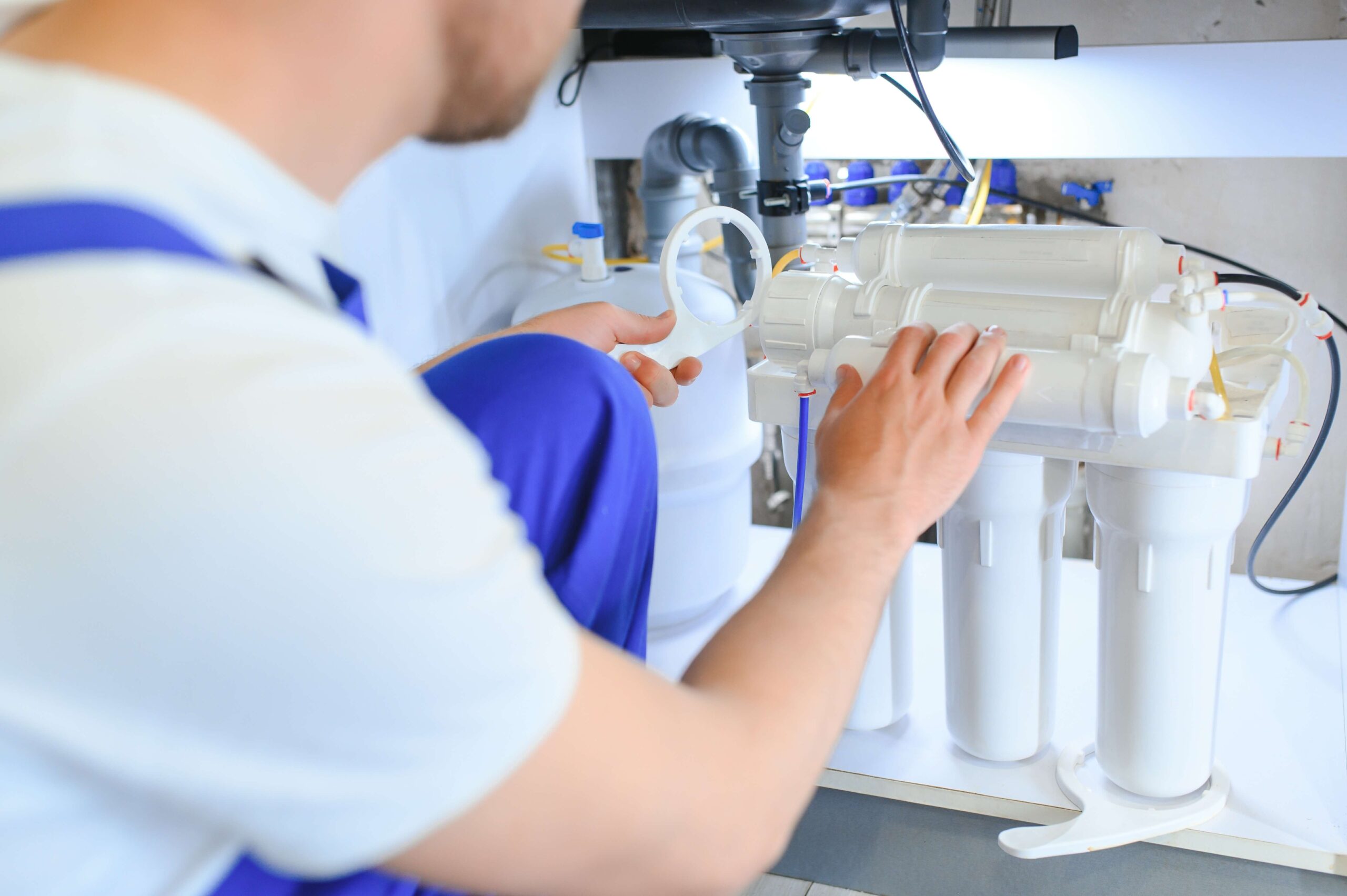
You stop buying cases of bottled water every week. You stop wondering what’s actually in the glass you just handed your kid. That’s not a small thing that’s a daily shift in how you live in your own home.
Golden Glades homes were built mostly between the 1940s and 1960s. That means a lot of the plumbing between the street and your sink is old and old pipes can leach lead into your water even after it leaves the treatment plant clean. An under-sink reverse osmosis system works at the point of use, right at your faucet, so whatever happens between the main line and your tap gets caught before it reaches your glass.
Miami-Dade also treats water with chloramine instead of regular chlorine. Most pitcher filters and refrigerator filters aren’t built to handle it. Chloramine doesn’t dissipate when you let the water sit, and it reacts with organic matter in the pipes to form disinfection byproducts that carry their own long-term health concerns. A properly configured RO system removes it along with PFAS, lead, arsenic, nitrates, and dissolved solids so what comes out of your tap is actually clean, not just treated.
Quality Safe Water of Florida is a water treatment company that’s all we do. No plumbing, no HVAC, no upsells on things you didn’t come here for. Just water treatment, done right, backed by credentials you can actually verify.
We hold an A-rating with the Better Business Bureau, a 5-star rating, and zero complaints on record. That’s not something we’re asking you to take our word for you can check it at bbb.org right now. We’re also members of the National Water Quality Association, which means our technicians are trained specifically in water treatment science, including the kind of challenges that come with Miami-Dade’s Biscayne Aquifer water and the older housing stock you’ll find throughout Golden Glades and the surrounding neighborhoods like Biscayne Gardens, Uleta, and Scott Lake.
Every engagement starts with a real water analysis. We look at what’s actually in your water before we recommend a system. That’s not how every company in this industry operates but it’s how we do it.
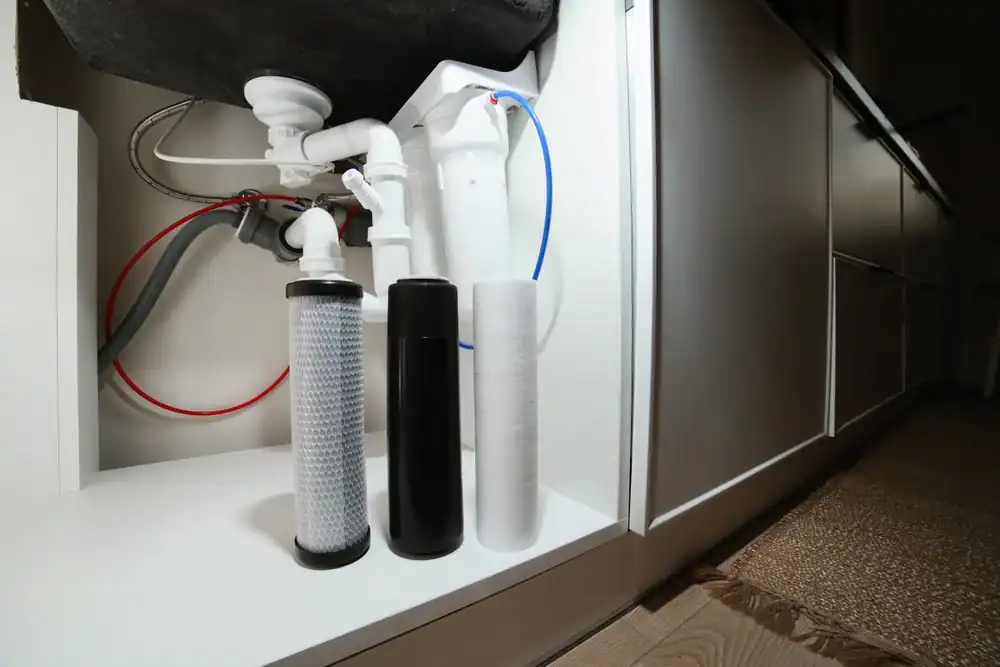
It starts with a free water analysis. We test your water for the specific contaminants that affect Golden Glades homes PFAS, lead, chloramine byproducts, dissolved solids, and anything else relevant to your water profile and your home’s age. That test drives everything that comes next.
Once we know what’s in your water, we recommend the right system for your situation. For most Golden Glades homeowners, that’s an NSF-certified under-sink reverse osmosis system installed directly at the kitchen faucet a clean, compact setup that doesn’t require major renovation. If your home has more extensive needs, like whole-house filtration, we’ll walk you through that option too.
Because Miami-Dade County has its own permitting requirements for plumbing work, we handle the process correctly from the start so there are no surprises after the install.
After installation, we don’t disappear. Filter replacements, service calls, warranty questions you reach a person who knows your system. In an industry where the most common complaint is that the company vanishes after the sale, that follow-through is the part that actually matters.
Ready to get started?
Every system we install carries NSF/ANSI certification which means the equipment has been independently tested and verified to remove the contaminants it claims to remove. That matters specifically in Golden Glades, where the 2024 water quality data confirmed PFOS at 18.98 parts per trillion and PFOA at 7.2 parts per trillion both above the EPA’s 4 ppt maximum contaminant level finalized in April 2024.
The EPA’s own guidance points to NSF-certified reverse osmosis as one of the most effective point-of-use solutions for PFAS removal. That’s not a marketing claim it’s the agency’s published recommendation.
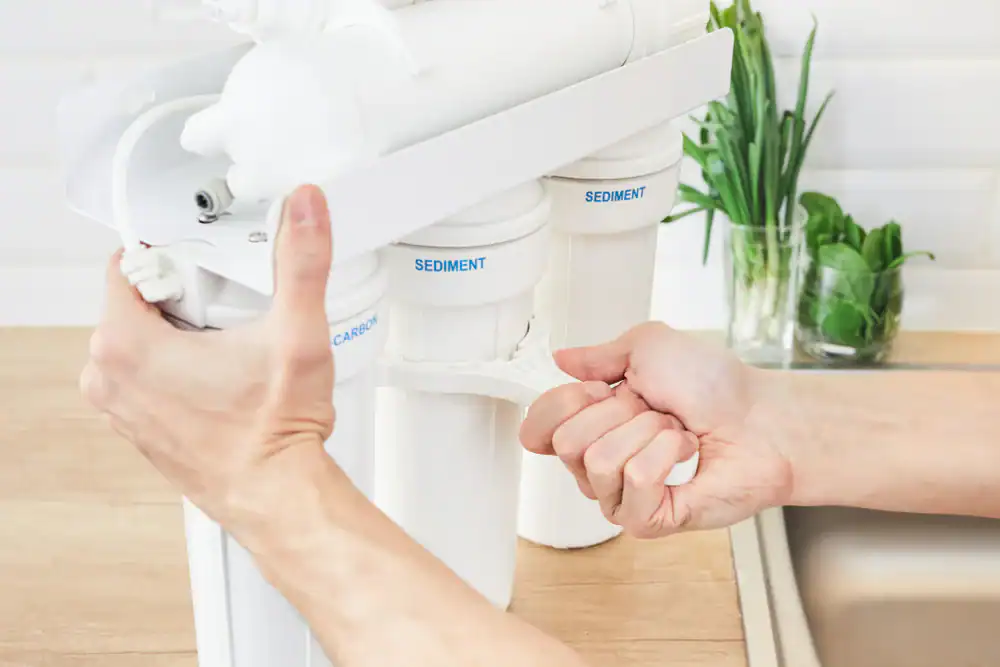
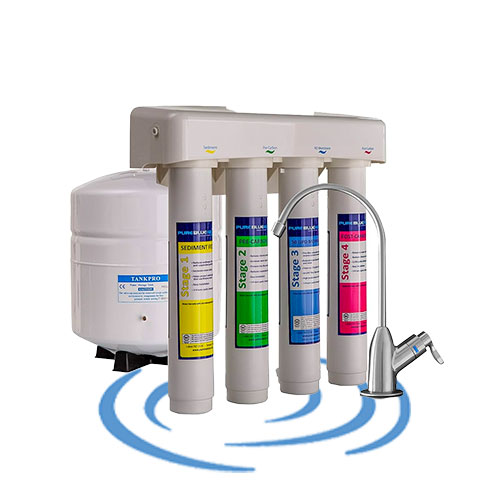
For Golden Glades homeowners, the under-sink RO system is the most practical and effective starting point. It installs beneath your kitchen sink, connects to a dedicated faucet, and produces clean drinking water without disrupting the rest of your home’s plumbing.
Annual maintenance primarily filter replacements runs approximately $100 to $200 per year. For families currently spending $50 to $100 a month on bottled water, the system pays for itself well within the first few years.
If you’re a military veteran, active service member, or first responder, you qualify for $500 off your installation no complicated process, no fine print. Miami-Dade County has a large community of people who serve, and that discount is a straightforward acknowledgment of it.
Yes and the levels are confirmed above the EPA’s new legal limits. Miami-Dade Water and Sewer Department’s own 2024 water quality data showed PFOS at 18.98 parts per trillion and PFOA at 7.2 parts per trillion. The EPA finalized maximum contaminant levels of 4 ppt for both compounds in April 2024. Both readings from Miami-Dade exceed that threshold.
The utility has until 2029 to achieve compliance with a possible extension to 2031. That means if you’re drinking unfiltered tap water in Golden Glades right now, you’re drinking water that exceeds federal PFAS limits, and that’s not changing at the source anytime soon. PFAS compounds are linked to immune system disruption, hormone interference, and increased cancer risk with long-term exposure. An NSF-certified reverse osmosis system removes PFAS at the point of use right at your faucet so you don’t have to wait for 2029 to drink clean water.
A properly configured, NSF-certified reverse osmosis system removes a wide range of contaminants that are specifically relevant to Miami-Dade’s water supply and Golden Glades homes. That includes PFAS compounds like PFOS and PFOA, lead from aging household plumbing, chloramine and its disinfection byproducts including trihalomethanes and haloacetic acids, arsenic, nitrates, dissolved solids, and radium.
Miami-Dade water comes from the Biscayne Aquifer a shallow limestone aquifer that’s more vulnerable to surface contamination than the deeper aquifers serving other parts of Florida. That means the water entering your Golden Glades home carries a specific contaminant profile that a generic filter isn’t designed to address. We select systems based on your actual water test results, not a one-size-fits-all recommendation.
For homes in Golden Glades many of which were built before 1970 and may have older internal plumbing lead removal at the point of use is especially important, since lead can leach from pipes and fixtures inside your home even after the water leaves the treatment plant clean.
It does, and it’s worth taking seriously. Homes built before 1986 may contain lead solder at plumbing joints, galvanized steel pipes, or older fixtures that can leach lead into your water after it leaves the municipal system. Miami-Dade’s own 2021 lead sampling detected levels as high as 3.6 parts per billion in residential taps even in homes where the water tested clean at the source. The problem isn’t always what’s in the water when it leaves the treatment plant. It’s what happens between the main line and your faucet.
Most homes in Golden Glades fall into this older construction window. An under-sink reverse osmosis system addresses this directly because it filters water at the point of use right before it comes out of your kitchen faucet regardless of what your internal plumbing looks like. That’s a meaningful layer of protection for families with young children or elderly household members, where lead exposure carries the most serious health risk.
We test for lead as part of the initial water analysis so you know exactly what you’re dealing with before any system is recommended.
Refrigerator filters and standard pitcher filters are designed primarily to reduce chlorine, improve taste, and remove some sediment. They were not built to handle chloramine, which is what Miami-Dade uses to disinfect the water supply. Unlike free chlorine, chloramine doesn’t dissipate when water sits in a pitcher or passes through a basic carbon block. It requires either catalytic activated carbon specifically rated for chloramine, or removal at the membrane level which is exactly what a reverse osmosis system does.
Beyond chloramine, refrigerator filters have no meaningful capacity to remove PFAS, lead, arsenic, nitrates, or dissolved solids. They’re a convenience feature, not a filtration solution. A certified RO system operates at a different level entirely the semipermeable membrane physically blocks contaminants at the molecular level, which is why it’s one of the few technologies the EPA specifically recommends for PFAS removal.
For a standard under-sink reverse osmosis system professionally installed in a Golden Glades home, the cost varies based on the system’s stage configuration, the specific contaminants present in your water, and any plumbing considerations that come with older homes. Miami-Dade County requires permits for plumbing work including water line connections and drain line installations, so the installation process is done correctly and to code from the start that’s factored into what we do.
The more useful number for most families is the ongoing cost: annual filter replacements run approximately $100 to $200 per year depending on your system and water usage. If your household currently spends $50 to $100 per month on bottled water which is common in communities like Golden Glades where tap water trust is low the system pays for itself within two to four years and saves you money every year after that.
For military veterans, active service members, and first responders, the $500 discount meaningfully reduces the upfront cost. A free water analysis is the right starting point it tells us exactly what your water needs, which determines the right system and the accurate cost.
Please provide your email address so that we can stay in touch and answer any questions you have! We will be reaching back out shortly.
"*" indicates required fields
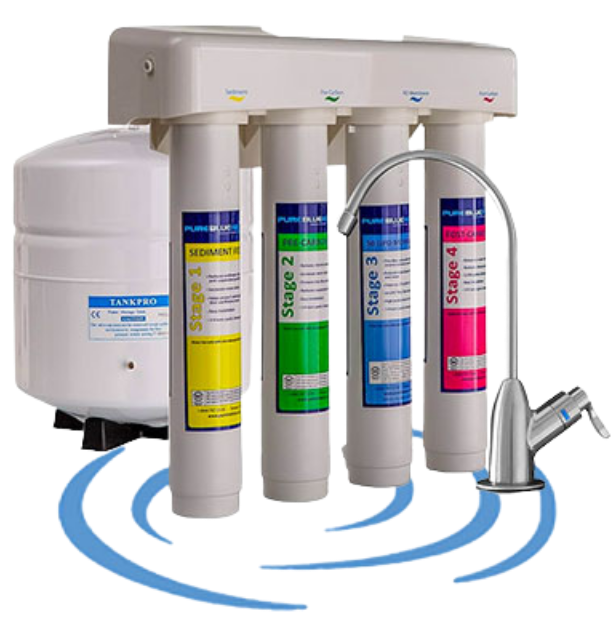
Get a free reverse osmosis drinking water system with the purchase of any whole-home water purification system.
*Cannot be combined with other offers. Mention this special when you call.