Reach Out Today
Please provide your email address so that we can stay in touch and answer any questions you have! We will be reaching back out shortly.

Hear from Our Customers
You stop buying cases of bottled water. That alone covers a meaningful chunk of what a system costs over time and the water coming out of your tap will be cleaner than most of what’s sitting in those plastic bottles anyway.
For homeowners in Glynea/Grove Park specifically, there’s a layer to this that doesn’t apply to newer neighborhoods. The homes here are older a lot of them built before 1970 which means the plumbing inside the walls has had decades to accumulate wear. Even after JEA treats the water and sends it out through the Floridan Aquifer system, it still has to travel through your home’s pipes before it reaches your glass.
Lead solder was standard in residential plumbing until 1986. If your Glynea/Grove Park home predates that, an under-sink reverse osmosis system filtering water at the point of use isn’t just a nice upgrade it’s the most practical thing you can do.
On top of that, Jacksonville’s water runs hard. Around 260 parts per million of dissolved calcium and magnesium, on average. That’s the white scale building up on your faucets, clouding your glassware, and quietly wearing down your water heater and dishwasher. We size a reverse osmosis or water treatment system to address that mineral load before it costs you in appliance repairs.
We’re not a plumbing company that added water filters to our service list. Water treatment is the only thing we do which means when one of our technicians shows up to your home in Glynea/Grove Park or anywhere else in North Florida, they’ve seen every Jacksonville water problem there is.
We don’t guess. We don’t upsell based on a quick test strip. We test your water properly, tell you what’s actually in it, and recommend only what you need.
We hold an A-rating with the Better Business Bureau, a 5-star rating, and zero complaints on record. You can look that up at bbb.org right now before you call anyone. We’re also members of the National Water Quality Association a credential that separates water treatment specialists from generalists in a market full of them.
If you’re active military, a veteran, or a first responder, there’s a $500 discount waiting for you no fine print. We also support the Tunnels to Towers Foundation, which builds mortgage-free homes for the families of fallen first responders and Gold Star families.
It starts with a water test a real one. Not the kind designed to scare you into buying the most expensive system on the truck. JEA water across the 32216 ZIP code carries its own specific profile: moderate-to-hard mineral content, disinfection byproducts from chlorine treatment, and in older homes like many in Glynea/Grove Park, the added variable of what aging pipes contribute before the water reaches your tap.
The test tells you exactly what you’re dealing with in your home, not just what’s average for the city.
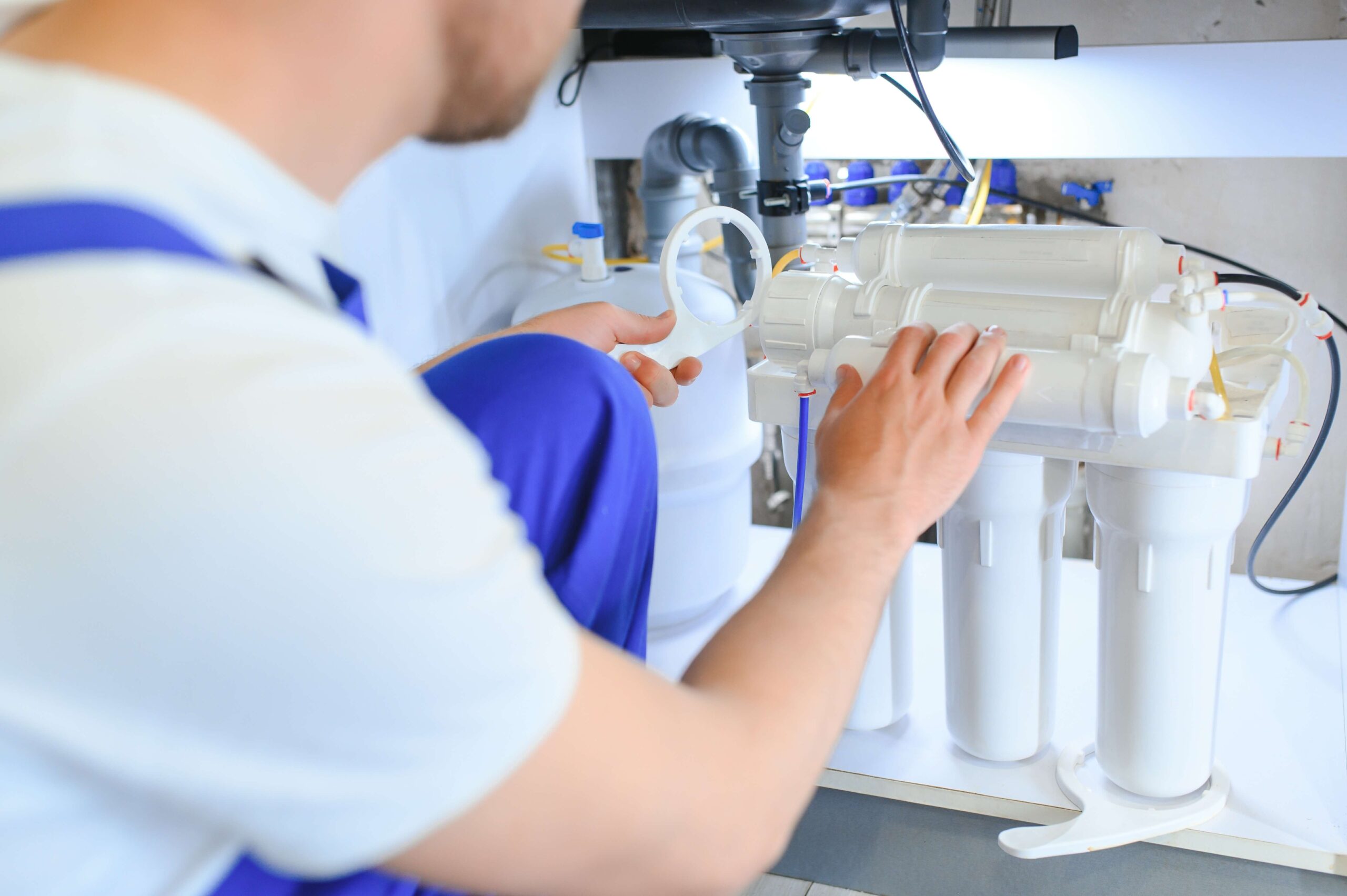
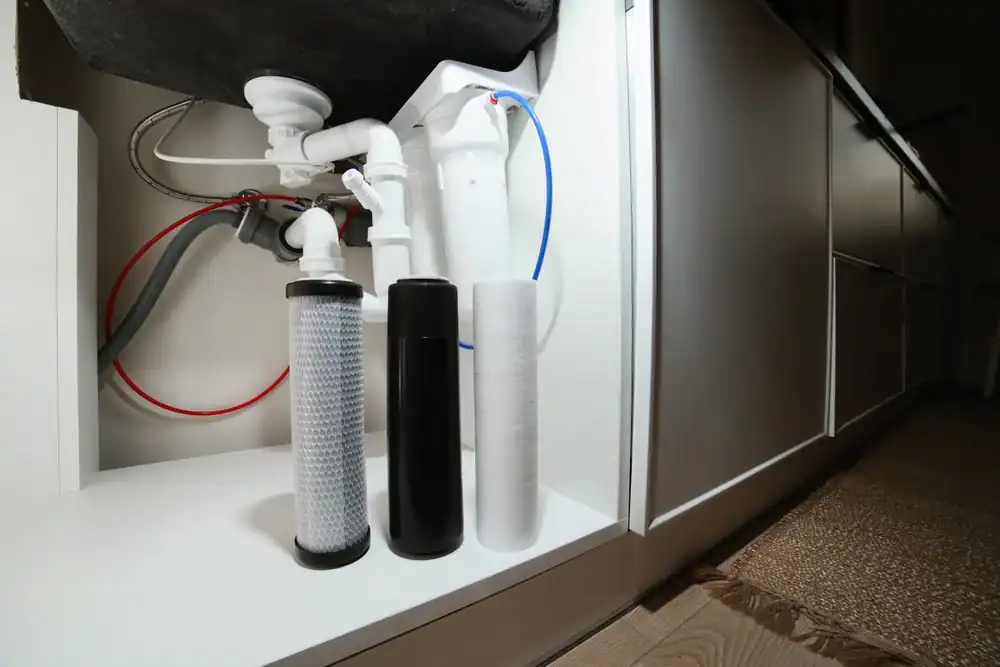
From there, our recommendation is built around what your water actually needs. An under-sink reverse osmosis system is the most common solution for drinking and cooking water it connects to your existing cold water line beneath the kitchen sink, drains to your existing drain, and requires no major plumbing work.
For Glynea/Grove Park homeowners dealing with hard water throughout the house, a whole-house system addresses the mineral load at the point of entry. No permit is typically required for an under-sink installation in Duval County. Whole-house point-of-entry systems may involve a plumbing permit depending on scope, and we handle that process for you.
Once installed, the system runs quietly and consistently. Pre-filters typically need replacement around the 12-month mark. The reverse osmosis membrane itself usually runs 24 months or more depending on your water quality and usage. We handle those service visits the same company that installed your system is the one that maintains it.
Ready to get started?
The under-sink reverse osmosis system is the most practical starting point for most Glynea/Grove Park homeowners. It filters water at the tap removing disinfection byproducts like trihalomethanes and haloacetic acids, reducing trace arsenic, eliminating chlorine taste and odor, and catching lead that may have entered the water through aging household plumbing.
For a home built in 1958 or earlier in Glynea/Grove Park, that point-of-use filtration is doing work that JEA’s treatment simply can’t do from a facility miles away.
For homeowners dealing with hard water throughout the house scale on fixtures, reduced appliance efficiency, cloudy dishes a whole-house reverse osmosis or water conditioning system treats the water before it ever reaches a faucet, appliance, or shower head.
This is where our specialty focus becomes most valuable. We size a whole-house system correctly for your home’s demand, your water’s specific mineral content, and your plumbing configuration. Getting it wrong means a system that underperforms or wastes water. Getting it right means 15 to 20 years of protected appliances and water you don’t have to think about.
Every system we install uses professional-grade components. Every installation is backed by us the same company that will show up for your maintenance visits. That’s not how most of this market works and it’s exactly why it matters that you ask before you sign anything.
JEA’s water meets EPA legal standards that’s a fact. But meeting the legal limit and being something you’d want to drink every day aren’t the same thing.
Independent testing of Jacksonville’s distribution water has found disinfection byproducts specifically trihalomethanes (TTHMs) and haloacetic acids (HAA5s) that form when chlorine reacts with organic matter during treatment. These compounds are present at levels within federal limits but above the stricter health guidelines the EPA itself sets as the ideal target.
There’s also the older home factor that’s specific to Glynea/Grove Park. JEA’s treatment ends at the distribution system. What happens inside the plumbing of a home built in 1962 aging copper, older solder joints, galvanized steel is a separate question. Lead solder was used in residential plumbing until 1986. If your Glynea/Grove Park home predates that, the water quality at your tap may differ from what JEA reports at the source.
A point-of-use reverse osmosis system filters water after it’s traveled through your home’s plumbing, which is where that protection actually matters.
The honest answer is that it depends on what your water actually needs which is why we test first before any quote. An under-sink reverse osmosis system for drinking and cooking water is the most accessible entry point, and for most Glynea/Grove Park homeowners, it’s the right starting place.
Whole-house systems that address hard water throughout the home are a larger investment, but they’re also solving a larger problem one that compounds over time in appliance wear, scale buildup, and efficiency loss.
What’s worth factoring into the cost conversation is what you’re currently spending. If your household is buying bottled water because the tap tastes like chlorine, that’s $50 to $100 a month going nowhere. Over two to four years, that spending covers a significant portion of a quality system.
Unlike bottled water, a properly installed reverse osmosis system adds something to your home it’s an improvement with a 15 to 20 year lifespan, not a recurring expense with no endpoint. We provide a quote after the water test, so the number you get is based on your actual water, not a package pulled off a shelf.
Yes, and it’s one of the more underestimated costs of living in Duval County. Jacksonville’s water averages around 260 parts per million of dissolved calcium and magnesium roughly 15 grains per gallon which puts it in the hard to very hard range.
That mineral load doesn’t just show up as white scale on your faucets. It builds up inside your water heater, reducing its efficiency and shortening its lifespan. It coats the heating elements in your dishwasher. It leaves deposits in your washing machine that accumulate over years.
For a Glynea/Grove Park homeowner who’s been in their house since the 1980s or 90s, that damage has been compounding quietly for decades. A whole-house reverse osmosis or water conditioning system addresses the mineral content before it reaches any appliance or fixture in your home. An under-sink reverse osmosis system protects your drinking water specifically.
Both are worth considering depending on your situation and the water test will show you exactly how hard your water is running so you can make that call with real information rather than a guess.
A properly functioning multi-stage reverse osmosis system removes a wide range of contaminants and for Jacksonville-area water specifically, the most relevant ones are disinfection byproducts (trihalomethanes and haloacetic acids), chlorine and chloramine taste and odor, trace arsenic, lead, dissolved solids including calcium and magnesium, and nitrates.
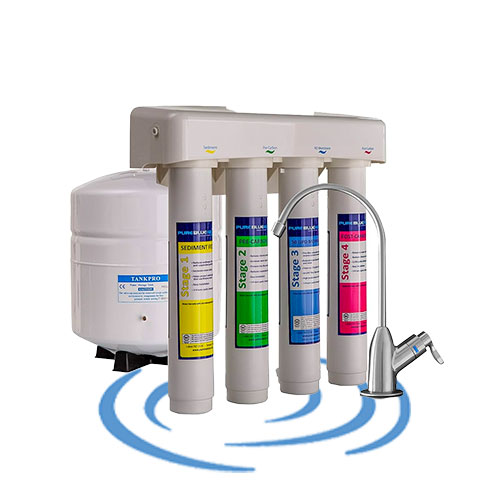
The reverse osmosis membrane itself is the core of the system water is pushed through a semi-permeable membrane with pores small enough to block most contaminants at the molecular level. Pre-filters handle sediment and chlorine before the membrane, and a post-filter polishes the water before it reaches your tap.
For Glynea/Grove Park homes specifically, the lead and disinfection byproduct removal is where a reverse osmosis system earns its keep most directly. JEA treats the water, but the treatment process itself creates byproducts, and the older plumbing in this neighborhood’s housing stock can add lead after JEA’s work is done.
No pitcher filter or refrigerator filter handles that combination as effectively as a dedicated under-sink reverse osmosis system does. The result is water that’s genuinely cleaner than most bottled brands tested and verified, not just marketed that way.
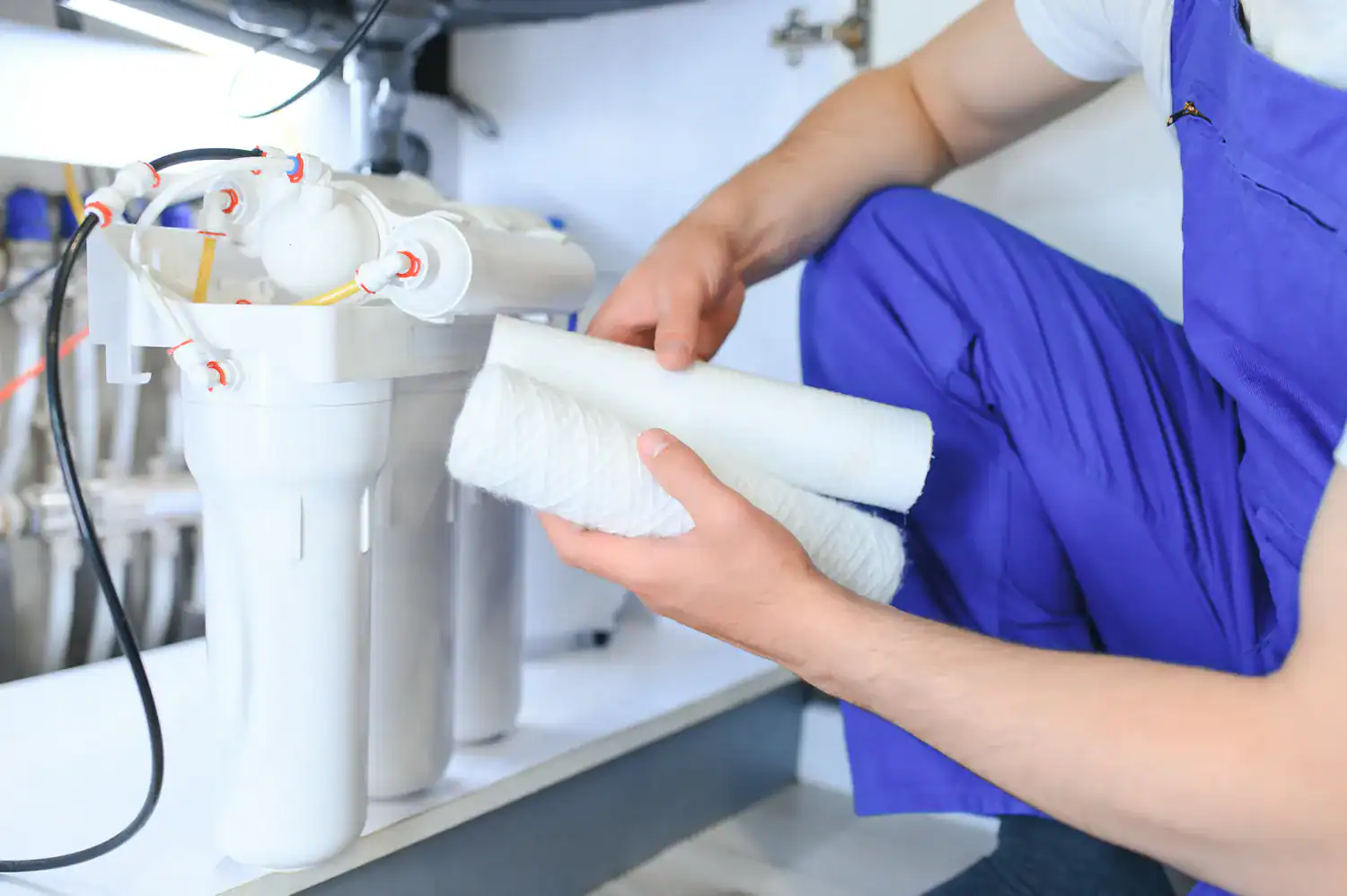
The maintenance schedule for a standard under-sink reverse osmosis system is straightforward. Pre-filters which handle sediment and chlorine before water reaches the membrane typically need replacement every 6 to 12 months depending on your water quality and how much water your household uses.
In Jacksonville, where JEA’s chlorine treatment means pre-filters are working harder than they would in areas with lighter disinfection, staying on that 12-month schedule matters. The reverse osmosis membrane itself is more durable most run 2 to 3 years before needing replacement, though that varies with water hardness and usage volume.
What makes the maintenance question more important than most people realize is who handles it. A lot of companies in the Jacksonville market sell systems and then become difficult to reach when service is due. Our position is simple: we installed it, we maintain it.
The same company handles your filter replacements and membrane swaps, and you’re not routed through a national call center to schedule it. For a homeowner in Glynea/Grove Park who’s made a 15 to 20 year investment in their home’s water quality, that continuity isn’t a minor detail it’s the difference between a system that performs and one that slowly stops doing its job.
Please provide your email address so that we can stay in touch and answer any questions you have! We will be reaching back out shortly.
"*" indicates required fields
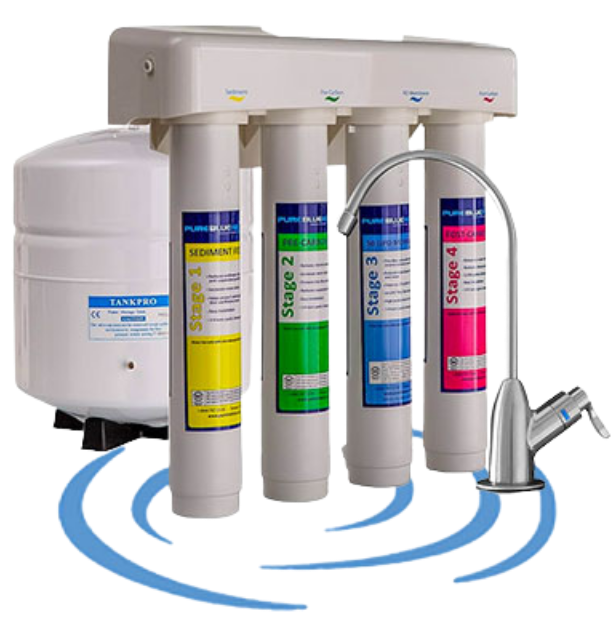
Get a free reverse osmosis drinking water system with the purchase of any whole-home water purification system.
*Cannot be combined with other offers. Mention this special when you call.