Reach Out Today
Please provide your email address so that we can stay in touch and answer any questions you have! We will be reaching back out shortly.

Hear from Our Customers
Independent testing of the Lake Utility Services supply serving Glenbrook has identified six contaminants at levels that exceed health advisory guidelines: chlorate, hexavalent chromium, nitrate, radium, strontium, and total trihalomethanes. These aren’t scare tactics. They’re in the public record. A pitcher filter or refrigerator filter isn’t removing most of them.
A reverse osmosis water filtration system removes up to 99% of dissolved contaminants at the point where you actually drink the water the kitchen tap. The difference is immediate. Water tastes clean. The chemical smell from chloramines disappears. You stop reaching for bottled water.
But it goes further than taste. Glenbrook homes built in the early 2000s have been running on 12 to 18 grains per gallon of dissolved minerals for nearly two decades. That’s the definition of very hard water. The scale buildup shortens the life of your water heater, dishwasher, pool equipment, and plumbing fixtures. Treating your water now doesn’t undo existing scale, but it stops the damage from compounding further and significantly extends the life of every appliance you replace going forward.
For Glenbrook homeowners running short-term vacation rentals, water quality is also a hospitality issue. Guests from Europe, Canada, and the Northeast notice when tap water tastes off or when mineral deposits show up on shower glass. That kind of detail ends up in reviews. Clean water protects your rental income.
We’re based in Lake County the same county your Glenbrook home sits in. That matters because the Floridan Aquifer that supplies water to the Glenbrook area has its own chemistry, and treating it well requires knowing it well. We’re not a national franchise routing your call through an out-of-state center. We’re a local water treatment company that knows what comes out of the taps in Glenbrook and what it takes to fix it.
Water treatment is all we do. No plumbing, no HVAC, no side services. Just water softening, filtration, reverse osmosis, and purification. That singular focus is backed by National Water Quality Association membership, which means the training behind every recommendation is specific to Florida’s water chemistry, not a generic national standard.
We hold an A-rating with the Better Business Bureau, a 5-star score, and zero complaints on record. That’s not marketing language. It’s a public record you can verify at bbb.org right now. In an industry where sell-and-disappear is common, that track record is the clearest signal of what working with us actually looks like.
It starts with a real water test not a sales pitch dressed up as a consultation. Before anything is recommended, we analyze what’s actually in your water. In Glenbrook, that means looking at the specific contaminant profile of the Lake Utility Services supply serving this area: the mineral load, the chloramine levels, the disinfection byproducts, and anything else flagged in independent testing.
The system you end up with is built around your actual water, not a generic Florida template. Once the analysis is done, the right system gets recommended and installed. For most Glenbrook homes, an under-sink reverse osmosis system handles drinking and cooking water at the kitchen tap, while a whole-house conditioning system addresses the mineral load hitting your appliances, fixtures, and pool equipment.
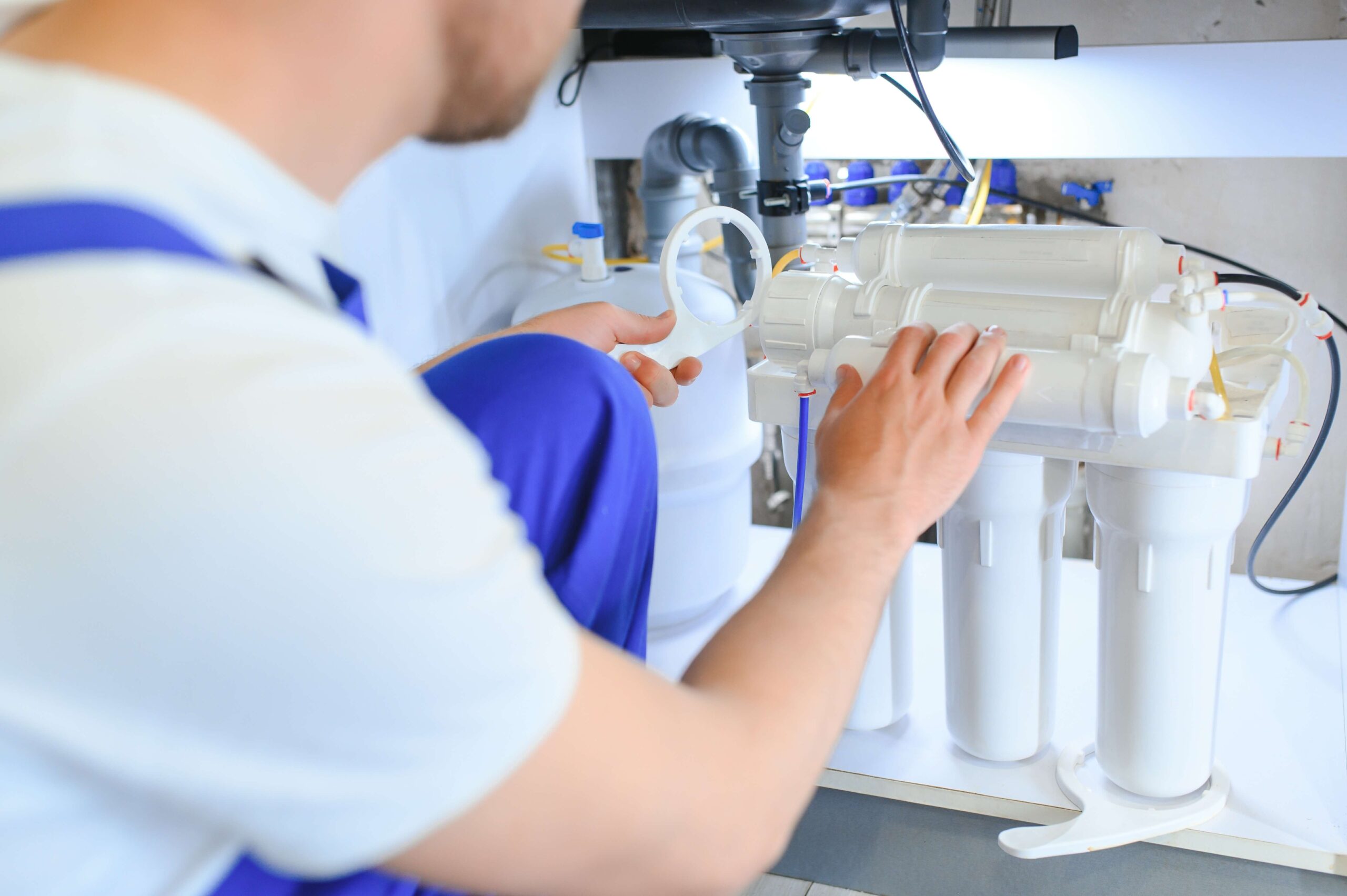
Installation is clean, professional, and doesn’t require you to rearrange your life. Most jobs are completed in a single visit. After installation, the system doesn’t just get handed off. Filter replacements, membrane swaps, and annual maintenance are part of the relationship not an afterthought. We show up when we say we will, and we’re still here when you need service years later.

Ready to get started?
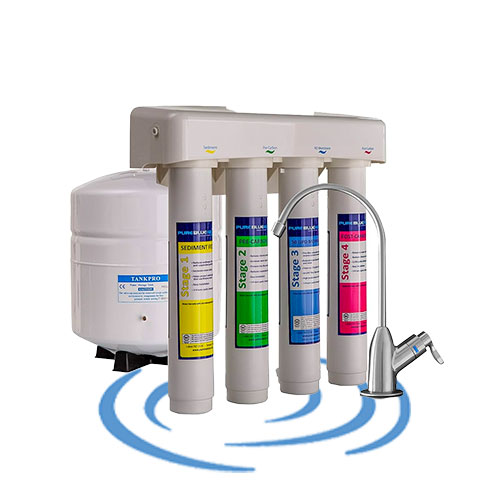
The reverse osmosis systems we install are sized and configured for the specific demands of homes in the Glenbrook area including the high mineral content from the Floridan Aquifer, the chloramine-based disinfection used in the local municipal supply, and the added load of homes with pools, spas, and multiple bathrooms that see heavy daily use.
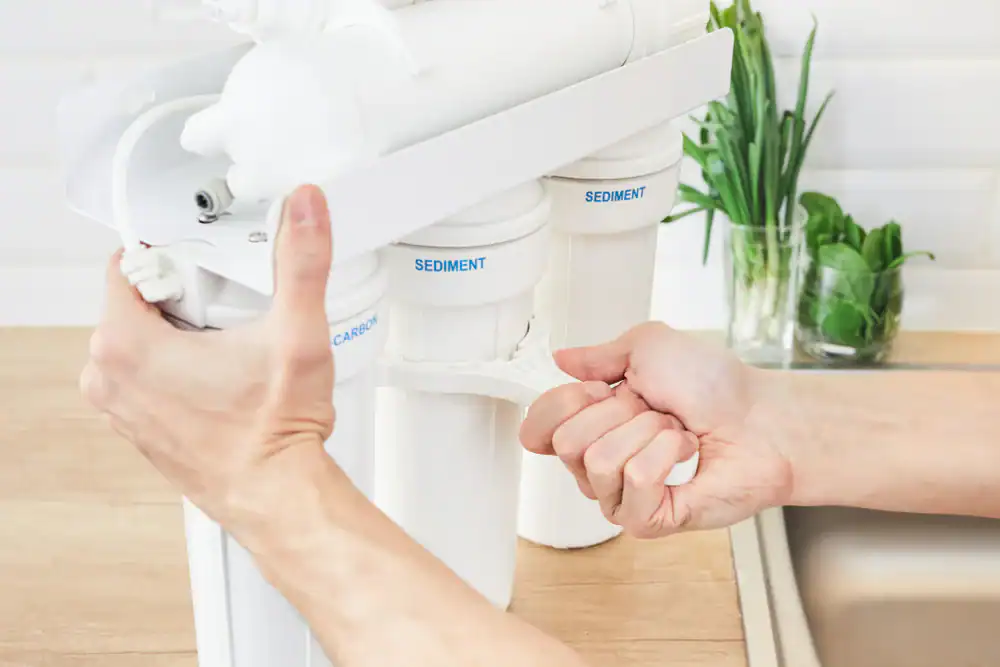
Standard carbon filters don’t reduce chloramines effectively. The systems we use include catalytic activated carbon specifically because of how Glenbrook’s water is treated at the source. Under-sink RO systems are the most common installation for Glenbrook households compact, out of sight under the kitchen cabinet, and producing clean filtered water directly at the tap.
For homeowners who want whole-house coverage, a full residential reverse osmosis or conditioning system addresses the mineral load at the point of entry, protecting every appliance and fixture in your home from the scale buildup that’s been shortening their lifespan. If you’re active military, a veteran, or a first responder, we offer $500 off installation no fine print, no minimum purchase. We also actively support the Tunnels to Towers Foundation, which builds mortgage-free homes for Gold Star families and fallen first responders.
Technically, yes the municipal water serving Glenbrook meets EPA legal limits. But meeting legal minimums and being genuinely clean aren’t the same thing. Independent testing of the Lake Utility Services supply covering Glenbrook has identified six contaminants at levels that exceed health advisory guidelines: chlorate, hexavalent chromium, nitrate, radium, strontium, and total trihalomethanes.
That doesn’t mean you’re in immediate danger every time you turn on the tap. It means the water coming into your Glenbrook home contains compounds that long-term exposure studies have flagged as concerning and that a reverse osmosis system is specifically designed to remove. An RO system filters water down to a fraction of a micron, eliminating up to 99% of dissolved contaminants including every one flagged in Glenbrook’s water quality reports.
Water hardness in Glenbrook runs between 12 and 18 grains per gallon. That puts it in the “very hard” to “extremely hard” range. To put that in context, water above 7 GPG is considered hard. Glenbrook’s water is nearly double that threshold at the low end.
What that means practically is that every gallon running through your home carries dissolved calcium and magnesium that gets left behind when the water evaporates or heats up. It’s the white film on your shower glass, the scale buildup inside your water heater that reduces its efficiency, the mineral deposits clogging your dishwasher spray arms, and the residue coating the jets in your pool or spa. Glenbrook homes built in the early 2000s have had close to two decades for that accumulation to build up. A water treatment system won’t undo existing scale, but it stops the damage from compounding further.
A water softener and a reverse osmosis system solve different problems, and in Glenbrook, you often want both working together. A water softener addresses hardness it removes the calcium and magnesium that cause scale buildup in your pipes, appliances, and fixtures. It’s a whole-house solution that protects your water heater, your dishwasher, your pool equipment, and everything else water touches. It does not, however, remove chemical contaminants like trihalomethanes, chromium-6, or nitrate from your drinking water.
That’s what a reverse osmosis system does. An under-sink RO system filters the water at your kitchen tap down to a point where dissolved contaminants are removed at the molecular level. It handles what a softener doesn’t the stuff you can’t see or taste that shows up in water quality reports. For Glenbrook homeowners dealing with both hard water and a documented contaminant profile in the municipal supply, the most complete answer is typically a softener or conditioner at the point of entry combined with an RO system at the kitchen tap.
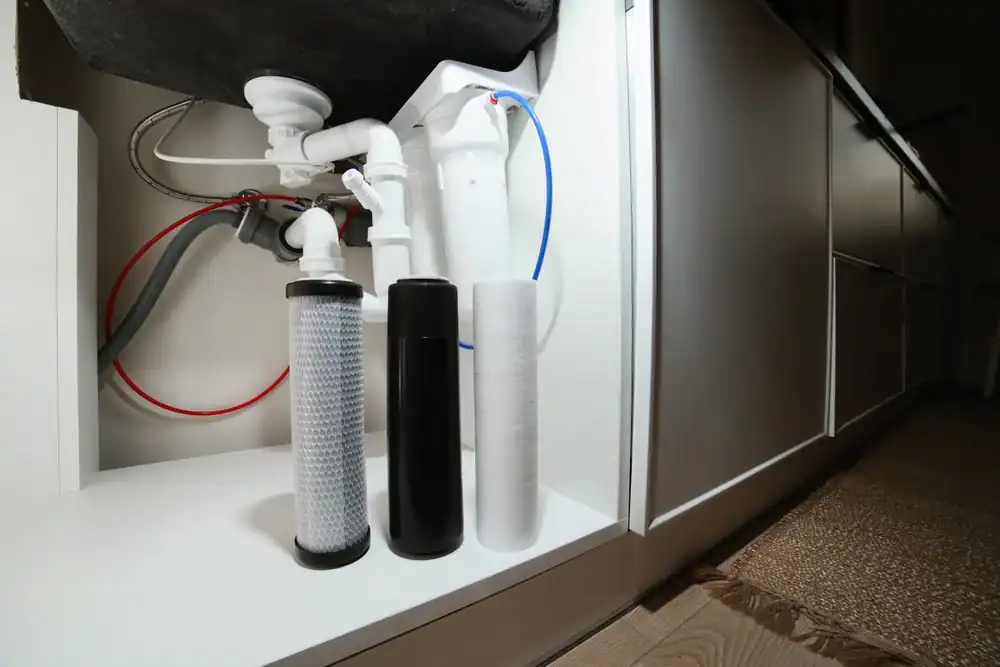
A well-installed reverse osmosis system lasts 15 to 20 years with proper maintenance. The system itself is durable what needs regular attention are the filters and the membrane, which do the actual work of removing contaminants from your water. Pre-filters typically need replacement once a year. The RO membrane, which is the core filtration component, usually lasts two to five years depending on your water quality and usage volume.
In Glenbrook specifically, the high mineral content of the local water supply can put more demand on the pre-filters than it would in a lower-hardness area. If you’re running a vacation rental and the system is processing water for rotating guests throughout the year, that usage adds up faster than a typical single-family household. We handle filter replacements and membrane swaps as part of ongoing service you don’t have to track the schedule yourself or figure out which replacement parts to order.
It makes more sense here than in most places. Glenbrook has a significant number of homes operating as short-term vacation rentals. When guests from the UK or Germany turn on the tap and the water smells of chlorine or tastes flat and heavy, that’s the kind of detail that shows up in a review.
Beyond guest experience, the financial case is straightforward. Bottled water for guests is an ongoing cost. Scale damage to appliances and fixtures is an ongoing cost. A reverse osmosis system eliminates the first and dramatically slows the second. The installation cost is a one-time investment that pays for itself over time and it adds a legitimate selling point to your listing. For property owners who aren’t based in Glenbrook full-time, having a local company available for maintenance without requiring you to be on-site is the part that makes it genuinely practical.
Please provide your email address so that we can stay in touch and answer any questions you have! We will be reaching back out shortly.
"*" indicates required fields