Reach Out Today
Please provide your email address so that we can stay in touch and answer any questions you have! We will be reaching back out shortly.

Hear from Our Customers
The first thing most people notice is the taste. Water that used to carry a faint chlorine edge just tastes clean. But the bigger changes happen where you don’t see them inside your appliances, behind your fixtures, and in what you’re actually putting into your body every day.
JEA draws from the Floridan Aquifer, about 1,000 feet underground. That’s genuinely good source water. The problem is what gets added during treatment chlorine that reacts with organic matter to form trihalomethanes, plus the natural mineral load from all that limestone the water travels through.
If you’re in a condo in Brooklyn, a converted building in LaVilla, or anywhere else in Downtown Jacksonville, that hard water is leaving scale on your fixtures, working against your dishwasher, and shortening the life of anything with a water line running to it. An under-sink reverse osmosis system gives you clean drinking water at the tap without changing anything about how your building is plumbed.
A whole-house RO system goes further it addresses the hardness and contaminant load before water reaches any faucet, showerhead, or appliance in your unit. Either way, you stop buying cases of bottled water, you stop worrying about what’s in your glass, and your appliances stop fighting a slow battle against mineral buildup.
Most companies that show up when you search for RO installation in Downtown Jacksonville are plumbing businesses. Water treatment is somewhere in their service menu, between water heater replacements and drain cleaning. That’s not how we operate at Quality Safe Water of Florida.
Water treatment is the only thing on our list which means when we look at your water, we’re not trying to fit it into an upsell conversation. We’re just trying to solve the actual problem.
We’re members of the National Water Quality Association, hold a BBB A-rating with a 5-star score, and have zero complaints on record something you can verify at bbb.org in about 30 seconds. That record didn’t happen by accident. It happened because we service what we sell, which genuinely isn’t standard practice in this industry.
We also offer a $500 discount for active military, veterans, and first responders. In Duval County home to NAS Jacksonville, Naval Station Mayport, and one of the largest military communities in the country that’s not a footnote. It’s a real offer for a significant part of the people we serve in Downtown Jacksonville and the surrounding area.
It starts with a real water test not a quick hardness check designed to justify the most expensive system on the truck, but actual lab-grade analysis of what’s in your specific water. Jacksonville’s water quality isn’t uniform.
A condo in a 1960s building near LaVilla may have different lead and copper concerns than a new unit on the Southbank. A home near NAS Jacksonville may carry more PFAS risk than one on the other side of the city. The test tells us what we’re actually dealing with.
From there, we recommend the right system for your situation under-sink RO if you’re focused on drinking and cooking water, or a whole-house system if you want to address hardness and contaminants at every point of use. We walk you through what the system does, what it doesn’t do, and what maintenance looks like over time. No pressure, no confusing upsell tiers.
Installation in a downtown condo is something we’re familiar with. We understand HOA requirements, limited under-sink space, and building-specific plumbing configurations that don’t always match what you’d find in a suburban single-family home. If a permit is required for your scope of work which can apply to whole-house line modifications under Jacksonville’s Building Inspection Division we handle that process.
After installation, we show you how the system works, what to watch for, and when to schedule your first filter service.
Ready to get started?
The Environmental Working Group has flagged five contaminants in JEA water that exceed their health guidelines total trihalomethanes, arsenic, radium, chlorate, and strontium. Those aren’t scare statistics. They’re published data from JEA’s own water quality reports, and they represent the gap between “legal” and “clean.”
A properly specified reverse osmosis system addresses all five, working through a multi-stage membrane process that filters down to 0.0001 microns small enough to catch what standard carbon filters miss, including PFAS compounds linked to military base contamination at NAS Jacksonville and the former Cecil Field site.
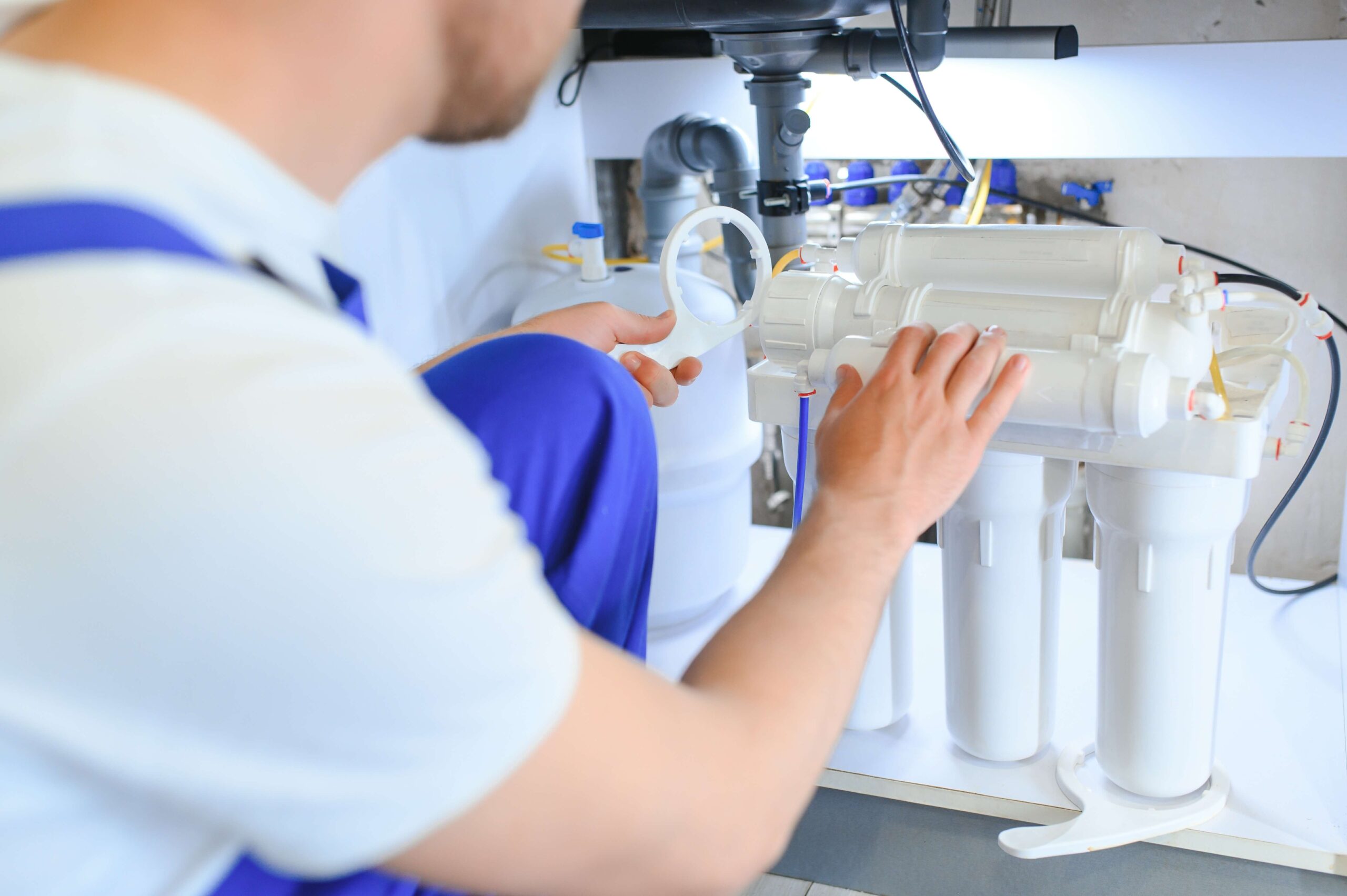
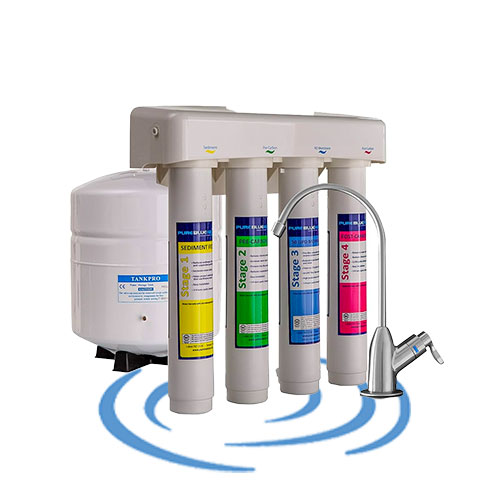
For Downtown Jacksonville residents, the under-sink RO system is the most practical starting point. It installs beneath your kitchen sink, connects directly to your cold water line, and delivers filtered water through a dedicated faucet. It doesn’t require major plumbing changes, and it works in condos, townhomes, and apartments alike.
If you want whole-home coverage protecting your showers, your laundry, and every appliance with a water connection a whole-house RO system addresses the full picture, including the hard water load from the Floridan Aquifer that’s quietly scaling your fixtures and shortening your appliance lifespan.
Every system we install includes a post-installation walkthrough, filter replacement guidance, and ongoing service from the same company that put it in. Annual maintenance typically runs $100–$200 in filter costs. Compare that to $600–$1,200 a year in bottled water, and the math isn’t close.
JEA’s water meets every federal Safe Drinking Water Act standard so by the legal definition, yes, it’s safe. But “meets the legal limit” and “as clean as it could be” are two different things. The Environmental Working Group analyzed JEA’s water quality data and identified five contaminants that exceed their independent health guidelines: total trihalomethanes, arsenic, radium, chlorate, and strontium.
Individual TTHM samples at some JEA sites exceeded 80 parts per billion during 2023. TTHMs are disinfection byproducts they form when chlorine reacts with organic matter and they’re linked to cancer risk and harm to fetal development at elevated exposure levels.
None of that means you’re in immediate danger drinking Jacksonville tap water. What it does mean is that if you’re drinking it daily, cooking with it, and making coffee with it, you’re getting more than just H2O. A reverse osmosis system removes all five of those EWG-flagged contaminants before the water reaches your glass. Whether that matters to you depends on your health priorities but it’s worth knowing the full picture before you decide.
Yes reverse osmosis is one of the most effective technologies available for PFAS removal, and it’s particularly relevant in Downtown Jacksonville. A 2016 study of shallow monitoring wells at Naval Air Station Jacksonville found PFAS contamination at nearly 19 times the EPA’s recommended level.
The former NAS Cecil Field site in the Westside has been tied to active PFAS litigation. Naval Station Mayport has also been identified in government contamination reports. Seven military-connected sites across the Jacksonville area have been flagged in federal assessments.
PFAS per- and polyfluoroalkyl substances are called “forever chemicals” because they don’t break down naturally. Standard pitcher filters and basic carbon filters don’t remove them effectively. Reverse osmosis works at the molecular level, pushing water through a semi-permeable membrane with pores of 0.0001 microns small enough to block PFAS compounds that other filtration methods let through.
If you live or work near NAS Jacksonville, or if you simply want to know your water is as clean as current technology allows, an RO system is the most direct answer available to you right now.
Yes, and it’s more common than most people assume. Under-sink RO systems are designed to fit in the cabinet space beneath a standard kitchen sink, connect to the existing cold water supply line, and drain through the existing drain pipe. The footprint is compact, the installation doesn’t require cutting into walls or modifying your main water supply, and it doesn’t trigger permit requirements in most cases under Jacksonville’s Building Inspection Division guidelines.
The main variable in a Downtown Jacksonville condo is your HOA or building management. Some buildings in Brooklyn, the Southbank, or newer mixed-use developments require written approval before any modifications to water supply connections even minor ones. We’re familiar with that process and can help you understand what documentation your building may require before we schedule the install.
Whole-house RO systems are a different conversation those involve the main supply line and are more likely to require both building approval and a city permit. We handle both scenarios regularly and can walk you through what applies to your specific unit before anything gets started.
For an under-sink reverse osmosis system, most homeowners and condo owners in the Jacksonville area are looking at a range that covers both the equipment and professional installation. The system itself, depending on the number of filtration stages and the brand, typically falls in the $300–$800 range for residential units. Add professional installation and you’re generally in the $500–$1,200 range total, depending on your specific setup and whether any additional fittings or line work are needed.
Whole-house reverse osmosis systems are a more significant investment the equipment and installation combined typically runs from $1,500 into the mid-four-figures depending on home size, water usage, and system capacity. That sounds like a lot until you factor in what hard water from the Floridan Aquifer does to appliances over time shortened dishwasher lifespans, scaling inside water heaters, clogged refrigerator filters and what you’re currently spending on bottled water.
Most households spending $75 a month on bottled water recoup the cost of an under-sink system within two to three years. After that, annual maintenance runs about $100–$200 in filter replacements.
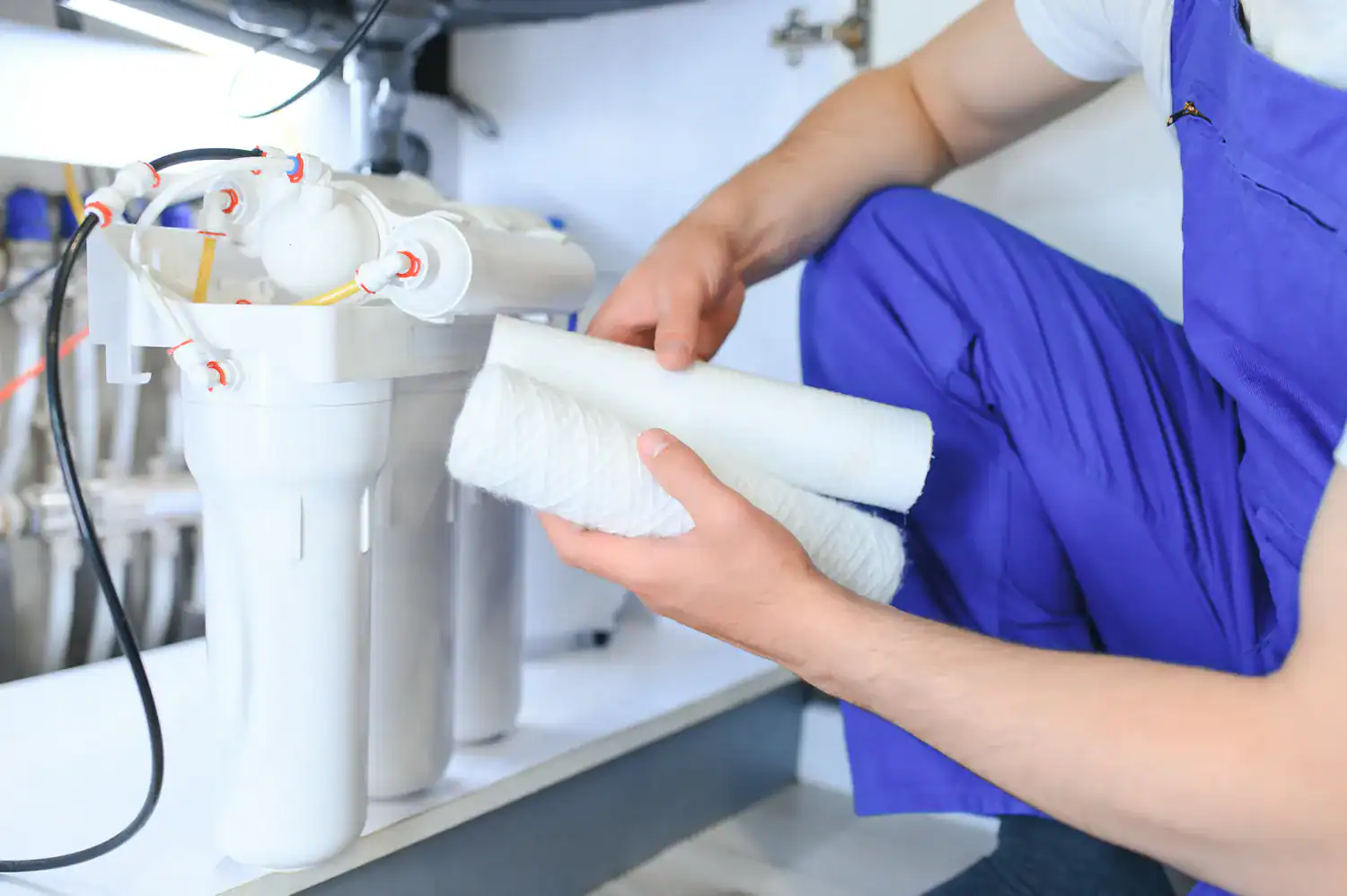
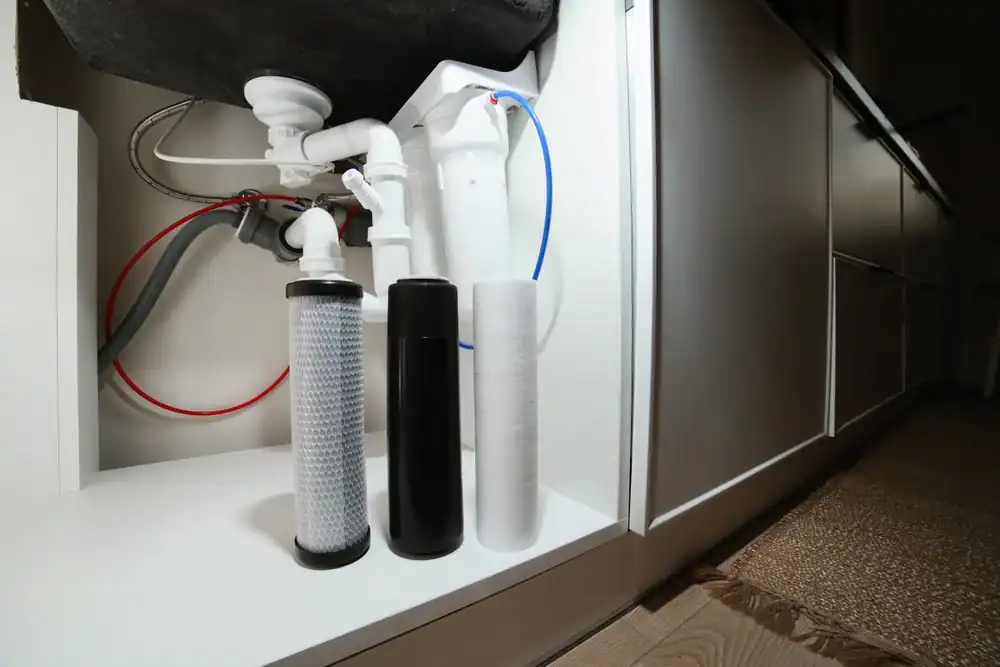
A standard under-sink RO system has multiple filter stages, and each one has a different service interval. Pre-filters which handle sediment and chlorine before water reaches the membrane typically need replacement every 6 to 12 months. The RO membrane itself usually lasts 2 to 3 years under normal use. Post-filters, which do a final polish before water reaches your faucet, are generally replaced annually.
If your system includes a remineralization stage, that cartridge follows a similar annual schedule. In Jacksonville, the mineral content in JEA water can shorten pre-filter life slightly compared to softer water sources the Floridan Aquifer’s calcium and magnesium load gives those early-stage filters more work to do. That’s not a problem, it just means staying on schedule matters.
We track service intervals for every system we install and reach out when it’s time you don’t have to remember the dates yourself. Skipping maintenance doesn’t just affect water quality; it puts extra strain on the RO membrane, which is the most expensive component to replace. Staying current on filters is the cheapest thing you can do to protect the system long-term.
Please provide your email address so that we can stay in touch and answer any questions you have! We will be reaching back out shortly.
"*" indicates required fields
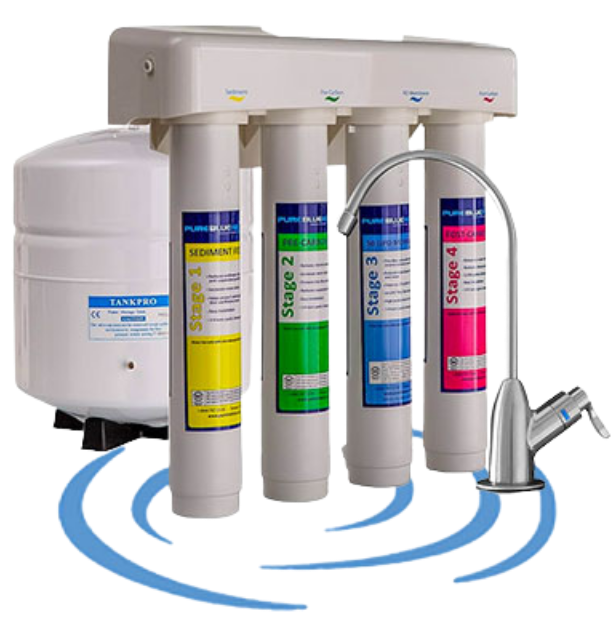
Get a free reverse osmosis drinking water system with the purchase of any whole-home water purification system.
*Cannot be combined with other offers. Mention this special when you call.