Reach Out Today
Please provide your email address so that we can stay in touch and answer any questions you have! We will be reaching back out shortly.

Hear from Our Customers
If you’ve been filling a pitcher filter, buying cases of bottled water, or just ignoring a nagging feeling about what’s coming out of your tap a properly installed reverse osmosis system changes all of that. You get water that tastes clean, looks clear, and has been treated for what’s actually in it. Not what you assume is in it. What a real water test shows.
For Delaney Park homeowners, that distinction matters more than most people realize. OUC water comes in at around 7 grains per gallon of hardness, and it carries disinfection byproducts trihalomethanes and haloacetic acids that form when chlorine reacts with organic matter in the source water. Those compounds are within legal limits, but “legal” and “as clean as possible” aren’t the same thing.
A quality RO system removes both, along with PFAS, arsenic, and lead which is a real concern in a neighborhood where many homes were built before 1986, when lead solder in plumbing was still standard practice. The other thing that changes is the money. Most families spending $60–$100 a month on bottled water don’t think of it as a recurring cost but that’s $720–$1,200 a year going toward something a well-installed under-sink system handles for a fraction of that over time.
Better water, lower long-term cost, and nothing to haul from the store.
Quality Safe Water of Florida is not a plumbing company that added water filtration to its service list. Water treatment is the only thing we do which means when you call us, you get someone whose entire focus is on getting your water right. No upsells on drain work. No generalist technicians. Just water specialists who know Florida’s water systems and the specific challenges that come with OUC-supplied water in and around Delaney Park.
We hold an A-rating with the Better Business Bureau, a 5-star rating, and zero complaints on record something you can verify yourself at bbb.org. We’re also members of the National Water Quality Association, which means we’re held to professional standards most of our competitors don’t bother with. For homeowners near Orlando Regional Medical Center and Winnie Palmer Hospital a neighborhood full of people who understand what contaminants actually do that kind of accountability isn’t optional. It’s the baseline.
We also offer a $500 discount for active military, veterans, and first responders. Given how many people in and around Delaney Park serve or have served, we wanted that offer to be real and meaningful not fine print.
It starts with a real water analysis not a quick hardness strip designed to steer you toward the most expensive system on the shelf. We test your water to understand what’s actually in it: hardness, disinfection byproducts, lead levels, PFAS presence, and anything else relevant to your home’s specific situation.
For a pre-1986 Delaney Park home with original plumbing, that test often tells a more detailed story than most homeowners expect. From there, we recommend a system sized and configured for your actual results. If an under-sink RO system is the right fit for your drinking and cooking water, that’s what we’ll say. If your home’s age and plumbing profile point toward a whole-house solution, we’ll walk you through why.
The recommendation follows the data not a sales quota. Installation is clean and straightforward. Under-sink systems connect to your existing supply line and drain no major construction, no permits required for point-of-use setups in the City of Orlando. Whole-house or point-of-entry systems may require a plumbing permit depending on scope, and we handle that process as part of the job.
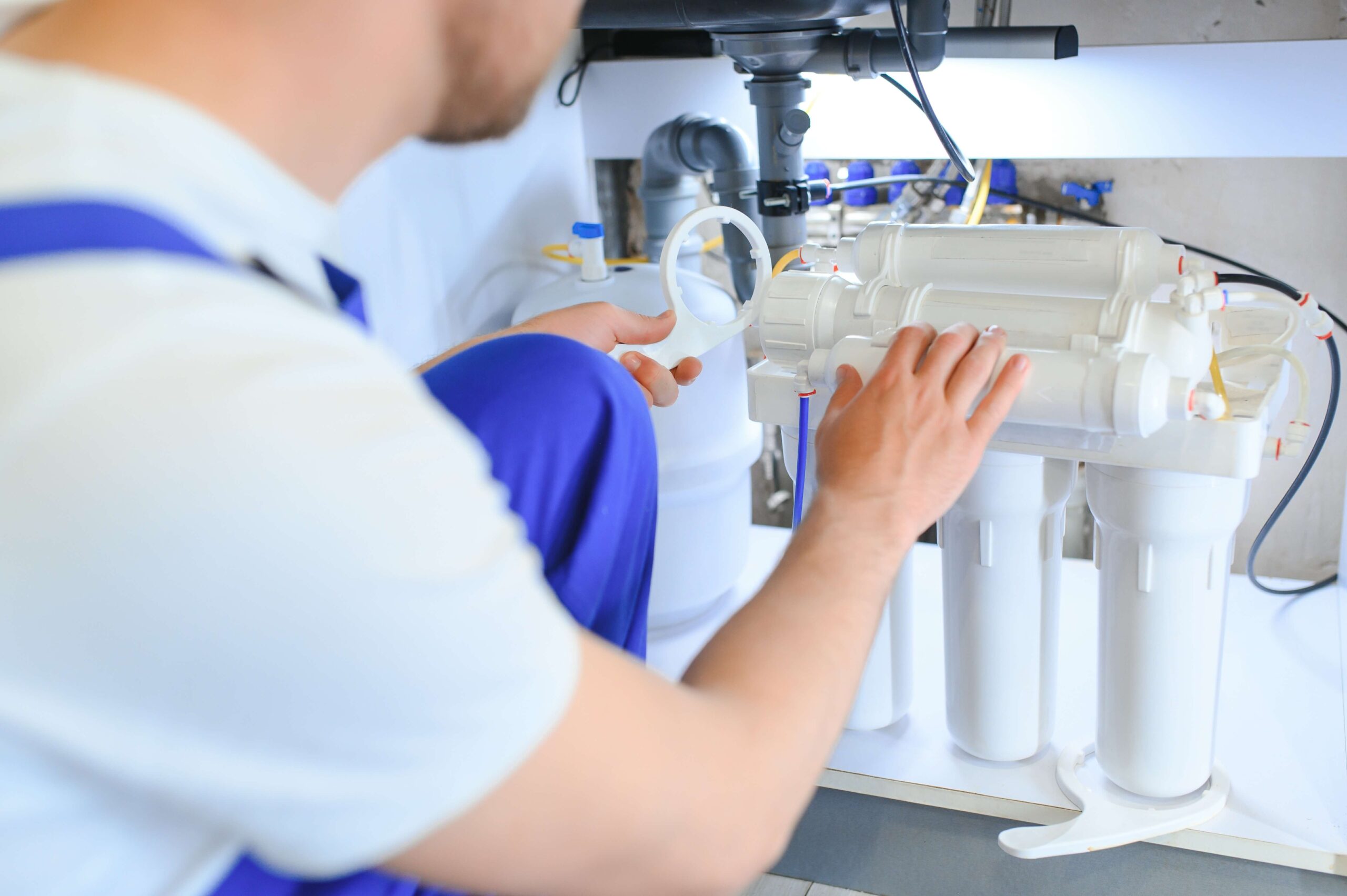
Once the system is in, we show you how it works, what to watch for, and when filters and membranes will need attention. We service everything we install so when that time comes, you’re calling the same company, not starting over.
Ready to get started?
Every system we install is specified for your home’s actual water profile not pulled off a shelf and handed over. For Delaney Park homes, that typically means addressing OUC’s chlorine-based disinfection byproducts, managing moderate hardness at around 7 grains per gallon, and accounting for lead risk in homes with pre-1986 plumbing.
If your home was built in the 1930s or 1940s which describes a lot of homes between Lake Cherokee and Wadeview Park those factors shape what system we recommend and how we configure it. Our under-sink reverse osmosis systems are the most common starting point for Delaney Park homeowners focused on drinking and cooking water. They’re compact, installed directly beneath your kitchen sink, and produce clean water on demand without countertop clutter.
For homeowners who want clean water at every tap every shower, every faucet, every appliance our whole-house purification systems are what we consider our specialty. These are permanent, whole-property solutions built with USA-manufactured components and designed to last 15–20 years with proper maintenance.
As of July 1, 2025, OUC stopped adding fluoride to drinking water under Florida’s new state law. If that change has you rethinking your overall water setup, a free water analysis is the right first step. You’ll know exactly what’s in your water before you make any decisions and that’s how it should work.
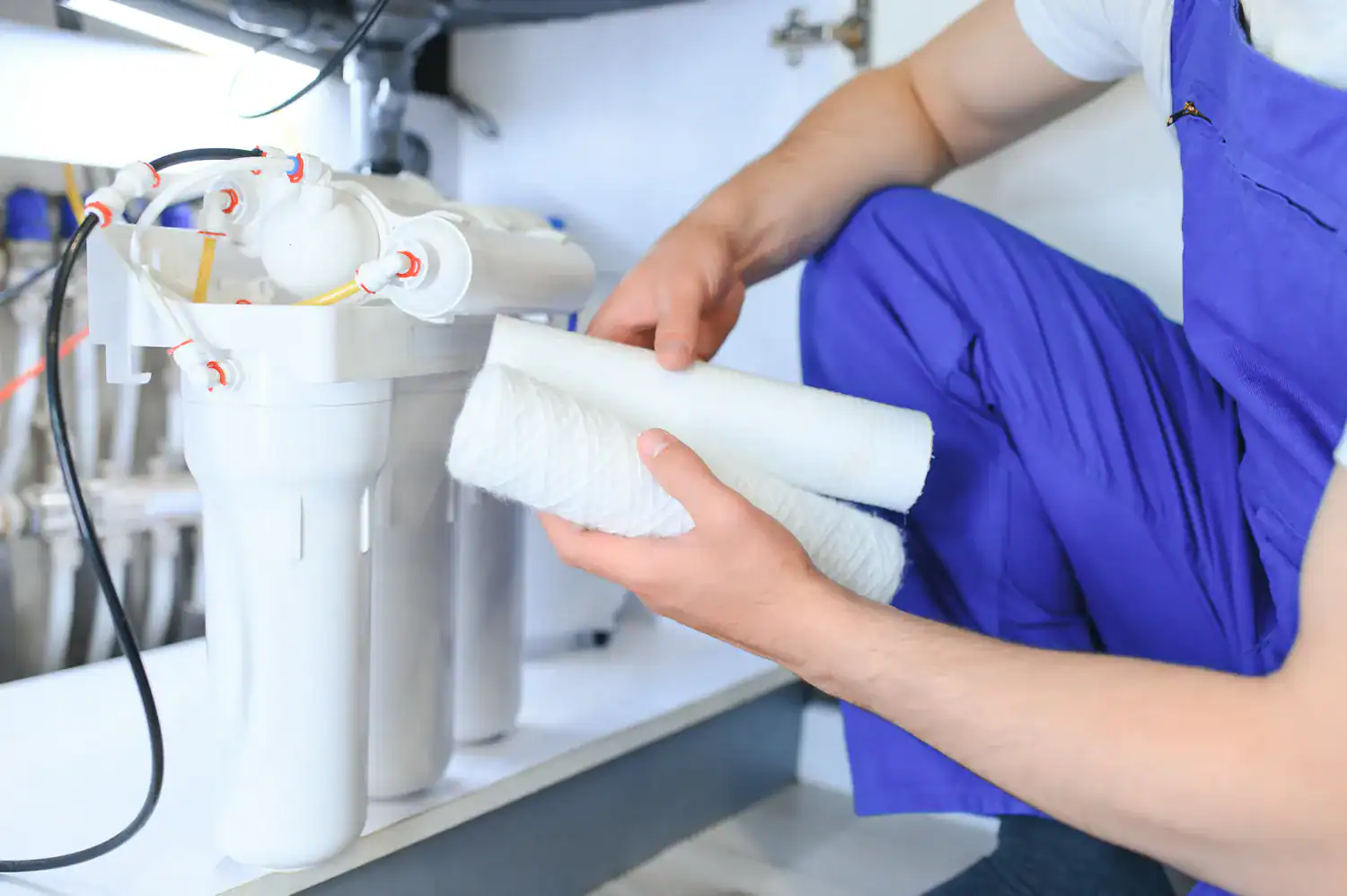
It depends on what’s in your water and the only way to know that for certain is to test it. That said, Delaney Park’s housing stock gives homeowners more reason than most to take a close look. A large portion of the neighborhood was built between the 1920s and 1950s, which means many homes predate the 1986 federal ban on lead-containing plumbing solder.
Even when OUC’s water supply is clean at the treatment plant, lead can still leach into your tap water from older pipes and solder inside your home’s walls. That’s a point-of-use problem and reverse osmosis is one of the most effective point-of-use solutions available. Beyond lead, OUC water contains disinfection byproducts like trihalomethanes and haloacetic acids that form during the chlorination process. These are within federal limits, but many homeowners particularly those who work in healthcare and understand what chronic low-level exposure means prefer to remove them entirely.
A free water analysis from Quality Safe Water will tell you exactly what’s present in your specific home before you commit to anything.
Reverse osmosis works by pushing water through a semi-permeable membrane under pressure. That membrane has pores small enough to block dissolved contaminants lead, PFAS, nitrates, arsenic, disinfection byproducts, and more while allowing clean water molecules to pass through. What comes out the other side is significantly purer than what went in.
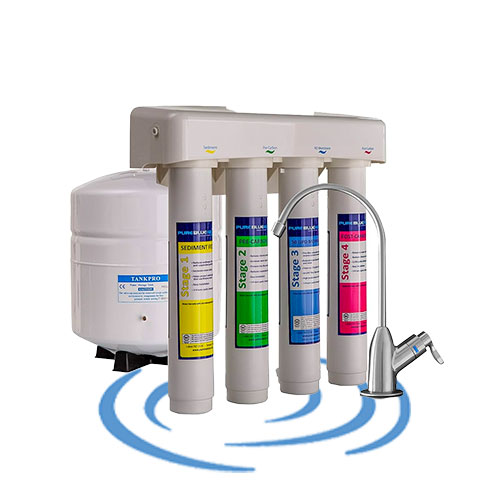
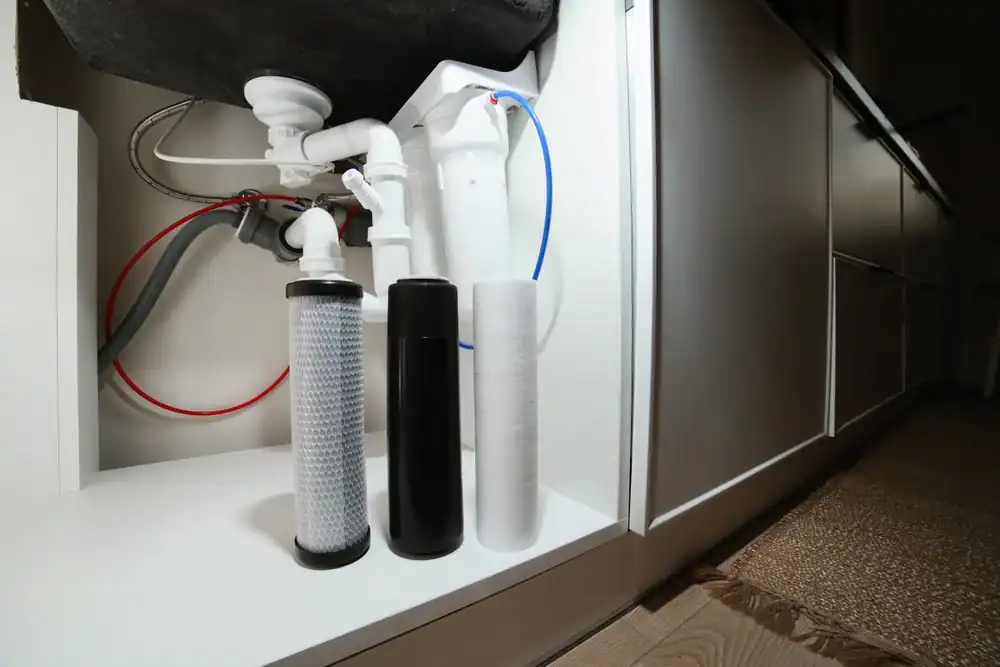
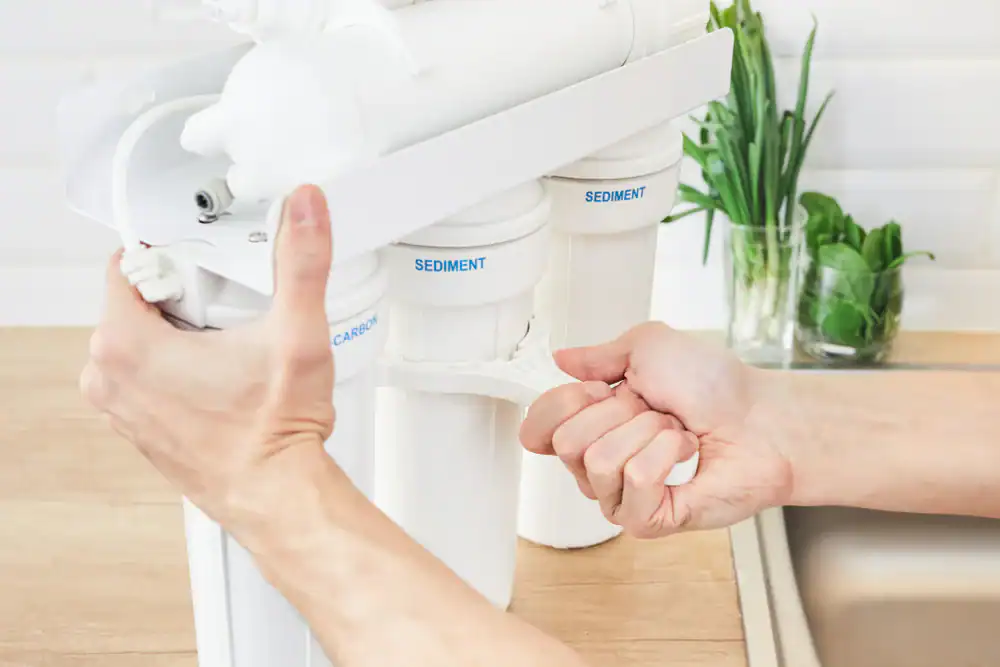
Most under-sink systems include a pre-filter stage to catch sediment and chlorine before the water hits the membrane, the RO membrane itself, and a post-filter to polish the water before it reaches your glass. The filtered water is stored in a small tank beneath your sink and delivered through a dedicated faucet separate from your main tap. For Delaney Park homeowners dealing with OUC’s chlorine taste and odor, that post-filter stage alone makes a noticeable difference.
The membrane does the heavier work of removing what you can’t taste or smell but still don’t want in your water.
OUC meets all federal and state drinking water standards, and their annual water quality reports are publicly available. But meeting the legal standard doesn’t mean the water is as clean as it could be. OUC water has tested with trihalomethane levels averaging around 66 parts per billion with reported highs near 97 ppb, which exceeds the EPA’s 80 ppb limit.
Haloacetic acids have been reported as high as 53 parts per billion. These compounds form when chlorine reacts with naturally occurring organic matter in the source water. Lead is another documented concern. OUC’s own testing found lead at the 90th percentile around 3 ppb, while Orange County Utilities has measured levels up to 7.89 ppb in the distribution system.
In a neighborhood like Delaney Park, where homes routinely predate the 1986 lead solder ban, those numbers are relevant. OUC also participates in PFAS monitoring under the EPA’s new 2024 standards. Reverse osmosis certified to NSF/ANSI 58 is effective against all of these lead, PFAS, trihalomethanes, and haloacetic acids.
An under-sink reverse osmosis system treats water at a single point typically your kitchen sink and is the most common starting point for homeowners focused on drinking and cooking water. It’s compact, doesn’t require major installation work, and in most City of Orlando setups doesn’t require a building permit. For a lot of Delaney Park families, this is the right first step: clean water where you use it most, at a lower upfront investment.
A whole-house reverse osmosis system treats every drop of water entering your home every faucet, every shower, every ice maker, every appliance. For homeowners with older plumbing throughout the house, or those who want comprehensive protection against lead and scale buildup on fixtures and water heaters, a whole-house system addresses the problem at the source rather than at one tap.
It’s a larger investment, but for a home in Delaney Park where you’re protecting a property worth $400,000 to well over a million dollars, it’s also a meaningful layer of long-term protection. We’ll tell you honestly which one makes sense for your situation after we see your water test results.
Under-sink reverse osmosis systems professionally installed typically range from around $300 to $800 depending on the system’s configuration and your home’s specific setup. Whole-house systems are a larger investment and vary more widely based on home size, water volume needs, and what the water test reveals. We give you a clear number after the water analysis no vague estimates, no surprise costs at installation.
The comparison to bottled water is straightforward math. If your household spends $60–$100 a month on bottled water which is common for Delaney Park families who don’t trust the tap that’s $720 to $1,200 a year. A professionally installed under-sink system pays for itself within two to four years, and then continues producing clean water for a fraction of that cost annually.
You also stop contributing to plastic waste, stop hauling cases from the store, and stop wondering whether the brand on the label actually delivers what it promises. The water from a properly maintained RO system is consistently cleaner than most bottled water brands.
Please provide your email address so that we can stay in touch and answer any questions you have! We will be reaching back out shortly.
"*" indicates required fields