Reach Out Today
Please provide your email address so that we can stay in touch and answer any questions you have! We will be reaching back out shortly.

Hear from Our Customers
Most College Park homeowners don’t realize there’s a problem until something makes it obvious the white scale building up on a new fixture, the chlorine taste in their morning coffee, or a notification from OUC about a water main issue on their street. At that point, the question isn’t whether to do something. It’s what to do and who to trust.
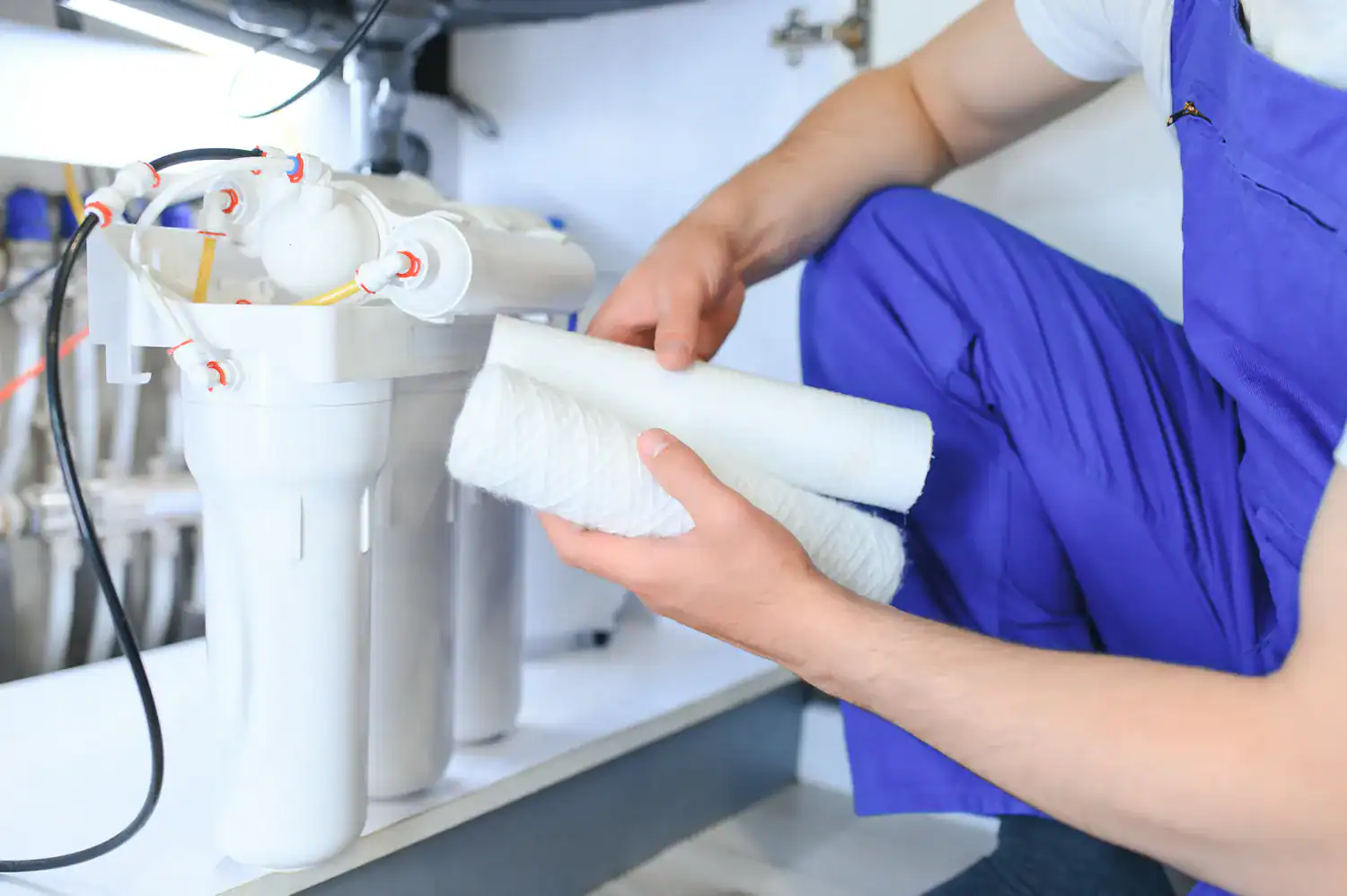
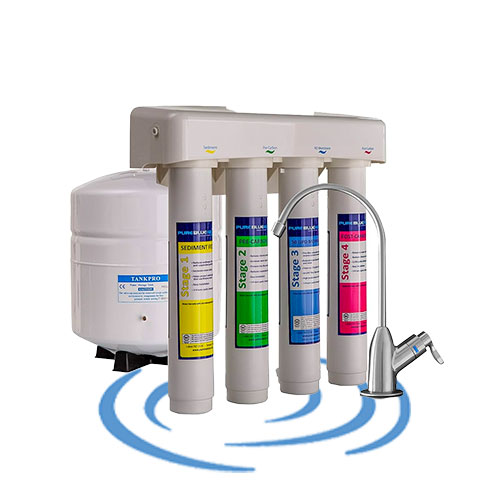
A reverse osmosis system installed at your kitchen sink removes up to 99% of dissolved contaminants arsenic, lead, chlorine byproducts, nitrates, and more. Independent water quality analysis has found arsenic, total trihalomethanes, chlorate, and radium in OUC water. All within legal limits. None of them things you’d choose to drink if you had a better option.
The older the home, the more that matters. College Park has some of Orlando’s most beautiful housing stock and a lot of it was built between the 1920s and 1960s. That means aging pipes, older fixtures, and real potential for lead to dissolve into your water between the meter and your tap. A reverse osmosis system is a final barrier right at the point of use, where it actually counts.
Your appliances last longer. Your water tastes better. And you stop spending $80 a month on bottled water that’s often just someone else’s municipal tap water run through the same RO process you could have at home.
We do one thing water treatment. Not plumbing, not HVAC, not water heaters as an add-on. Just water. That focus means every technician who walks into a College Park home knows OUC’s water chemistry, understands what aging infrastructure in the 32804 zip code actually looks like, and can recommend a system based on what your water needs not what’s easiest to sell.
We hold a BBB A-rating with a 5-star customer rating and zero complaints on file. In an industry where the most common frustration is a company that installs a system and then goes quiet, that record is genuinely rare. You can verify it yourself at bbb.org before you ever call.
We’re also members of the National Water Quality Association, which means ongoing training and standards that most competitors in the Orlando market simply don’t maintain. We support the Tunnels to Towers Foundation and offer a $500 discount to military members, veterans, and first responders including the firefighters and officers who live throughout College Park.
It starts with a real water test not a quick hardness check designed to justify a sale, but actual lab analysis of what’s in your specific water. OUC water chemistry can vary across distribution zones, and a College Park home built in 1952 has different plumbing considerations than one built in 1998. The test drives the recommendation. That’s the only way to know what system your home actually needs.
From there, the right system gets sized and configured for your household. For most College Park homes on OUC municipal water, we recommend a layered approach: a water softener addresses the hardness that’s scaling your fixtures and shortening appliance life, carbon filtration handles chlorine and taste, and a reverse osmosis system at the kitchen sink delivers the cleanest possible drinking water at the point of use.
Under-sink RO installation in an existing College Park home typically does not require a building permit, though any modifications to existing plumbing lines may involve a permit through the City of Orlando we handle those details so you don’t have to research city code on your own time.
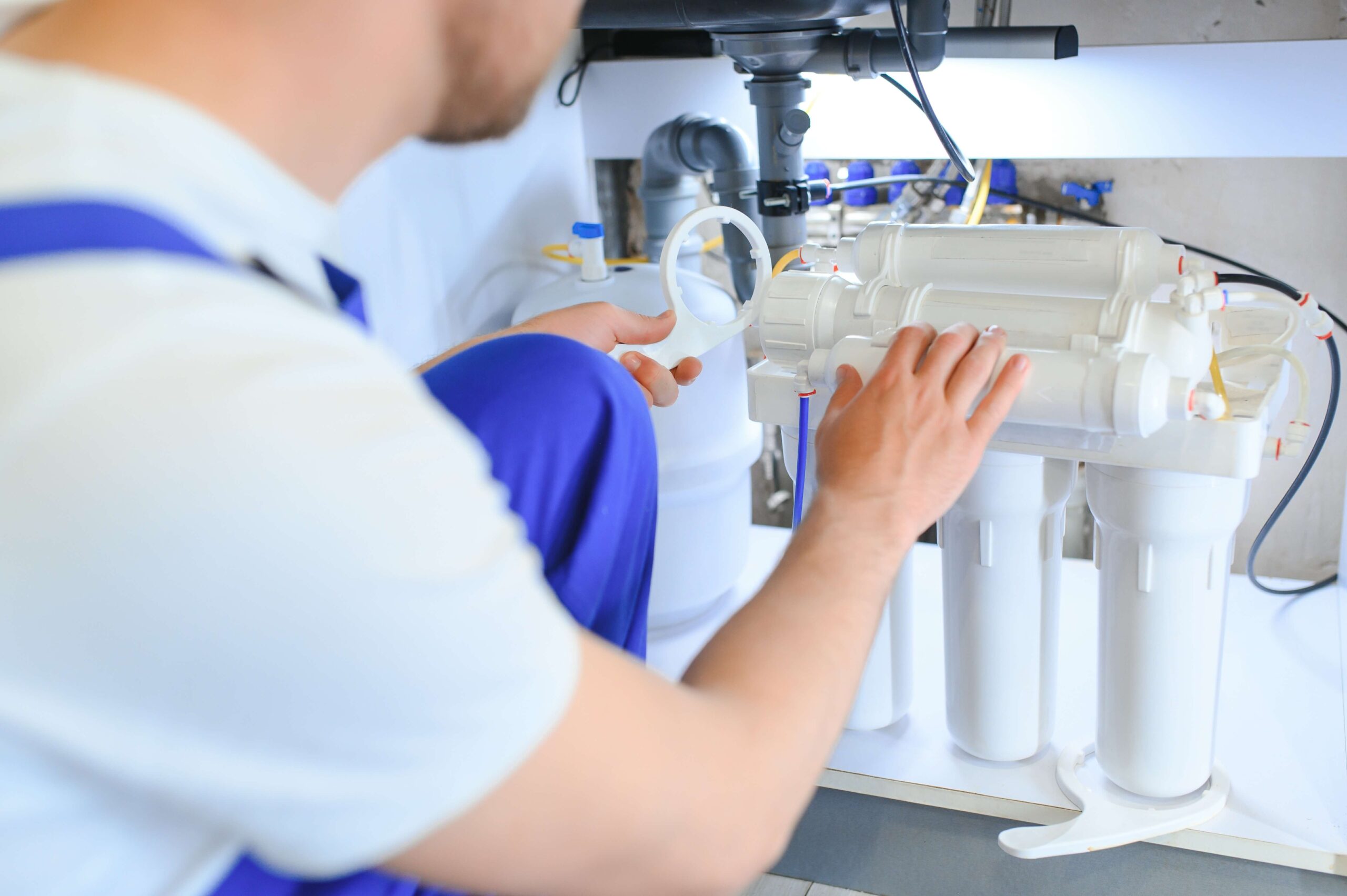
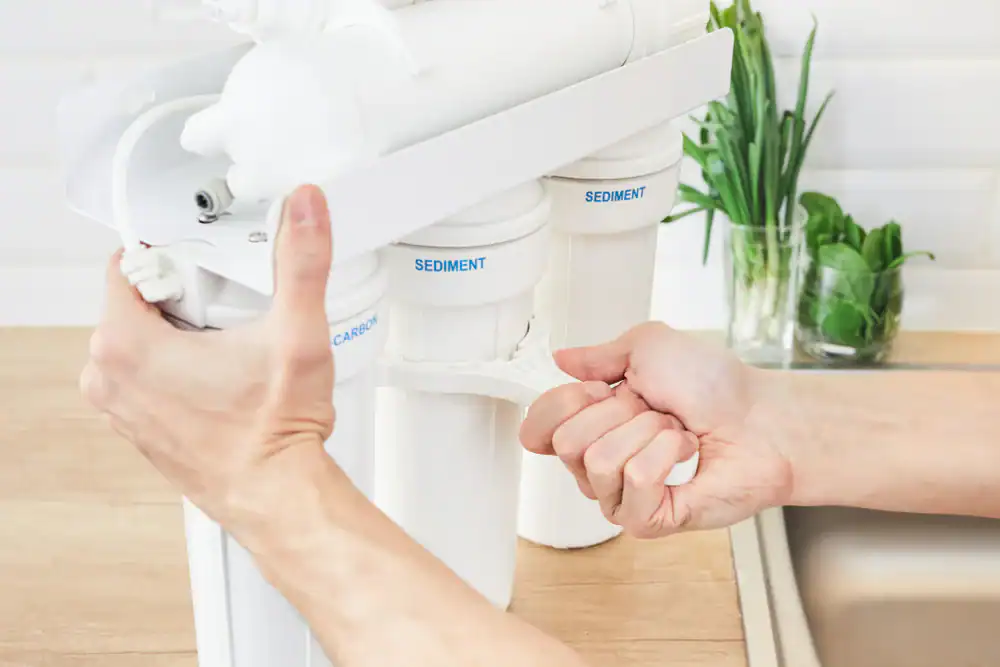
Once installed, the system runs quietly under your sink. Pre-filters typically need replacing every six to twelve months. The RO membrane lasts two to three years under normal use. We service what we install, and we’re reachable when something needs attention. That’s not a given in this industry. With us, it is.
Ready to get started?
The reverse osmosis systems we install use USA-manufactured components and are configured specifically for the water coming out of your OUC tap not a generic setup pulled off a shelf. For College Park homeowners, that means accounting for the moderate to high hardness in Central Florida groundwater (typically 129–190 ppm), the arsenic and disinfection byproducts documented in OUC’s distribution system, and the lead risk that comes with older household plumbing in a neighborhood where much of the housing stock predates 1970.
A standard under-sink RO system produces clean drinking water on demand at your kitchen tap and, optionally, routed to your refrigerator line. Whole-house reverse osmosis is also available for homeowners who want purified water at every fixture a meaningful upgrade in a College Park home where aging cast iron pipes are part of the picture.
Every installation includes a post-installation water test to confirm the system is performing correctly, not just a handshake and a walk out the door. Maintenance is straightforward and handled by the same company that installed your system. Pre-filter replacements run approximately $100–$200 per year. Membrane replacement every two to three years.
No annual contracts. No surprise fees. No call center in another state when you need someone to show up. If you’re active military, a veteran, or a first responder, $500 comes off the installation no complicated process, no fine print.
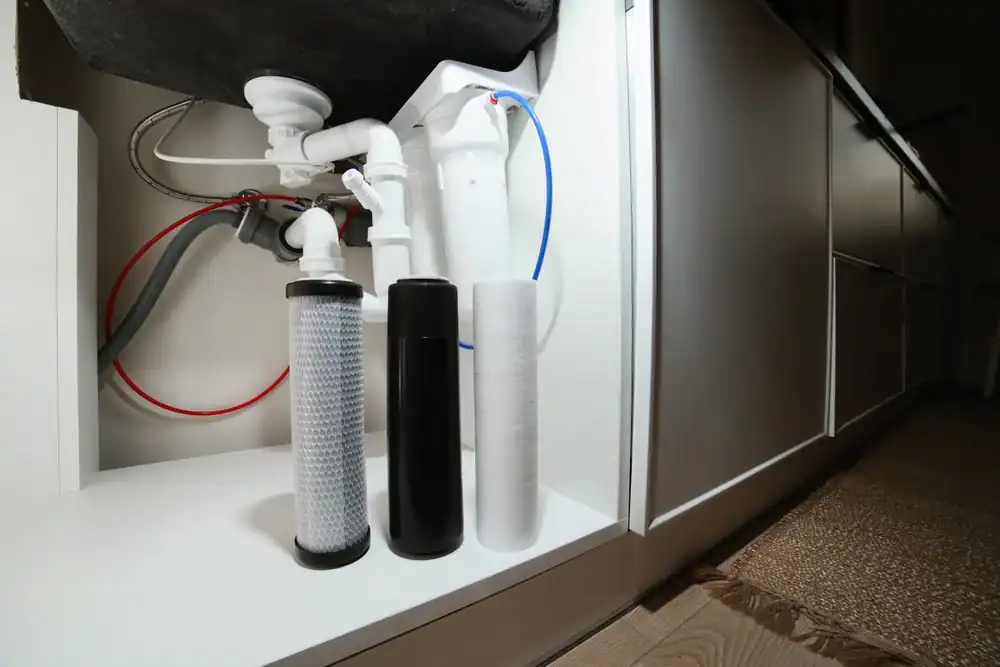
OUC draws from the Lower Floridan Aquifer and treats the water before it reaches your tap. It meets every federal and state regulatory standard. But independent water quality analysis has found several contaminants worth knowing about: arsenic ranging from 0.41 to 4.55 ppb (the legal limit is 10 ppb, but there’s no established safe level), total trihalomethanes at levels that have approached and occasionally exceeded the EPA’s own 80 ppb ceiling, chlorate linked to thyroid disruption, and naturally occurring radium from the deep aquifer.
Orlando’s tap water receives an overall grade of C+ from independent analysts, with nine different contaminants detected and four exceeding health advocacy guidelines not legal limits, but the more protective thresholds set by organizations like the Environmental Working Group. For College Park homeowners in homes built before 1970, there’s also the lead question. OUC’s own testing found lead at the 90th percentile around 3 ppb. The utility’s distribution system is lead-free, but lead in older household fixtures and solder can dissolve into the water between the meter and your glass. A reverse osmosis system removes all of it at the point of use.
For most College Park homes, you need both and they do different jobs. Orlando’s water runs moderately to very hard, typically between 129 and 190 ppm. That hardness causes the white scale on your shower glass, the buildup inside your water heater, and the shortened lifespan of appliances. A water softener addresses that. It doesn’t, however, remove arsenic, lead, trihalomethanes, or other dissolved contaminants from your drinking water.
A reverse osmosis system works at the point of use your kitchen sink, your drinking water, your refrigerator line and removes the contaminants a softener leaves behind. The two systems work together, not in competition. In older College Park homes where both hard water and aging plumbing are part of the picture, we recommend a softener first to protect your pipes and appliances, carbon filtration to handle chlorine and taste, then RO at the tap for the cleanest possible drinking water. Starting with a real water test tells you exactly what your specific home needs before anything gets installed.
A properly installed reverse osmosis system lasts 15 to 20 years with regular maintenance. The components that need periodic attention are the pre-filters, the post-filter, and the RO membrane. Pre-filters typically run every six to twelve months depending on your water quality and usage for College Park homes on OUC municipal water, annual replacement is a reasonable baseline. The RO membrane itself lasts two to three years under normal household use. Total annual maintenance cost generally falls in the $100–$200 range.
Compare that to what most families spend on bottled water. If your household is buying cases or a water delivery service because you don’t trust the tap, you’re likely spending $600 to $1,200 per year for water that is frequently just reverse osmosis-filtered municipal water in plastic packaging. The system pays for itself within a few years and keeps paying for itself for the next decade and a half. We handle all maintenance on the systems we install, so you’re not searching for a random technician when a filter needs swapping out.
It’s one of the more practical investments you can make in a home built before 1970 and College Park has a lot of them. The neighborhood’s housing stock runs heavily from the 1920s through the 1960s, which means cast iron pipes in the oldest sections, older fixture materials, and plumbing that predates modern lead-free standards. Even when OUC’s distribution system is clean, water picks up what it passes through on the way to your tap.
A reverse osmosis system installed at the kitchen sink addresses that at the point of use the water your family actually drinks. It doesn’t require tearing into your walls or replacing your plumbing. Installation is typically completed in a few hours. For a homeowner who has invested significantly in a College Park property, the cost of a quality RO system is a small fraction of what you’ve already put into the home. It also protects newer appliances refrigerators, coffee machines, ice makers from the scale and contaminant buildup that shortens their lifespan when they’re running on unfiltered tap water.
The honest answer is that you don’t know until you test your water and neither does any company that quotes you a system without one. Water chemistry varies across OUC’s distribution zones, and a home in College Park’s older core near Lake Ivanhoe has different plumbing considerations than a newer build closer to Fairbanks Avenue. Hardness levels, contaminant concentrations, and existing filtration all affect which system makes sense and how it should be configured.
We start every project with actual lab analysis of your water before recommending anything. That test tells you what’s in your specific water, what needs to be addressed, and in what order. From there, the recommendation is built around your home’s needs not a standard package pushed on every customer. Under-sink RO handles drinking water. Whole-house RO is available if you want purified water at every tap. The right answer depends on your water, your home’s age, and how you use water day to day. The test makes that conversation specific instead of generic.
Please provide your email address so that we can stay in touch and answer any questions you have! We will be reaching back out shortly.
"*" indicates required fields
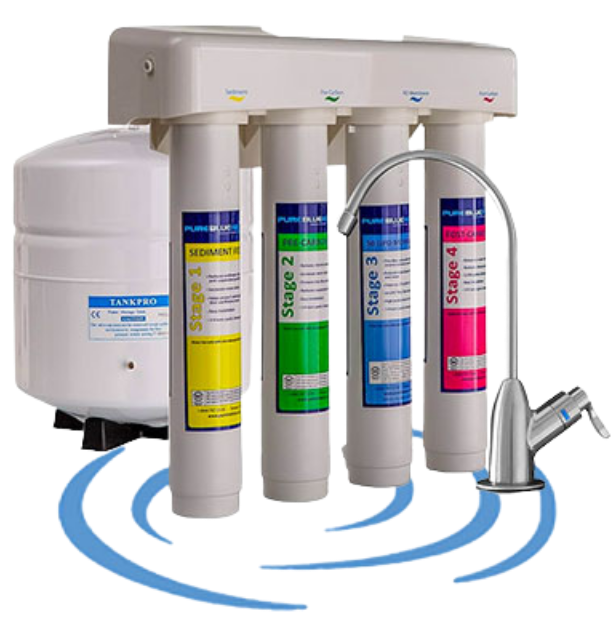
Get a free reverse osmosis drinking water system with the purchase of any whole-home water purification system.
*Cannot be combined with other offers. Mention this special when you call.