Reach Out Today
Please provide your email address so that we can stay in touch and answer any questions you have! We will be reaching back out shortly.

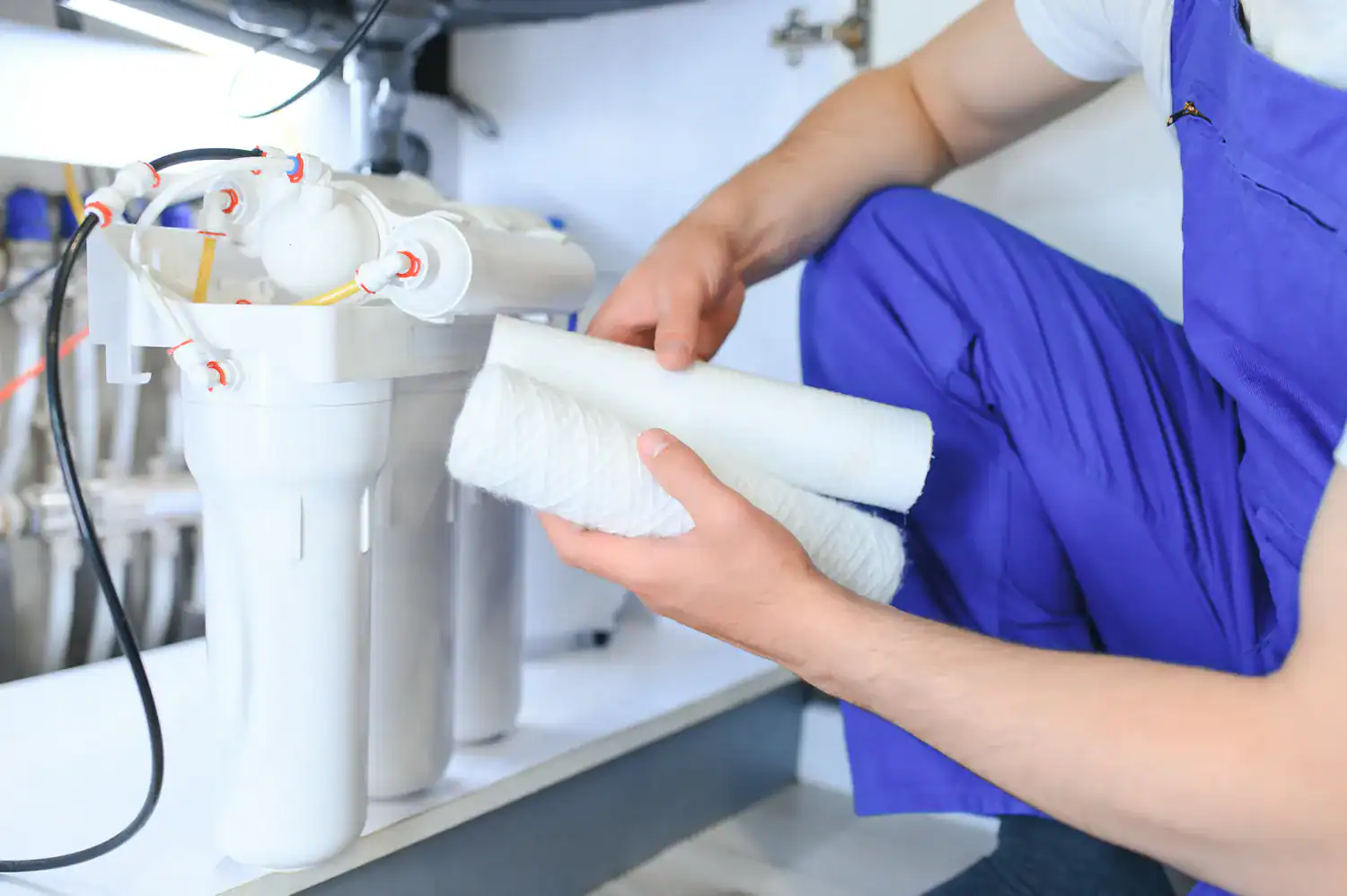
Hear from Our Customers
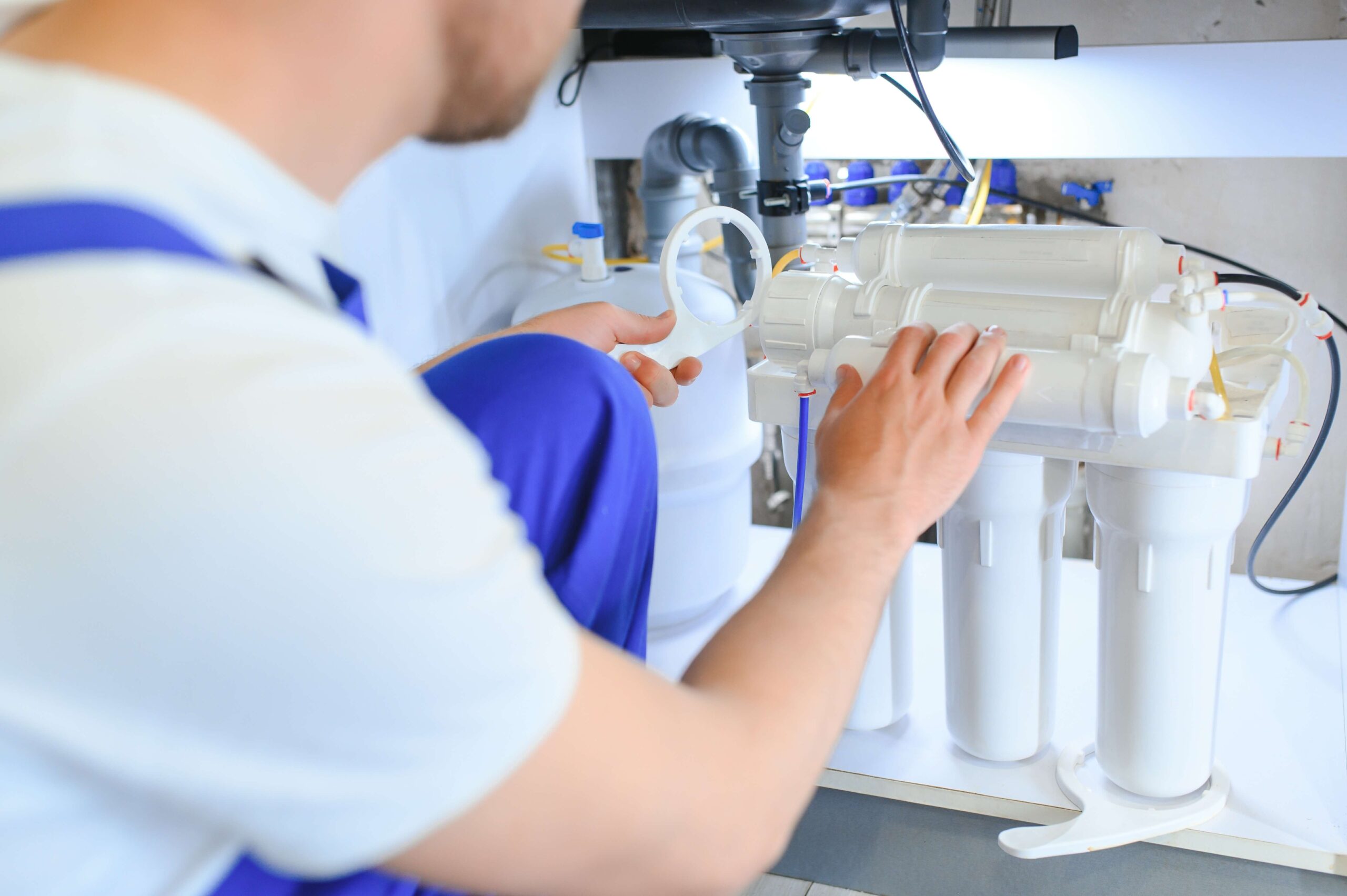
When your water comes from the Floridan Aquifer, you’re dealing with some of the hardest municipal water in the country measured at around 17.2 grains per gallon in the Orange County area where Clarcona sits. That’s not a minor inconvenience.
Scale builds up inside your water heater. White film coats every dish that comes out of the dishwasher. Tap water tastes like it went through a pool before it reached your glass.
A properly installed reverse osmosis system removes what your county water treatment doesn’t dissolved minerals, chlorine byproducts from Orange County’s disinfection process, and contaminants like PFAS that the county is actively monitoring for under the EPA’s latest testing requirements. What you’re left with is water that’s genuinely clean at the point where it matters most: your kitchen tap, your drinking glass, your family’s daily use.
For homeowners in Clarcona whether you’re in a newer build in Emerson Park or an older property closer to the rural sections near Lake Boggs the difference is noticeable fast. No more cases of bottled water stacked in the garage. No more chalky taste. No more wondering what’s actually in there.
We don’t fix toilets or install water heaters. Water treatment is the whole business not a side service bolted onto a plumbing company’s menu. That focus matters when you’re trying to solve a real water quality problem, because the person recommending your system has spent their entire career on water treatment, not split between drain calls and filter installs.
We hold a BBB A-rating with a 5-star score and zero complaints on record. That’s not marketing language it’s a public record you can verify at bbb.org right now. We’re also members of the National Water Quality Association, which means ongoing training specific to Florida’s water chemistry, including the mineral-heavy output of the Floridan Aquifer that feeds Orange County’s entire water supply.
Clarcona sits in unincorporated Orange County no city water authority, no independent municipal oversight. Everything runs through the county, and the water reflects that geology. We know that water, know this area, and show up when something needs attention after the install.
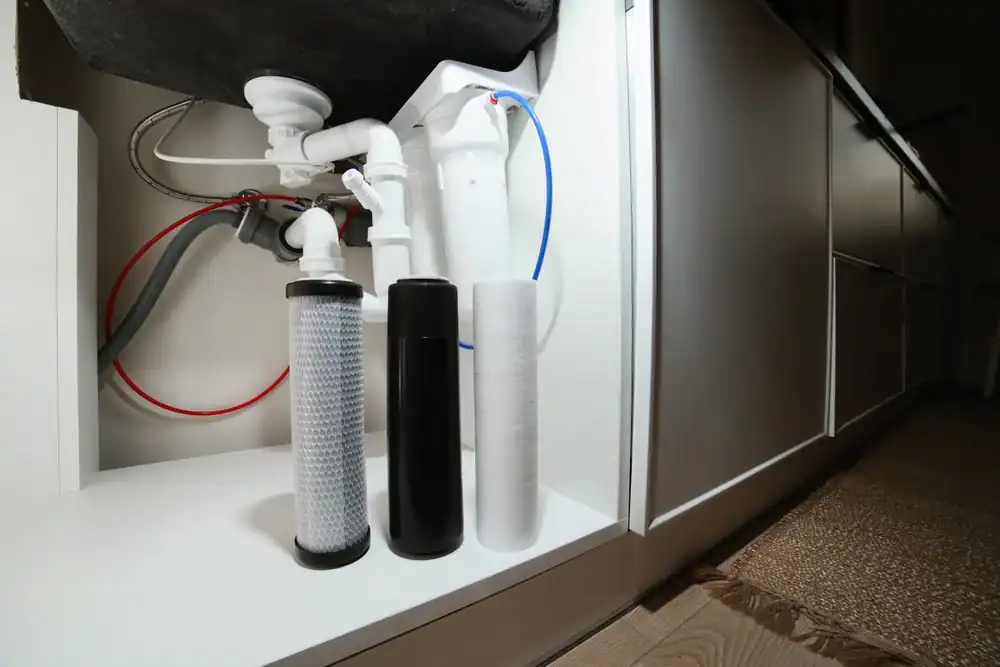
It starts with a real water analysis not a 30-second hardness test that leads straight to a quote. Before anything is recommended, your water gets tested to understand what’s actually in it.
Clarcona properties on Orange County Utilities have a different contaminant profile than older homes on private wells out near the rural sections. The recommendation you get is based on your water, not a standard package.
Once the analysis is done, the right system gets matched to what your home actually needs. For most Clarcona homeowners on county water, that’s an under-sink reverse osmosis system for drinking water paired with a whole-house softening or filtration setup to protect appliances and plumbing from the mineral load. For properties on private wells, the approach typically includes iron and sulfur treatment upstream before the RO stage.
Because Clarcona is unincorporated Orange County, any installation that involves modifications to your supply lines falls under county permitting requirements that gets handled as part of the process, not left for you to figure out.
After installation, you’re not on your own. Pre-filters need changing every six to twelve months, and the membrane typically lasts two to five years. That maintenance schedule gets communicated clearly upfront, and we’re reachable when it’s time.
Ready to get started?
Orange County’s water hardness sits at roughly 17.2 grains per gallon more than double what’s typically classified as “hard.” A standard under-sink RO system handles your drinking water, but if that mineral load is running unchecked through the rest of your Clarcona home, your water heater, dishwasher, and plumbing fixtures are paying for it slowly over time.
The conversation about what your home actually needs starts with the water test, and the solution is sized from there.
For homeowners in Clarcona’s newer subdivisions like Westlake or Emerson Park, the focus is usually on a multi-stage under-sink RO drinking water system combined with a whole-house water softener or conditioning system tackling both the drinking water quality and the scale damage happening behind the walls. For properties in the rural settlement areas of Clarcona on private wells, the setup typically adds iron filtration and sulfur treatment before the RO stage, since well water in western Orange County commonly carries iron staining and hydrogen sulfide odor that a standalone RO unit isn’t designed to handle alone.
Orange County is also actively monitoring its water supply for PFAS compounds under the EPA’s UCMR 5 program. A properly rated RO membrane is one of the few residential technologies confirmed to remove PFAS from drinking water something activated carbon filters and pitcher systems can’t reliably do.
If you’re a veteran, active military, or first responder, we offer a $500 discount applied to your install no complicated qualifications.
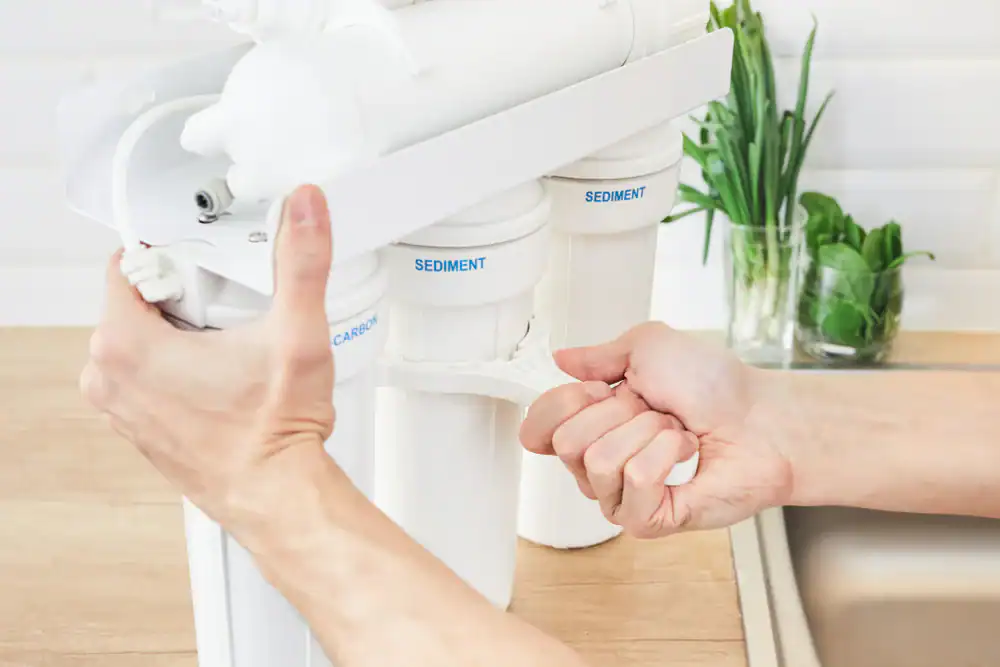
Orange County Utilities meets all federal Safe Drinking Water Act standards, so technically, yes the water coming out of your tap in Clarcona is within legal limits. But meeting regulatory minimums and providing the cleanest possible water for your family are two different things.
Orange County is currently monitoring its supply for 29 PFAS compounds under the EPA’s UCMR 5 program, which the EPA finalized new enforceable limits for in April 2024. The fact that the county is testing for them confirms they’re a real concern, not a hypothetical one.
On top of that, the water hardness in Clarcona runs around 17.2 grains per gallon classified as extremely hard. That level of mineral content doesn’t make the water unsafe by legal standards, but it does affect taste, causes scale buildup on everything it touches, and puts real stress on your appliances over time. A reverse osmosis system addresses both the taste and the contaminant concerns at the point of use, giving you water that goes well beyond what the county is required to deliver.
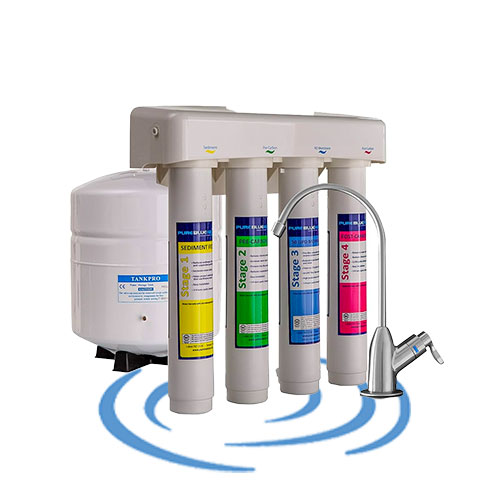
A properly configured multi-stage RO system removes a wide range of contaminants that standard filters don’t touch. That includes dissolved minerals like calcium and magnesium the source of Clarcona’s hard water problem along with chlorine and chlorine byproducts from Orange County’s disinfection process, lead, arsenic, nitrates, and PFAS compounds.
The RO membrane itself is the core of the system, forcing water through pores small enough to block contaminants at the molecular level. Pre-filters in the system do a lot of the prep work removing sediment and chlorine before the water ever reaches the membrane, which extends the membrane’s life and keeps the system performing well. A post-filter then polishes the water before it reaches your tap.
The result is water that’s measurably cleaner than what comes out of your faucet and cleaner than most bottled water brands, which are typically just municipal water that’s been run through an RO process, bottled, and marked up significantly.
Yes, RO does remove most dissolved minerals including calcium and magnesium. This is the most common concern people raise, and it’s worth addressing honestly. The minerals removed by an RO system are the same ones causing scale buildup on your fixtures, reducing your water heater’s efficiency, and leaving film on your dishes.
The amount of calcium and magnesium you’d absorb from drinking water is nutritionally insignificant compared to what you get from food, so the health concern here is largely overstated.
That said, if mineral content in drinking water is something you want to maintain, a remineralization filter can be added as a final stage to the system. This adds back a controlled amount of calcium and magnesium improving taste and addressing the mineral concern without reintroducing the scale-causing levels that come with Clarcona’s 17+ GPG source water. It’s an optional add-on, not a requirement, and whether it makes sense for your setup is something the water analysis conversation will cover.
For a standard under-sink reverse osmosis drinking water system, installation typically runs in the range of $300 to $700 for the unit and install combined, depending on the system configuration and any modifications needed at your existing supply line. If you’re adding a whole-house softening or filtration system alongside it which most Orange County homes genuinely benefit from given the 17+ GPG hardness the total investment for a combined setup runs higher, generally in the range of $1,500 to $3,500 depending on the scope.
The more useful way to think about the cost is against what you’re currently spending. A family in Clarcona buying bottled water is often spending $50 to $100 a month that’s $600 to $1,200 a year, every year, for water that’s often just RO-treated municipal water in a plastic bottle. An under-sink RO system costs roughly $100 to $200 annually to maintain after installation.
The math works out clearly within a few years, and the system keeps producing clean water for 15 to 20 years after that. Veterans, active military, and first responders receive a $500 discount on their installation.
It depends on what problem you’re trying to solve. An under-sink reverse osmosis system handles your drinking and cooking water it’s the right solution if your primary concern is what you and your family are consuming. For most Clarcona homeowners on Orange County Utilities, that’s a meaningful upgrade on its own, especially given the PFAS monitoring situation and the chlorine disinfection byproducts present in the county’s supply.
But if you’re also dealing with scale buildup on fixtures, shortened appliance lifespans, or hard water damage to your plumbing which is common in both the newer HOA communities like Emerson Park and older homes in Clarcona Estates an under-sink RO alone won’t address that. The mineral load running through the rest of your home’s water supply continues unchecked.
In those cases, pairing the RO with a whole-house water softener or conditioning system protects your investment in your home, not just your drinking glass. The water analysis done before any recommendation is what determines which setup actually fits your situation.
Please provide your email address so that we can stay in touch and answer any questions you have! We will be reaching back out shortly.
"*" indicates required fields
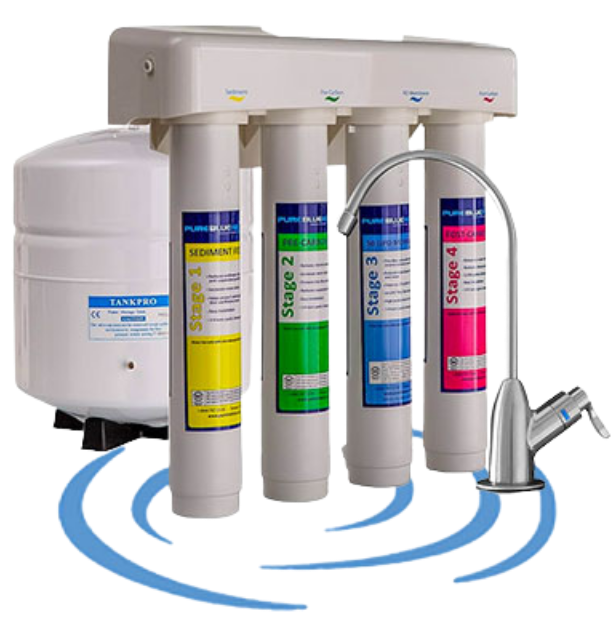
Get a free reverse osmosis drinking water system with the purchase of any whole-home water purification system.
*Cannot be combined with other offers. Mention this special when you call.