Reach Out Today
Please provide your email address so that we can stay in touch and answer any questions you have! We will be reaching back out shortly.

Hear from Our Customers
The water serving Bridgeport at Lake Shore Cottages comes from the Upper Floridan Aquifer a deep groundwater source that runs through limestone and dolomite before it reaches your tap. That geology leaves a mark.
The Central Sumter Utility system serving this area has documented contaminants including haloacetic acids, total trihalomethanes, arsenic, and hexavalent chromium. The utility is in legal compliance. But legal limits for many of these contaminants haven’t been updated in nearly two decades. For residents in their 70s and 80s managing health conditions, that gap between what’s legally permitted and what current health science considers safe is worth taking seriously.
A reverse osmosis system works at the molecular level. Water is forced through a semi-permeable membrane with pores of 0.0001 microns, which means virtually nothing passes through except water molecules. The result is water that’s genuinely clean not filtered, not softened, not treated with a marketing claim. What you taste at the tap actually reflects what’s in the glass.
There’s a second issue that doesn’t get talked about enough: hard water. The Floridan Aquifer delivers water with a significant mineral load calcium and magnesium that accumulate inside pipes, coat fixtures, and quietly shorten the life of every appliance connected to your water supply. You paid a premium for your home near Lake Shore Cottages. Hard water scale is a slow, invisible drain on that investment, and it’s entirely preventable.
—
Quality Safe Water of Florida LLC is based in Leesburg Lake County, right next door to Sumter County where Bridgeport at Lake Shore Cottages is located and water treatment is the only service we offer. No plumbing calls, no water heater installs, no side jobs. Just water treatment, done well, every time.
That focus matters more than it sounds. The Villages area has seen national operators come through, sell systems, and then become unreachable when filters need changing or something needs service. We’re local. Our reputation lives in the same communities we serve from Bridgeport to Lake Shore Cottages and everywhere in between. When you call us two years from now for a filter replacement, someone answers.
Our BBB A-rating, 5-star record, and zero complaints on file aren’t things we put on a brochure and hope you don’t check. They’re public. Look them up at bbb.org right now. We also hold active membership in the National Water Quality Association the industry’s professional standards body which most generalist competitors don’t bother with. We’re also proud supporters of the Tunnels to Towers Foundation, an organization that means something real in a community like this one.
—
The process starts with a real water test not a quick hardness strip designed to justify a sale, but actual lab-grade analysis of your specific home’s water. That matters here because the water chemistry in Sumter County has a documented contaminant profile, and a system sized for one set of conditions may not address another. You’ll see the results, understand what they mean, and know exactly what any recommended system is removing before you agree to anything.
Once the analysis is complete, we recommend a system based on what we found not what’s most profitable, not what’s sitting in a warehouse. For most homes in Bridgeport at Lake Shore Cottages, an under-sink reverse osmosis system handles drinking and cooking water at the point of use, while a whole-house approach addresses the hard water mineral load that affects your appliances and fixtures throughout the home. We explain both options clearly, with no pressure to go bigger than your situation calls for.
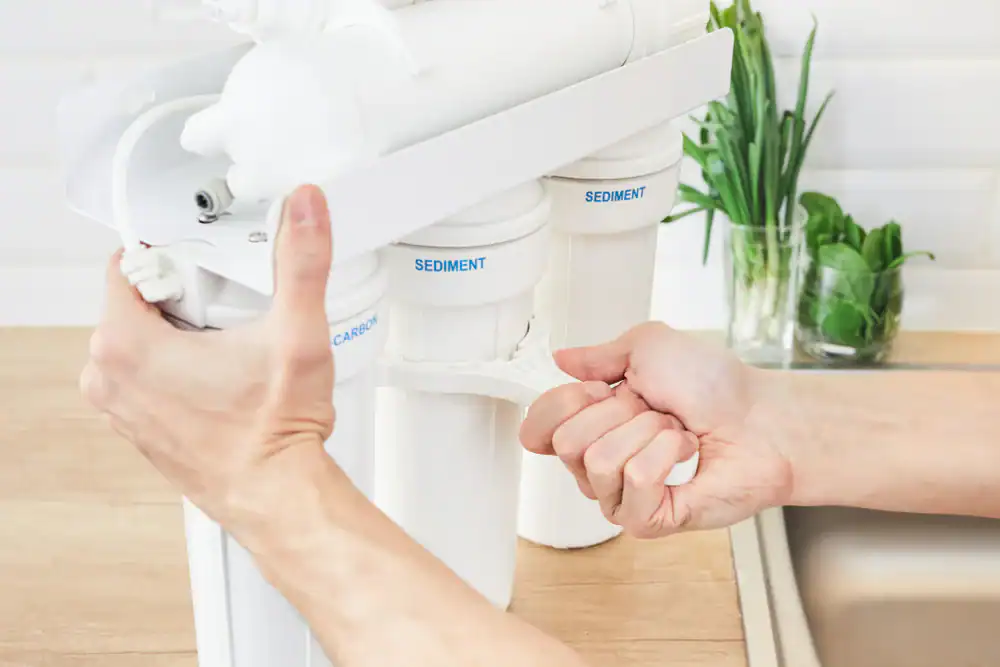
Installation is handled entirely by our team. You don’t need to coordinate with a separate plumber or pull a permit for a point-of-use RO system in Florida we take care of everything from start to finish. Before we leave, we walk you through how the system works, what the maintenance schedule looks like, and when to expect your first filter change. If you’re a snowbird who returns to Lake Shore Cottages each fall, we’ll make sure your system is ready to go when you are no surprises when you get back.
—
Ready to get started?
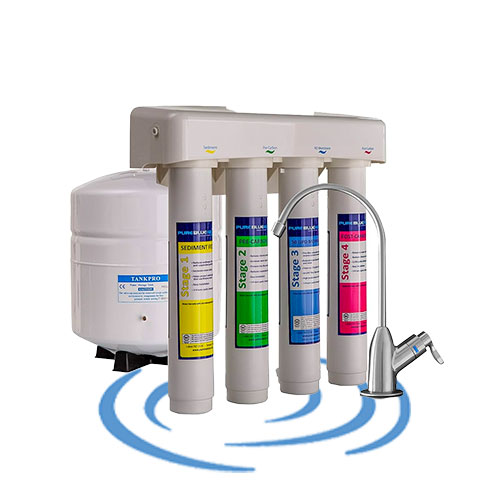
A reverse osmosis system from Quality Safe Water includes the full installation, a pre-filter stage that handles sediment and chlorine before water reaches the membrane, the RO membrane itself, a post-filter polishing stage, a dedicated drinking water faucet, and a pressurized storage tank so you’re never waiting for filtered water on demand. Every component is professional-grade. Nothing is sourced to cut cost at the expense of performance.
For homes in Bridgeport at Lake Shore Cottages, we pay particular attention to the disinfection byproduct load in the Central Sumter Utility water supply. Haloacetic acids and trihalomethanes both documented in the water system serving this area are effectively removed by a properly maintained RO membrane. Arsenic and hexavalent chromium, also present in the local water data, are addressed at the same stage. This isn’t a generic system spec. It’s what the water in your specific section of Sumter County actually requires.
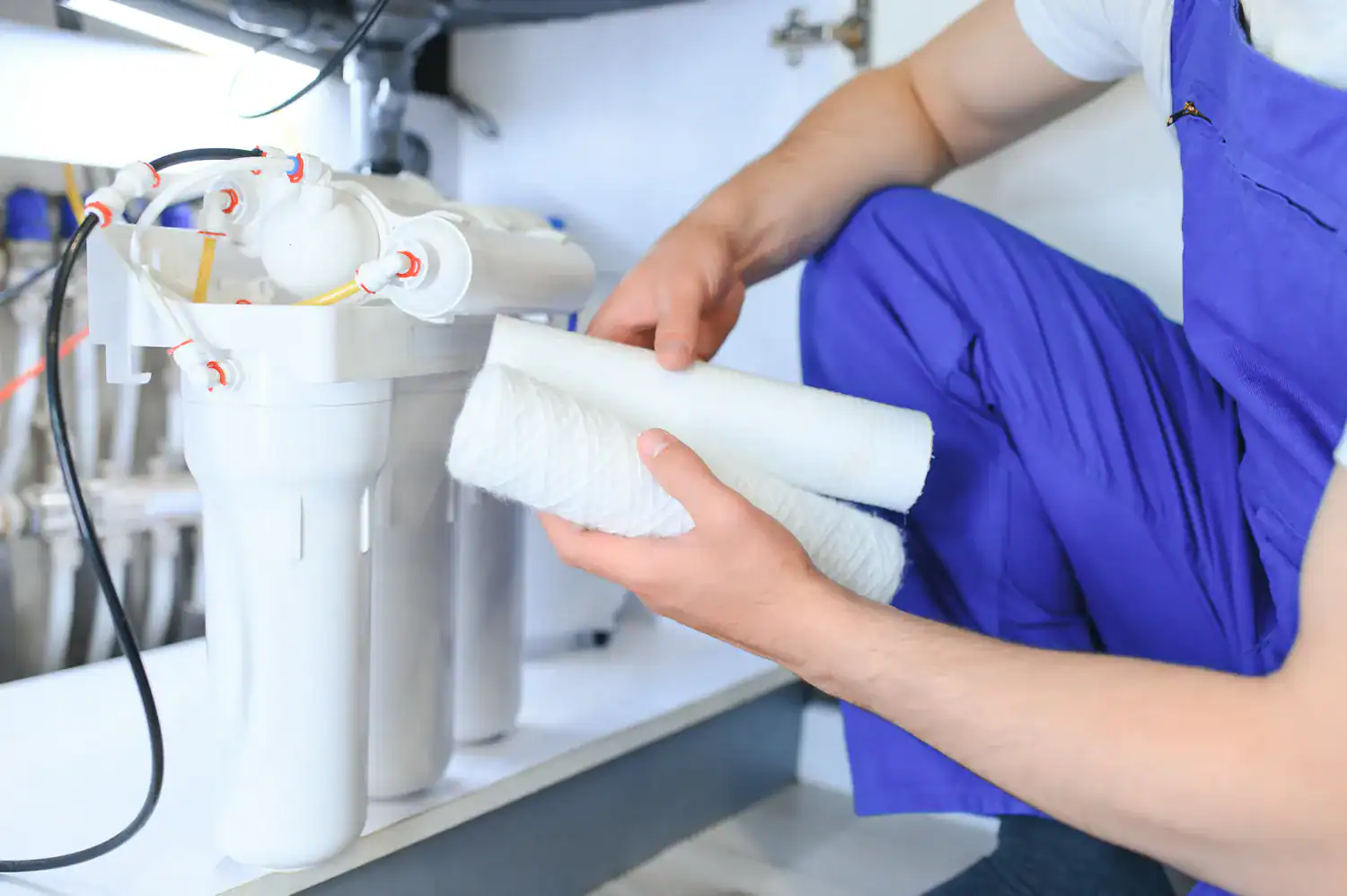
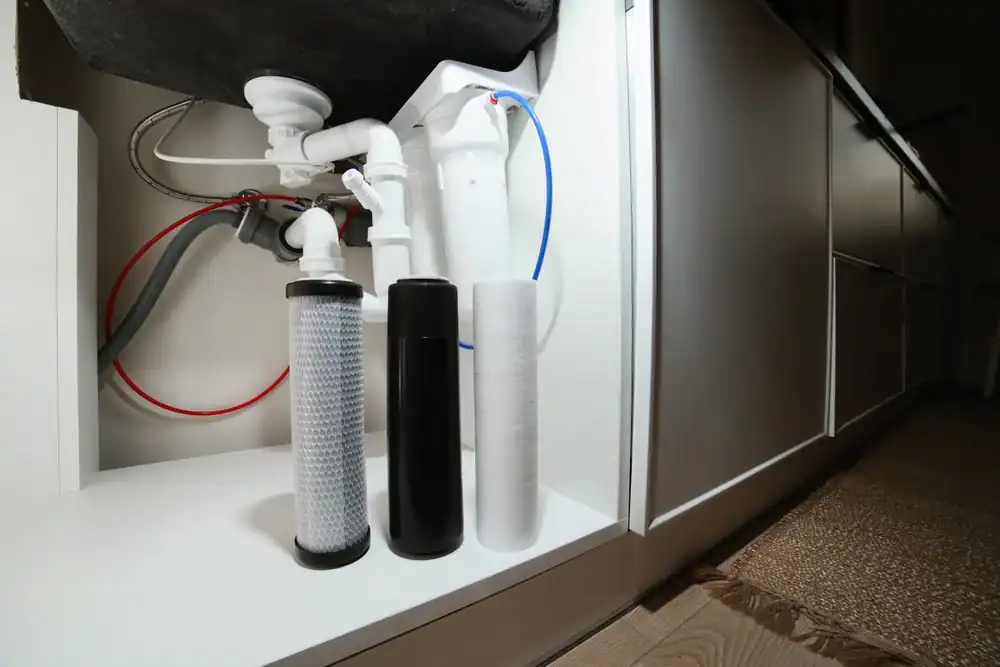
Maintenance is straightforward. Pre-filters typically need replacement every six months, the RO membrane every two years, and the post-filter annually though we confirm the actual schedule based on your test results and usage. We handle all of it. If you’re a veteran or active military, ask about the $500 discount when you call a meaningful number of Lake Shore Cottages homeowners have served, and we think that service deserves recognition. The discount applies to first responders as well.
—
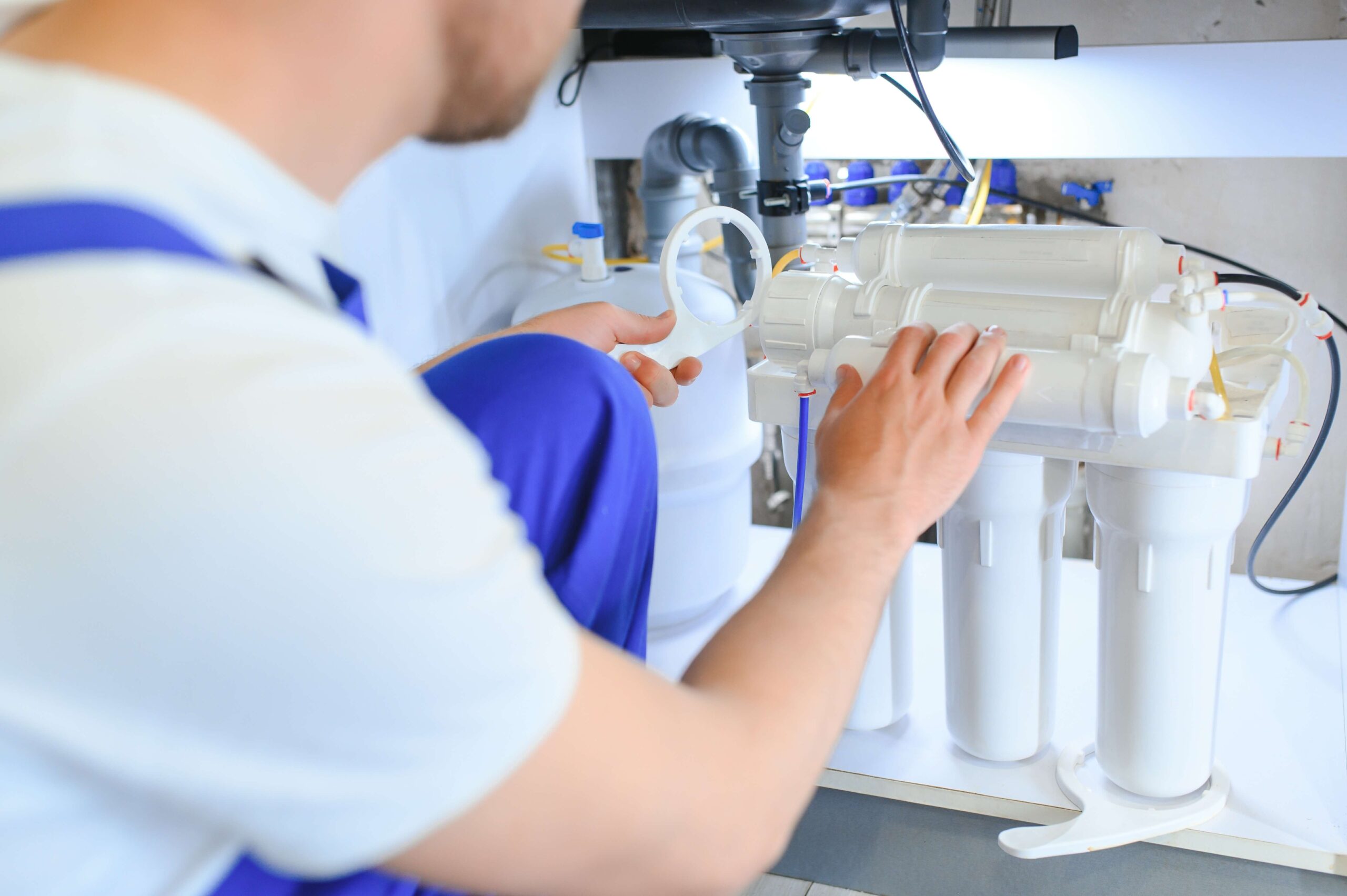
The water serving Bridgeport at Lake Shore Cottages comes from the Central Sumter Utility and Villages of Lake-Sumter treatment plants, which draw from the Upper Floridan Aquifer. Water quality databases including the Environmental Working Group’s Tap Water Database and state water quality reports document the presence of haloacetic acids, total trihalomethanes, arsenic, hexavalent chromium, chlorate, barium, nitrate, and thallium in this system. The utility is in legal compliance with federal standards as of the most recent EPA assessment period, which matters but it doesn’t mean the water is free of concern.
Federal legal limits for many of these contaminants haven’t been revised in close to two decades. The gap between what’s legally permitted and what current health science considers safe is real, and for residents in their 70s and 80s who are already managing health conditions, that gap is worth taking seriously. A reverse osmosis system removes 95 to 99 percent of dissolved contaminants, including the ones listed above, before the water reaches your glass.
—
A water softener and a reverse osmosis system do two completely different things, and in the Sumter County water environment, you often need both. A water softener addresses hardness it removes calcium and magnesium ions through an ion exchange process, which protects your appliances, fixtures, and pipes from mineral scale buildup. If you’ve noticed white residue on your faucets or glassware, that’s the hardness problem a softener solves.
A reverse osmosis system works at a much finer level. It’s designed to remove dissolved contaminants arsenic, trihalomethanes, haloacetic acids, nitrates, heavy metals that a softener doesn’t touch. The RO membrane has pores of 0.0001 microns, which is small enough to block virtually everything except water molecules. So if you already have a softener handling the hardness in your Bridgeport at Lake Shore Cottages home, an under-sink RO system handles the drinking water quality side of the equation. They work together, not in competition.
—
A properly maintained reverse osmosis system typically lasts 15 to 20 years. The system itself the housing, fittings, storage tank, and faucet is built to run for the long term. What requires periodic replacement are the filter components: pre-filters every six months, the RO membrane every two years, and the post-filter annually. These aren’t complicated replacements, and the schedule isn’t burdensome.
For residents of Lake Shore Cottages who spend part of the year away, the maintenance schedule is something we build around your actual usage pattern. A home that sits unoccupied for five or six months during the summer doesn’t cycle water the same way a full-time residence does, and we account for that when setting your service intervals. We also recommend a flush cycle when you return each fall just to clear anything that’s been sitting in the lines. We handle all of it, and we’ll reach out when it’s time. You don’t have to track it yourself.
—
This is one of the most common questions we get, and it’s a fair one. A standard under-sink RO system uses a pressurized storage tank typically two to four gallons so the water at your dedicated drinking faucet flows at normal pressure on demand. You’re drawing from the tank, not waiting for the membrane to filter in real time. Most people notice no meaningful difference in flow compared to a standard faucet.
Where pressure can become a factor is if the incoming water pressure to your home is already on the lower end below 40 PSI which can slow the tank refill rate. In Sumter County, municipal pressure from the Central Sumter Utility system is generally adequate for standard RO operation, but we check your home’s actual pressure as part of the initial assessment. If there’s an issue, we address it before installation, not after.
—
The math on this one is pretty clear. A household that relies on bottled water for drinking and cooking typically spends somewhere between $600 and $1,200 per year and that’s a conservative estimate if you’re buying quality brands. Over the 15 to 20 year lifespan of a properly maintained RO system, that’s $9,000 to $24,000 in bottled water costs, plus the ongoing inconvenience of hauling cases from the store.
Beyond cost, most bottled water brands are drawing from municipal sources and running the water through a filtration process that’s often less rigorous than a properly maintained home RO system. You’re paying a premium for packaging and marketing, not necessarily for better water. An under-sink reverse osmosis system produces genuinely clean water at a fraction of a cent per gallon, and it’s there every time you turn on the faucet no trips to the store, no cases stacked in the garage, no plastic waste.
—
Please provide your email address so that we can stay in touch and answer any questions you have! We will be reaching back out shortly.
"*" indicates required fields
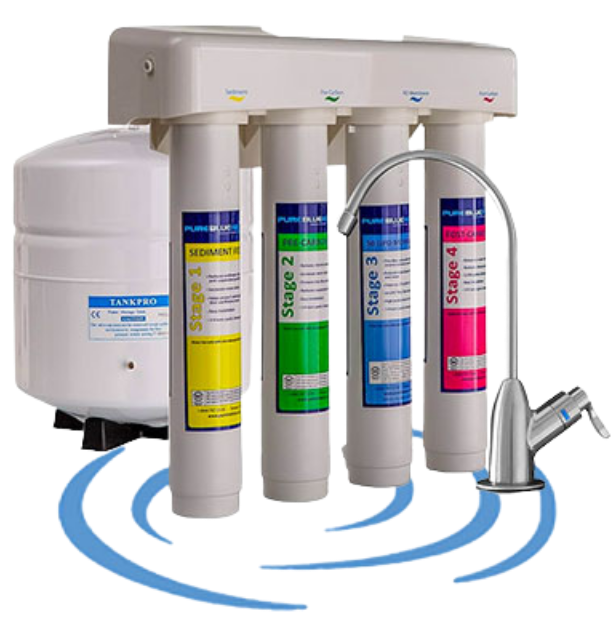
Get a free reverse osmosis drinking water system with the purchase of any whole-home water purification system.
*Cannot be combined with other offers. Mention this special when you call.