Reach Out Today
Please provide your email address so that we can stay in touch and answer any questions you have! We will be reaching back out shortly.

Hear from Our Customers
If you’ve been living with orange stains on your sinks, a sulfur smell from the tap, or water that just doesn’t taste right, you already know the problem isn’t minor. It’s daily. It affects how you cook, how you drink, how your appliances hold up, and whether you trust what’s coming out of the ground beneath your property.
A reverse osmosis system removes up to 99% of dissolved contaminants at the point of use including the iron and hydrogen sulfide that the Floridan Aquifer delivers to wells throughout Bakersville and western St. Johns County. For homeowners near the Hastings agricultural corridor, that also means protection against nitrates from over a century of row crop farming that have had generations to work their way into the surficial aquifer. Standard carbon filters and refrigerator filters don’t remove nitrates. RO does.
The difference shows up fast. Water that tastes clean. No more cases of bottled water stacked by the door. Appliances that aren’t fighting dissolved minerals every cycle. And the confidence of knowing what’s actually in your water because the system was built around a real test of your well, not a generic sales package.
We do one thing water treatment. Not plumbing, not water heaters, not HVAC. Just water. That focus means when our technician shows up at your home in Bakersville, we’re not guessing at what your well might need. We’ve been treating wells in St. Johns County long enough to know what the Upper Floridan Aquifer delivers before we even run the test and we still test every home individually, because well water in an agricultural area like the Hastings corridor can vary significantly from one property to the next.
We hold a BBB A-rating with a 5-star score and zero complaints on record something you can verify yourself at bbb.org right now. We’re also members of the National Water Quality Association, which means our technicians are trained specifically in Florida’s water chemistry, not just general filtration theory. And we service what we sell. That’s not a tagline it’s the answer to the most common complaint in this industry.
It starts with a real water analysis. Not a quick hardness strip designed to justify a pre-selected system, but an actual lab-grade test that identifies what’s present in your specific well iron, sulfur, hardness, nitrates, bacteria, dissolved solids, and anything else relevant to your property. In a rural area like Bakersville, where the surficial aquifer draws from clay, sand, shell, and coquina deposits that are directly exposed to decades of agricultural activity, that test matters. Two properties a mile apart can have meaningfully different water.
Once the analysis is complete, you get a clear explanation of what was found and a system recommendation built around those findings. If your water needs a softener in addition to an RO unit, that’s what we recommend. If RO alone handles your situation, that’s what you’ll hear. The goal is to match the solution to the actual problem not to sell you the most expensive package.
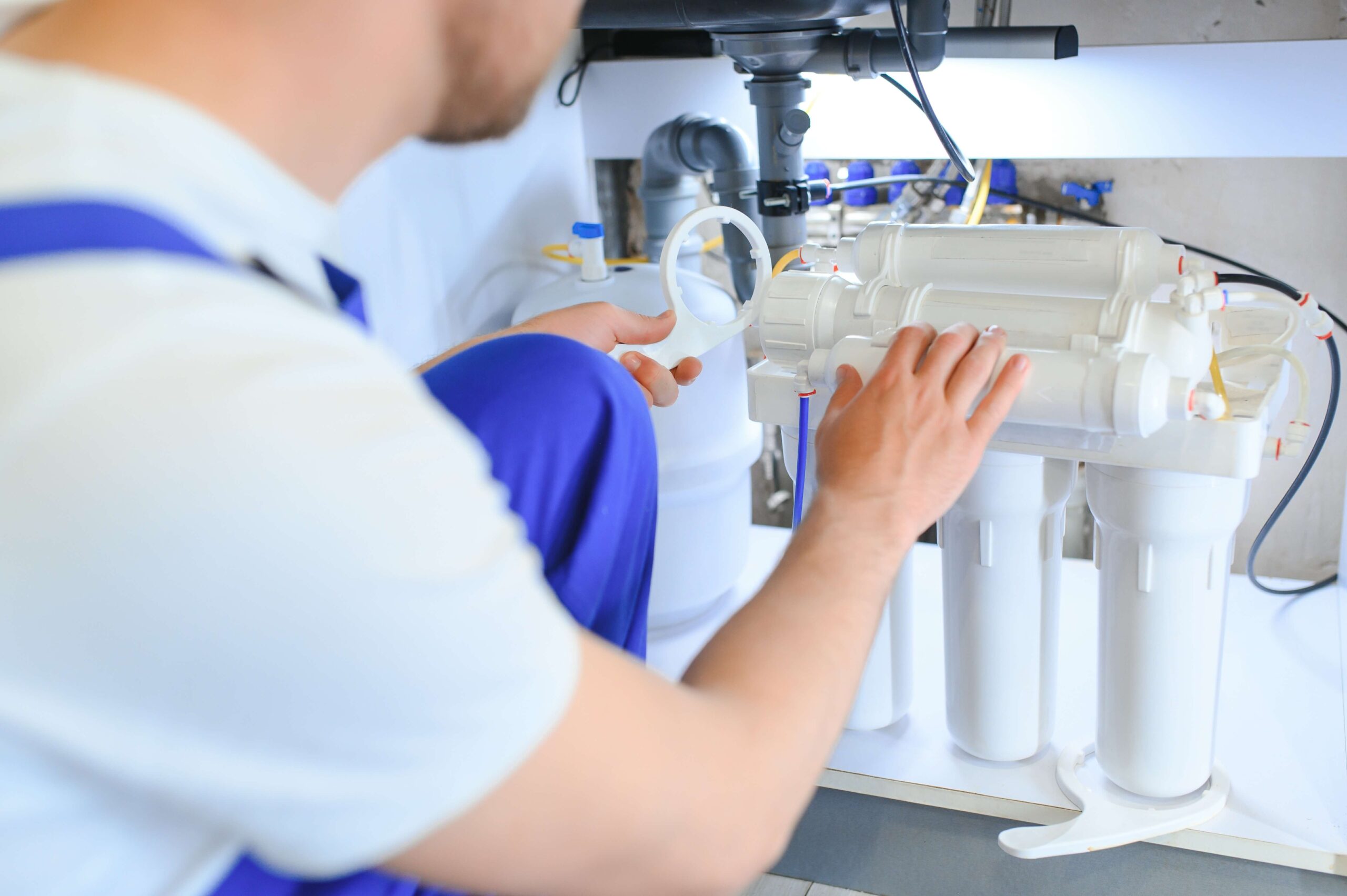
Installation is handled by our trained technicians who work under St. Johns County jurisdiction requirements, so permits and compliance are handled correctly from the start. After installation, we stay available for filter replacements, membrane service, and any follow-up questions. A reverse osmosis membrane typically needs replacement every two to five years. You won’t be left figuring that out on your own.
Ready to get started?
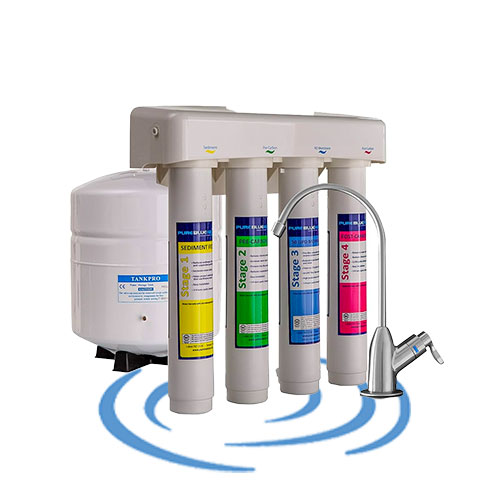
The reverse osmosis systems we install are sized and configured based on what your water actually contains not pulled off a shelf and handed over. For homes in Bakersville drawing from private wells, that typically means a multi-stage system designed to handle the iron, hydrogen sulfide, hardness, and potential agricultural contaminants that are documented in this part of St. Johns County. Under-sink RO units are the most common choice for drinking water they sit quietly beneath the kitchen sink, connect to a dedicated faucet, and produce clean water on demand without treating the whole house.
For homeowners dealing with whole-house issues iron staining on exterior walls, scale buildup in pipes, sulfur odor from every tap a whole-house configuration may be the right answer, and that conversation happens after the water test, not before. Every system comes with a clear explanation of what it removes, what it doesn’t, and what maintenance looks like over time. Filter replacements, membrane lifespan, service intervals you’ll know all of it upfront.
If you’re active military, a veteran, or a first responder, a $500 discount applies to your installation. We also support the Tunnels to Towers Foundation, which provides mortgage-free homes to Gold Star families and fallen first responder families. In a community like Bakersville, where those ties run deep, that’s not a footnote it’s part of how we operate.

Technically “safe” and genuinely clean are two different standards, and in Bakersville, the gap between them is worth understanding. The U.S. Geological Survey has documented that in much of St. Johns County, water from the Floridan Aquifer does not meet EPA secondary drinking water standards the standards that cover iron, sulfur, hardness, and dissolved solids. That means the water may pass a basic health screen but still carry enough iron to stain your fixtures, enough hydrogen sulfide to smell, and enough dissolved minerals to shorten the life of your appliances.
For private well owners in Bakersville, there’s an additional layer: the surficial aquifer that many rural wells draw from is directly exposed to surface activity including over 130 years of agricultural use in the Hastings corridor. Nitrates from fertilizers, pesticides, and other agricultural chemicals can infiltrate this aquifer, and they won’t show up in a basic visual inspection of your water. The only way to know what’s actually in your well is to test it. That’s where any responsible conversation about water treatment should start.
A properly rated reverse osmosis system removes a wide range of dissolved contaminants by pushing water through a semi-permeable membrane with pores of 0.0001 microns small enough to block the vast majority of what’s dissolved in well water. For homes in Bakersville and western St. Johns County, that list typically includes iron, hydrogen sulfide, hardness minerals, total dissolved solids, nitrates, arsenic, lead, chlorine, chloramines, and many agricultural chemicals. NSF/ANSI 58 the certification standard for RO systems specifically covers nitrate reduction, which matters in an area where farming has been continuous for generations.
What RO doesn’t address on its own is bacterial contamination or sediment, which is why well water testing sometimes points to a system that combines RO with UV disinfection or a pre-filter stage. That’s why the water test comes first. Knowing exactly what’s present in your specific well lets you build a system that actually solves the problem rather than one that handles part of it and leaves the rest.
Refrigerator filters use activated carbon, which is effective at improving taste and reducing chlorine. What they don’t do is remove nitrates, dissolved minerals, heavy metals, or the kind of agricultural contaminants that are a legitimate concern for well owners in Bakersville and the Hastings area. The filtration mechanism is fundamentally different carbon adsorption versus a pressurized membrane and the gap in performance is significant when you’re dealing with well water that carries more than just a taste issue.
A reverse osmosis system works at a molecular level. The membrane physically blocks dissolved contaminants that carbon filters allow through. For a homeowner whose well is drawing from an aquifer that has absorbed fertilizer runoff, iron from limestone geology, and hydrogen sulfide gas, the difference between an RO system and a refrigerator filter isn’t a minor upgrade it’s a completely different category of treatment. If your current filter is making your water tolerable but not actually clean, that’s a meaningful distinction.
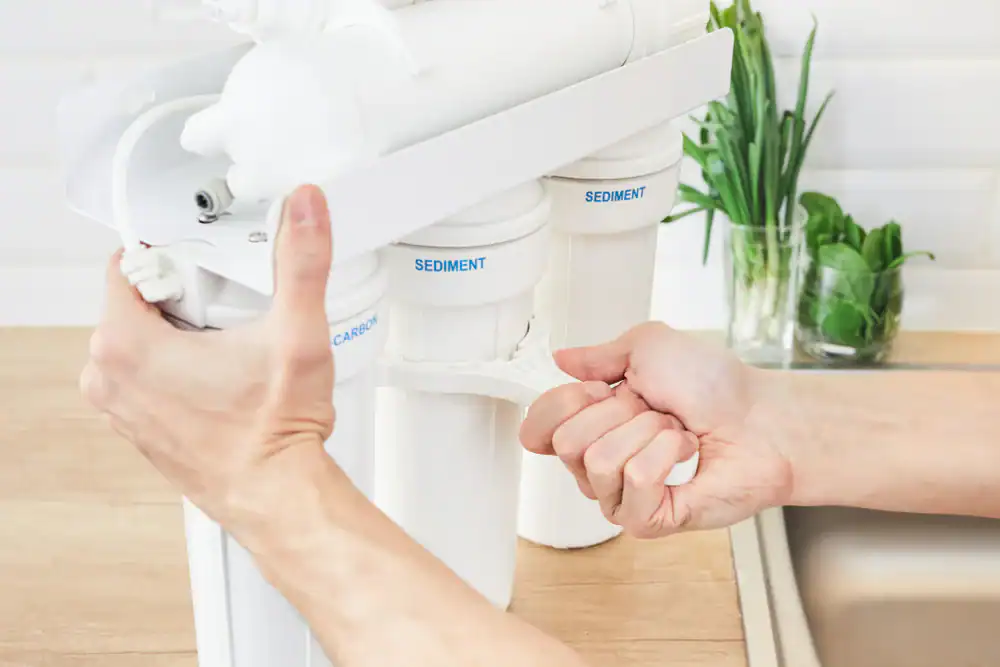
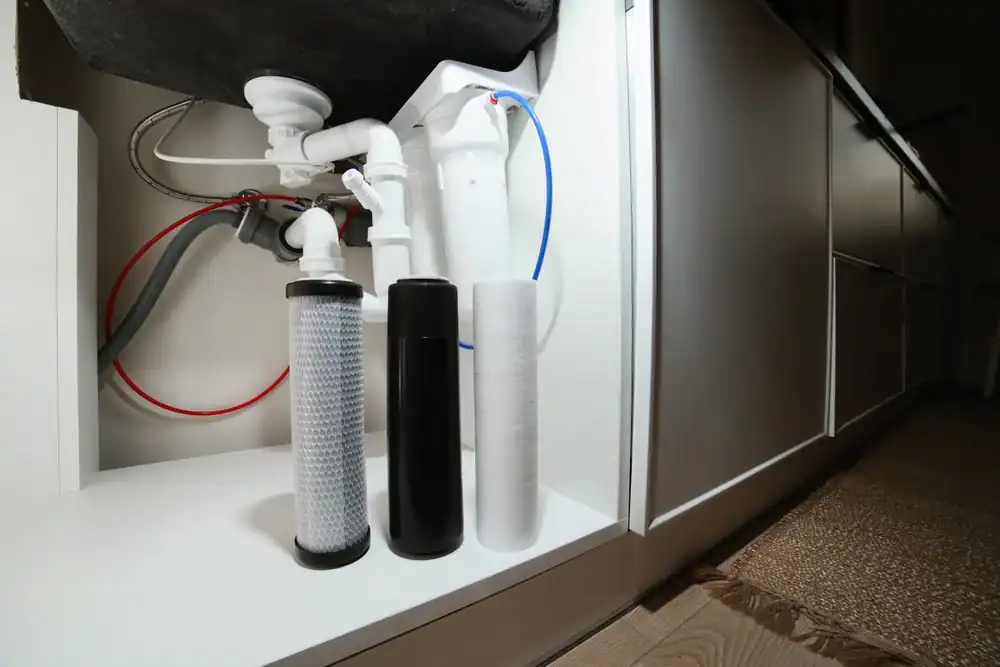
A standard under-sink reverse osmosis system has two types of components that need periodic attention: pre-filters and the RO membrane itself. Pre-filters which handle sediment and carbon filtration before water reaches the membrane typically need replacement every six to twelve months depending on how much your system processes and how much sediment your well water carries. For homes in Bakersville with higher iron or sediment loads, you may be on the shorter end of that range.
The RO membrane itself is more durable. Most membranes last two to five years under normal residential use. When it’s time for replacement, water production slows noticeably and a test will confirm the membrane is no longer performing at spec. We handle these service intervals we don’t install a system and disappear. You’ll know upfront what the maintenance schedule looks like, what each service costs, and who to call when it’s time. That ongoing relationship is part of what you’re getting when you work with a company that services what it sells.
Yes, but it’s worth understanding how. The rotten egg smell in well water is caused by hydrogen sulfide a gas produced by sulfur bacteria in the aquifer. It’s one of the most common complaints from well owners throughout Bakersville and western St. Johns County, and it doesn’t go away on its own. Letting water sit, running the tap, or using a basic pitcher filter won’t remove it at the concentrations typically found in Florida well water.
A reverse osmosis system removes hydrogen sulfide at the point of use, so the water coming out of your dedicated RO faucet will be free of the odor. For homes where the sulfur smell is present at every tap showers, laundry, outdoor spigots a whole-house treatment approach that addresses the issue upstream of the RO unit is often the better long-term answer. That’s the kind of recommendation that comes out of a proper water analysis, not a one-size-fits-all package. If sulfur odor is your primary complaint, the test will confirm the concentration and guide the right solution.
Please provide your email address so that we can stay in touch and answer any questions you have! We will be reaching back out shortly.
"*" indicates required fields
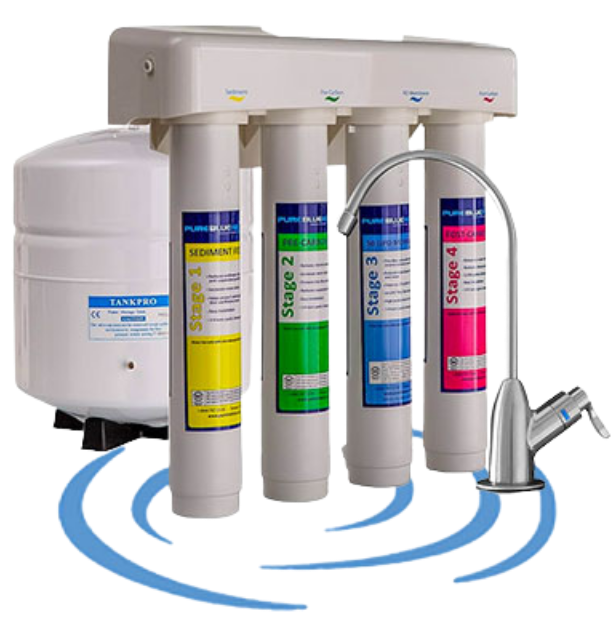
Get a free reverse osmosis drinking water system with the purchase of any whole-home water purification system.
*Cannot be combined with other offers. Mention this special when you call.