Summary:
Hurricane season runs June through November in Marion County. You’re 110 feet above sea level, so storm surge isn’t your problem. Flash flooding is. When heavy rains overwhelm drainage systems, contaminated water enters municipal supplies. Power outages shut down treatment plants. And suddenly, you’re without safe drinking water for days, maybe weeks.
The CDC says one gallon per person, per day. For a family of four, that’s 28 gallons for one week. Most people don’t have that stored. When a hurricane watch drops, store shelves empty within hours. Bottled water that normally costs $5 jumps to $10, if you can find it.
This isn’t about panic. It’s about being ready before everyone else realizes they’re not.
How Much Emergency Water Storage Your Family Actually Needs
The one-gallon-per-person guideline covers drinking. That’s it. Not cooking. Not hygiene. Not washing hands properly when sanitation matters most. Real emergency water planning requires more.
Add another half gallon per person daily for basic hygiene and food prep. That’s 1.5 gallons per person, or 42 gallons for a family of four over two weeks. Round up to 50 gallons for pets and unexpected needs. A large dog needs about a quart daily. Small animals less, but it adds up.
Medical needs change the math too. Infants requiring formula mixed with purified water. Diabetics needing extra hydration. Elderly family members with specific conditions. These aren’t edge cases in Florida—they’re common realities your plan must address now, not when the storm warning drops.
Hurricane Water Safety: When to Fill Storage Containers
Water sitting for months develops bacteria, even in clean containers. But waiting until a hurricane warning means competing with thousands of people for the same resources. The solution is rotation.
Fill containers in June when hurricane season starts. Mark each with the fill date using permanent marker. Every six months, dump the water (use it for plants), sanitize containers, and refill. This keeps your supply fresh without bacterial growth from long-term storage.
When a hurricane watch gets issued—typically 48 hours before tropical storm-force winds—that’s your signal to top off supplies. Fill bathtubs using water storage bladders designed for drinking water. These food-grade bladders hold 65-100 gallons and keep water cleaner than just plugging the drain. Fill every available container: pitchers, pots, mason jars, cleaned soda bottles.
Don’t wait for the hurricane warning issued 36 hours before expected conditions. By then, water pressure might already be dropping as everyone fills containers simultaneously. Getting ahead isn’t panic. It’s preparation.
Your water heater holds 40-50 gallons of emergency drinking water. Before the storm, turn off power to the unit and close the water intake valve. This water stays clean even if municipal supply gets contaminated. Drain it from the bottom valve and filter or boil as a precaution.
Tell your household the plan before hurricane season. Everyone should know where emergency water is stored, how much is available, and how to ration if supplies run low. Kids especially need to understand that during emergencies, water isn’t unlimited.
Marion County Flash Flooding and Water Contamination Risks
Marion County’s 110-foot elevation protects against coastal storm surge, but flash flooding is a real threat. When large amounts of rain combine with insufficient drainage, water rises fast. Even one foot of flooding can cause significant building damage and contaminate water supplies.
Flood water carries bacteria and viruses from soil, organic debris, and sewage systems. It picks up fertilizers, pesticides, and chemical contaminants as it moves. When this water enters wells or overwhelms municipal treatment systems, your tap water becomes unsafe for drinking, cooking, or even brushing teeth.
Power outages compound the problem. Treatment plants need electricity to purify water. Distribution systems need pressure to prevent contamination from entering pipes. Well pumps stop working entirely without power, and as pressure drops, bacteria and viruses find their way into the system. The water can become contaminated without any noticeable change in taste, odor, or clarity.
After major hurricanes, municipal water systems can remain compromised long after power returns. Officials issue precautionary boil water notices that can last days or weeks. Having your own emergency water storage and purification capability means you’re not dependent on municipal systems that might be offline when you need them most.
Water Storage Containers: What Works and What Makes You Sick
Not all containers are safe for storing drinking water. Using the wrong ones can contaminate clean water and make you sick. The key is food-grade containers specifically designed for water storage. These won’t leach chemicals and resist bacterial growth better than repurposed containers.
Avoid milk jugs. Milk proteins can’t be completely removed even with thorough washing, creating perfect breeding grounds for bacteria. Same with juice containers—fruit sugars leave residues that contaminate stored water. Never use containers that held chemicals, even if washed thoroughly. Bleach bottles, detergent containers, and pesticide jugs can leach toxic residues into drinking water.
The investment in proper containers is small compared to the risk of drinking contaminated water during an emergency.
Best Food-Grade Water Storage Container Options for Florida
Five-gallon water containers hit the sweet spot for most families. They’re small enough to move when full (about 40 pounds), stack efficiently, and are available at camping supply stores. Look for containers marked “food-grade” with BPA-free plastic. These cost $15-25 each and last years with proper care.
The best ones have built-in spigots for easy pouring and vented caps with screw threads, not cheap push-pin plugs. Wide mouths make filling and cleaning easier. For larger storage, 55-gallon food-grade drums work if you have garage space. They store enough water for a family of four for about two weeks. Use a hand pump to access water rather than trying to tip a 400-pound drum. Cost runs $50-100.
Bathtub water bladders solve last-minute storage. These heavy-duty plastic liners fit inside your tub and hold 65-100 gallons of clean water. They cost $20-35 and can be reused. When a hurricane watch drops, place the bladder in your tub and fill it. The sealed design keeps water cleaner than simply plugging the drain.
Collapsible water containers save space when empty. These accordion-style containers expand to hold 5-10 gallons when filled, then fold flat. They’re less durable than rigid containers but perfect for limited space. Expect to replace them every few years at $10-20 each.
Cleaned two-liter soda bottles work in a pinch. Wash with soap and water, rinse well, then sanitize with bleach solution (one teaspoon unscented bleach per quart of water). Let sit 30 seconds, rinse with clean water or air dry. Fill with tap water and seal. These aren’t ideal for long-term storage but work fine for seasonal rotation.
Mason jars and canning jars excel for smaller quantities. Glass doesn’t leach chemicals, and sealed lids keep water fresh. They’re breakable, so store carefully, but perfect for keeping a few gallons in your pantry for immediate access.
Label everything clearly: fill date, contents, any treatment. In an emergency, you don’t want to guess whether water is safe to drink.
How to Clean and Sanitize Water Containers Properly
Even new containers need sanitizing before first use. Manufacturing and storage introduce contaminants you can’t see. Ten minutes of proper cleaning prevents preventable illness.
Start with dish soap and hot water. Wash the inside thoroughly, including caps, spigots, and vents. Use a bottle brush for narrow openings. Rinse multiple times until no soap residue remains. Next, mix one teaspoon of unscented liquid chlorine bleach (5-6% sodium hypochlorite) with one quart of water. Pour this into your container, cap it, and shake vigorously for 30 seconds. Make sure solution contacts every interior surface, including screw cap threads.
Let it sit 30 seconds, then pour it out. You can rinse with clean water or let air dry—both work. Air drying extends the sanitizing effect. If you rinse, use water you know is safe. Don’t sanitize with bleach then rinse with questionable water.
For threaded lids, “bleed the threads.” Loosen the cap slightly and pour sanitizing solution through the opening while rotating the container. Bacteria hide in threads. This takes five seconds and prevents contamination.
Sanitize every time you empty and refill during your six-month rotation. If a container develops odor, cloudiness, or visible growth, sanitize immediately and discard the water. Store empty containers with caps slightly loosened for air circulation. Tighten fully only when filled. Keep containers away from gasoline, pesticides, and chemicals—even sealed containers absorb chemical vapors over time.
Emergency Water Purification Methods During Power Outages
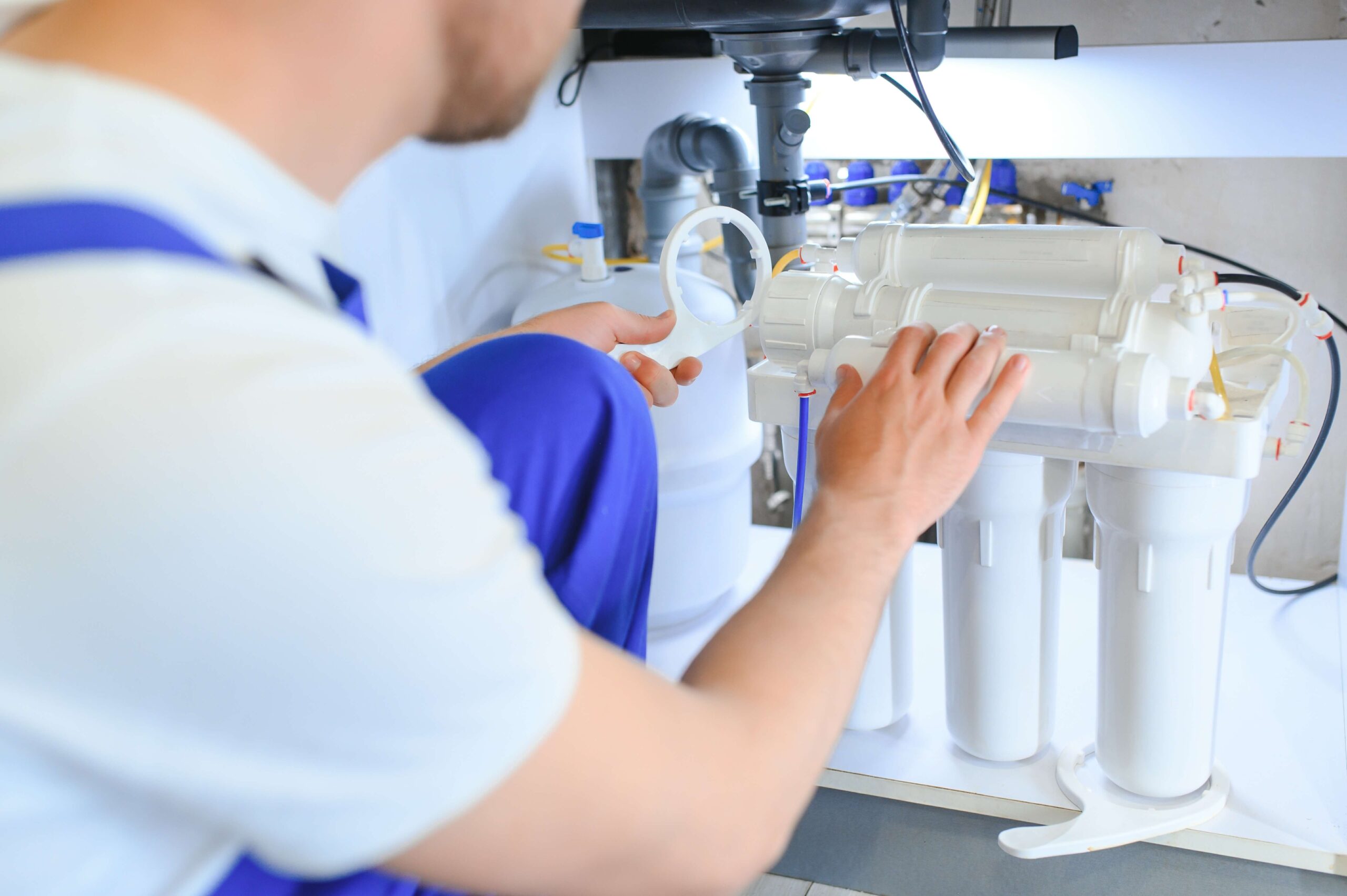
Stored water runs out. Municipal systems stay compromised. Flash flooding contaminates wells. That’s when emergency purification methods become critical. FEMA and the American Red Cross agree on three acceptable ways to treat drinking water: boiling, chlorine bleach, or distilling.
Boiling kills bacteria, viruses, and parasites. Bring water to a rolling boil for at least one minute (three minutes if you’re above 6,500 feet elevation). Let it cool naturally before drinking. Boiling requires fuel and time, but it’s the most reliable method during emergencies. The biggest limitation is capacity—most kitchens don’t have pots bigger than 6-8 quarts, and you can’t fill them more than halfway.
Bleach treatment is effective and doesn’t taste funny to most people since municipal water systems use similar chlorination. You need plain liquid chlorine bleach (5-6% sodium hypochlorite) with no scents, color-safe additives, or cleaners. Add 8 drops of 6% bleach or 6 drops of 8.25% bleach per gallon of water. Double the amount if water is cloudy, colored, or very cold. Stir and let stand 30 minutes. You should smell slight chlorine. If not, repeat the dose and wait another 15 minutes.