Summary:
You’re researching residential water treatment systems because something’s wrong with your water. Maybe it tastes off, leaves rust stains on fixtures, or you’re concerned about what your family is actually drinking. The problem is, not every company selling home water treatment systems has your best interests in mind. Some use scare tactics to create false urgency. Others sell you equipment you don’t need. And a few will take your money and vanish when something breaks or needs service. Before you sign a contract or hand over a deposit, you need to know what separates the professionals from the companies that give this industry a bad name. Let’s start with understanding what you’re actually buying, including the benefits of a well water filtration system.
Home Water Treatment Systems: Understanding Your Options Before You Buy
Before you can spot the red flags, you need to understand what you’re actually shopping for. Residential water treatment systems aren’t one-size-fits-all solutions, despite what some salespeople might tell you.
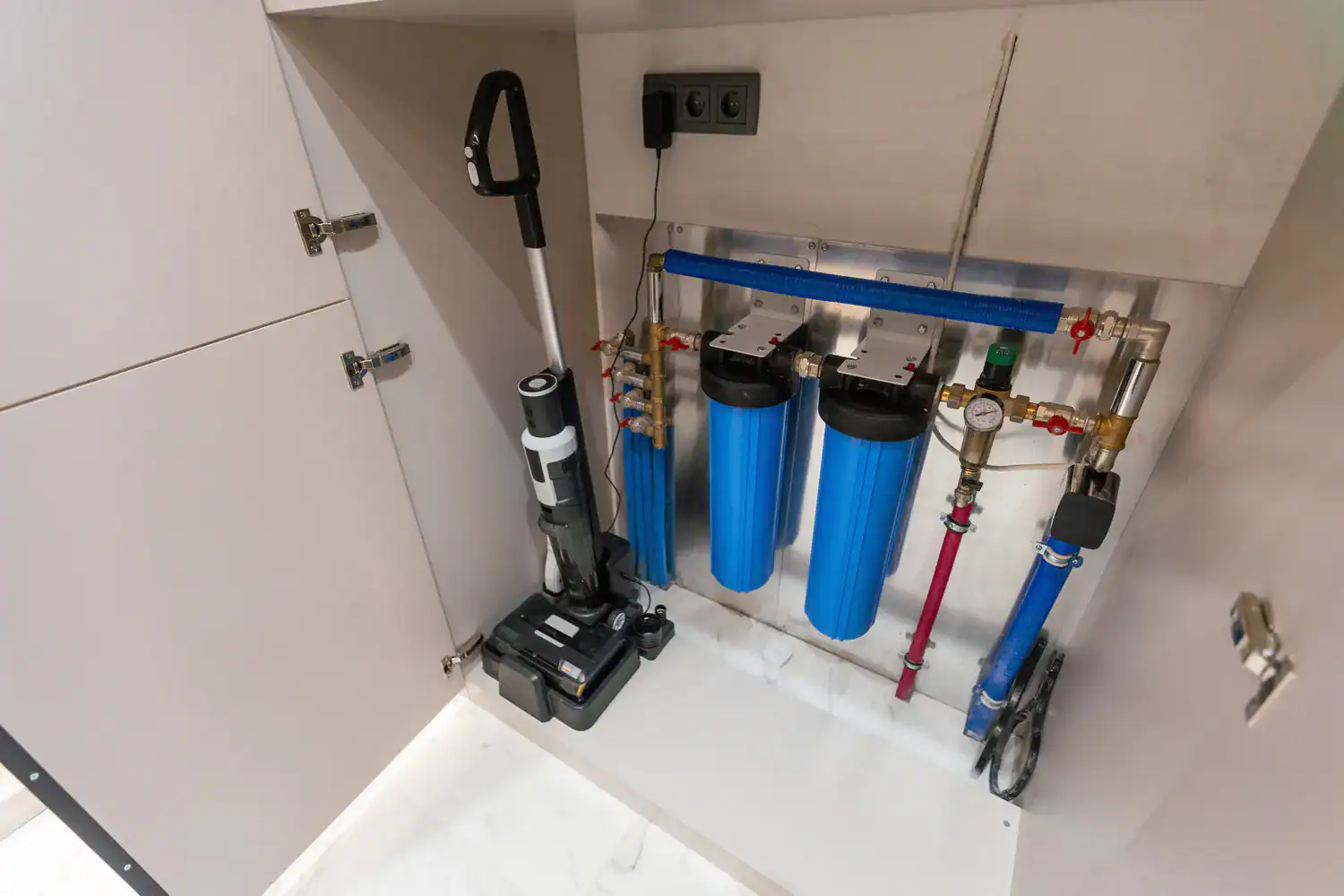
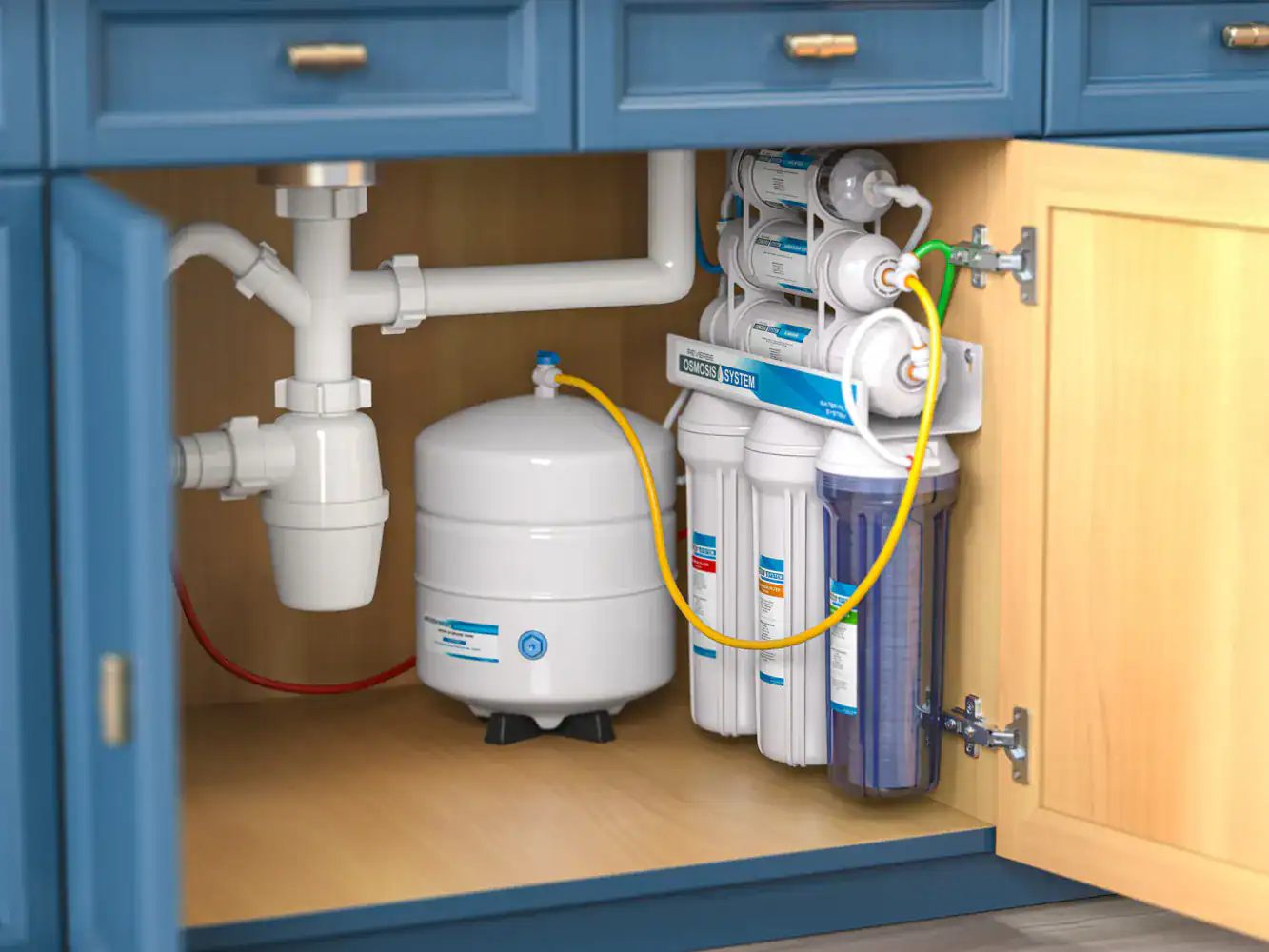
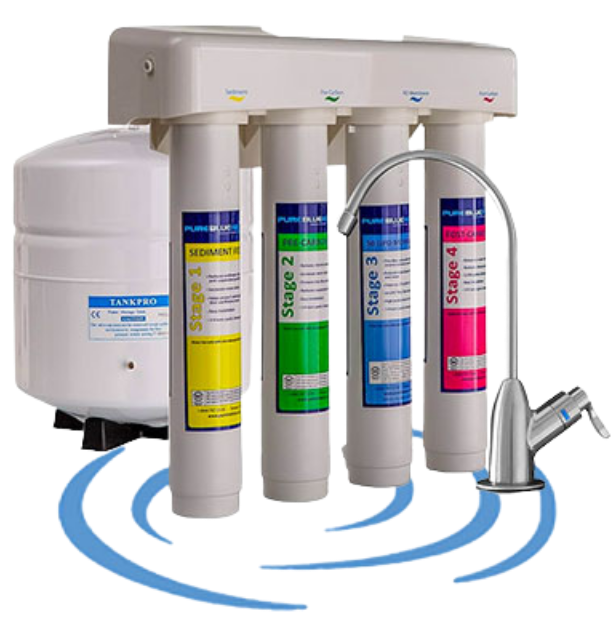
The right system depends entirely on what’s in your water and what problems you’re trying to solve. A whole house system treats water at the point where it enters your home, delivering filtered water to every tap, shower, and appliance throughout your property. Point-of-use systems, like an under-sink reverse osmosis unit, treat water at one specific location—typically your kitchen sink for drinking and cooking.
Common types include water softeners that remove hard water minerals like calcium and magnesium, carbon filtration systems that eliminate chlorine and chemical tastes, reverse osmosis units for drinking water purification, and UV disinfection systems that kill bacteria and viruses. Many homes in Marion County, FL need a combination approach because local water issues rarely come from just one source. Understanding these basics helps you recognize when a company is actually addressing your needs versus just pushing their most profitable product.
Why Professional Water Testing Must Come First for Any Home Water System
Here’s the first major red flag: any company that tries to sell you a residential water filtration system without properly testing your water first is showing you they care more about making a sale than solving your problem. You wouldn’t let a doctor prescribe medication without running diagnostic tests, and water treatment works exactly the same way.
Professional water testing identifies the specific contaminants, minerals, and chemicals in your water supply and measures them at precise levels. This data determines which home water system you actually need—not which one generates the highest commission for the salesperson. A legitimate company will test for hardness levels, iron content, sulfur compounds, bacterial contamination, pH balance, chlorine levels, and other issues common to Florida’s water sources before making any equipment recommendations.
The testing process should be thorough and the results explained to you in language you can understand. You should receive a written report showing exactly what was found and why specific treatment methods are being recommended for your situation. If someone shows up at your door offering a “free water test” and immediately tells you that you have dangerous contamination requiring an expensive system to be installed today, be highly suspicious. That’s a classic high-pressure tactic designed to bypass your critical thinking and create false urgency.
Real water testing takes time and care. Laboratory analysis provides the most accurate results, though quality in-home testing can identify major issues that need addressing. What matters most is that the company bases their recommendation on your actual water quality data, not a predetermined sales script they use on every customer. Without proper testing, you might end up with a system that doesn’t address your real problems—or worse, one that treats issues you don’t even have while missing the ones causing you trouble.
How to Verify Company Credentials and Industry Certifications
Anyone can print business cards and claim to be a water treatment expert. The real question is whether they can prove it with verifiable credentials that demonstrate actual expertise and accountability. This is where your research protects your investment.
Start with Better Business Bureau ratings. An A-rated BBB standing with few or no complaints tells you that a company has operated long enough to build a track record and handles customer concerns professionally when issues arise. Years in business matter significantly—companies that have served their communities for decades have proven they’re not fly-by-night operators who disappear when customers need warranty service or repairs.
Look for membership in professional organizations like the Water Quality Association, the industry’s leading trade group. WQA certification means technicians have passed rigorous testing on water chemistry, treatment principles, and system design. They’re required to maintain continuing education to keep their credentials current. This isn’t just a membership fee you pay—it’s a professional credential you earn through demonstrated knowledge.
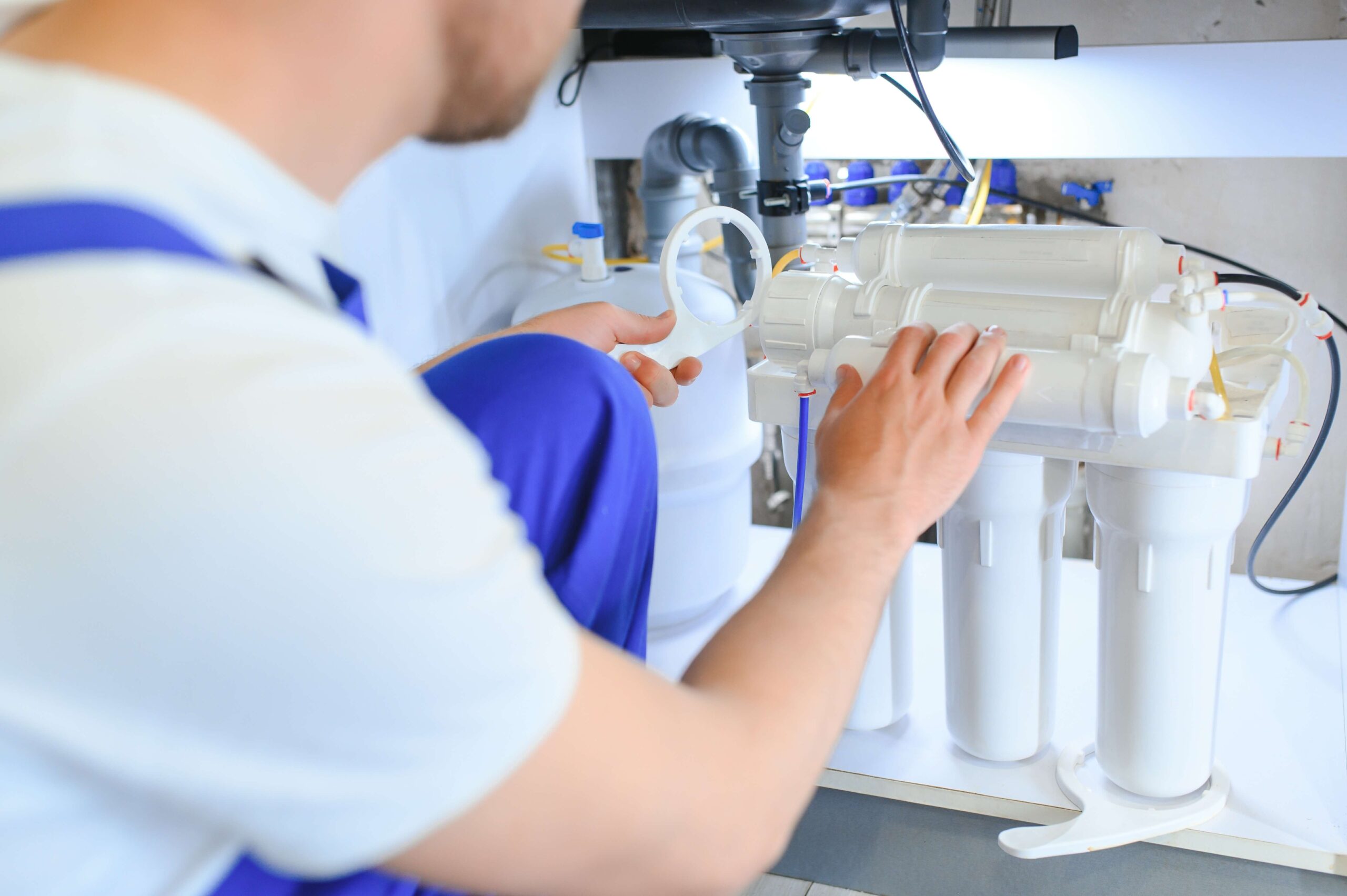
Verify that the company employs properly licensed and insured installers. Licensing requirements vary by state, but proper credentials protect you if something goes wrong during installation. Adequate insurance coverage means you’re not held liable if there’s property damage or an injury occurs on your property during the work.
Ask about manufacturer certifications as well. Companies that are authorized dealers for major brands have met specific training requirements and service standards. They can access factory parts, technical support hotlines, and warranty coverage that unauthorized sellers simply cannot provide. This matters when you need repairs five years down the road. Don’t just take their word for any of this. Ask to see actual certificates, license numbers, and proof of insurance. A reputable company will provide this documentation without hesitation or defensiveness. If they dodge the question, make excuses, or get pushy when you ask for verification, that’s your signal to walk away immediately.
These credentials aren’t just pieces of paper to hang on a wall. They represent accountability, ongoing professional development, and a commitment to industry standards. When you’re investing thousands of dollars in residential water treatment systems for your home, you deserve to work with professionals who can back up their claims with verifiable expertise and a track record you can research.
Residential Water Filtration System Pricing: What Transparency Looks Like
How a company handles pricing and conducts their sales process reveals everything about how they’ll treat you after they have your money. Transparent pricing, detailed written estimates, and honest communication are hallmarks of a company you can trust with a major home investment.
Red flag number one in this category: vague or verbal-only pricing. If a company won’t provide a detailed written estimate that specifies equipment models, installation costs, and exactly what’s included in the price, they’re deliberately leaving room to change things later or add unexpected charges. You should know precisely what you’re paying for before you commit to anything.
High-pressure sales tactics represent another major warning sign. Phrases like “this price is only good if you sign today” or “we happen to have a crew in your area right now” are designed to rush your decision and prevent you from getting competing bids. Legitimate companies understand that choosing a residential water filtration system is a significant financial investment. They’ll give you adequate time to think it over, compare your options, research their reputation, and ask follow-up questions without threatening to raise the price or withdraw their offer.
What Complete Pricing Should Include for Water Filters for Home Use
A detailed, written estimate should break down every cost component so you understand exactly where your money is going and what you’re getting for it. Equipment costs should list the specific brand name and model number of each component—the main treatment tank, control valve, pre-filters, post-filters, and any additional treatment stages. Generic descriptions like “premium filtration system” tell you nothing and should raise immediate concerns.
Installation charges should be itemized separately, including labor hours and rates, materials like pipes and fittings, any necessary modifications to your existing plumbing, electrical work if required, and disposal of old equipment if you’re replacing an existing system. Some companies bundle everything into one number, which makes it impossible to evaluate whether you’re getting fair value.
Don’t overlook ongoing costs when evaluating the total investment. A complete estimate includes filter replacement schedules with specific costs, regular maintenance requirements and their frequency, detailed warranty coverage explaining what’s included and what’s not, and the expected service life of major components so you know when you might face replacement costs. Some companies deliberately lowball the initial system price but make their real profit on overpriced replacement filters and mandatory service contracts that lock you in for years.
If you’re considering financing rather than paying cash, ask detailed questions about the terms. What’s the actual interest rate? Are there prepayment penalties if you pay it off early? Is the financing through a reputable lender or some in-house arrangement? Some companies use financing as another way to obscure the true cost or trap you in unfavorable long-term obligations. Payment schedules should follow industry norms. A reasonable deposit to order equipment and schedule installation is standard practice. But be extremely wary of companies demanding full payment upfront before any work begins, or those requesting unusual payment methods like wire transfers, cryptocurrency, or gift cards. Those are classic scam tactics that should send you running in the opposite direction.
The right company will patiently walk you through every line item on the estimate, answer your questions thoroughly, and give you adequate time to review everything without pressure. They’ll explain why they’re recommending specific equipment for your situation and what alternative options might cost less or more. They’ll be completely upfront about what’s included in the quoted price and what would cost extra. This level of transparency builds trust and sets realistic expectations—which is exactly what you want when establishing a long-term relationship with a water treatment provider.
Long-Term Service and Maintenance Support After Your Installation
Here’s where countless homeowners get burned, and it’s perhaps the most important red flag to watch for: they buy a home water system from a company that installs it and then completely disappears from the picture. When filters need changing six months later, when something breaks, or when they have questions about operation, nobody answers. The company has moved on to the next sale and has zero interest in supporting existing customers.
Ask very direct questions about post-installation support before you sign anything. Who handles routine maintenance—is it included in your purchase price or charged separately? How quickly do they typically respond to service calls when something needs attention? Do they stock replacement parts for the specific system they’re selling you, or will you have to wait weeks for special orders? Can they service other major brands if you already have some equipment installed? A company that only wants to sell you something new but won’t maintain what they install is not a company you can count on for the long haul.
Find out exactly what happens when something goes wrong with your system. What does the warranty actually cover—just parts, or parts and labor? How long does the coverage last? Who performs warranty work if you need it? Some companies sell systems that come with manufacturer warranties but aren’t authorized service providers, which leaves you stuck dealing with the manufacturer directly or paying out of pocket for repairs that should be covered.
The best water treatment companies in Marion County, FL build their entire reputation on service quality, not just sales volume. They want you as a satisfied long-term customer, which means they’ll be there when you need annual maintenance, filter replacements, water quality retesting, or emergency repairs. They keep detailed records of your system specifications, proactively remind you when service is due, and stand behind their work without making excuses. They understand that water filters for home use and whole house systems are long-term investments that require ongoing professional attention to perform properly.
Companies that disappear after installation are often fly-by-night operators working under different business names every few years to stay ahead of complaint patterns and bad reviews. They maximize short-term profit by installing as many systems as possible with absolutely no intention of providing the long-term support those systems will need. They’re selling a product, not building a service relationship. Before you sign any contract, get all service commitments in writing as part of your agreement. Ask for references from customers who’ve had their systems for several years, not just recent installations. Check online reviews specifically mentioning service experiences and how the company handled problems, not just glowing testimonials about the initial installation. A company’s willingness and ability to support you throughout the entire life of your system—not just through the initial sale—is one of the clearest and most reliable indicators of their integrity and professionalism.
Making a Confident Decision About Residential Water Treatment Systems
Choosing residential water treatment systems for your Marion County, FL home represents a significant investment in your family’s health, your property’s value, and your daily quality of life. The right system, installed and supported by the right company, will deliver years of clean, safe, great-tasting water with minimal hassle or unexpected costs.
The five red flags we’ve covered—lack of proper water testing, missing or unverifiable credentials, vague pricing and high-pressure tactics, and poor long-term service support—are your early warning system. When you spot these signs, trust your instincts and walk away. There are too many reputable, established companies in the water treatment industry to settle for one that cuts corners or operates with questionable business practices.
Take your time with this decision. Get multiple detailed estimates. Verify all credentials independently. Read recent reviews from actual customers. Ask questions until you’re completely comfortable and fully informed. The company you ultimately choose should make you feel confident, respected, and well-informed—not pressured, confused, or rushed into a decision. When you find a provider with decades of proven experience, current industry certifications, completely transparent pricing, and a demonstrated commitment to long-term service, you’ve found a partner you can trust with your home’s water quality. We’ve been serving homeowners across North and Central Florida for over 50 years with exactly this customer-focused approach.