Reach Out Today
Please provide your email address so that we can stay in touch and answer any questions you have! We will be reaching back out shortly.


Hear from Our Customers
If you’ve lived in your Santo Domingo home for more than a few years, you already know what hard water looks like. The white buildup on your showerhead that never fully scrubs away. The dishwasher that leaves spots on every glass no matter what you run through it. The water heater working harder than it should. None of that is a maintenance problem — it’s what happens when water drawn from a limestone aquifer runs through your home, untreated, for decades.
A whole house point-of-entry system changes that by treating the water before it ever reaches a fixture or appliance. Your shower water. Your laundry. Your ice maker. Your coffee. All of it filtered at the source, not just at one tap under the kitchen sink. For a Designer Home series property built between 1996 and 2001 — with more square footage, more fixtures, and more appliances than the smaller villa-style homes in other parts of The Villages — that kind of comprehensive coverage isn’t optional. It’s the only approach that actually protects the whole house.
There’s also a health side to this that’s worth understanding. The Villages water supply is drawn from the Lower Floridan Aquifer and treated with chlorine — and that chlorine reacts with naturally occurring organic matter in the source water to form disinfection byproducts like trihalomethanes and haloacetic acids. These compounds have been documented in the local water supply by the Environmental Working Group. You’re not just drinking them — you’re absorbing them through your skin in the shower and inhaling them as steam. A whole house system removes them at the point of entry, so none of that reaches you anywhere in your home.
We’ve been in the water treatment business for over 50 years — longer than The Villages itself has existed. That kind of longevity doesn’t happen by accident. It happens when a company actually shows up after the sale, services what we install, and doesn’t disappear when something needs attention three years later.
In a market where water treatment complaints are well-documented — high-pressure demos, systems that get installed and never serviced, companies that are unreachable six months later — we hold a BBB A-rating with zero complaints on file. That’s a public record, not a marketing claim. We’re also a member of the Water Quality Association, which holds its members to a professional code of ethics that plenty of local operators aren’t accountable to.
For Santo Domingo homeowners near Brownwood Paddock Square, that combination of verified reputation and local presence matters. You’re not calling a national franchise that sends a technician from two counties away. You’re working with a Florida company that’s been doing this since before your neighborhood was built. When you call us about your water, the same person who installed your system will be the one picking up the phone.

It starts with a water assessment. Before anything gets recommended or installed, our goal is to understand exactly what’s in your water — hardness levels, chlorine and chloramine presence, any sulfide odor from the Lower Floridan Aquifer source, and any other contaminants relevant to your specific home and its age. Santo Domingo homes built in the late 1990s have had decades of mineral-rich water running through their internal plumbing, and that history matters when sizing and configuring a system correctly.
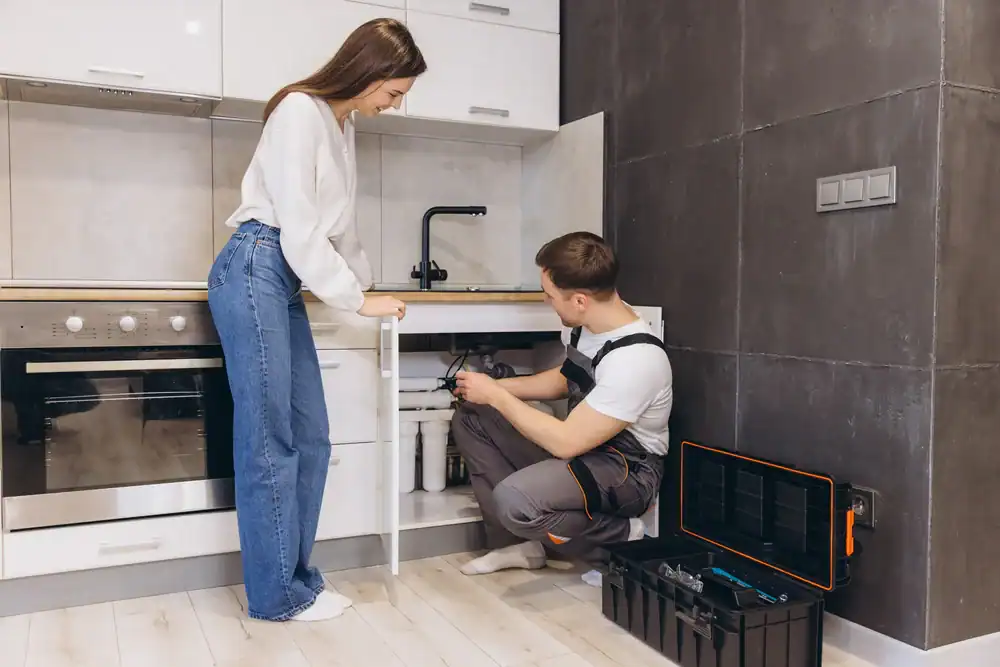
Once the assessment is complete, you’ll get a clear recommendation — what the system includes, what it addresses, what it costs, and what the installation involves. There’s no pressure and no bait-and-switch. Installation is handled at the main water line where it enters your home, which means the treatment happens before the water reaches any fixture, appliance, or pipe. In Sumter County, all installation work is done in compliance with Florida Department of Environmental Protection standards and applicable Florida Building Code requirements — so there are no permitting surprises after the fact.
After installation, your water is treated from that point forward. Showers, laundry, the kitchen tap, the ice maker — everything runs on filtered water. Filter maintenance and service calls are part of the ongoing relationship, not an afterthought. When your system needs attention down the road, we’ll be the ones picking up the phone.
Ready to get started?
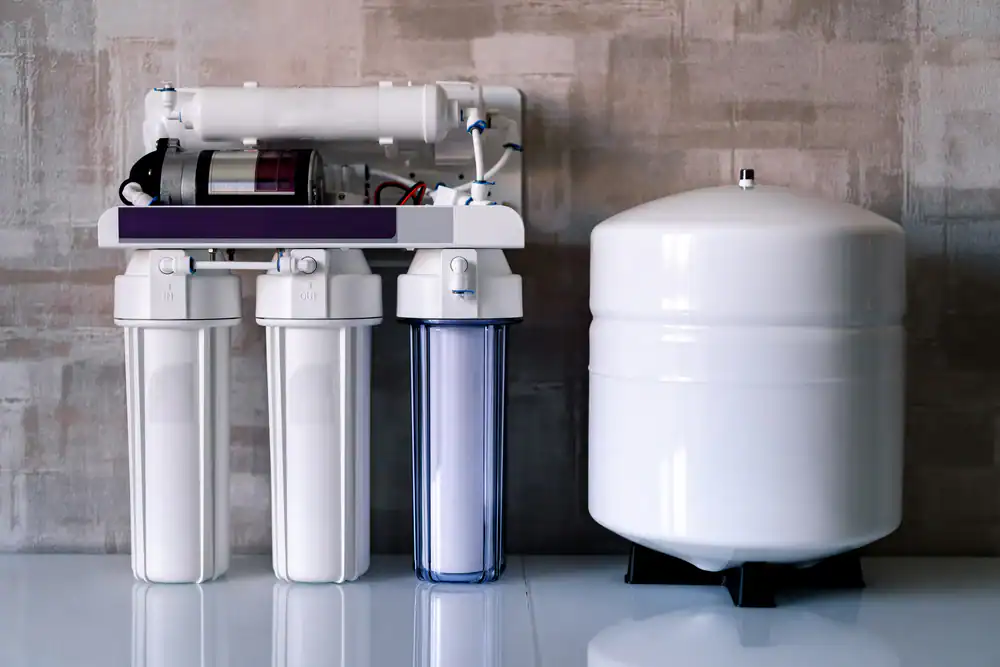
The whole house systems we install are multi-stage point-of-entry units — meaning they don’t just target one contaminant, they work through several treatment stages to address the full spectrum of what’s documented in The Villages’ water supply. That includes hard water minerals from the limestone aquifer, chlorine and chloramine disinfectants added during municipal treatment, disinfection byproducts like trihalomethanes and haloacetic acids, and the sulfide compounds that can come through from the Lower Floridan Aquifer source and show up as a faint odor at the tap.
For Santo Domingo specifically, we size the system for the actual water demand of a Designer Home series property — not a one-size-fits-all unit pulled off a shelf. Larger floorplans with more bathrooms, more appliances, and higher daily water use require a system configured to handle that load without pressure drop or performance issues. Every installation in Sumter County is done to Florida code, and we carry all required contractor licensing for the work.
If you’re a veteran, active military member, or first responder, a $500 discount applies to your installation — and in a community like The Villages, where a significant portion of residents have served, that’s a real benefit for a lot of Santo Domingo households. Clean tap water, plumbing protection, chlorine removal, and long-term appliance preservation — all of it addressed through one system, installed once, at the point where your water enters your home.
It’s not overstated — it’s one of the most consistent water quality issues in Central Florida. The Villages draws its municipal water supply from the Floridan Aquifer system, which runs through limestone bedrock. Water that passes through limestone picks up dissolved calcium and magnesium carbonates, and that’s what makes it hard. The Villages area falls within one of the harder water zones in the state.
For Santo Domingo homeowners, the evidence isn’t abstract. It’s the scale on the showerhead, the reduced flow from faucet aerators, the water heater that’s been running less efficiently than it should, the dishwasher spots that no rinse aid fully eliminates. These are the predictable results of hard water running through a home’s plumbing system for 20 to 28 years. A whole house system with a softening stage addresses this at the source, before the water reaches any of those fixtures or appliances.
The Environmental Working Group’s Tap Water Database documents several contaminants in the Villages of Lake-Sumter water treatment plant supply — the system that serves Santo Domingo and the surrounding northern villages. These include haloacetic acids (both the HAA5 and HAA9 groups), total trihalomethanes, and specific compounds like bromochloroacetic acid. The water meets federal legal standards, but those standards haven’t been updated in nearly 20 years, and meeting a legal limit isn’t the same as meeting a health-optimal standard.
These disinfection byproducts form when chlorine — used to treat the water — reacts with naturally occurring organic matter in the source water. The Lower Floridan Aquifer also contains elevated sulfide levels, which can translate into a faint odor at the tap even after municipal treatment. A multi-stage whole house filter addresses all of this at the point of entry, so none of it reaches your fixtures, your appliances, or you.
A correctly sized system won’t cause any noticeable pressure drop. The key word is correctly sized. A system that’s too small for the home’s actual water demand will restrict flow — and that’s a real problem in a Designer Home series property in Santo Domingo, where larger floorplans mean more simultaneous water use across more fixtures and appliances.
Before any system gets installed, we assess the water demand for your specific home — number of bathrooms, appliances, and typical peak usage. We size systems to match the actual load of the home, not a generic average. When that’s done right, you get full filtration coverage with no meaningful impact on pressure. If anything, clearing out mineral buildup from hard water over time can actually improve flow from fixtures that have been partially restricted by scale accumulation.
If you’re buying bottled water for a household in Santo Domingo, you’re likely spending somewhere between $600 and $1,200 per year — and that’s a conservative estimate for a couple using it consistently for drinking and cooking. Over ten years, that’s $6,000 to $12,000 spent on a product that’s regulated less strictly than your municipal tap water and packaged in single-use plastic.
A whole house filtration system runs roughly $1,200 to $6,500 installed, depending on configuration — and it treats every drop of water in your home, not just what goes into a glass. Your shower water, your laundry, your ice maker, your coffee, your appliances — all of it. Bottled water doesn’t protect your plumbing, doesn’t extend your water heater’s life, and doesn’t remove the chlorine byproducts you’re absorbing in the shower. The math on a whole house system isn’t close when you factor in what it actually covers.
In The Villages area, most homeowners benefit from a system that handles both — because the water quality issues here aren’t limited to just one problem. Hard water from the limestone aquifer causes scale buildup and appliance damage. Chlorine and its byproducts affect taste, odor, and long-term health exposure. Sulfide compounds from the Lower Floridan Aquifer source can produce detectable odor. A standalone softener addresses hardness but doesn’t touch disinfection byproducts or chlorine. A basic carbon filter handles chlorine but doesn’t soften the water.
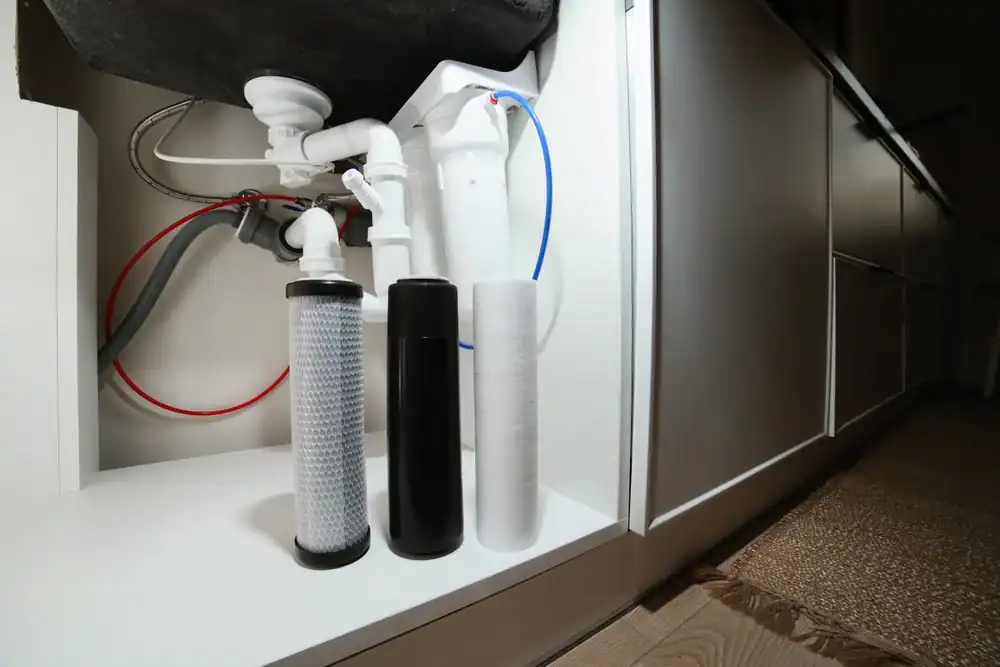
A multi-stage whole house system combines these treatment functions in a single point-of-entry unit, so you’re not stacking separate devices or leaving gaps in coverage. For a Santo Domingo home that’s been running on untreated hard water for 20 to 28 years, a comprehensive system is the more practical approach — both for what it protects going forward and for what it stops adding to the existing wear on your plumbing and appliances.
Please provide your email address so that we can stay in touch and answer any questions you have! We will be reaching back out shortly.
"*" indicates required fields