Reach Out Today
Please provide your email address so that we can stay in touch and answer any questions you have! We will be reaching back out shortly.


Hear from Our Customers
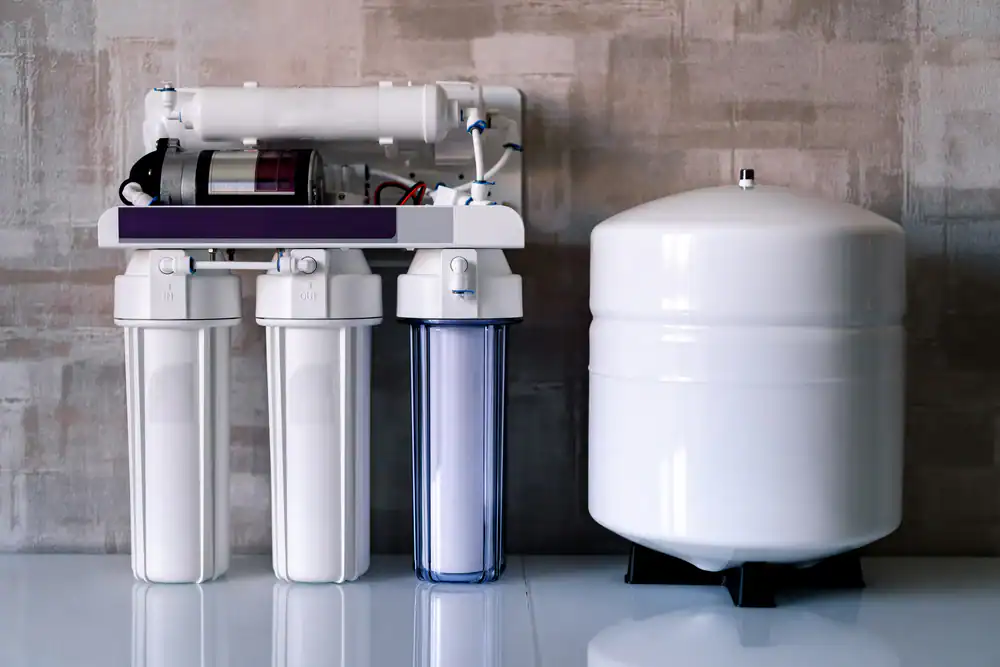
If your water heater is working harder than it should, your showerheads are crusting over, or your tap water smells faintly of pool water — that is not a coincidence. Largo’s water supply draws from Tampa Bay Water’s blended system, which pulls from the Floridan Aquifer. Limestone geology means high mineral content, and at roughly 210 parts per million, the hardness level here is classified as hard to very hard. That mineral load is quietly building scale inside every appliance connected to your water line.
A whole house point of entry system treats water the moment it enters your home — before it reaches your water heater, your dishwasher, your washing machine, your shower, or your drinking glass. You are not just getting cleaner water at one tap. You are protecting your plumbing, extending the life of your appliances, and removing the chloramine taste and odor that Pinellas County Utilities uses as its primary disinfection method — something a standard pitcher filter or under-sink unit simply cannot touch.
For families in established Largo neighborhoods like Harbor Bluffs or Walsingham — where homes from the 1960s through the 1980s are common — aging pipes and hard water are a combination that compounds over time. Filtered water throughout the house is not a luxury upgrade. It is maintenance your home’s infrastructure actually needs.
We have been in this industry for over 50 years. Not 50 years of a national brand licensing its name to a local dealer — 50 years of actual Florida water treatment experience, built on understanding what comes out of systems like Pinellas County Utilities and why it behaves the way it does here in Largo and across the Tampa Bay region.
Our BBB A-rating with zero complaints on file is public record. So is our Water Quality Association membership, which holds member companies to a professional code of ethics that many competitors in the Largo and Pinellas County market simply do not meet. When you are choosing a company that will need to service your system for years — not just install it and disappear — that kind of track record is the most honest thing we can show you.
We also offer a $500 discount for active military, veterans, and first responders. In a community with ties to the broader Tampa Bay military corridor, that is a real number, not a gesture.

It starts with a free water test — not a theatrical demonstration designed to alarm you, but an actual analysis of what is in your specific home’s water. Largo’s supply has documented PFAS detection and trihalomethane formation from chlorine reacting with organic matter during treatment. Knowing what is present in your water is what drives the right system recommendation, not a one-size-fits-all pitch.
Once the test results are in, you get a clear recommendation based on what your water actually needs. For most Largo homes, that means a multi-stage filtration system designed to handle chloramine removal — which requires catalytic carbon media, not standard carbon block — along with sediment reduction and mineral management for the hard water coming off the Floridan Aquifer. The system is installed at the point of entry, meaning it connects to your main water line before water reaches any fixture or appliance in the house.
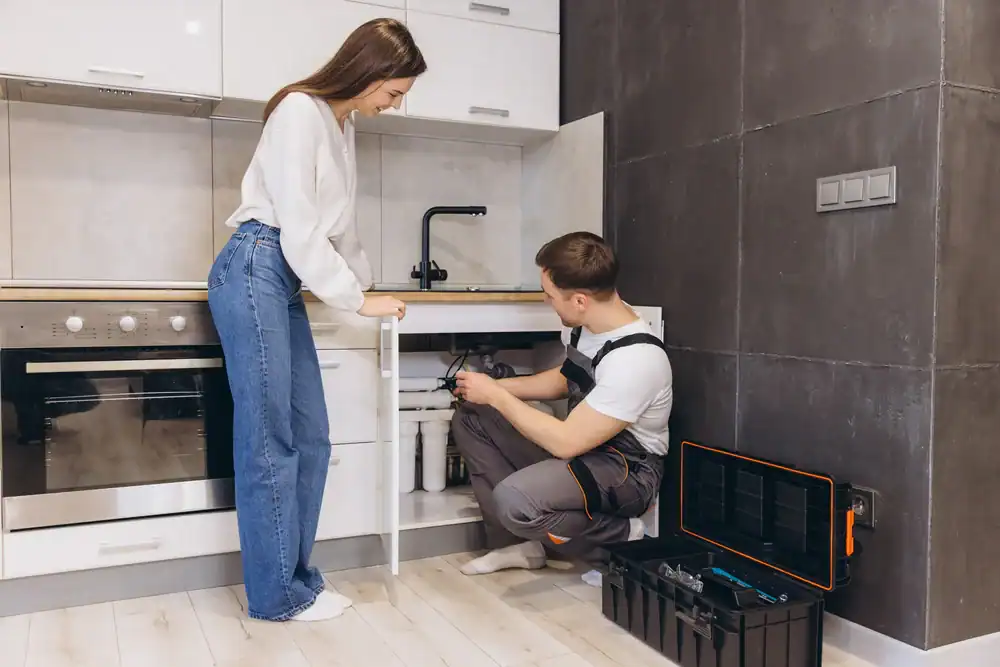
Point of entry installations in Largo fall under Pinellas County building and plumbing permit requirements. We handle that process correctly, which matters more than most buyers realize — unpermitted installations can create liability issues and complications when it comes time to sell your home. After installation, you will notice the difference quickly: no chloramine odor, no scale buildup on fixtures, and water that is not working against your appliances every day.
Ready to get started?
Largo’s water does not have one problem — it has several running at the same time. Hard water from the Floridan Aquifer. Chloramine disinfection that standard filters are not designed to remove. Documented PFAS presence. Trihalomethanes forming during treatment. A whole house system from us is built to address all of it at once, at the source.
The multi-stage filtration process typically includes a sediment pre-filter to catch particulates, catalytic carbon filtration specifically designed for chloramine removal, and a softening or conditioning stage to manage the mineral hardness that affects every home on Pinellas County Utilities. For homes in areas like Upper Largo or near the East Bay corridor where older plumbing is common, that mineral management stage is doing active work — reducing the scale accumulation that restricts water flow and shortens the life of water heaters, dishwashers, and washing machines.
Every system recommendation comes after your water test, not before it. If your water shows PFAS levels of concern, that changes the recommendation. If your hardness is on the higher end of the Pinellas County range, that matters too. Clean tap water throughout your home is the outcome — and what gets you there depends on what your specific water test shows, not on a package that was already decided before anyone tested anything.
The short answer is that Largo’s municipal water meets legal safety standards — but meeting the legal minimum and being genuinely clean are two different things. Pinellas County Utilities, which supplies Largo, draws from Tampa Bay Water’s blended system. That supply has documented PFAS detection, trihalomethane formation from chlorine treatment, and hardness levels around 210 parts per million from the Floridan Aquifer’s limestone geology. None of those things are violations. All of them affect the water coming out of your taps every day.
A whole house filter does not mean your utility is failing you. It means you want more than the legal minimum for your family, your appliances, and your plumbing. The chloramine used for disinfection leaves a taste and odor that many Largo residents notice — particularly when Pinellas County switches temporarily back to straight chlorine for system maintenance, which they do periodically and announce publicly. A properly designed whole house system removes that, along with the mineral content that is slowly scaling your water heater and showerheads right now.
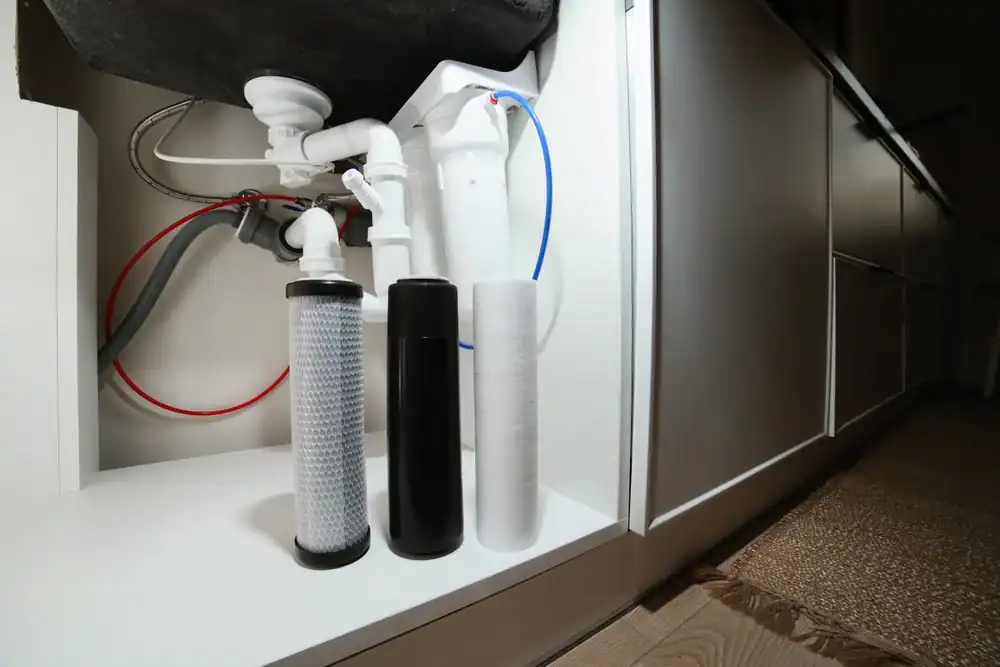
An under-sink filter treats water at one faucet — typically your kitchen tap. That is useful for drinking water, but it does nothing for the water in your shower, your washing machine, your dishwasher, your ice maker, or your water heater. In Largo, where the water hardness is hard to very hard and chloramine is the primary disinfectant, the problems in your water are not limited to what you drink.
Chloramine and hard minerals are in your shower water, where you absorb them through your skin and inhale steam during a 10-minute shower. They are in your laundry water, where they affect fabric over time. They are feeding your water heater with mineral-laden water that builds scale on the heating element and reduces efficiency every year. A whole house point of entry system treats all of it — every gallon that enters your home — before it reaches any fixture or appliance. That is the difference between addressing one symptom and solving the actual problem.
At roughly 210 parts per million, Pinellas County Utilities water falls in the hard to very hard classification. That mineral content — primarily calcium and magnesium from the Floridan Aquifer’s limestone geology — does not just affect taste. It physically deposits scale inside your water heater, reducing its efficiency and shortening its lifespan. It builds up inside your dishwasher’s spray arms, your washing machine’s drum, and your showerheads. Over time, it can restrict water flow inside pipes and contribute to premature corrosion in older plumbing.
For Largo homeowners in homes built in the 1960s through the 1980s — which make up a significant portion of the housing stock in established neighborhoods across the city — aging plumbing and hard water are a combination that gets worse over time, not better. A whole house filtration system with a softening or conditioning stage stops that mineral load at the point of entry, before it reaches a single pipe or appliance in your home. The long-term cost of appliance damage and early replacement is almost always higher than the one-time investment in a system that prevents it.
PFAS — per- and polyfluoroalkyl substances — are a class of synthetic chemicals used in industrial and consumer products for decades. They are called “forever chemicals” because they do not break down in the environment or in the human body. They have been linked to cancer, thyroid disruption, and immune system effects. Recent sampling of Largo’s water supply did detect the presence of PFAS chemicals, and the EPA is currently in the process of setting new, stricter maximum contaminant levels ranging from 4 to 10 parts per trillion.
Standard filtration does not reliably remove PFAS. The approaches with documented effectiveness are reverse osmosis and certain high-grade activated carbon systems. This is one of the reasons a water test matters before any system recommendation is made — if your water shows PFAS at levels of concern, that changes what the right system looks like. Our process starts with testing your specific water, which means the recommendation you receive is based on what is actually present in your home, not on a predetermined package.
Pinellas County Utilities uses chloramine — a combination of chlorine and ammonia — as its primary disinfection method. Chloramine produces a different taste and odor than straight chlorine, and many Largo residents notice it, especially in drinking water and in the steam from hot showers. What makes it more noticeable at certain times is that Pinellas County periodically switches from chloramine back to straight chlorine for routine system maintenance — a process they announce publicly and that residents typically notice as a distinct change in their water’s taste and smell.
Chloramine is also harder to remove than chlorine. Standard carbon block filters, the kind found in most pitcher filters and basic under-sink units, are not effective against chloramine. Removing it requires catalytic carbon filtration media specifically designed for that purpose. A whole house system built for Pinellas County water addresses this at the point of entry, which means you are not tasting or smelling disinfectant chemicals anywhere in your home — not at the tap, not in the shower, and not in the water feeding your coffee maker.
Please provide your email address so that we can stay in touch and answer any questions you have! We will be reaching back out shortly.
"*" indicates required fields