Reach Out Today
Please provide your email address so that we can stay in touch and answer any questions you have! We will be reaching back out shortly.


Hear from Our Customers
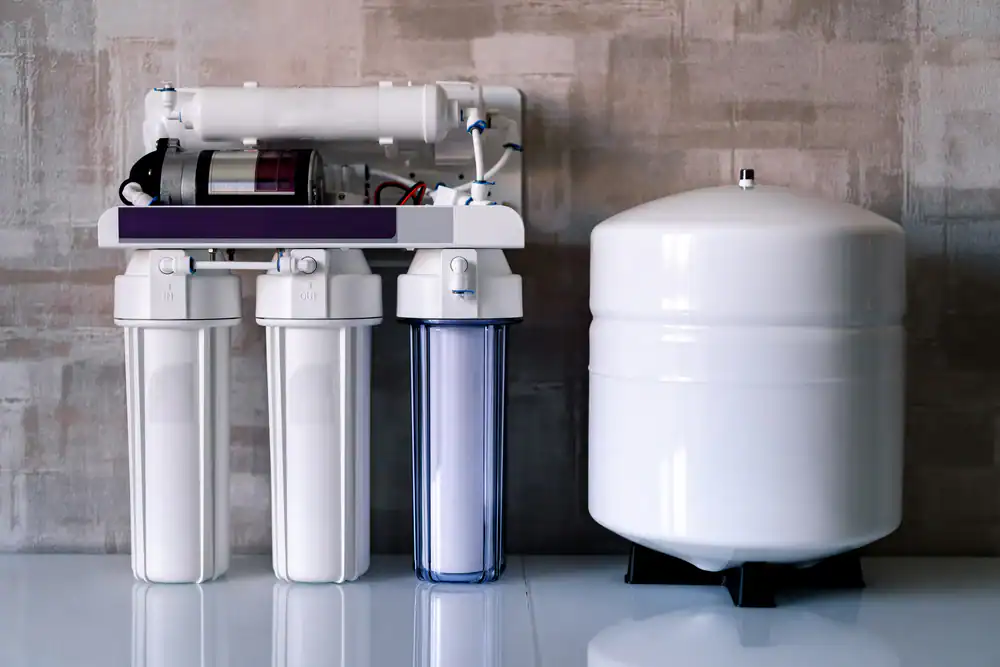
When we install a whole house point of entry system, it treats every gallon before it reaches anything in your home — your shower, your washing machine, your water heater, your ice maker. Not just the tap you drink from. That distinction matters more in Gilchrist County than almost anywhere else in Florida.
Here’s why. The Floridan Aquifer beneath Gilchrist is unconfined, which means it doesn’t have the protective clay layer that shields deeper aquifers from surface contamination. What’s on the surface — fertilizer, animal waste, agricultural runoff — has a relatively direct path into the groundwater that feeds your well. Nitrates are the most common result, and they’re colorless, odorless, and tasteless. You won’t know they’re there without a test.
Beyond contamination, the limestone geology that makes Gilchrist County’s springs so famous also makes the water naturally hard. That mineral load quietly builds up inside your water heater, reducing its efficiency by up to 48% and shortening its life. A whole house filtration system addresses both — the contamination risk and the hard water damage — in one installation. That’s the outcome that matters.
We’ve been in the water treatment business for over 50 years — and in an industry with a well-documented reputation for high-pressure sales and post-sale disappearing acts, we’ve never had a single BBB complaint filed against us. That’s not a marketing line. It’s a public record you can verify at the Better Business Bureau’s website right now.
We’re also a Water Quality Association member, which means we operate within a professional code of ethics that a lot of local and regional operators have never agreed to. When we come to your home in Gilchrist — whether you’re in Trenton off US 129, out near Bell, or in one of the rural stretches between Fanning Springs and the Suwannee — we start with a water test, not a sales pitch. We find out what’s actually in your water first.
Our 5-star review average reflects what happens after the system goes in. Customers name our technicians by name. That kind of accountability doesn’t happen by accident — it’s built over five decades of doing the job right.

It starts with a free water test at your home. This isn’t a theatrical demonstration designed to scare you — it’s a straightforward analysis of what’s actually in your water. In Gilchrist County, that test is especially important for private well owners, because the Florida Department of Health recommends testing annually for bacteria and nitrates, and most homeowners haven’t done it recently. The test tells you exactly what you’re dealing with before any recommendation is made.
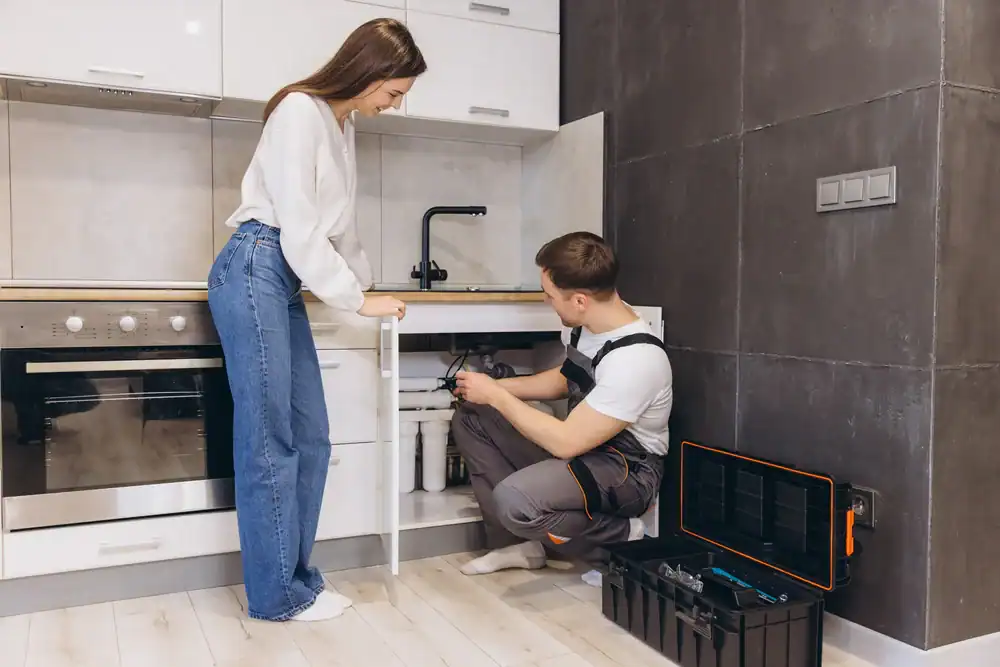
From there, we match the right system to your specific results. A whole house point of entry system is installed at the main water line, so every drop entering your home is treated before it reaches any fixture or appliance. Multi-stage filtration handles different contaminant types in sequence — sediment, then chemical and biological concerns, then hardness minerals if needed. Installation requires a permit through the Gilchrist County Building Department, and we handle that process as part of professional installation. DIY installs void warranties and can create code issues, so this step matters.
Once the system is in, you’ll notice the difference quickly — in how your water tastes, how your skin feels after a shower, and how your appliances perform over time. Filter maintenance and service are part of our relationship going forward, not an afterthought.
Ready to get started?
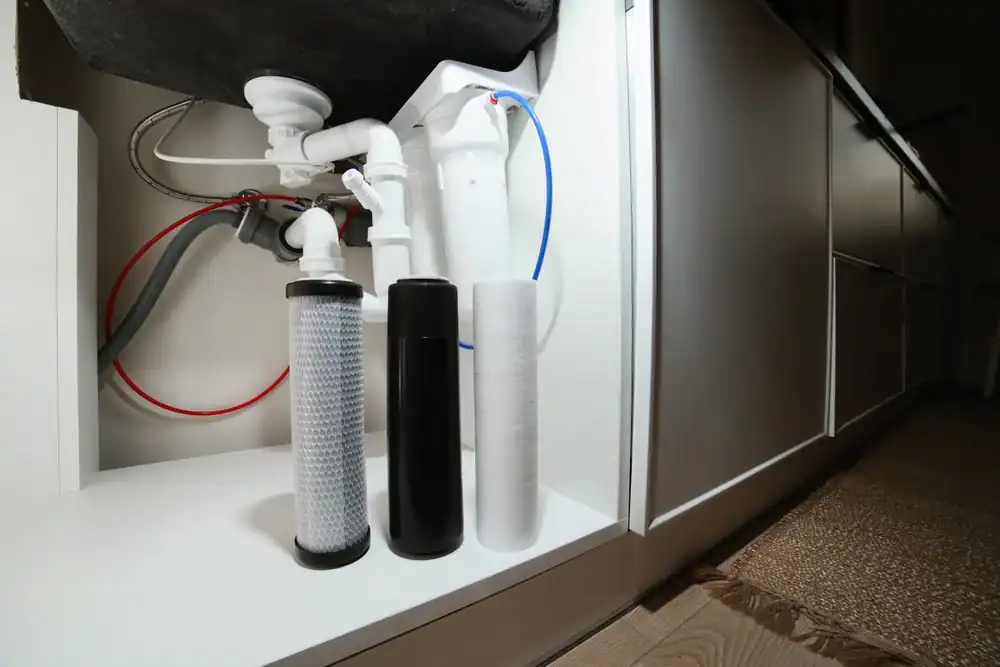
Our whole house water filter isn’t a single cartridge under your sink. It’s a multi-stage filtration system engineered to handle the specific combination of contaminants common to north-central Florida’s groundwater — sediment from the aquifer, nitrates from agricultural runoff, bacteria from proximity to livestock and aging septic systems, chlorine and disinfection byproducts in municipal supplies, and the hard mineral content that comes naturally from a limestone aquifer.
For Gilchrist County residents on private wells — which covers a large portion of the county outside Trenton, Bell, and Fanning Springs — chlorine removal is less of a concern than bacterial and nitrate risk. For those on municipal water in Trenton, chlorine and its byproducts are the primary issue. The system we recommend for your home is based on your actual water test results, not a one-size-fits-all package. That’s a meaningful difference from how a lot of companies in this space operate.
If you’re active military, a veteran, or a first responder, we offer a $500 discount on your system. In a county with nearly 1,800 documented veterans, that’s not a small number — it’s a real financial benefit for a significant portion of the Gilchrist community. We also support the Tunnels to Towers Foundation, an organization that provides mortgage-free homes to injured veterans and fallen first responder families. That’s the kind of company we are, not just what we sell.
It depends entirely on what’s in your specific well, and the only way to know is to test it. Gilchrist County sits above the unconfined portion of the Floridan Aquifer, which means there’s no natural clay barrier between surface activity and your groundwater. In a county where cattle operations, row crops, and spray irrigation of livestock waste are documented parts of the local landscape, the risk of nitrate and bacterial contamination reaching private wells is real — not theoretical.
The Florida Department of Health recommends that private well owners test at least annually for bacteria and nitrates. Nitrates are particularly concerning because they’re invisible — no smell, no taste, no color — but at elevated levels they pose documented health risks, especially for infants and pregnant women. Many Gilchrist County homeowners haven’t tested their well in years, if ever. A free water test is the honest starting point before any decision about filtration is made.
Based on documented regional water quality data and the agricultural character of Gilchrist County, the most common concerns for private well owners are nitrates, coliform bacteria, and hardness minerals. Nitrates come primarily from fertilizers and animal waste — both of which are applied heavily across the county’s farmland and cattle operations. Research from the Florida Springs Council has found that 70% or more of the nitrates entering north Florida’s springs comes from agricultural runoff, and those same pathways reach private wells.
Bacteria can enter wells from proximity to livestock, aging septic systems, or flooding events — which are not uncommon during hurricane season for a county that sits in the path of Gulf-originating storms. Hard water from the limestone aquifer is nearly universal across north-central Florida and causes gradual damage to water heaters, pipes, and appliances over time. A proper water test will identify which of these are present in your home’s water and at what levels, so the right filtration approach can be matched to your actual situation.
A pitcher filter or under-sink system only treats the water at that one point — typically less than one percent of the water your household actually uses. The water in your shower isn’t filtered. The water running through your water heater isn’t filtered. The water in your washing machine, your dishwasher, your outdoor hose bib — none of it is addressed by a filter under the kitchen sink.
A whole house point of entry system installs at the main water line where it enters your home, which means every gallon is treated before it reaches any fixture or appliance. For Gilchrist County homeowners on private wells, this matters because agricultural contaminants don’t just affect drinking water — they’re in the water you bathe in, the water your kids play in during bath time, and the water that runs through your plumbing every day. A single-point filter addresses a fraction of the actual exposure. A whole house system addresses all of it.
The installed cost of a whole house water filtration system typically ranges from around $1,500 to $6,500 depending on the system configuration, the number of filtration stages, and what your water test results indicate is needed. Homes with well water in agricultural areas like Gilchrist County often require more comprehensive multi-stage systems that address nitrates, bacteria, and hardness — which will sit toward the higher end of that range compared to a simpler municipal water setup.
The more useful way to think about the cost is against what you’re already spending. A family buying bottled water regularly spends $600 to $1,200 a year — and that water is regulated less rigorously than tap water. Hard water damage to a water heater can cost $800 to $1,500 in premature replacement. Well remediation after contamination is discovered can run significantly more. A properly installed whole house system pays for itself over time, and it starts working from day one. For veterans, active military, and first responders in Gilchrist County, the $500 discount reduces the upfront investment meaningfully.
Yes. Any installation that involves connecting a system to your home’s main water supply line requires a permit through the Gilchrist County Building Department. Florida state contractor licensing requirements also apply — the installation has to be done by a licensed professional, not as a DIY project. This isn’t just a bureaucratic formality. An unpermitted installation can void your system warranty, create liability issues if you sell the home, and leave you with a code violation that has to be corrected before closing.
We handle the permitting process as part of our professional installation. It’s not something you have to navigate on your own. This is one of the practical differences between buying a system from a licensed, accountable company and purchasing a unit online and attempting to install it yourself — the permit, the code compliance, and the warranty protection are all part of what you’re paying for when you work with us.
Please provide your email address so that we can stay in touch and answer any questions you have! We will be reaching back out shortly.
"*" indicates required fields