Reach Out Today
Please provide your email address so that we can stay in touch and answer any questions you have! We will be reaching back out shortly.


Hear from Our Customers
You step into the shower and your skin doesn’t feel stripped. Your hair rinses clean. The white crust that’s been building up on your showerhead and faucets — the calcium scale that’s a daily reminder of what Central Florida’s limestone geology puts in your water — stops forming. That’s not a small thing when you’re dealing with it every single day in Caroline.
Caroline’s water supply runs through one of the most mineral-heavy aquifer systems in the state. Calcium, magnesium, and iron come standard with the territory here. That same mineral content that crusts your showerhead is also quietly scaling the inside of your water heater, your dishwasher, and your washing machine — reducing their efficiency and cutting years off their life. A whole house point of entry system treats the water before it ever reaches any of that.
Beyond hardness, the municipal treatment process adds chlorine and chloramines to disinfect the supply. Those chemicals don’t stay in the glass — they come out in the steam when you shower, and they absorb through skin. The EWG Tap Water Database flags trihalomethanes, a disinfection byproduct, as a contaminant of concern for the Villages of Lake-Sumter water system that serves Caroline. For residents who take their health seriously, that’s not an abstract concern. Clean water from every tap in your home is what a whole house filtration system delivers — not just the kitchen sink.
We’ve been in the Florida water treatment business for over 50 years. When Caroline and The Villages were still being built, we were already solving Central Florida’s hard water problems. That kind of track record isn’t a marketing line — it’s a verifiable history that you can look up.
Our BBB A-rating with zero complaints on file matters more in a community like Caroline than it might anywhere else. Florida consumer watchdogs have documented water treatment companies using high-pressure tactics and scare-driven in-home demonstrations specifically targeting residents. Our clean record is a public fact, not a claim. Our Water Quality Association membership holds us to an ethical standard that many local and national competitors don’t meet.
We also offer a $500 discount for military veterans and first responders — and in a community where a significant share of residents retired from the military, law enforcement, or fire service, that’s not a token offer. It’s a real number that reflects where our values actually sit. Our connection to the Tunnels to Towers Foundation, which supports fallen first responder families and homeless veterans, reinforces that same commitment in a way that Caroline residents will recognize.
It starts with a conversation, not a sales pitch. When you reach out, our goal is to understand what you’re dealing with — what your water looks like, smells like, and does to your fixtures and appliances. In Caroline, that conversation usually covers hard water scale, chlorine taste and odor, and concerns about what’s in the water long-term. Most residents already have a good sense of the problem. The call is about confirming it and sizing the right solution.
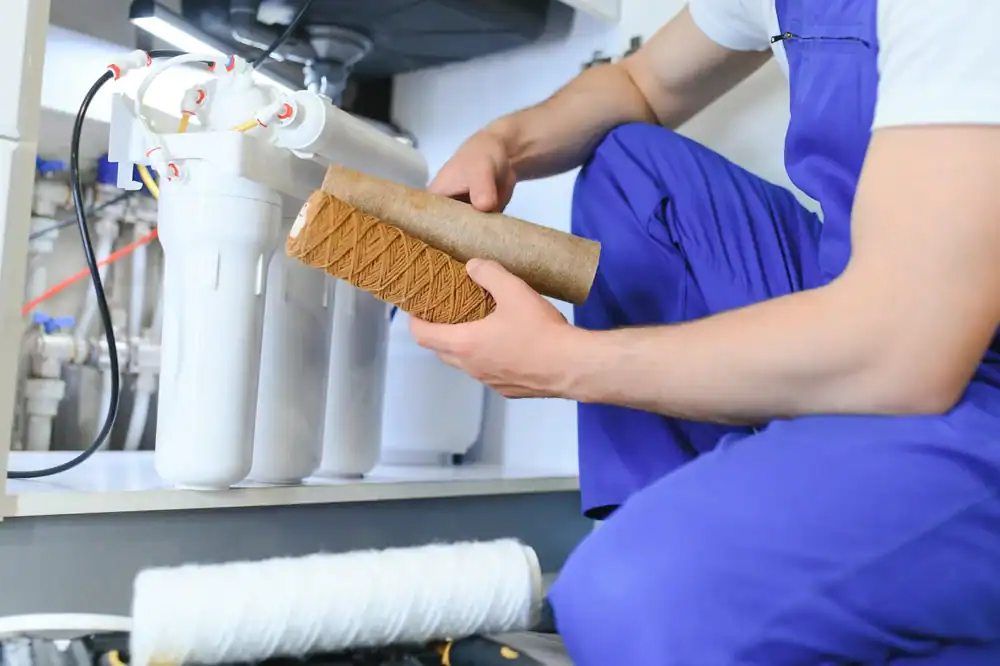
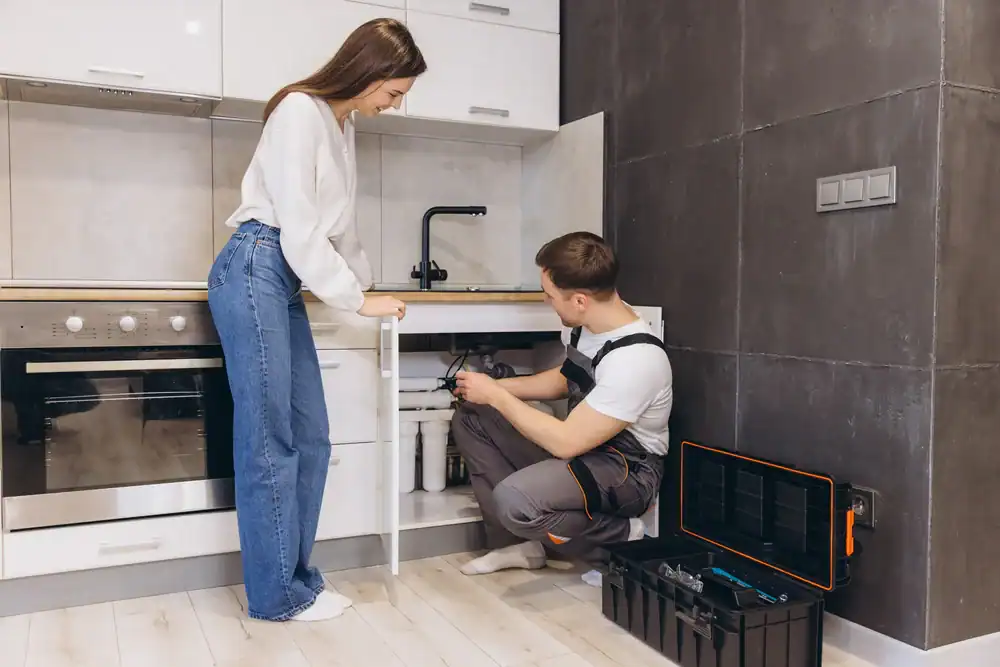
From there, a licensed technician comes to your home and assesses your water and your plumbing setup. Florida requires appropriate contractor licensing for water treatment installation, and every one of our technicians meets that standard. The assessment determines which combination of filtration, softening, and purification makes sense for your specific home — because a 1,200-square-foot villa and a 2,400-square-foot home don’t necessarily need the same system.
Installation happens at the point of entry — typically in the utility area or garage — so the treated water reaches every fixture in the house from that single point forward. The work is clean, contained, and done in a single visit in most cases. After installation, you’ll know exactly what your system does, how to maintain it, and who to call if anything ever needs attention. That last part matters — because a company that disappears after the sale is a real pattern in this industry, and our post-sale record reflects the opposite.
Ready to get started?
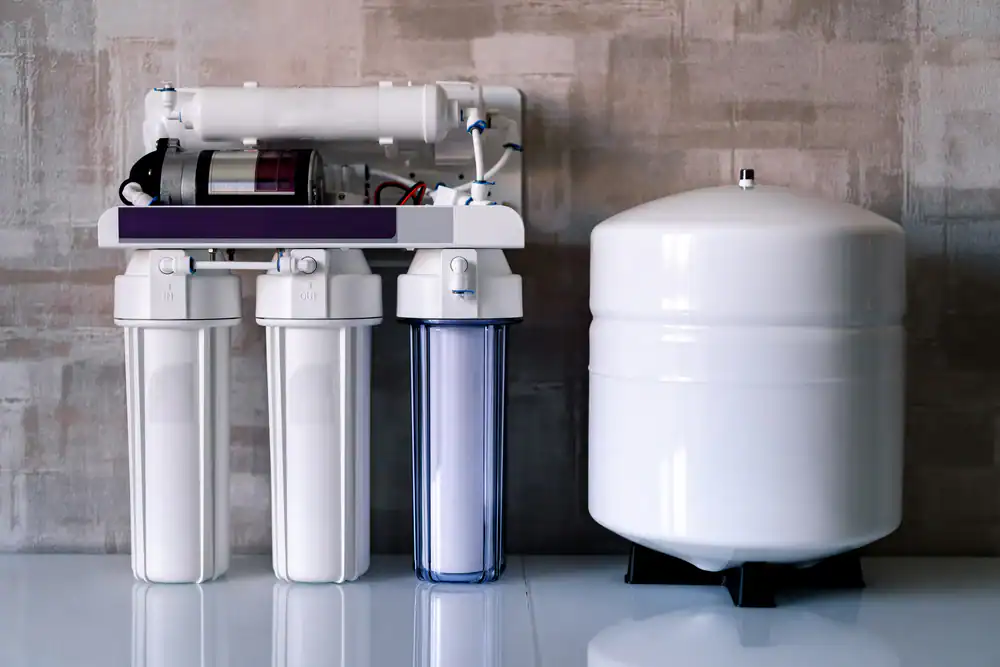
A whole house water filtration system from Quality Safe Water of Florida is a point of entry solution — meaning it’s installed where the water line enters your home, so every gallon that flows to every faucet, shower, appliance, and ice maker has already been treated. That’s the fundamental difference between a whole house system and a pitcher filter or under-sink unit. Those partial solutions leave your shower water, your laundry water, and your appliance water completely untreated.
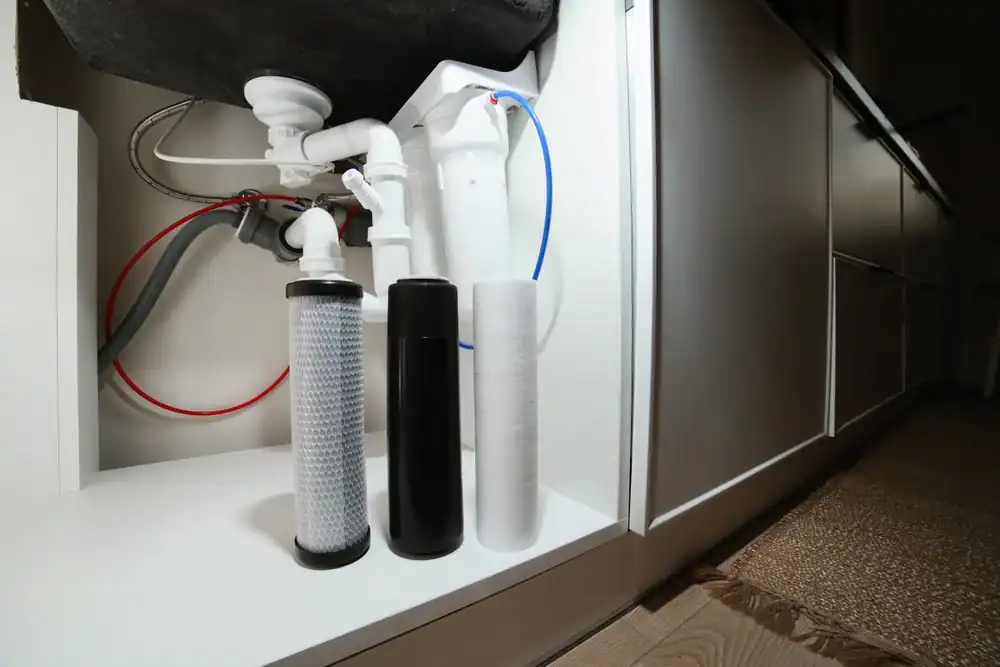
In Caroline and throughout The Villages, the most common combination is multi-stage filtration paired with water softening. The filtration stages handle chlorine removal, sediment, and disinfection byproducts. The softening stage addresses the calcium and magnesium hardness that’s a direct product of Central Florida’s limestone aquifer. Depending on your water test results and your home’s specific needs, a reverse osmosis drinking water component may also be recommended for the kitchen — but that’s a conversation based on your actual water, not a default upsell.
What you won’t get is a high-pressure in-home demonstration designed to pressure you into a same-day decision. The recommendation you receive is based on your water test and your home — not on what carries the highest margin. Our WQA membership means that standard is built into how we operate, not just how we market. For a homeowner in a community where that kind of trust is hard-earned and easy to lose, that distinction is worth knowing before you invite anyone through the door.
It’s real, and it’s well-documented. Caroline is built on Central Florida’s limestone karst geology, which naturally produces groundwater with elevated calcium and magnesium content. Multiple water treatment companies have published content specifically about hard water in this region — not because it’s a convenient marketing angle, but because it’s a consistent, community-wide condition that residents notice and ask about.
The evidence is visible in everyday life: the white scale on showerheads and faucet aerators, the film on glass shower doors, the fading and stiffness in laundry washed in hard water. These aren’t signs of a plumbing problem — they’re the direct result of mineral-heavy water. A water test will confirm exactly how hard your water is and what mineral levels you’re dealing with, which is the right starting point before recommending any system.
The honest answer is that it depends on what your water actually needs. A basic whole house filtration system starts in the range of $1,200 to $2,500 installed. A comprehensive system that includes multi-stage filtration, water softening, and a drinking water component typically falls between $3,000 and $6,500 depending on home size and water conditions. For most Caroline homes — which range from roughly 1,000 to 2,400 square feet — the investment lands somewhere in the middle of that range.
It’s worth comparing that number to what you’re currently spending. A household buying bottled water regularly can easily spend $75 to $100 a month — that’s $900 to $1,200 a year, for water that’s regulated less rigorously than properly filtered tap water. Add in the cost of premature appliance wear from hard water scale, and the math on a whole house system starts to look straightforward. If you’re a veteran or retired first responder, the $500 discount brings the upfront cost down further.
A water softener addresses one specific problem: hardness. It removes the calcium and magnesium minerals that cause scale buildup on fixtures, appliances, and pipes. In a community like Caroline where limestone-driven hard water is the dominant water quality issue, a softener makes a significant, immediate difference — but it doesn’t remove chlorine, chloramines, sediment, or disinfection byproducts from your water.
A whole house water filter — particularly a multi-stage point of entry system — goes further. It handles chlorine removal, sediment filtration, and can address disinfection byproducts like trihalomethanes that the EWG Tap Water Database has flagged for the Villages of Lake-Sumter water system. Most homeowners in Caroline benefit from both: a softener to handle the hardness and a filtration system to handle the chemical and organic contaminant side of the equation. The right combination depends on your water test results, which is always the first step.
A properly sized and installed system should have no noticeable impact on your water pressure or flow. The key word is “properly sized” — a system that’s too small for your home’s demand will eventually restrict flow as the filter media loads up. That’s why the assessment before installation matters. For Caroline homes, which typically range from around 1,000 to 2,400 square feet, a correctly specified system handles the flow demand without issue.
What does affect pressure over time is the scale buildup that hard water causes inside pipes and fixtures — a problem the filtration system is designed to prevent. Older homes in Caroline, particularly those built in the mid-2000s, may already have some degree of scale accumulation in their plumbing. A whole house system stops new scale from forming, though it won’t reverse buildup that’s already there. If existing scale is a concern, that’s worth discussing during the assessment.
This is a genuinely common question in Caroline, and it’s worth taking seriously. Seasonal residents who close up their homes for several months should have a plan for their water system before they leave. Stagnant water sitting in pipes and filter housings over a long, hot Central Florida summer can create conditions that affect water quality when you return — and a system that’s been sitting unused for months may need a flush and filter check before you start drinking from it again.
The practical steps depend on your specific system, but generally: know when your filters are due for replacement, consider whether a pre-departure service visit makes sense, and plan to flush your lines when you return before resuming normal use. We can walk you through what your specific system needs before you leave and when you come back. Seasonal maintenance is a real part of water system ownership in a community like Caroline, and it’s better addressed before you go than after you’ve already been back for a week.
Please provide your email address so that we can stay in touch and answer any questions you have! We will be reaching back out shortly.
"*" indicates required fields