Reach Out Today
Please provide your email address so that we can stay in touch and answer any questions you have! We will be reaching back out shortly.


Hear from Our Customers
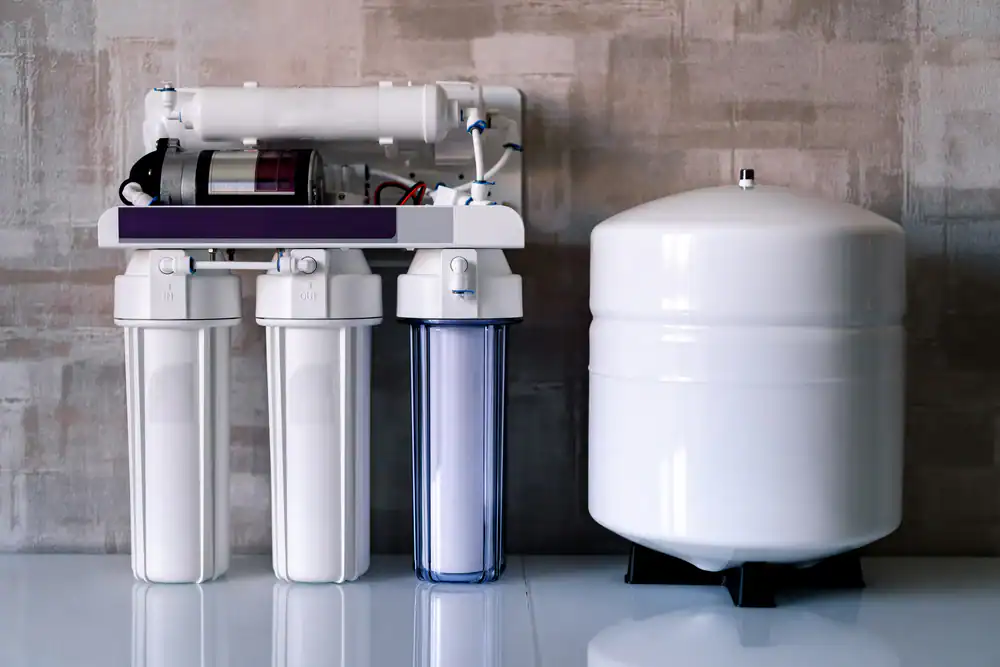
The water coming into your Belle Aire home runs through limestone aquifers before it ever reaches your tap. That process loads it with calcium and magnesium — the minerals behind the white crust on your showerhead, the spots on your dishes, and the scale building up inside your water heater right now. A whole house point of entry system stops those minerals at the source, before they reach anything in your home.
The Villages of Lake-Sumter water treatment plants also use chlorine to disinfect your water supply, which is standard practice — but chlorine reacts with organic matter in groundwater and produces disinfection byproducts that end up in your tap, your shower steam, and your cooking water. Multi-stage filtration removes those byproducts from every faucet in the house, not just one.
For a home that was built in 2000 or 2001, the timing matters. Two-plus decades of hard, mineral-heavy water have already left their mark on your plumbing. A whole house filtration system installed today protects whatever years are left in your pipes, your water heater, and every appliance that runs water — and it’s something you’ll notice in the first week, from the way your water tastes to the way your skin feels after a shower.
We’ve been in the water treatment business for over 50 years. That’s not a marketing number — it’s a verifiable history of showing up, doing the work, and still being around when something needs attention. Our BBB A-rating comes with zero complaints on file, which in this industry is genuinely rare. The water treatment space has a well-documented reputation for high-pressure sales tactics and companies that vanish after installation. That’s not what’s happened here.
We’re also a member of the Water Quality Association, which holds its members to a professional code of ethics that many local and regional competitors haven’t bothered to meet. For Belle Aire residents — a community where neighbors talk openly about their home maintenance decisions — that kind of verifiable track record carries real weight. You’re not taking a chance on someone new. You’re working with a company that’s been doing this longer than most of The Villages has existed.

It starts with a water test. Before anything is recommended, we assess what’s actually in your water — hardness levels, chlorine and disinfection byproduct presence, and any other contaminants that show up in Sumter County groundwater. That data drives the recommendation, not a sales script. You’ll know exactly what you’re dealing with before you make any decision.
From there, a whole house point of entry system is sized and designed for your specific home. Belle Aire homes range from patio villas to larger Premier Homes in Harmeswood, and the system configuration accounts for your home’s square footage, number of bathrooms, and daily water usage. Multi-stage filtration systems are installed where the main water line enters the home, so every tap, every shower, every appliance gets treated water from that point forward.
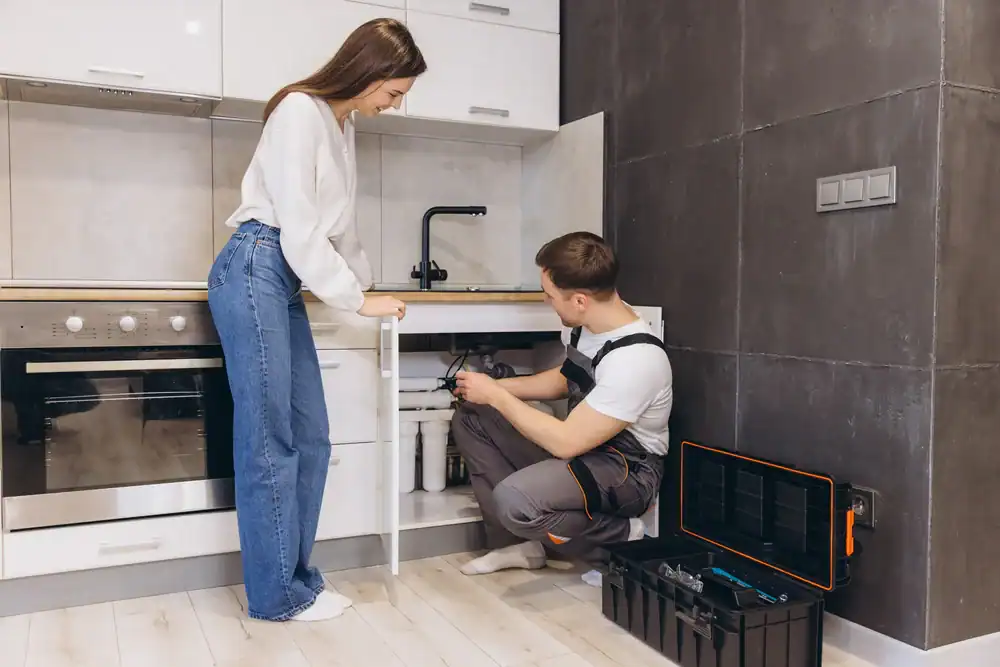
Installation is handled by our licensed professionals, and because The Villages operates under its own Community Development District governance, any applicable community standards and Sumter County permitting requirements are addressed before work begins — not after. Once the system is in, you’ll get a walkthrough of how it operates and what maintenance looks like going forward. There’s no guesswork, and there’s no disappearing act after the job is done.
Ready to get started?
The water quality challenges in Belle Aire are specific. The Villages of Lake-Sumter Water Treatment Plants draw from groundwater sources with documented elevated hardness — the kind that leaves scale in your pipes, shortens the life of your water heater, and makes your morning coffee taste like it came from a pool. The whole house systems we install are configured to address that exact profile: hard minerals, chlorine, trihalomethanes, and haloacetic acids that form when disinfectants react with organic matter in the source water.
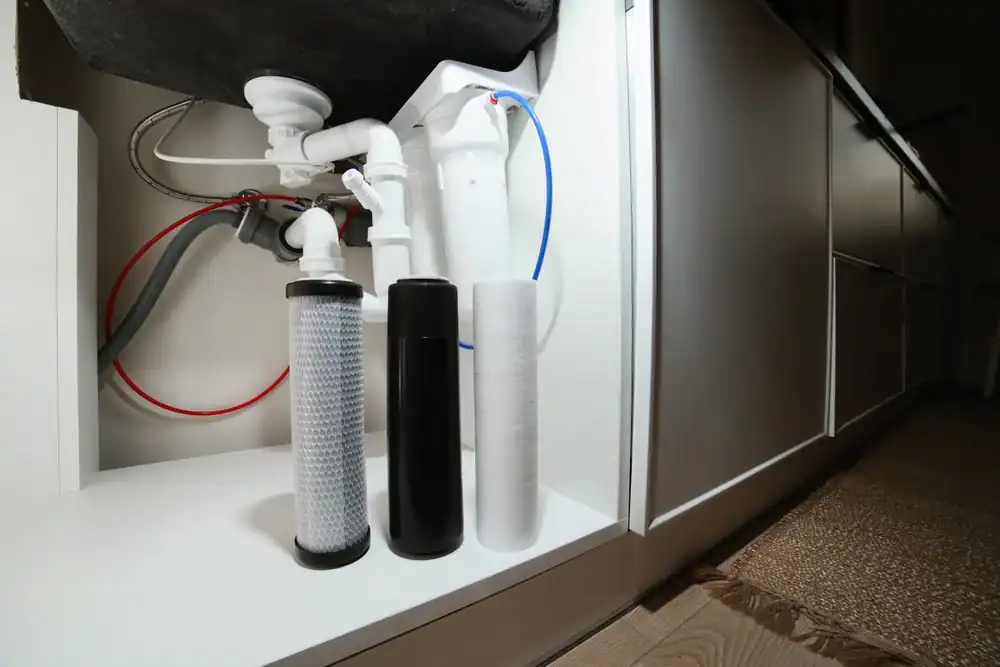
Every system is a point of entry installation, meaning treatment happens before water reaches any part of your home. That covers your kitchen, your bathrooms, your laundry, and your ice maker — not just the one faucet under the sink. Depending on your water test results and your home’s needs, the system may include sediment pre-filtration, activated carbon stages for chlorine and byproduct removal, and a water softening component for hardness. The configuration is based on your actual water, not a one-size-fits-all package.
If you’re a veteran, active military member, or first responder, we offer a $500 discount available on your system. Given how many Belle Aire residents have served — and given that this community has one of the highest concentrations of veterans in Florida — that’s not a footnote. It’s a real number that applies to a significant portion of the people living here.
Yes, and it’s not subtle. The water serving Belle Aire comes from limestone aquifers in Sumter County, and as it moves through that rock, it picks up calcium and magnesium — the minerals that define hard water. Third-party water quality reporting on the Villages of Lake-Sumter utility has specifically documented elevated hardness levels in this supply. You’ve probably already seen the evidence: white mineral deposits around your faucets, a showerhead that doesn’t spray the way it used to, spots on your glasses straight out of the dishwasher.
For a home that’s been on this water since 2000 or 2001, that hardness has had decades to accumulate inside your pipes and appliances. A water heater running in hard water conditions loses heating efficiency as scale builds up on the heating elements — and in a home that’s 23 or 24 years old, that buildup is real. A whole house filtration and softening system addresses the hardness at the point of entry, so it stops affecting everything downstream.
The Villages of Lake-Sumter Water Treatment Plants use chlorine to disinfect the groundwater supply, which is standard practice for municipal systems. The issue is what happens when chlorine reacts with naturally occurring organic matter in the water — it produces disinfection byproducts called trihalomethanes and haloacetic acids. Both are documented in the EWG Tap Water Database for this specific utility. The federal government sets legal limits for these compounds, but the EPA’s own health guidelines — and the EWG’s health-based thresholds — are significantly more protective than what the law currently requires.
Beyond disinfection byproducts, the water also carries the elevated mineral content from Sumter County’s limestone geology. Additional contaminants identified in third-party reporting for this utility include bromochloroacetic acid and trace levels of other compounds. The utility is in compliance with federal standards, but federal compliance and health-optimal water are not the same thing. A multi-stage whole house filter removes the byproducts, the chlorine, and the hardness minerals before any of it reaches your tap.
A pitcher filter or a faucet-mounted filter treats water at one point — the one you’re drinking from. That’s it. It does nothing for the water in your shower, where you’re absorbing chlorine through your skin and inhaling chloramine compounds as steam every morning. It doesn’t touch the water your dishwasher runs, the water your washing machine uses, or the water feeding your ice maker.
A whole house point of entry system is installed where the main water line enters your home, so every drop of water that flows anywhere in the house has already been filtered before it gets there. For someone living full-time in Belle Aire — home most of the day, showering, cooking, running appliances — that difference is significant. You’re not filtering a fraction of your exposure. You’re filtering all of it. And the benefits extend beyond what you drink: softened, filtered water is easier on your plumbing, your appliances, and your fixtures in ways a pitcher filter will never touch.
It will, and for a Belle Aire home specifically, this is one of the strongest arguments for installing one. Hard water scale reduces a water heater’s efficiency by up to 48% as mineral deposits build up on the heating elements over time. In a home built in 2000 or 2001 that’s been running on Sumter County’s hard groundwater ever since, that accumulation is not theoretical — it’s happening. The same mineral buildup affects washing machine components, dishwasher spray arms, and any fixture that sees water regularly.
When you install a whole house filtration and softening system, you stop the mineral accumulation from continuing. You’re not reversing 25 years of buildup overnight, but you are protecting whatever useful life remains in your plumbing and appliances from this point forward. For a home in Harmeswood or Belle Aire, where replacing a water heater or a washing machine is a real expense on a fixed income, that protection has a direct dollar value.
Most whole house point of entry system installations are completed in a single day. The work is focused on the point where the main water line enters your home, so the disruption is contained — there’s no tearing into walls throughout the house or rerouting plumbing across multiple rooms. Water service will need to be shut off for a portion of the installation, but that window is typically a few hours, not a full day.
Because Belle Aire falls within The Villages’ Community Development District governance structure, any applicable Sumter County permitting or CDD community standards are handled before the installation date — so there are no surprises on the day of the job. Once the system is installed and water service is restored, you’ll get a full walkthrough of how the system operates, what the filter replacement schedule looks like, and who to contact if you have questions. The goal is for you to feel confident about what’s in your home, not just handed a receipt and left to figure it out.
Please provide your email address so that we can stay in touch and answer any questions you have! We will be reaching back out shortly.
"*" indicates required fields