Reach Out Today
Please provide your email address so that we can stay in touch and answer any questions you have! We will be reaching back out shortly.


Hear from Our Customers
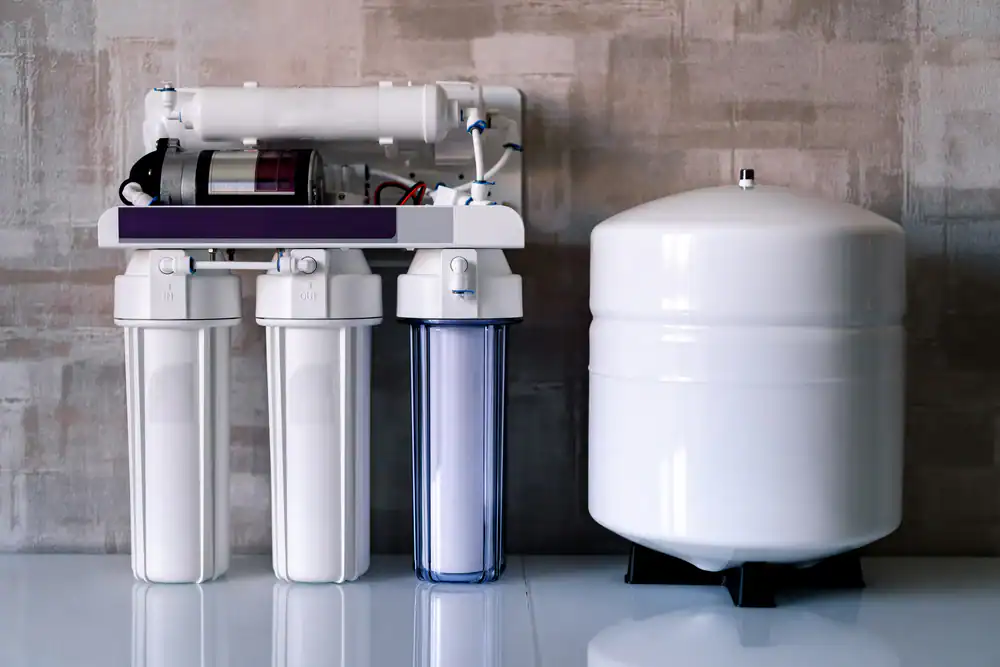
Most people start with a pitcher filter or a fridge attachment and call it done. But your kitchen sink is only one of a dozen places in your home where unfiltered water is doing damage. In Ashland, the water coming from the Villages of Lake-Sumter WTPs draws from deep groundwater wells that run through Florida’s limestone karst — and by the time it reaches your home, it carries calcium, magnesium, chlorine, trihalomethanes, and a list of other contaminants that no pitcher filter was built to address.
A point of entry system treats every gallon before it enters your home’s plumbing. That means the water you shower in, the water your washing machine uses, the water running through your water heater — all of it filtered. In a home that’s been running on untreated hard water since 2005, that matters more than most people realize. Scale has been quietly building inside your pipes and appliances for years, cutting efficiency and shortening their lifespan.
When the water is clean at the source, you stop fighting the symptoms. No more white film on your glass shower doors. No more chlorine smell when you turn on the tap. No more soap that won’t lather properly. Your appliances — especially your water heater — stop working overtime against mineral buildup they were never designed to handle.
We have been in the water treatment business for over 50 years. Not plumbing. Not HVAC. Water — specifically. That focus matters because a company that does one thing well is a very different experience from one that treats water filtration as a side service.
We hold an A-rating with the Better Business Bureau with zero complaints on file — a public record you can look up right now. We are a member of the National Water Quality Association, which means we operate under a professional code of ethics that most local competitors have never agreed to meet. We already have a recognized presence in The Villages market, serving homeowners throughout Sumter County, including Ashland and the surrounding CDD 5 villages.
If you are a veteran, active military, or first responder, we offer a $500 discount — not a token gesture, but a real reduction on a real investment. In a community like Ashland, where military service is part of the fabric of daily life, that commitment means something.

It starts with a real water test — not a theatrical demonstration designed to shock you into signing something the same afternoon. We test your Ashland home’s water to identify exactly what is in it: hardness levels, chlorine and chloramine concentration, disinfection byproducts, and any other contaminants specific to the Villages of Lake-Sumter water system serving your area. That data drives the recommendation, not a sales script.
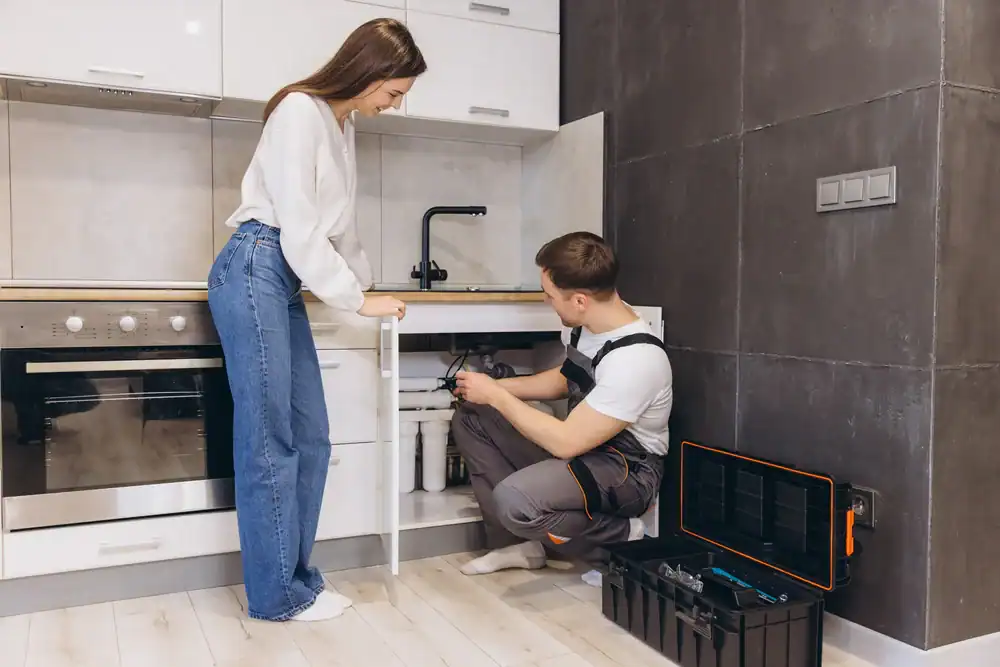
From there, the right system is selected based on what your water actually needs. For most Ashland homes, that means a multi-stage whole house filtration system installed at the point of entry — where the main water line enters your home. Every gallon gets treated before it reaches a single tap, showerhead, or appliance. Installation is performed by our licensed professionals, which matters in a CDD-governed community like Ashland where any work touching your home’s main plumbing line should be done right the first time.
After installation, the difference is immediate. Water that smells clean. Appliances that stop accumulating scale. Skin that doesn’t feel stripped after a shower. Because we service what we sell, you are not left on your own the moment the truck pulls away. Ongoing support, filter maintenance, and follow-up are part of our relationship — not an afterthought.
Ready to get started?
The water quality situation in Ashland is specific. The Villages of Lake-Sumter WTPs 1, 3 and 5 system — the utility serving this area — draws from groundwater and has documented contaminants including total trihalomethanes, haloacetic acids, bromochloroacetic acid, hexavalent chromium, chlorate, arsenic, nitrate, and elevated hardness minerals. These are not alarming outliers — they are the documented reality of treating limestone-filtered groundwater at scale. But they are also exactly what a properly designed whole house system addresses.
The systems we install are multi-stage, point of entry designs built to handle this specific contaminant profile. That means chlorine and chloramine removal so your shower no longer smells like a pool. It means hardness reduction to stop scale from accumulating inside the pipes and water heater of your Ashland Patio Villa or Courtyard Villa. And it means filtration of disinfection byproducts that form when chlorine reacts with organic matter in the water supply — contaminants that a standard carbon filter alone will not fully address.
For Ashland homeowners, these systems are also an investment in appliance longevity. A water heater running on hard water loses efficiency by up to 48 percent and fails years ahead of schedule. In a home built in 2004 or 2005, protecting whatever plumbing and appliance infrastructure you have left is not optional — it is practical. Clean tap water is the outcome. Plumbing protection is the investment that pays for itself.
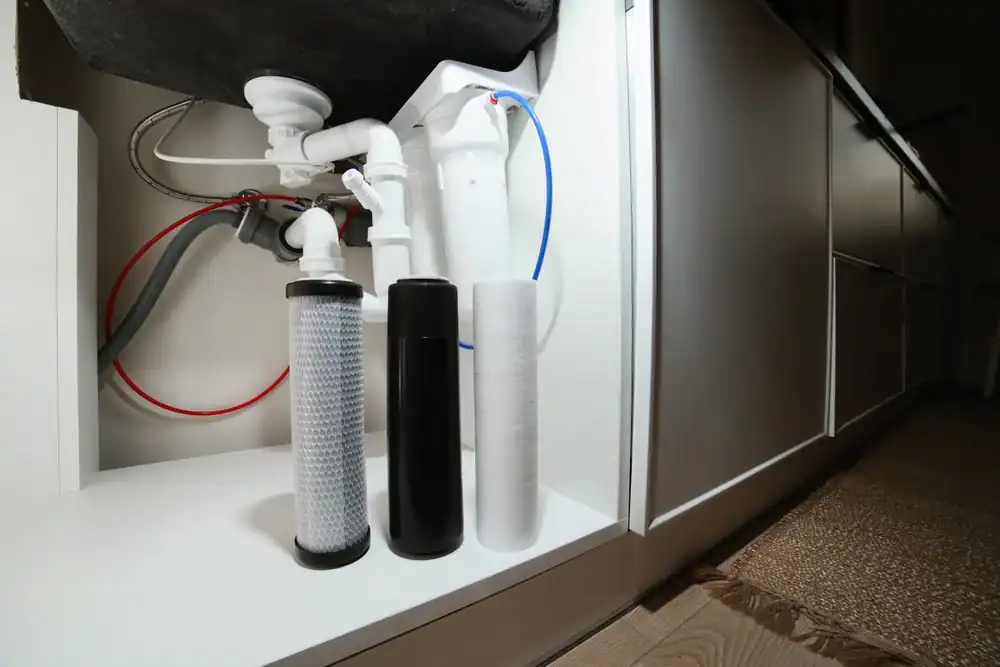
The short answer is yes, and here is why. The water serving Ashland comes from the Villages of Lake-Sumter WTPs 1, 3 and 5 system, which draws from deep groundwater wells running through Florida’s limestone karst geology. That process naturally introduces calcium and magnesium — the minerals responsible for hard water — into every gallon before it reaches your home. On top of that, the utility treats the water with chlorine, which is standard and necessary for safety, but which reacts with organic matter in the water to form disinfection byproducts including trihalomethanes and haloacetic acids. These byproducts are documented in the Environmental Working Group’s public tap water database for this specific water system.
The water meets legal safety standards — that is not in question. But meeting a legal standard and being genuinely clean are two different things. A whole house filtration system addresses what the utility’s treatment process cannot: the hardness, the chlorine taste and smell, and the disinfection byproducts that form after treatment. For a homeowner in Ashland who is drinking, cooking, and showering in this water every day, filtration is practical infrastructure protection.
Nationally, the average whole house water filter installation runs around $2,273, with most homeowners paying somewhere between $1,100 and $3,500 depending on the system type and home size. In Florida, comprehensive multi-stage systems with softening capability can range from approximately $1,200 to $6,500 installed, depending on what the water test reveals and what the home needs.
For Ashland specifically, the right system depends on your home’s size — most Patio Villas and Courtyard Villas range from about 1,100 to 2,400 square feet — and on what your water test shows. A home with elevated hardness and high chloramine levels needs a different configuration than one with primarily chlorine and sediment concerns. That is why we start with a real water test rather than a flat-rate package recommendation. If you are a veteran, active military member, or first responder, the $500 discount applies directly to the installation cost, which is a meaningful reduction on a system in this price range.
These two systems address different problems, and in Ashland, you often need both — or a system that handles both in one unit. A water softener targets hardness minerals specifically: calcium and magnesium. It uses an ion exchange process to swap those minerals out of the water before they can accumulate inside your pipes, water heater, dishwasher, and washing machine. In The Villages, where hard water is one of the most commonly flagged concerns by home inspectors, softening is a real priority.
A whole house water filter addresses a broader range of contaminants — chlorine, chloramines, sediment, disinfection byproducts, and depending on the system, heavy metals and other chemicals. It does not necessarily soften the water, but it does remove the things that make your water taste and smell off and that carry documented health concerns with long-term exposure. Many homeowners in Ashland benefit from a combined system that softens and filters at the point of entry, addressing both the hardness problem and the chemical contaminant profile of the local water supply in a single installation.
Yes — and for Ashland homes specifically, this is one of the most compelling reasons to install one. Ashland homes were built in 2004 and 2005, which means the plumbing, water heater, and major appliances in many of these homes have been running on untreated hard water for approximately 20 years. Hard water scale accumulates inside pipes over time, gradually reducing water flow and pressure. Inside a water heater, that same scale acts as insulation between the heating element and the water, forcing the unit to consume more energy and shortening its operational life.
Installing a point of entry filtration and softening system today does not reverse 20 years of buildup, but it stops the process from continuing. Whatever plumbing and appliance infrastructure you have remaining will no longer be subjected to untreated hard water from this point forward. For an Ashland homeowner who has already replaced one water heater and is not looking to replace another ahead of schedule, a whole house system is infrastructure protection — not an upgrade.
For most Ashland homes, installation of a whole house point of entry system takes between two and four hours. The work is done at the main water line entry point, so there is no need to access every room in the house. You will have a brief period without water during the installation itself, but the disruption is minimal and the home is fully operational the same day.
As for permits, The Villages operates under a Community Development District structure rather than a traditional municipal government. Ashland falls under CDD District 5. Any work that touches the main water line entry point of a home in this community should be performed by a licensed contractor — Florida state licensing requirements apply regardless of the CDD structure. Our installations are performed by licensed professionals, which means the work is done correctly and to code. If your specific installation requires a permit based on the scope of work, that will be identified and handled before work begins — not discovered afterward.
Please provide your email address so that we can stay in touch and answer any questions you have! We will be reaching back out shortly.
"*" indicates required fields