Reach Out Today
Please provide your email address so that we can stay in touch and answer any questions you have! We will be reaching back out shortly.


Hear from Our Customers
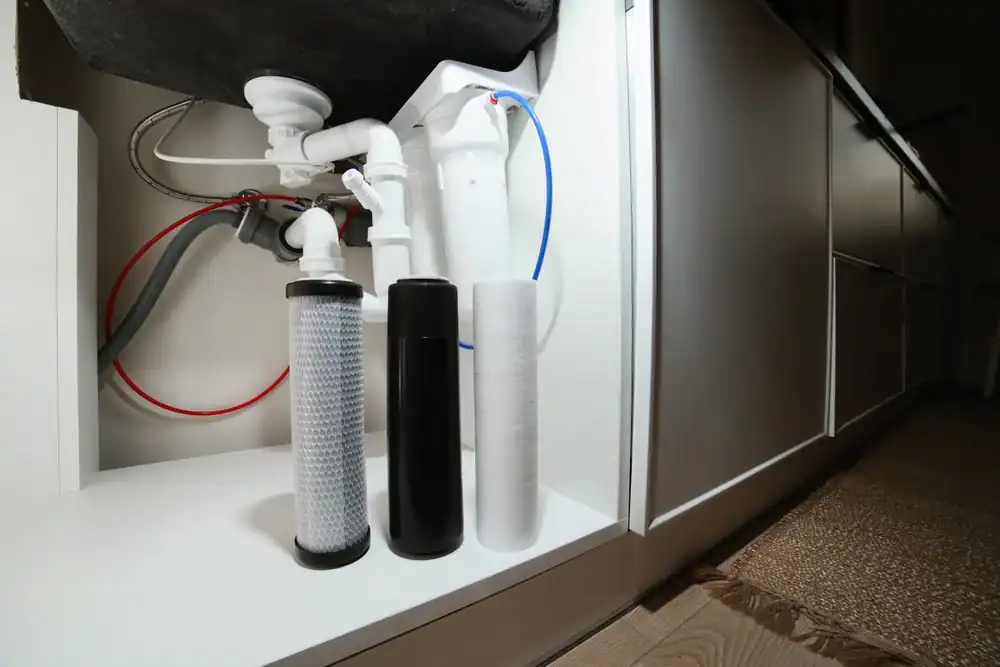
The orange staining on your fixtures, driveway, and laundry isn’t random. It’s iron — dissolved straight out of the karst limestone that the Floridan Aquifer runs through beneath Pinellas County. The same geology that makes Florida’s groundwater abundant is what loads it with minerals, sulfur gas, and hardness before it ever reaches your tap. A filter from a hardware store isn’t designed for that. It’s designed for city water.
When you have a system that’s built around what’s actually in your well, things change fast. The rotten egg smell is gone. The orange stains stop forming. Your water heater, dishwasher, and washing machine stop fighting against scale buildup — which matters a lot when you’re protecting a home in Springdale’s market. Appliances last longer. Plumbing stays cleaner. You stop buying cases of bottled water.
For homeowners in Springdale and the surrounding Countryside area, where the housing stock runs mostly from the 1970s and 1980s, aging pipes and older well casings can compound the problem. Warm Florida groundwater also accelerates bacterial growth inside well systems in a way that northern states simply don’t deal with. The fix isn’t one product — it’s a system that handles iron, sulfur, hardness, and bacteria together, because in Springdale, they usually show up together.
We’ve been treating Florida well water for over 50 years. That’s not a marketing number — it means our technicians have seen what the Floridan Aquifer does to well water in Springdale and throughout Pinellas County hundreds of times. We know what to expect before we even run the test.
We hold an A+ rating from the Better Business Bureau with zero customer complaints on record — which, in an industry where the Florida Attorney General has literally shut down water treatment companies for predatory sales tactics, is worth paying attention to. We’re also members of the National Water Quality Association, a voluntary professional credential that most competitors in the Clearwater area never bother to pursue. That membership requires passing a real examination and committing to an industry code of ethics.
For military families and first responders — and there are a lot of them throughout the Springdale and Pinellas County area — we offer a $500 discount on whole-house system installations. We’re also involved with the Tunnels to Towers Foundation, which supports the families of fallen first responders and military personnel.
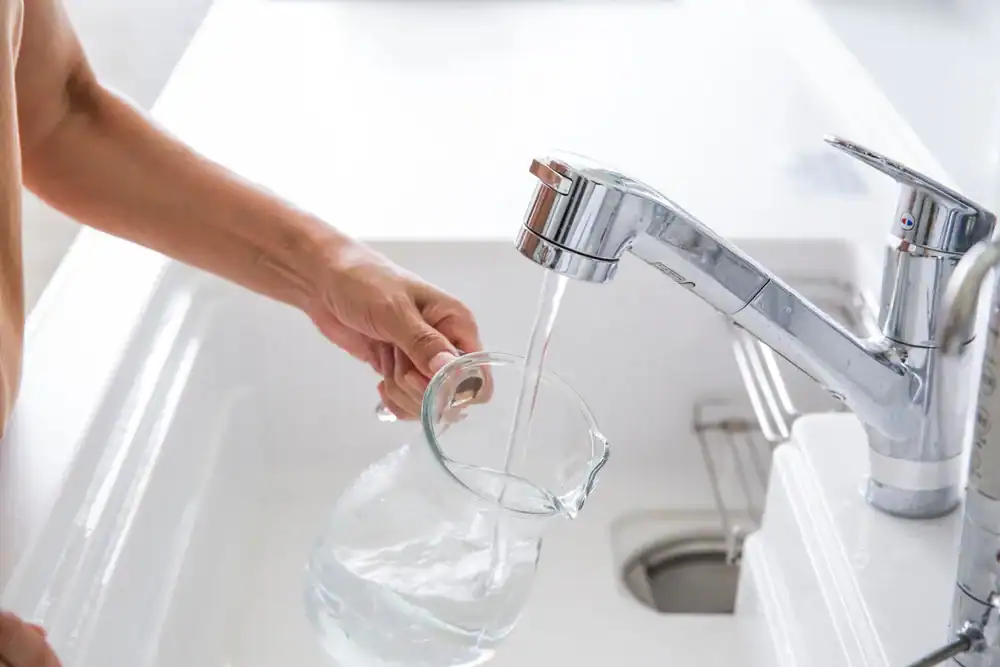
It starts with a free water analysis at your home. One of our technicians comes out, tests your well water on-site, and shows you exactly what’s in it — iron levels, sulfur content, hardness, pH, bacteria presence, and anything else relevant to your specific well. You see the numbers. Nothing is assumed, and nothing is sold until you understand what you’re dealing with.
From there, we design a system around your actual results. In Springdale, that typically means addressing elevated iron and hardness from the limestone aquifer, hydrogen sulfide causing odor, and bacterial risk — especially during and after Pinellas County’s wet season, when heavy rainfall can infiltrate well casings and introduce surface contaminants. The Southwest Florida Water Management District declared a water shortage in 2026 due to declining aquifer levels, which can also concentrate mineral content in well water and affect how a system needs to be sized.
Installation happens in a single day. The system connects at the point of entry — where your well line comes into the home — so every tap, shower, and appliance in the house gets treated water from that point forward. No multi-day project, no returning for parts, no disruption that drags out across a week. It’s done, it works, and you have one local company to call if you ever need anything after.
Ready to get started?
Florida well water rarely has just one problem. Iron shows up with sulfur. Hardness comes with manganese. Bacteria risk is always in the background, especially in a climate where groundwater stays warm year-round and well casings can pick up contamination after a heavy storm. Treating one issue while ignoring the others is how homeowners end up calling a second company six months later.
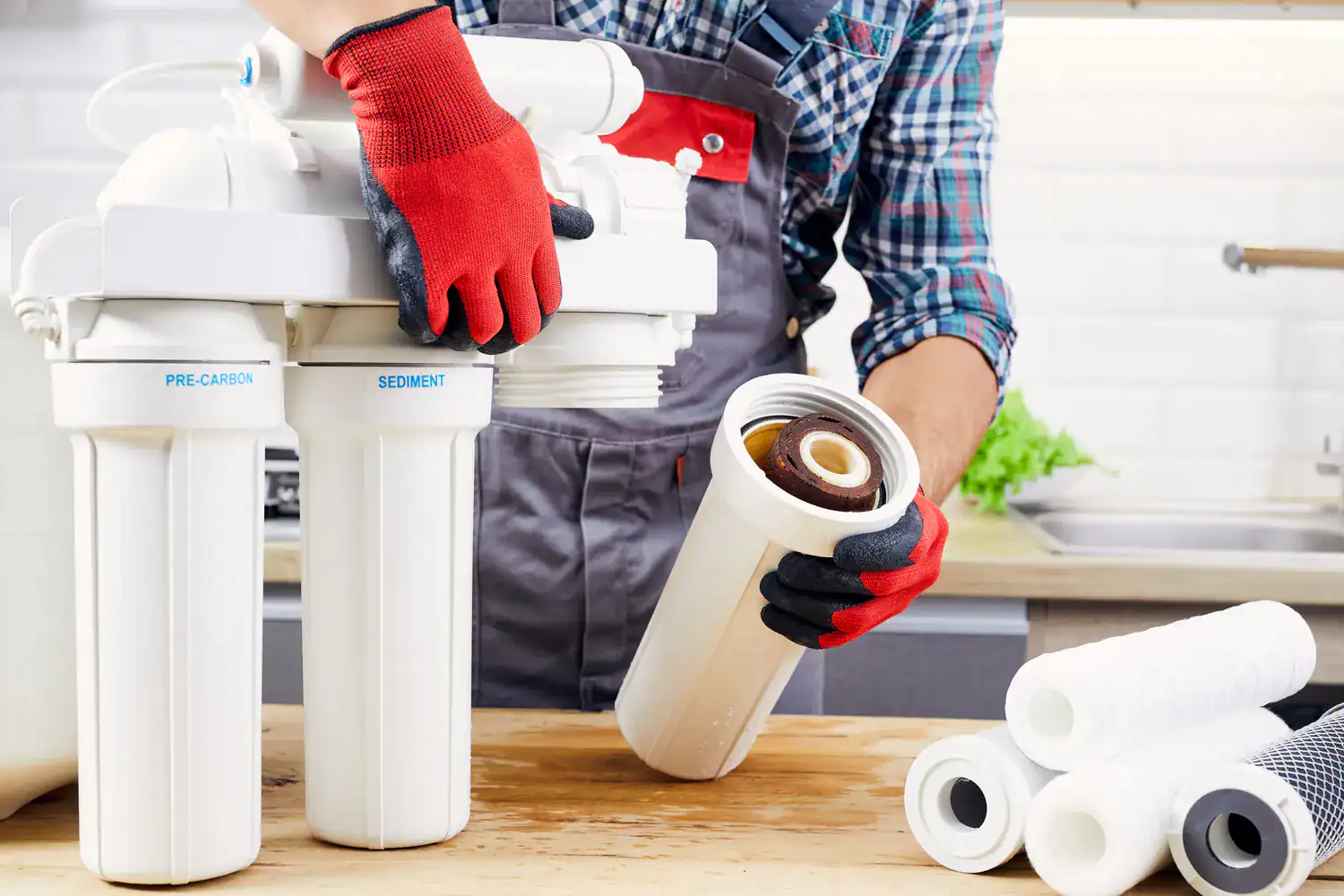
Our whole-house system is built to handle the full picture. Depending on what your water test shows, that typically includes air injection oxidation or hydrogen peroxide injection to knock out iron and hydrogen sulfide at the source, catalytic carbon filtration to capture residual contaminants and improve taste and odor, and UV disinfection to eliminate bacteria and pathogens without adding chemicals to your water. For homes with significant hardness — which is common in Springdale and the North Clearwater area given the limestone geology — a softening stage addresses scale buildup in water heaters, pipes, and appliances.
Florida state law requires a permit for well construction and repair under Chapter 62-532, F.A.C., and Pinellas County follows those standards. If your installation involves any modification to your well line or point-of-entry plumbing, it’s worth confirming with Pinellas County whether a local building permit is required. Our team is familiar with how this works in the area and can help you navigate it.

Most homes in Pinellas County are connected to the municipal water system, which is supplied through Pinellas County Utilities and the S.K. Keller Water Treatment Facility. However, private wells do exist — particularly in the northern fringe areas and on unincorporated Pinellas County parcels that were never connected to the municipal grid. If your Springdale home was built in the 1970s or 1980s, which covers a large portion of the area’s housing stock, it’s worth checking.
The easiest way to confirm is to look at your water bill. If you’re paying a monthly water utility bill to Pinellas County, you’re on city water. If there’s no water utility charge and you have a pressure tank or pump system in your garage, crawl space, or yard, you’re on a private well. You can also check your property records through the Pinellas County Property Appraiser’s office, which may note well or septic status. If you’re unsure, a free water test will tell you exactly what you’re working with.
That smell is hydrogen sulfide gas — and it’s one of the most common complaints from well-dependent homeowners throughout Springdale and the broader Tampa Bay area. It forms naturally when groundwater passes through sulfur-bearing minerals in the limestone formations of the Floridan Aquifer. The warmer the groundwater, the more pronounced the odor tends to be, which is part of why it’s such a persistent issue in Florida’s climate compared to northern states.
The good news is that hydrogen sulfide is very treatable. Air injection oxidation — where oxygen is introduced into the water stream to oxidize the dissolved sulfur gas before it reaches your tap — is one of the most effective approaches for the concentration levels typically found in Springdale wells. Hydrogen peroxide injection is another option for higher concentrations. The right choice depends on what your water test shows, which is why a free on-site analysis is the right first step before any system is recommended or installed.
In Pinellas County, the most frequently encountered issues in private well water are elevated iron, hydrogen sulfide, calcium and magnesium hardness, manganese, and bacterial contamination. These aren’t random — they’re a direct result of the karst limestone geology underlying the Floridan Aquifer, which dissolves minerals into groundwater as it percolates through the rock. Florida’s Well Surveillance Program has found that roughly 9% of surveyed wells statewide exceed state or federal drinking water standards for chemical concentrations, and many more homeowners have issues they simply haven’t tested for.
Iron is the most visible problem — it causes the orange staining you see on fixtures, driveways, and laundry. Manganese produces black or dark brown staining. Hardness accelerates scale buildup inside water heaters and appliances, shortening their lifespan. Bacterial contamination, including coliform, is a particular concern after heavy rainfall events during Pinellas County’s wet season, when surface water can infiltrate well casings. A comprehensive water test covers all of these and gives you an accurate picture of what you’re actually dealing with before any treatment decision is made.
Florida regulates well construction and repair under Chapter 62-532, F.A.C., which requires a permit from the Florida Department of Environmental Protection for any well work. Pinellas County follows these state standards. For water treatment system installation specifically — meaning a whole-house filtration system connected at the point of entry — the permit requirement depends on whether the installation involves modifications to your existing plumbing or well line connections.
In many cases, a standard whole-house system installation that connects to existing plumbing does not require a separate building permit, but this can vary based on the scope of the work and the specific Pinellas County requirements at the time of installation. It’s always worth confirming with Pinellas County’s building department before work begins. Our team has installed systems throughout the Clearwater area and is familiar with how local requirements apply — we can help clarify what’s needed for your specific situation before the project starts.
Pinellas County’s wet season runs from June through September, and it has a direct impact on private well water quality in Springdale and throughout the region. Heavy and sustained rainfall — the kind that’s common during Florida’s summer storm season and especially during hurricane events — can overwhelm surface drainage and allow water to infiltrate well casings, introducing bacteria, sediment, and surface contaminants into the well system. If your well casing is older or not properly sealed, this risk is higher.
After any significant storm or flooding event in the Springdale area, it’s a good idea to test your well water before assuming it’s safe. Bacterial contamination, including coliform, is the most common post-storm concern. UV disinfection is one of the most effective tools for ongoing bacterial protection because it neutralizes pathogens continuously without adding chemicals to your water supply. For homeowners who leave their Springdale property vacant during part of the year — which is common in this area — well systems that sit unused can also develop elevated bacteria counts and should be tested when you return.
Please provide your email address so that we can stay in touch and answer any questions you have! We will be reaching back out shortly.
"*" indicates required fields