Reach Out Today
Please provide your email address so that we can stay in touch and answer any questions you have! We will be reaching back out shortly.


Hear from Our Customers
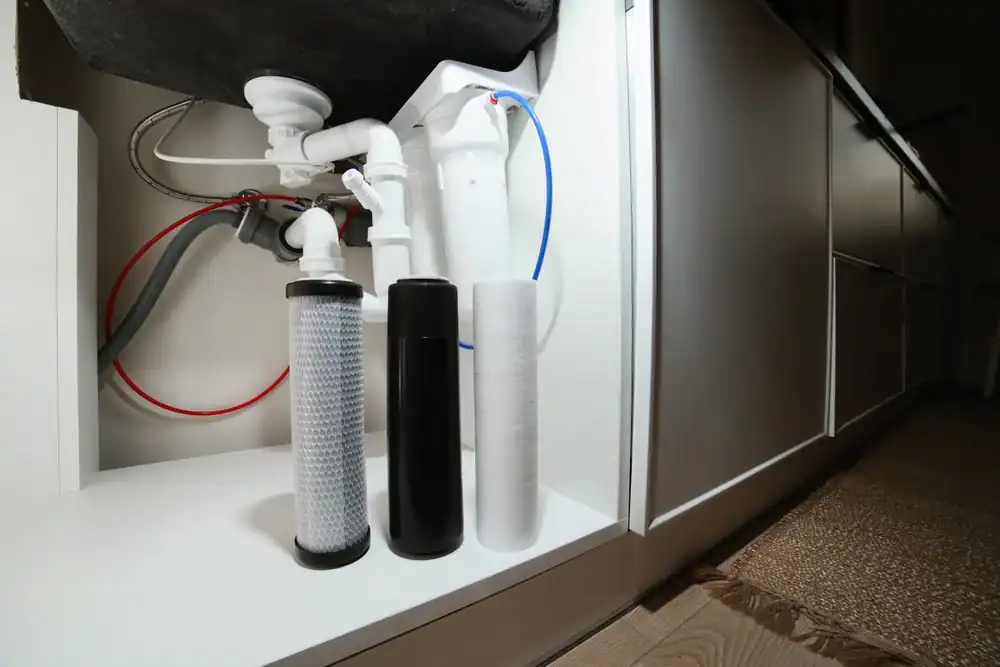
The orange streaks on your driveway, pool deck, and patio pavers don’t just look bad — they’re a signal that iron is running unchecked through every pipe in your home. In Pennecamp, where curb appeal is a community standard and your home represents a serious retirement investment, that’s not a cosmetic problem. It’s a financial one. A properly designed iron removal system eliminates the source, not just the stain.
The sulfur smell is the other thing nobody wants to talk about but everyone notices. When guests come over, when you turn on the shower, when you run the kitchen tap — that rotten egg odor is hydrogen sulfide gas rising straight out of the Floridan Aquifer beneath Sumter County. It’s not a plumbing issue. It’s a geology issue, and it requires a treatment system built specifically for Florida groundwater chemistry.
Beyond the smell and the staining, there’s what you can’t see: bacteria, manganese, and in the regional water supply, naturally occurring radium identified by the Environmental Working Group in the Villages of Lake-Sumter system. For a homeowner at this stage of life, protecting your health and your appliances with one whole-house system isn’t a luxury — it’s just smart maintenance.
We’ve spent decades working specifically with Florida’s limestone geology and the Floridan Aquifer — the same aquifer sitting beneath your home in Pennecamp. That depth of experience isn’t something you get from a national brand or a generalist plumber who also sells filters on the side. Every system we design starts with a real water test, because Sumter County groundwater has its own chemistry and your Pennecamp home deserves a system built around what’s actually in your water — not a one-size-fits-all product pulled off a shelf.
We hold an A+ BBB rating with five stars and zero complaints. We’re members of the National Water Quality Association, which requires passing a technical exam and committing to a professional code of ethics. Those aren’t decorations — they’re the reason homeowners throughout The Villages area, including Pennecamp and the communities surrounding Cane Garden, trust us with the water their families drink every day. Our Central Florida team is reachable at 352-460-0345, and that 352 area code isn’t an accident — it’s the same one you see on every local business in Sumter County.
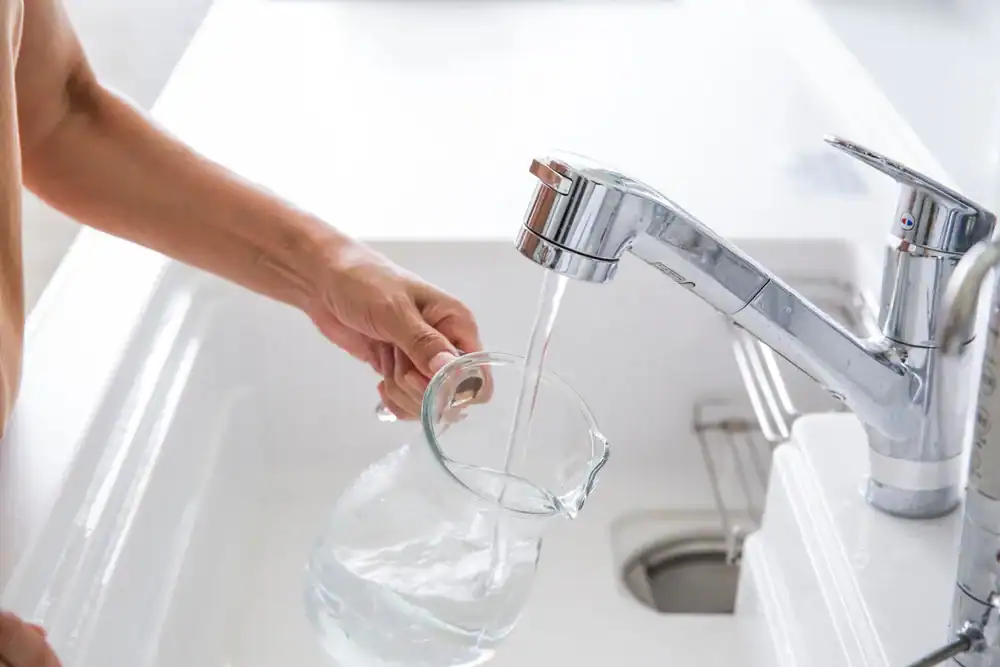
It starts with a free water analysis. Before anything is recommended, sold, or installed, we test your water to understand exactly what you’re dealing with — iron levels, sulfur content, bacteria presence, hardness, manganese, and anything else the Floridan Aquifer has contributed to your supply. In Pennecamp, where homes were built between 2009 and 2012 and original treatment systems are now 12 to 15 years old, that test often reveals that what was installed at purchase is no longer doing the job it was sized to do.
Once we know what’s in your water, we design a system around your actual results and your home’s water usage — not a package that happens to be on promotion this month. For most Pennecamp homes, that means a whole-house system that handles iron removal through air injection oxidation, hydrogen sulfide treatment, UV bacterial disinfection, and water softening in a single integrated setup. If your home uses an irrigation well — common throughout The Villages given the separate reclaimed water system used for landscaping — we address that chemistry separately, because untreated irrigation water is what’s leaving iron stains on your driveway and home exterior.
Installation is completed in one day. You don’t have to rearrange your week, vacate your home, or coordinate around a multi-day project. When our team leaves, every tap in your house runs clean.

Ready to get started?
The water problems Pennecamp residents deal with aren’t random — they’re predictable, because they come from the same source. The Floridan Aquifer’s limestone karst geology dissolves iron, manganese, calcium, magnesium, and hydrogen sulfide gas into the groundwater before it ever reaches your tap. That’s why a system designed for this area addresses all of it together, rather than treating each problem as a separate purchase.
Iron removal uses air injection oxidation technology to pull dissolved iron out of the water before it reaches your pipes, fixtures, and appliances. Sulfur smell treatment targets hydrogen sulfide at the point of entry, so the odor is gone throughout the entire house — not just at one filtered faucet. UV bacterial disinfection neutralizes bacteria and other biological contaminants without chemicals, which matters especially for homes on private potable wells or irrigation wells that receive no utility treatment. Manganese reduction prevents the black staining and buildup that manganese causes in sinks, toilets, and water-using appliances. For drinking water specifically, we offer a whole-house reverse osmosis option for homeowners who want an additional layer of purification at the kitchen tap.
Every system is sized to your home — whether you’re in a Patio Villa or a Premier Home closer to 3,000 square feet. And if you or your spouse served in the military or worked as a first responder, $500 comes off the total. No paperwork maze, no fine print.

That smell is hydrogen sulfide gas, and it’s coming directly from the Floridan Aquifer beneath Sumter County. As groundwater moves through the limestone bedrock, it picks up naturally occurring sulfur compounds — and when that water reaches your tap, the gas releases into the air. It’s not a sign that something is broken in your plumbing. It’s a geology problem, and it’s extremely common throughout The Villages area, including Pennecamp.
The intensity can vary by season. During the summer rainy season, when heavy rains shift the water table quickly, anaerobic sulfur bacteria deep in the aquifer get stirred up and hydrogen sulfide concentrations tend to spike. If you’ve noticed the smell getting worse between June and September, that’s why. The fix is a whole-house hydrogen sulfide treatment system installed at the point of entry — which means the water is treated before it reaches any tap, shower, or appliance in your home. A free water test is the right first step, because the level of sulfur in your water determines what type and size of system will actually solve the problem.
Yes — and that’s exactly how a properly designed whole-house system should work. The mistake a lot of homeowners make is buying a softener for hardness, then adding an iron filter later, then realizing the sulfur smell still isn’t addressed. You end up with three separate systems that weren’t designed to work together, and a water quality result that’s still incomplete.
A well-engineered whole-house system integrates iron removal, hydrogen sulfide treatment, UV bacterial disinfection, and softening into a single point-of-entry setup. For Pennecamp homes specifically — where the Floridan Aquifer commonly delivers iron, sulfur, manganese, and hardness in combination — a multi-contaminant approach isn’t optional, it’s just accurate. The water test tells us what’s present and at what levels, and the system is designed around those results. One installation day, one system, every tap in the house.
If your Pennecamp home was built between 2009 and 2012, any water treatment system that came with it is now between 12 and 15 years old. Water softener resin beds typically last 10 to 15 years before efficiency drops off. UV bulbs need annual replacement to maintain disinfection effectiveness — a bulb that’s three or four years old may look like it’s on, but it’s no longer producing enough UV output to neutralize bacteria. Filter media in iron and sulfur systems also has a service life that depends on water chemistry and usage volume.
The honest answer is: you don’t know if it’s still working without testing. A free water analysis will tell you what’s actually in your water today — not what was in it when the house was built. If the system is still doing its job, we’ll tell you that. If it’s time to replace or upgrade, we’ll show you why based on the test results, not a sales pitch.
That depends entirely on what’s in your specific well, and the only way to know is to test it. The regional picture isn’t entirely reassuring — the Environmental Working Group’s tap water database identifies radium-226 and radium-228 as contaminants of concern in the Villages of Lake-Sumter water system. Radium is a naturally occurring radioactive element that comes from the limestone geology of the Floridan Aquifer, and it’s the kind of contaminant you won’t taste, smell, or see.
For homes on private potable wells, there’s no utility treatment at all — the water goes straight from the aquifer to your tap. Bacteria, iron, manganese, hydrogen sulfide, and hardness minerals are all common in Sumter County groundwater, and their concentrations vary by well depth, location, and seasonal conditions. A professional water test is the only way to get an accurate picture of what you’re actually drinking. If the results show contaminants that need to be addressed, a whole-house system with UV disinfection and the appropriate filtration media handles all of it at the point of entry.
Iron. Specifically, dissolved iron in your irrigation well water that oxidizes on contact with air and leaves rust-colored deposits on whatever surface it lands on — concrete driveways, patio pavers, pool decks, stucco exteriors, and landscaping. In Pennecamp, where the Cane Garden golf course surrounds the neighborhood and curb appeal is genuinely part of the community standard, those stains are hard to ignore and harder to remove once they set.
The Villages uses a separate reclaimed water system for irrigation throughout the community, but many individual homes in Pennecamp supplement with private irrigation wells that draw directly from shallower portions of the aquifer and receive zero treatment. That untreated well water is almost certainly the source of the staining you’re seeing. Pressure washing and stain removers treat the symptom. An iron removal system installed on the irrigation well treats the cause — and once the iron is filtered out before it hits your driveway, the staining stops. A water test on your irrigation supply will confirm the iron level and determine what system is appropriate for your usage volume.
Please provide your email address so that we can stay in touch and answer any questions you have! We will be reaching back out shortly.
"*" indicates required fields