Reach Out Today
Please provide your email address so that we can stay in touch and answer any questions you have! We will be reaching back out shortly.


Hear from Our Customers
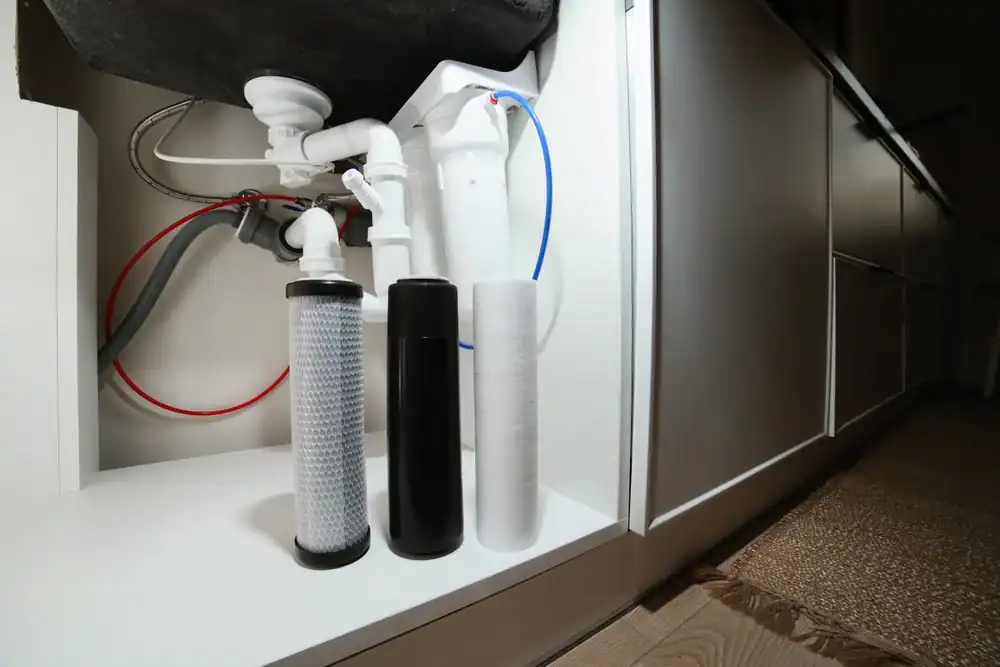
The orange staining around your sink drains isn’t a cleaning problem — it’s an iron problem. The rotten egg smell in your shower isn’t a plumbing issue — it’s hydrogen sulfide coming straight out of the Floridan Aquifer beneath Sumter County. Once those are addressed at the source, with a properly designed whole-house system, you stop treating symptoms and start actually solving the problem.
For Ashland homeowners specifically, the housing stock age matters. Homes built in 2004 and 2005 have had roughly twenty years of untreated well water moving through their pipes, water heaters, washing machines, and dishwashers. That kind of exposure adds up. If you’ve replaced a water heater more than once, or your whites never quite look white anymore, the water is the common denominator — not bad luck.
Your appliances last longer. Your fixtures stop staining. Your water tastes and smells the way water should. And you stop buying cases of bottled water every week because you don’t trust what comes out of the tap. That’s not a small thing — that’s your daily life, noticeably better.
We’ve been solving Florida well water problems for over fifty years. That’s not a marketing number — it’s the reason we understand how the Upper Floridan Aquifer behaves differently across Sumter, Marion, and Lake counties, and why a system designed for one well in Ashland might need a completely different configuration for a well two streets over.
We hold an A+ Better Business Bureau rating with five stars and zero complaints. In an industry where the Florida Attorney General has literally shut down water treatment companies for predatory sales tactics, that record means something. We’re also members of the National Water Quality Association, which requires passing technical exams and committing to a professional code of ethics — not something every company operating in The Villages area can say.
We serve military veterans and first responders with a $500 discount, and we’re proud supporters of the Tunnels to Towers Foundation. In a community like Ashland, where veteran residents are a significant part of the neighborhood, that’s not a footnote — it’s a reflection of who we are.
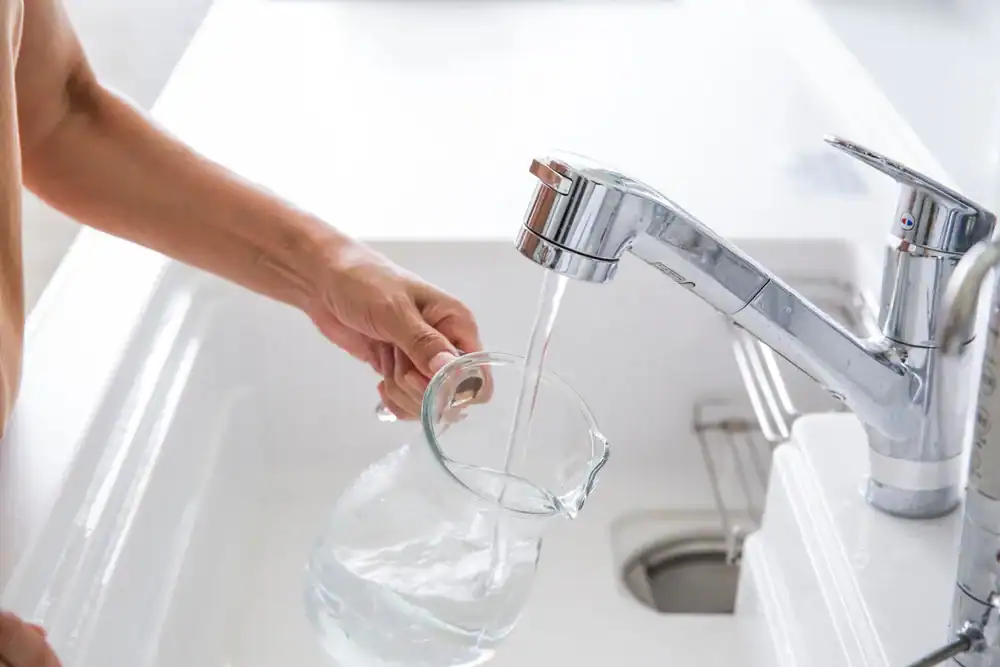
It starts with a free water analysis. We come to your Ashland home, test your well water on-site, and give you real data — actual iron levels, sulfur concentration, hardness readings, manganese presence, and bacterial indicators. No dye drops, no theatrical demos designed to make your water look scary. Just numbers, explained clearly, so you know exactly what you’re dealing with before any decision gets made.
From there, we design a system around your specific well chemistry and your household’s water usage. A two-person home near CR 466A doesn’t need the same configuration as a larger home with a guest suite and an irrigation line. The system is sized and staged to match your actual situation — iron filtration, sulfur treatment, bacterial disinfection via UV, manganese reduction, and water conditioning are all on the table depending on what your water analysis shows.
Installation happens in a single day. One visit, one crew, and by the time you’re heading toward Lake Sumter Landing for the evening, your water is already different at every tap. After installation, we don’t disappear. You have a direct number, and when a filter needs replacing or you have a question six months down the road, you reach a real person who knows your system.

Ready to get started?
The well water chemistry beneath Ashland has been studied by USGS researchers who documented that sulfate concentrations in the Upper Floridan Aquifer in Sumter County can exceed federal drinking water standards, and that groundwater in lower-lying areas of the county carries elevated iron, manganese, sulfide, and dissolved organic carbon. That’s the water your well is drawing from. A system worth buying has to be designed around that specific chemistry — not around a national brand’s standard package.
Every whole-house system we install is custom-configured after your water analysis. Depending on what we find, your system may include multi-stage iron and manganese filtration, hydrogen sulfide treatment, UV bacterial disinfection, and a water conditioning stage for hardness. These aren’t add-ons we upsell — they’re included when your water requires them and left out when it doesn’t. That’s the difference between a system built for your well and one built for a sales catalog.
It’s also worth noting that some homes in The Villages are on CDD utility water through Little Sumter or South Sumter Utilities, while others have private wells. If you’re not sure which applies to your Ashland home, we can help you figure that out during the free water analysis — because the right solution depends entirely on your actual water source. Either way, hard water, iron staining, and sulfur odors are treatable, and we’ve been doing it in this part of Florida for over fifty years.

That sulfur smell comes from hydrogen sulfide gas, which is naturally present in groundwater drawn from the Floridan Aquifer beneath Sumter County. It’s produced by sulfur-reducing bacteria that thrive in the anaerobic conditions of deeper groundwater — and it’s more noticeable in warmer months because Florida’s heat accelerates the biological process that creates it. USGS research on this specific aquifer system has documented that sulfate concentrations in Sumter County groundwater are highly variable and can exceed federal drinking water standards.
The smell is one of the more common complaints we hear from well owners in The Villages area, and it’s one of the more straightforward problems to address with the right treatment stage. A properly designed system that includes hydrogen sulfide oxidation and filtration eliminates the odor at the source — before the water ever reaches your fixtures. A free water analysis will tell us exactly how much sulfide is present in your Ashland well and what the most effective treatment approach looks like for your specific situation.
Orange or rust-colored staining is iron — dissolved ferrous iron in your well water that oxidizes when it contacts air and leaves deposits on your fixtures, inside your toilet tanks, and on anything it touches regularly. It’s one of the most common issues with private well water in Sumter County, and it gets worse over time as the buildup accumulates in places you can’t easily see, like the inside of your water heater or the internal components of your washing machine.
The staining itself is cosmetic, but the damage it causes to appliances and plumbing is not. Iron buildup shortens the lifespan of water heaters and washing machines significantly — which matters in an Ashland home that’s been on the same well water for nearly twenty years. Iron removal filtration eliminates the problem upstream, so the staining stops and your appliances stop taking the hit. We’ll test your specific iron levels during the water analysis and size the filtration stage accordingly.
This is a genuinely common question in The Villages, and the answer isn’t always obvious. Many homes in the community are connected to the CDD utility system — either Little Sumter Utilities or South Sumter Utilities — which draws from Floridan Aquifer wells and treats the water before it reaches your home. Other homes, particularly those with irrigation systems or older construction, may have a private well on the property.
The quickest way to check is your water bill. If you’re receiving a bill from one of The Villages utility districts, you’re on CDD water. If you have a well pump on your property and no utility water bill for your home supply, you’re on a private well. Either way, it affects what kind of treatment system you need — CDD water is treated to EPA standards but still carries hardness and may have chlorine taste and odor, while private well water requires full filtration and disinfection. We sort this out during the free water analysis so you’re not guessing.
Yes — and that’s exactly how a properly designed whole-house system should work. Trying to tackle each contaminant with a separate unit from a separate company is expensive, inefficient, and usually leaves gaps. The Floridan Aquifer beneath Sumter County doesn’t deliver just one problem at a time. USGS data on this region specifically documents that anaerobic groundwaters in lower-lying areas carry elevated iron, manganese, sulfide, and dissolved organic carbon together — which means your treatment system needs to address all of them as part of a single, integrated design.
A multi-stage system handles each contaminant in sequence: oxidation and filtration for iron and manganese, a dedicated treatment stage for hydrogen sulfide, UV disinfection for bacteria, and a conditioning stage for hardness. Every stage is sized to your well’s actual output and your household’s daily water usage. Nothing is added that your water doesn’t require, and nothing that it does require gets skipped. That’s what a custom system means — not a package name, but a configuration built around your specific water analysis results.
Installation is completed in a single day. One crew, one visit, and your system is up and running before the end of the day. There’s a brief period during installation where the water supply is shut off to make the connection, but it’s temporary and planned around your schedule. Most Ashland homeowners find the disruption minimal — far less than they expected going in.
The one-day timeline is something we take seriously, because we know that for retired homeowners in The Villages, having a crew in your home for multiple days is genuinely disruptive to your routine. We work efficiently, we clean up after ourselves, and we walk you through the system before we leave so you understand what you have, what it does, and how to tell if anything ever needs attention. After installation, filter replacements and maintenance checks are straightforward and scheduled — you don’t need to manage anything on your own or figure it out as you go.
Please provide your email address so that we can stay in touch and answer any questions you have! We will be reaching back out shortly.
"*" indicates required fields