Reach Out Today
Please provide your email address so that we can stay in touch and answer any questions you have! We will be reaching back out shortly.

Hear from Our Customers
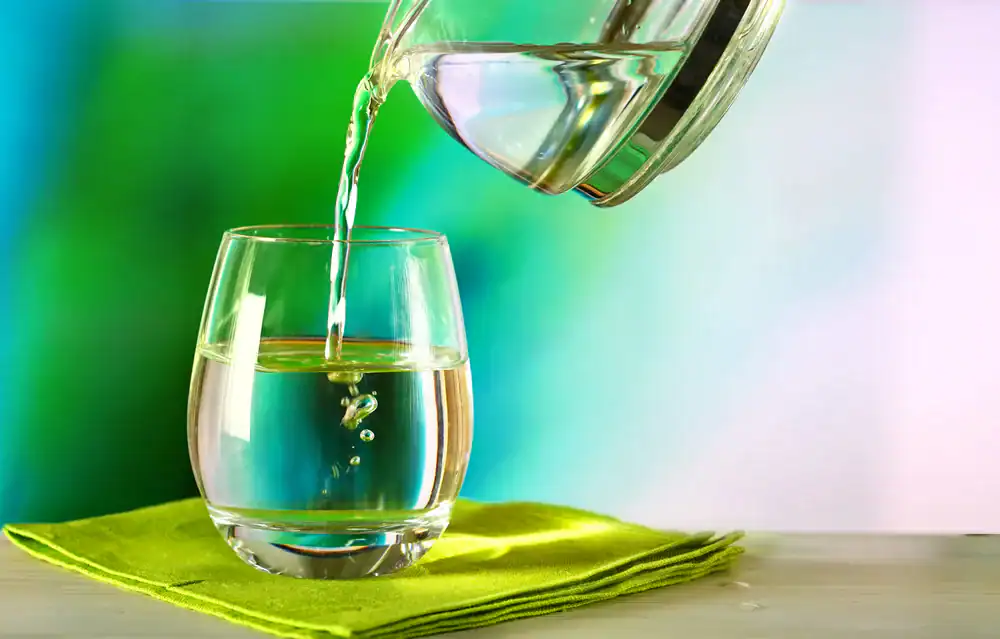
If your dishes come out of the dishwasher looking like they didn’t get washed, your showerhead is crusted with white buildup, or your skin feels dry no matter what lotion you use — that’s not a cleaning problem. That’s your water. The Floridan Aquifer, which supplies the entire region including Santiago, runs through dense limestone and picks up calcium and magnesium along the way. By the time it reaches your home, it’s carrying enough mineral content to qualify as very hard water by any scientific standard.
For a home built in 1998 — which puts most Santiago homes at over 25 years old — that’s more than two decades of mineral accumulation inside your pipes, your water heater, your washing machine, and your dishwasher. The scale doesn’t announce itself. It just quietly reduces efficiency, shortens appliance life, and costs you money in ways that are easy to blame on something else. A water softener removes calcium and magnesium before they reach any of those systems, and the difference shows up fast.
You’re also home more than the average Florida homeowner. Retired residents in Santiago use water throughout the entire day — not just mornings and evenings — which means the exposure is constant. Soft water means cleaner dishes, better lather with less soap, softer skin after every shower, and appliances that actually last as long as they’re supposed to. That’s not a small thing when you’ve invested in a home at The Villages.
We’re based in Leesburg — a short drive up US 441 from Santiago — and we’ve built our reputation on something that’s genuinely rare in this industry: an A+ BBB rating with zero complaints and a 5-star review average. In a market where high-pressure water treatment sales tactics have drawn consumer protection attention across Florida, that record isn’t just a credential. It’s the whole story.
We’re also a member of the National Water Quality Association, which means we operate under actual professional standards — not just a sales pitch and a van. Our technicians are named in reviews across multiple platforms because they show up, do the work right, and stay available after the job is done. That last part matters more than most companies want to admit.
When something needs attention with your system, you’re calling the same Leesburg-based team that installed it — not a national call center routing you to a contractor we’ve never met. For Santiago residents who’ve heard enough stories at the El Santiago Recreation Center about companies that disappear after installation, that distinction is worth paying attention to.
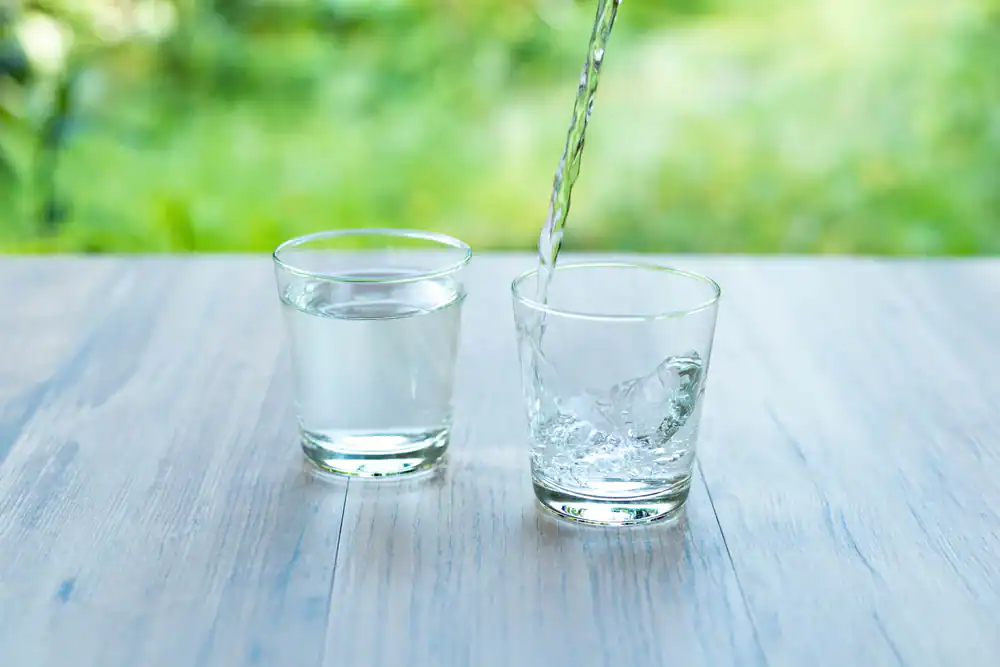
It starts with a free professional water analysis — not the kind with test strips that only catch part of the picture. We test your water for hardness, iron, sulfur, chlorine, and other contaminants that are common in the Floridan Aquifer system running beneath Lake County. The water chemistry in the northern Villages area, including Santiago, can include elevated sulfate and calcium levels alongside hardness, so a complete analysis matters before any system is recommended or sized.
Once the results are in, the system is sized specifically to your home’s water usage — not guessed at. An undersized softener won’t fully treat your water. An oversized one wastes salt and runs unnecessary regeneration cycles. Getting the sizing right is what separates a system that performs from one that frustrates you two years in.
Installation is handled by our Quality Safe Water team directly — not a subcontractor. For homes in Santiago, which fall under Lake County jurisdiction, any required permitting for connection to the main water supply line is managed as part of the process. After installation, the system runs automatically. It regenerates on its own schedule using the brine tank, flushing captured minerals and recharging the resin without any daily input from you. The only routine task is adding salt to the brine tank when it runs low — and we walk you through exactly what that looks like before we leave.

Ready to get started?
A salt-based ion exchange water softener works by routing your home’s water through a tank filled with resin beads that carry a negative charge. Calcium and magnesium ions — the minerals that cause hardness — are positively charged, so they bind to the resin and get pulled out of the water. Sodium ions take their place. What comes out the other side is genuinely soft water, delivered to every faucet, shower, appliance, and fixture in your home simultaneously.
The resin regenerates automatically using a saltwater solution from the brine tank, which flushes the captured minerals out and resets the system. This is why the brine tank needs salt — it’s the mechanism that keeps the resin working. The system monitors usage and regenerates only when needed, which keeps salt and water consumption efficient. We size the resin tank and brine tank together based on your specific water hardness reading and household usage, so the system is calibrated to your home — not a generic estimate.
For Santiago homeowners whose water comes from The Villages’ utility infrastructure — still sourced from the same limestone-heavy Floridan Aquifer — the need for softening is the same as it would be on a private well in this region. If your water analysis also shows elevated iron or sulfur, which is not uncommon in the aquifer zones surrounding Lake County, we can pair a softener with additional filtration to address those issues at the same time. A whole-house approach handles everything at the point of entry, before the water reaches anything in your home.

The water in Santiago comes from The Villages’ utility system, which draws from the Floridan Aquifer — the same limestone-rich underground formation that supplies most of Central Florida. Water that travels through limestone picks up calcium and magnesium, and in this region, hardness levels routinely reach or exceed 180 parts per million, which is the scientific threshold for “very hard” water. Some areas of the aquifer in the surrounding Marion, Sumter, and Lake County zones test even higher.
The damage is real and it’s cumulative. Scale buildup inside a water heater reduces its efficiency over time and shortens its lifespan. The same buildup coats the interior of pipes, clogs showerheads, and leaves the white film you see on dishes and glass shower doors. For a home that’s been in Santiago since the late 1990s, that accumulation has had more than two decades to compound. A professional water analysis will give you the exact hardness number for your specific home — and from there, you can make an informed decision about whether a softener makes sense.
This is one of the most common questions, and the concern is understandable — the process uses salt, so it’s natural to wonder if the water will taste like it. It won’t. The ion exchange process replaces calcium and magnesium with sodium, but the amount of sodium added is very small. For most people, the difference in taste is either undetectable or actually preferred, because hard water has a subtle mineral taste that disappears once it’s softened.
That said, if you’re on a sodium-restricted diet or you simply want your drinking water completely sodium-free, the straightforward solution is a reverse osmosis system at the kitchen tap. We install whole-house RO systems as well, and many Santiago homeowners pair a water softener with an RO drinking water system — one handles every fixture and appliance in the house, and the other gives you filtered drinking water directly at the sink. It’s a common combination and one that addresses both concerns cleanly.
Salt-free systems are marketed heavily, and the pitch sounds appealing — no salt, no brine tank, no sodium in the water. But there’s an important distinction that often gets glossed over: salt-free conditioners don’t actually remove calcium and magnesium from your water. They alter the structure of the minerals so they’re less likely to form scale, but the minerals are still present. That’s a meaningful difference.
For a home in Santiago that’s been dealing with the Floridan Aquifer’s hardness levels for 25-plus years, a system that changes how minerals behave is not the same as a system that removes them. If your goal is to protect appliances, eliminate scale buildup inside pipes, improve lather and soap efficiency, and notice a real difference in how your skin and hair feel after a shower — a traditional salt-based ion exchange softener is the more effective tool. Salt-free systems have their place, and we can walk you through both options based on your water analysis results. But we won’t tell you a conditioner does what a softener does, because it doesn’t.
Sizing a water softener comes down to two variables: how hard your water is and how much water your household uses daily. Those two numbers together determine how much resin capacity the system needs and how often it should regenerate. Get either number wrong, and the system either can’t keep up with demand or cycles through salt and water unnecessarily.
In Santiago specifically, the water chemistry can include not just hardness but also elevated sulfate and iron depending on the depth and location of the source wells serving your area. That’s why we start with a full water analysis rather than assuming a standard hardness number. A home with high iron content, for example, may need a system configured differently than one with straightforward calcium and magnesium hardness. And because Santiago residents are home throughout the day — not just for a few hours in the morning and evening — daily water usage tends to be higher than average, which factors directly into the sizing calculation. A properly sized system is one you’ll never think about, because it just works.
Day-to-day, a properly installed water softener runs on its own. The system monitors water usage and triggers regeneration automatically — you don’t schedule it or manage it manually. The one routine task is checking the brine tank and adding salt when it runs low, which for most households in this region happens every four to eight weeks depending on water hardness and usage. Florida’s hard water means the resin works harder than it would in a soft-water state, so salt consumption here is generally on the higher end of that range.
Beyond salt, the resin bed itself has a long lifespan — typically 10 to 15 years with normal use — but it can degrade faster if your water has high iron content, which is worth testing for upfront. We service what we install, so if you ever notice a change in water quality, unusual salt consumption, or anything that seems off, you’re calling the same Leesburg-based team that set up your system. We can diagnose and address issues without you having to track down a third-party service contractor or navigate a national company’s customer support line.
Please provide your email address so that we can stay in touch and answer any questions you have! We will be reaching back out shortly.
"*" indicates required fields